
Odorous Tropical Twig Ant
Tapinoma litorale
- Sci. Name
- Tapinoma litorale
- Tribe
- Tapinomini
- Subfamily
- Dolichoderinae
- Author
- Wheeler, 1905
- Common Name
- Odorous Tropical Twig Ant
- Distribution
- Found in 10 countries
Introduction
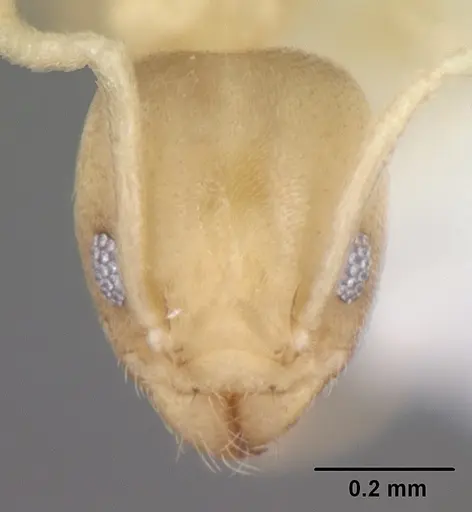
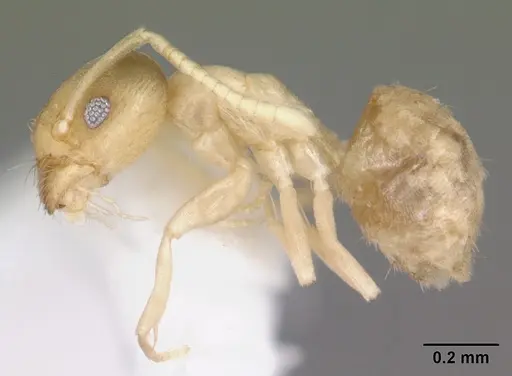
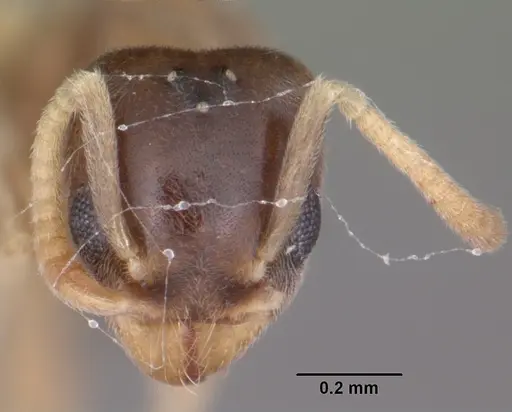
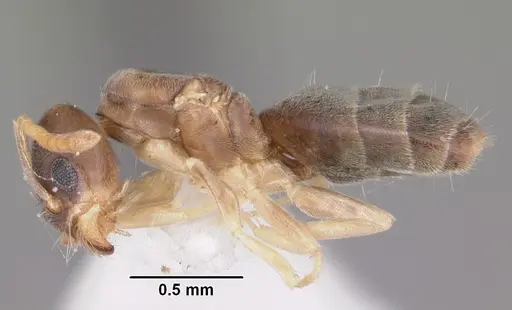
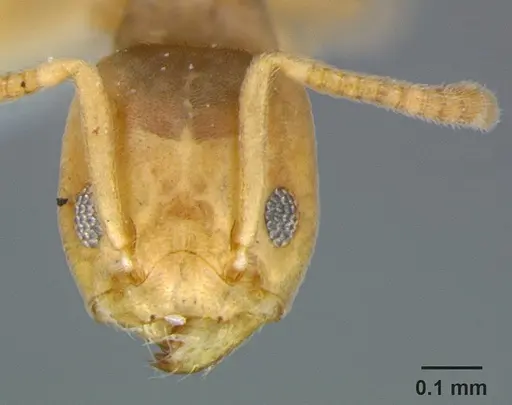
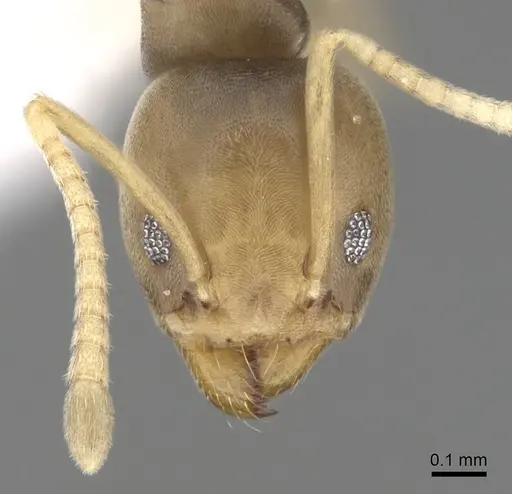
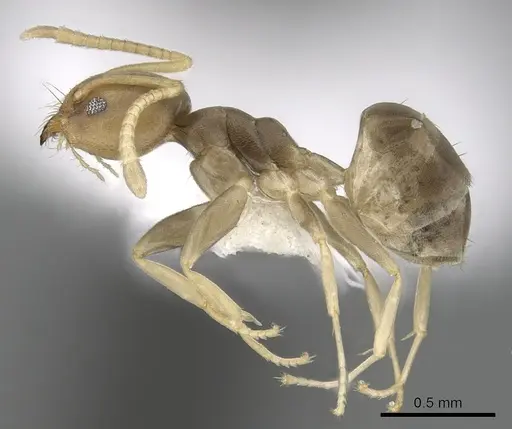
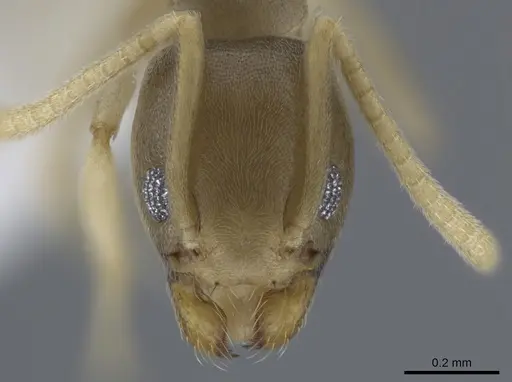
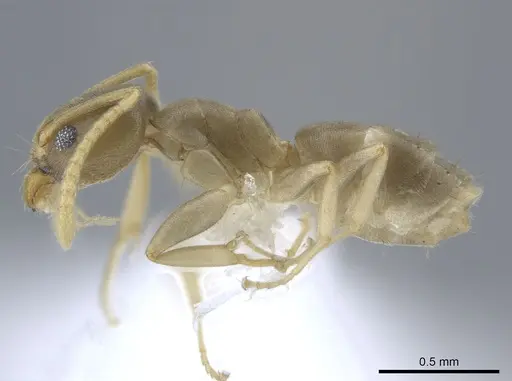
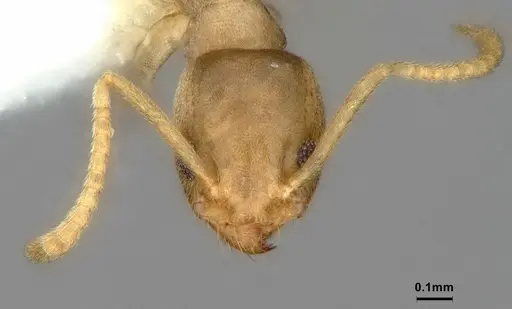
Tapinoma litorale is a tiny, pale yellow to light brown ant native to the Caribbean region and southern Florida. Workers measure just 1.25-1.5 mm, making them one of the smaller ant species you'll encounter . Queens are brachypterous (born with short, non-functional wings) and measure 3-3.5 mm when dealated . This species is arboreal, nesting in thin dead sticks, hollow plant stems, and bromeliads in warm, sunny microhabitats like forest edges and canopy gaps . Colonies are typically polygynous, meaning they have multiple queens living together in the same nest .
Quick Summary
- Difficulty: Easy
- Origin & Habitat: Native to subtropical Florida, the Caribbean region, and northern South America. Found in the Bahamas, Cuba, Dominican Republic, Puerto Rico, Jamaica, Honduras, Panama, Costa Rica, Belize, Mexico, Colombia, Venezuela, and the Florida Keys and mainland south Florida [4][5]. In their native range, they inhabit lowland rainforests and tropical forests, nesting in dead plant cavities, twigs, and bromeliads in highly insolated areas [2].
- Colony Type: Polygynous, colonies typically have multiple dealate queens (often called polygyne). Queens are brachypterous, meaning they have short, non-functional wings [2]. This is a native species with no parasitic behavior documented.
- Size & Growth:
- Queen: 3-3.5 mm [2]
- Worker: 1.25-1.5 mm [1]
- Colony: Estimated under 100 workers based on limited observations. One documented natural nest had only 20 workers in a 5 cm chamber [2].
- Growth: Moderate, small colony size suggests moderate growth rate
- Development: Estimated 6-8 weeks based on patterns in related Tapinoma species, but direct measurements are unconfirmed for this species. (Development time is inferred and may vary with temperature.)
- Antkeeping:
- Temperature: Maintain at 24-28°C, these are tropical/subtropical ants that prefer warm conditions. A heating cable on one side of the nest can create a gentle gradient [4][2].
- Humidity: Keep the nest substrate slightly moist but not waterlogged, as these ants nest in plant cavities that can experience variable moisture. Provide a small water tube for drinking.
- Diapause: No, as a tropical/subtropical species from Florida and the Caribbean, they do not require hibernation. Keep them warm year-round [2].
- Nesting: Arboreal nesters that do well in Y-tong (AAC) nests, plaster nests, or test tube setups with narrow chambers. Provide small twigs or plant material in the outworld to mimic their natural plant cavity nesting sites [3][2].
- Behavior: Generally docile and non-aggressive. Like other Dolichoderinae, they lack a functional stinger, instead, they exude a sticky, foul-smelling substance from an anal gland as a chemical defense. Workers are small and fast-moving. They are arboreal and will readily explore vertical surfaces. Escape prevention is critical due to their tiny 1.25 mm size, they can squeeze through remarkably small gaps [1].
- Common Issues: tiny size means escapes are likely without fine mesh barriers, use mesh with openings no larger than 0.5 mm., small colony size means slow population growth, don't expect rapid expansion., as tropical ants, they may become sluggish or have brood development issues in rooms below 22°C., brood may fail if humidity is too low, ensure the nest substrate stays slightly moist.
Housing and Nest Setup
Tapinoma litorale is an arboreal species that naturally nests in thin dead sticks, hollow plant stems, and bromeliads [2][3]. For captivity, small Y-tong (AAC) nests, plaster nests, or test tube setups with narrow chambers work well, these ants are tiny (workers just 1.25-1.5 mm), so appropriately scaled passages are essential. Include a small piece of dried twig or plant material in the outworld to give them natural nesting options [3]. Because of their small size, escape prevention is critical: use fine mesh (openings ≤0.5 mm) on ventilation holes and apply fluon or a similar barrier to rim edges [1].
Temperature and Heating
These ants come from subtropical Florida and the Caribbean, so they prefer warm conditions. Keep the nest area at 24-28°C for optimal colony activity and brood development [4][2]. A heating cable placed on top of the nest (never underneath, as this can dry out the nest too quickly) can help maintain warmth. Avoid temperatures below 22°C, these tropical ants can become sluggish and may have trouble developing brood in cool conditions [2].
Feeding and Diet
Like other Dolichoderinae ants, Tapinoma litorale likely feeds on honeydew from aphids and scale insects, plus small insects and arthropods [3]. In captivity, offer a mix of sugar sources (sugar water, honey, or diluted maple syrup) and protein (small fruit flies, pinhead crickets, or other tiny insects). Their small size means prey should be appropriately scaled, flightless fruit flies are an excellent choice. Provide a constant sugar source and offer protein prey 2-3 times per week. Remove any uneaten prey after 24 hours to prevent mold. A small water tube should always be available [3].
Colony Structure and Queens
This species is polygynous, meaning colonies naturally have multiple queens. In the wild, most colonies observed have multiple dealate (wingless) queens living together in the same nest [2]. Queens are brachypterous, meaning they are born with short, non-functional wings rather than the long wings typical of most ant species [2]. When keeping this species, you may receive a colony with several queens, this is normal and they coexist peacefully. Do not attempt to separate queens as this is unnecessary and could harm the colony [2].
Behavior and Temperament
Tapinoma litorale is a docile species without a functional stinger. Like all Dolichoderinae ants, they defend themselves by exuding a sticky, foul-smelling substance from an anal gland rather than stinging. Workers are fast-moving and will readily explore their surroundings, including vertical surfaces. They are arboreal by nature and will often climb on plants or other structures in their enclosure. Despite their small size, they are active foragers. They are not aggressive toward keepers. Their tiny size means they are excellent escape artists, always use fine mesh and reliable barriers [3][2].
Frequently Asked Questions
How long does it take for Tapinoma litorale to produce first workers?
The exact development time has not been directly studied for this species. Based on patterns in related Tapinoma species, an estimate of 6-8 weeks from egg to first worker at optimal temperature (24-28°C) is reasonable, but this is speculative. Development will be slower at cooler temperatures.
Can I keep multiple queens together in one colony?
Yes, this species is naturally polygynous, meaning multiple queens live together in the same nest. This is normal behavior for Tapinoma litorale and you should not separate them. Queens are brachypterous (born with short wings) and work together in the colony [2].
What size colony does Tapinoma litorale reach?
Based on available data, colonies remain relatively small. One documented natural nest had only 20 workers in a 5 cm chamber [2]. Expect colonies of under 100 workers in captivity. They are not fast-growing like some larger ant species.
Do Tapinoma litorale need hibernation or diapause?
No, being a tropical/subtropical species from Florida and the Caribbean, they do not require hibernation. Keep them warm year-round at 24-28°C. They are active throughout the year in their native range [4][2].
What do Tapinoma litorale eat?
They accept sugar sources (honey, sugar water, maple syrup) and small protein prey (fruit flies, tiny crickets, small mealworms). Their small size means prey should be appropriately scaled, flightless fruit flies are ideal. They likely also collect honeydew in the wild [3].
Are Tapinoma litorale good for beginners?
Yes, they are relatively easy to care for, docile, and do not require hibernation. The main challenges are their tiny size (requiring excellent escape prevention) and relatively slow colony growth. They are a good choice if you're interested in a small, arboreal tropical species.
When should I move my colony to a formicarium?
Start with a test tube setup. You can move to a small Y-tong (AAC) nest, plaster nest, or 3D-printed nest once the colony reaches 30-50 workers. These ants are arboreal and prefer small, appropriately sized chambers. A naturalistic setup with small twigs or plant material in the outworld helps them feel at home.
Why are my Tapinoma litorale escaping?
Their tiny 1.25 mm worker size means they can squeeze through remarkably small gaps. Use fine mesh (at least 0.5 mm or smaller) on all ventilation. Apply fluon or another barrier grease to all rim edges. Check all connections and lid seals, even tiny gaps will allow escape [1].
Report an Issue
The current care sheet is based fully on literature. See inconsistencies, or something that's incorrect? Please , it will be resolved after review from an admin. Contributing to the blogs tab also helps providing information, to make us be able to further improve the caresheets. Thank you for your support!
References

This caresheet is licensed under CC BY-SA 4.0 .
Community Blogs
CASENT0104532
View on AntWeb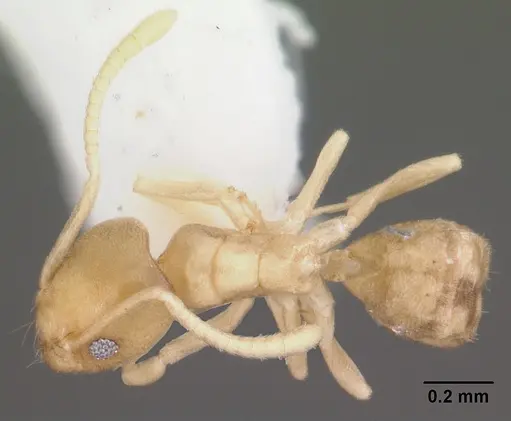
CASENT0104533
View on AntWeb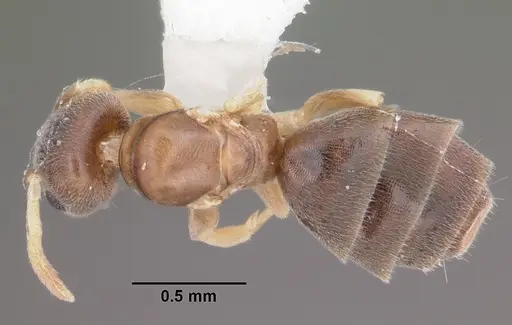
CASENT0105858
View on AntWeb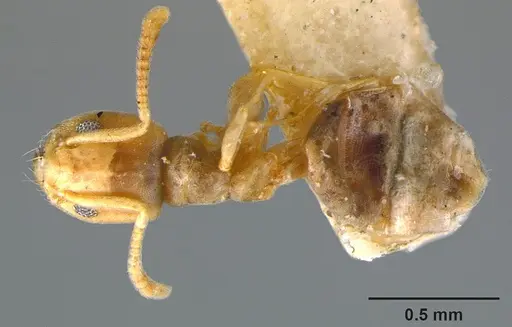
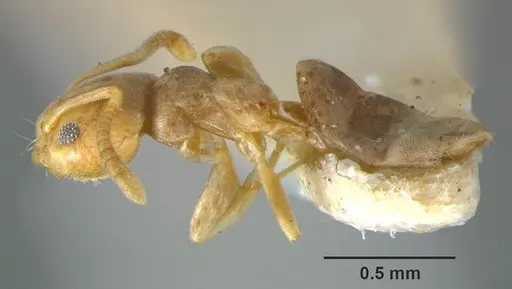
CASENT0249762
View on AntWeb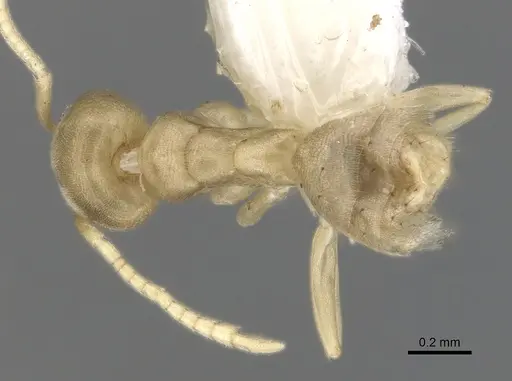
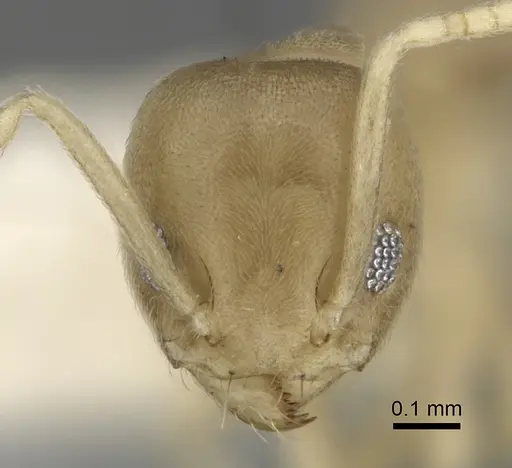
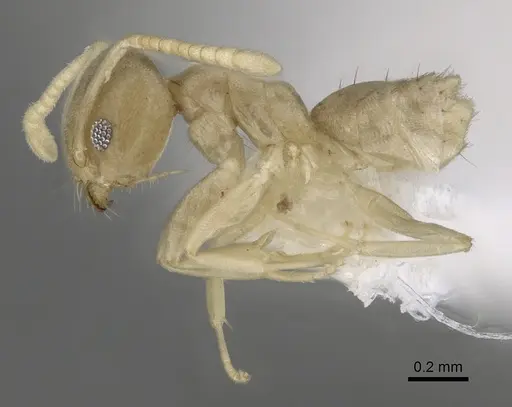
CASENT0249763
View on AntWeb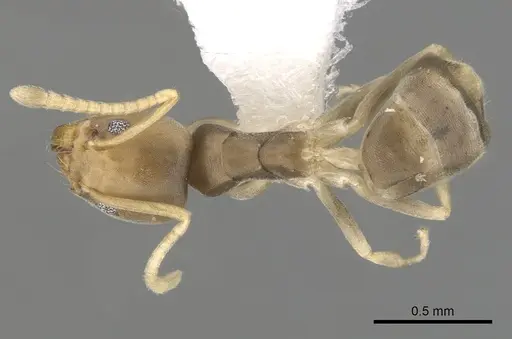
CASENT0651456
View on AntWeb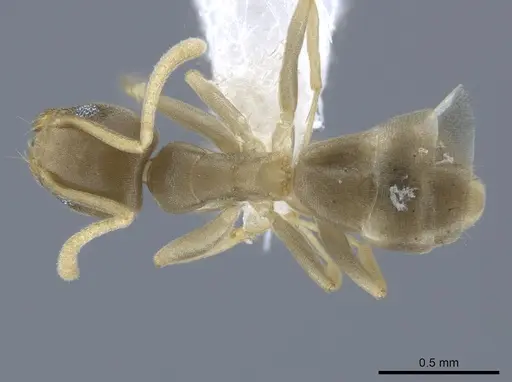
CASENT0886031
View on AntWeb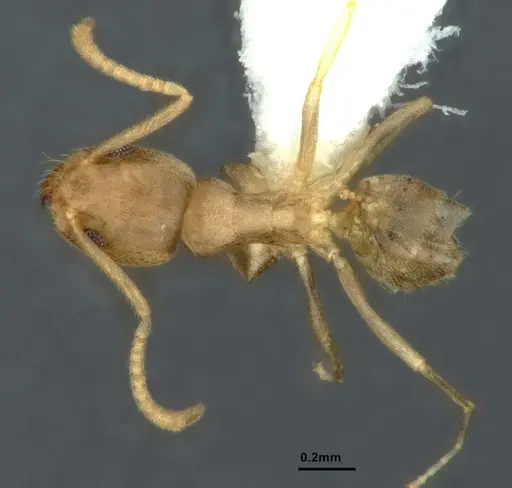
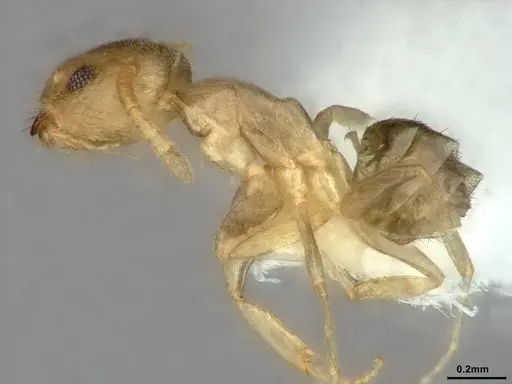
FMNHINS0000078515
View on AntWeb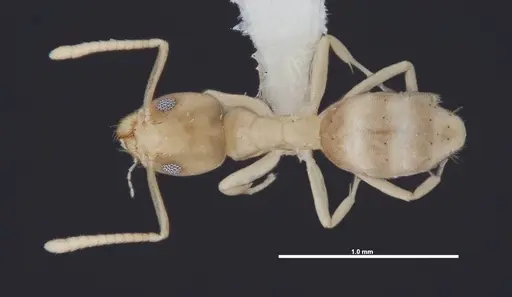
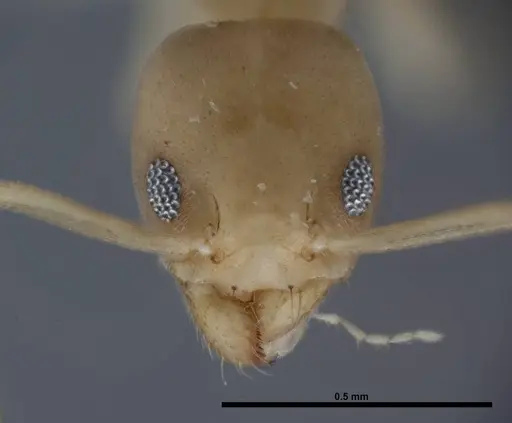
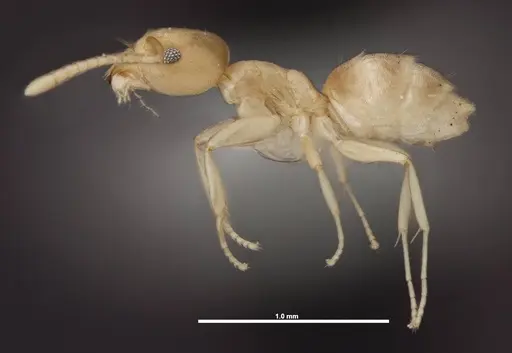
Literature
Loading distribution map...Loading products...