
Tapinoma israele
- Sci. Name
- Tapinoma israele
- Tribe
- Tapinomini
- Subfamily
- Dolichoderinae
- Author
- Forel, 1904
- Distribution
- Found in 1 countries
Introduction
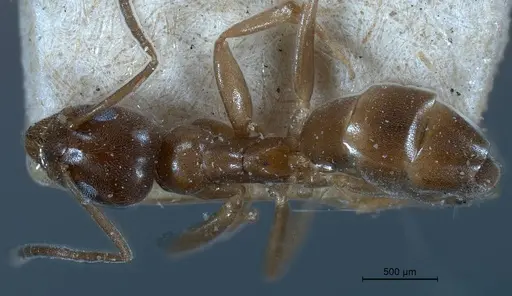
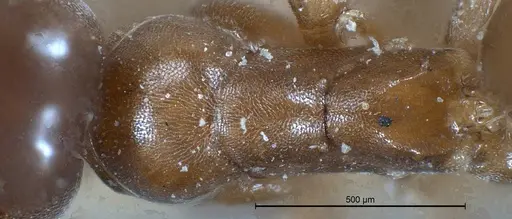
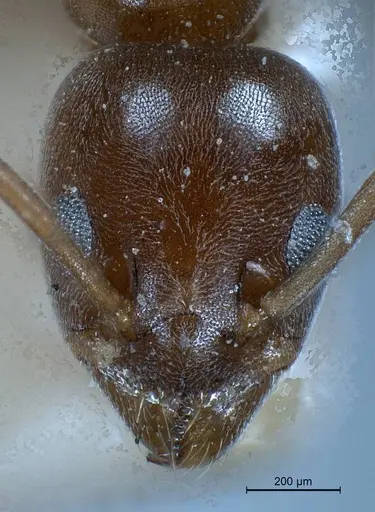
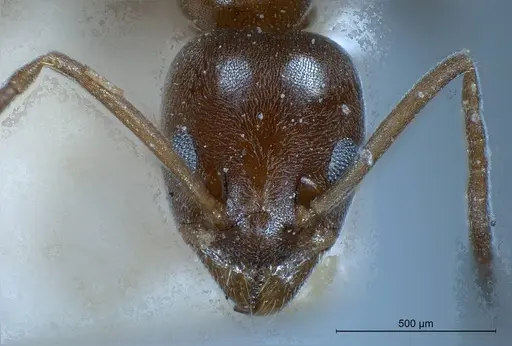
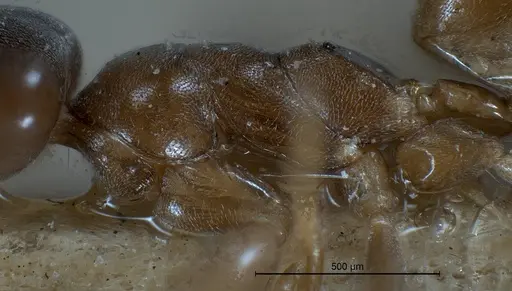
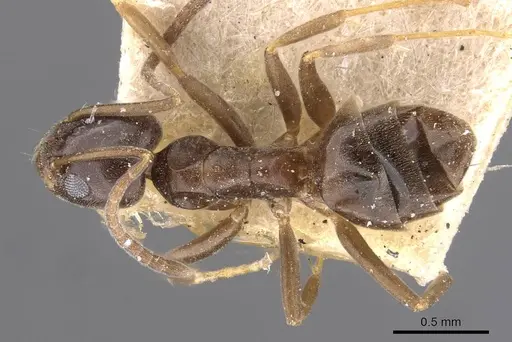
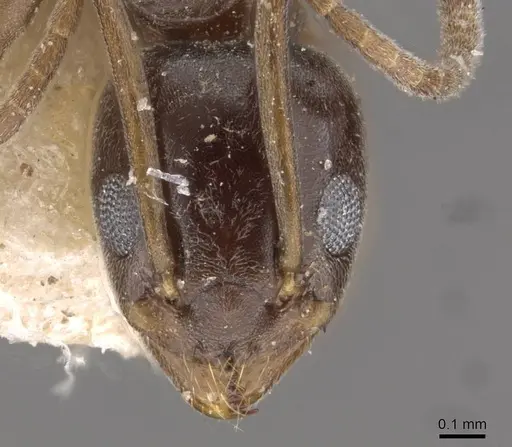
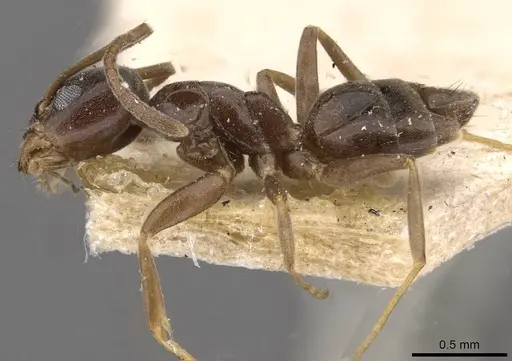
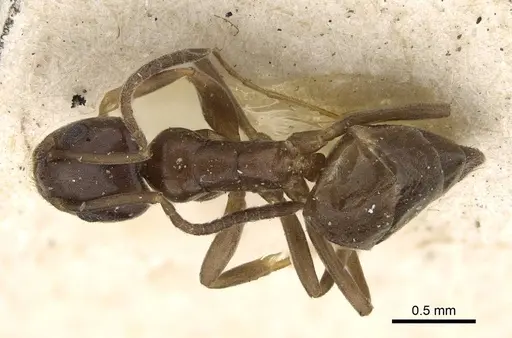
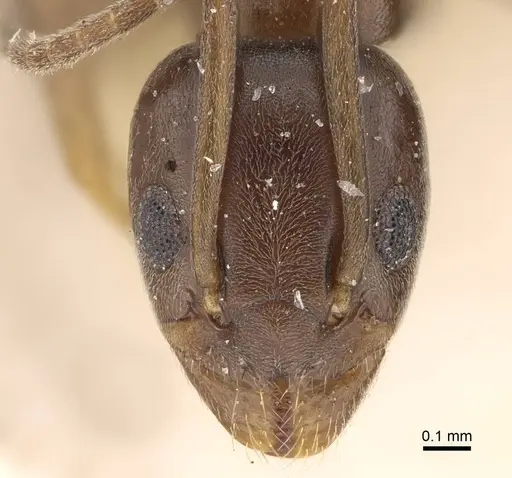
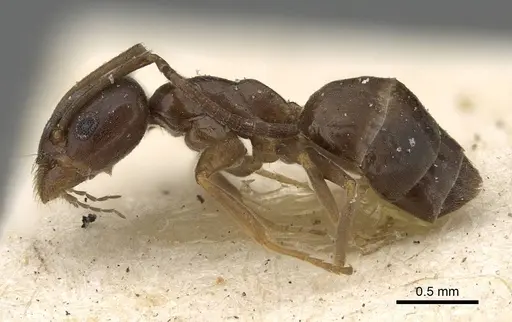
Tapinoma israele is a tiny ant species native to the eastern Mediterranean region. Workers are very small, around 2-3 mm, with an elongated head and pale to reddish-brown coloration typical of the genus . This species was long confused with the similar Tapinoma erraticum before being recognized as distinct . Very little is known about its biology - the only documented nest was found under a stone at the edge of a conifer forest . Belonging to the subfamily Dolichoderinae, these ants lack a stinger and instead defend themselves by exuding a sticky, foul-smelling secretion from an anal gland. This chemical release, often described as a coconut-like odor, is their main deterrent.
Quick Summary
- Difficulty: Easy
- Origin & Habitat: Native to the eastern Mediterranean: Israel (northern Coastal Plain, Jordan Valley, central Coastal Plain, Judean Hills, Golan Heights, Mount Hermon), Jordan, Lebanon, Syria, Cyprus, and Algeria [2][1]. Also recorded once from Crete but that record needs confirmation [3]. Found in dry to semi-dry habitats, typically nesting under stones in open areas and forest edges [1].
- Colony Type: Unconfirmed, colony structure has not been studied for this species. Many Tapinoma are polygynous (multiple queens), but this is only a genus-level guess.
- Size & Growth:
- Queen: ~4-5 mm, estimated from related Tapinoma species [1]
- Worker: ~2-3 mm, estimated from related Tapinoma species [1]
- Colony: Likely up to several hundred workers, estimated from related Tapinoma species [1]
- Growth: Moderate, inferred from genus patterns
- Development: Estimated 6-8 weeks at room temperature (~24°C), based on typical Tapinoma development [1] (Development timeline has not been directly studied for Tapinoma israele.)
- Antkeeping:
- Temperature: Keep at 20-26°C. Their Mediterranean origin means they handle warmth well, but avoid sustained heat above 30°C. A gentle temperature gradient lets workers self-regulate [1].
- Humidity: Low to moderate humidity, match their dry natural habitat. Keep the nest substrate slightly moist but allow it to dry partly between waterings. Avoid waterlogging or constant high humidity [1].
- Diapause: Likely required. Mediterranean species typically need a winter rest of 2-3 months at 10-15°C. Reduce feeding during this time and keep them cool. If you can't provide a true cool season, a slight reduction for 6-8 weeks can still help [1].
- Nesting: In the wild they nest under stones and in soil [1]. In captivity they do well in test tubes (for founding), Y-tong nests, or naturalistic setups with a thin soil layer and flat stones. Provide small, dark chambers scaled to their tiny size.
- Behavior: Generally calm and fast-moving. When disturbed, they release a sticky, foul-smelling secretion from their anal gland, often noticed as a coconut-like odor. They cannot sting, and their bite is negligible. Their tiny size makes them excellent escape artists, so use fine mesh (
- Common Issues: tiny size makes escape likely without fine mesh and tight sealing, very limited scientific data, most care guidance is based on genus-level inference, may be sensitive to excessive humidity causing mold in the nest, winter dormancy requirements are not well-documented for this species, wild-caught colonies may carry parasites or be stressed from collection
Housing and Nest Setup
Tapinoma israele is tiny, so your housing must match their size. Use test tubes for founding colonies, a cotton plug separates the water reservoir from the nesting area, leaving part of the tube open for foraging. For larger colonies, Y-tong (AAC) nests with narrow chambers or naturalistic formicariums with a thin soil layer and a flat stone on top work well. The key is tight-fitting lids and fine mesh (max 1 mm openings), these ants can squeeze through remarkably small gaps. Avoid tall, open spaces, they prefer cozy, dark chambers scaled to their tiny bodies [1].
Feeding and Diet
These ants are opportunistic feeders. Offer a constant carbohydrate source: sugar water, honey diluted 1:3,or maple syrup. For protein, provide small live or pre-killed prey such as fruit flies, pinhead crickets, or tiny mealworm pieces. They also collect honeydew if available. Feed protein 2-3 times per week, removing uneaten food after 24 hours to prevent mold. Because they are so small, even a single drop of sugar water can feed many workers, start with tiny portions and adjust [1].
Temperature and Seasonal Care
Keep the colony at room temperature (20-26°C). They originate from the Mediterranean, so they tolerate warmth but avoid temperatures above 30°C. A heating cable on one side creates a gradient so workers choose their preferred zone. During winter, most Mediterranean ants benefit from a diapause (winter rest) period. Reduce temperatures to 10-15°C for 2-3 months, feed only once every 1-2 weeks, and keep them in a cool place like an unheated garage or basement. This rest helps synchronize their biological cycles and promotes healthy spring growth. If your room stays warm year-round, a slight temperature drop for 6-8 weeks can still be beneficial [1].
Behavior and Handling
Tapinoma israele is fast-moving and skittish rather than aggressive. When threatened, they release a sticky, foul-smelling secretion from their anal gland, often described as a coconut-like odor. This is not formic acid (they lack that gland) and is not dangerous, but can irritate eyes or sensitive skin. They are not biters and pose no real threat to keepers. Their tiny size makes them difficult to handle directly, avoid disturbance. They are excellent escape artists, so always use fluon or similar barriers on nest edges and check that all connections are secure. They prefer dark, enclosed spaces and may abandon bright or exposed areas [1].
Frequently Asked Questions
How long does it take for Tapinoma israele to raise their first workers?
Based on typical Tapinoma development, expect 6-8 weeks from egg to first worker at room temperature (around 24°C). Development may be slower at cooler temperatures. The queen seals herself in a small chamber and raises the first brood alone until nanitic workers emerge [1].
Can I keep multiple queens together in one colony?
Tapinoma species are often polygynous (multiple queens), but there is no data for Tapinoma israele. Many Tapinoma tolerate co-founding, but combining unrelated adult queens is risky, they may fight until one queen dominates. Starting with a single queen is safest. If you want to try multi-queen colonies, introduce them while still in the founding claustral stage [1].
What size colony does Tapinoma israele reach?
Likely up to several hundred workers based on related Tapinoma species. They are not among the largest ant species, but colonies can grow steadily over 1-2 years with proper care. Growth rate is moderate, expect several months to reach 50+ workers from a new queen [1].
Do they need hibernation or winter rest?
Yes, a winter rest period is recommended. Reduce temperatures to 10-15°C for 2-3 months during winter. Reduce feeding significantly during this time. This diapause helps maintain natural biological cycles. If you cannot provide cool temperatures, a slight reduction for 6-8 weeks can still help [1].
Why are my Tapinoma israele escaping?
Their tiny size allows them to squeeze through remarkably small gaps. Use fine mesh (at least 0.5 mm openings), apply fluon to barrier edges, and check all connections between the nest and outworld. Even a tiny crack is enough for them to escape. Also ensure the outworld is not too bright or dry, as they may abandon the nest in search of better conditions [1].
Are Tapinoma israele good for beginners?
Yes, they are considered easy to keep due to their tolerance of varying conditions and non-aggressive nature. The main challenges are their tiny size (escape risk) and the lack of species-specific research. They are forgiving of minor temperature or humidity fluctuations, making them suitable for new antkeepers who have good escape prevention [1].
What do I feed my Tapinoma israele colony?
Offer a mix of sugar sources (honey water, sugar water, maple syrup) and protein (small insects like fruit flies, pinhead crickets, mealworms). Provide sugar constantly and protein 2-3 times per week. Remove uneaten food after 24 hours to prevent mold. They are small, so portion sizes should be tiny [1].
When should I move them from a test tube to a formicarium?
Move them when the colony reaches 30-50 workers and the test tube is becoming crowded. Signs include workers frequently exploring outside the tube, the water reservoir depleting quickly, or the queen staying near the tube entrance. Ensure the new enclosure has appropriately small chambers and escape prevention [1].
Report an Issue
The current care sheet is based fully on literature. See inconsistencies, or something that's incorrect? Please , it will be resolved after review from an admin. Contributing to the blogs tab also helps providing information, to make us be able to further improve the caresheets. Thank you for your support!
References

This caresheet is licensed under CC BY-SA 4.0 .
Community Blogs
Literature
Loading distribution map...Loading products...