
Tapinoma emeryi
- Sci. Name
- Tapinoma emeryi
- Tribe
- Tapinomini
- Subfamily
- Dolichoderinae
- Author
- Ashmead, 1905
- Distribution
- Found in 0 countries
Introduction
Tapinoma emeryi is a small ant species native to the Philippines, first described in 1905 and recently transferred from the genus Pseudaphomomyrmex to Tapinoma in 2007 . Queens measure approximately 3.7mm in total length and have a uniform dull yellow coloration throughout their body . The petiole is extremely reduced with no trace of a node or scale, a characteristic feature of the genus Tapinoma . This species belongs to the Dolichoderinae subfamily, meaning they lack a functional stinger and instead defend themselves by exuding sticky, foul-smelling compounds from an anal gland. This is a poorly documented species with limited available research. The entire known distribution is the Philippines, specifically recorded from Manila . Workers have not been described in scientific literature, and colony structure, founding behavior, and specific care requirements remain unstudied. Based on genus patterns and their tropical Philippine distribution, they likely prefer warm, humid conditions typical of lowland forest ants in that region.
Quick Summary
- Difficulty: Medium
- Origin & Habitat: Native to the Philippines (Indomalaya region), specifically documented from Manila [1]. Likely inhabits lowland tropical environments.
- Colony Type: Unconfirmed, colony structure (single-queen or multi-queen) has not been documented in scientific literature.
- Size & Growth:
- Queen: ~3.7 mm total length [1][2]
- Worker: Unknown, workers have not been described in available research
- Colony: Unknown, no colony size data available
- Growth: Unknown
- Development: Unconfirmed, no direct development data exists. Based on related tropical Tapinoma species, estimate 4-8 weeks at optimal temperature. (Development timeline is unconfirmed for this specific species. Related tropical Dolichoderines typically develop faster than temperate species due to year-round warm conditions.)
- Antkeeping:
- Temperature: Keep at 24-28°C [3], this matches their tropical Philippine habitat. A slight gradient allowing workers to self-regulate is beneficial.
- Humidity: Maintain moderate to high humidity. Keep the nest substrate consistently moist but not waterlogged. Their tropical origin suggests damp conditions [3].
- Diapause: Unlikely, being a tropical species from the Philippines, they probably do not require a true diapause. However, slight seasonal reduction in activity during cooler months may occur.
- Nesting: No specific nesting data exists. Based on genus patterns, they likely nest in soil, under stones, or in rotting wood. A naturalistic setup with moist substrate or a Y-tong/plaster nest works well for tropical Tapinoma species.
- Behavior: Temperament is not documented, but most Tapinoma species are relatively docile and not aggressive. They are small ants and may be skittish. Escape prevention should be taken seriously due to their small size, use fine mesh barriers. As Dolichoderines, they exude sticky, foul-smelling compounds when threatened but pose no serious danger to keepers.
- Common Issues: limited documentation makes specific care guidance uncertain, escape prevention is important due to small size, tropical humidity requirements may promote mold in enclosed nests, colony size and growth rate are unknown, making feeding schedules difficult to optimize, no documented nuptial flight timing makes captive breeding challenging
Appearance and Identification
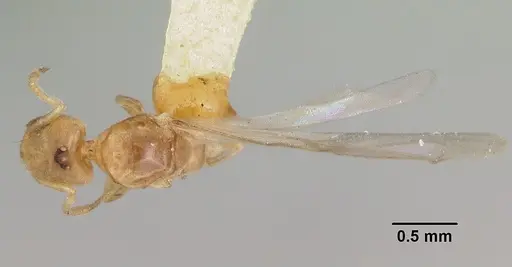
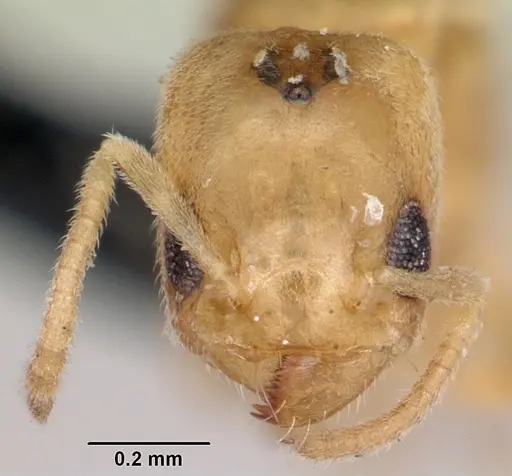
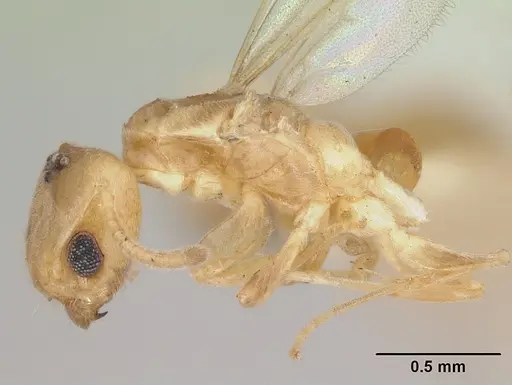
Tapinoma emeryi is a small ant species with queens measuring approximately 3.7mm in total length [1][2]. The body is a uniform dull yellow color throughout, with no distinctive markings [1]. The head is roughly rectangular in full-face view with very feebly convex sides [1]. A key identifying feature is the extremely reduced petiole, there is no trace of a node or scale when viewed in profile [1]. The petiole is so reduced that it appears as just a short raised surface immediately behind the peduncle [1]. The gaster (abdomen) has fine appressed pubescence and the fifth gastral tergite is reflexed, folded back and down below the fourth tergite [1]. Workers of this species have not been described in available scientific literature, so keeper colonies may show some variation from the described queen morphology.
Distribution and Habitat
This species is known only from the Philippines, making it an endemic species to that region [4]. The type specimen was collected in Manila, the capital city, suggesting it may tolerate disturbed or urban environments [1][2]. As a tropical ant from the Philippine archipelago, they likely inhabit lowland areas with warm temperatures and high humidity year-round. The Philippines has a tropical climate with average temperatures of 25-32°C and high rainfall, especially during monsoon season. This species has not been recorded from other locations, suggesting it may have limited distribution within the islands or may be under-sampled.
Temperature and Care
Since this species comes from the tropical Philippines, keep your colony at warm temperatures in the range of 24-28°C [3]. This matches their natural environment where temperatures remain relatively stable year-round. A heating cable on one side of the nest can create a temperature gradient, allowing workers to move between warmer and cooler areas as needed. Avoid temperatures below 20°C for extended periods as this species is not adapted to cool conditions. Room temperature within this range is acceptable if your home is naturally warm, otherwise, provide gentle supplemental heating. Monitor colony activity, if workers seem sluggish, slightly increase the temperature.
Humidity and Nesting
Maintain moderate to high humidity [3]. The nest substrate should remain consistently moist but not waterlogged, damp to the touch with some slightly drier areas available for the ants to choose. Their tropical origin suggests they prefer damp conditions. For nesting setups, a naturalistic terrarium with moist soil or a Y-tong/plaster nest both work well for tropical Tapinoma species. Ensure adequate ventilation to prevent stagnant air while maintaining humidity. Mist the nest area periodically when the substrate surface begins drying, but avoid creating standing water.
Feeding and Diet
Specific dietary preferences for Tapinoma emeryi have not been documented, but most Tapinoma species are omnivorous and readily accept sugar sources and protein [3]. Offer sugar water, honey, or diluted maple syrup as a constant carbohydrate source. For protein, provide small insects like fruit flies, small mealworms, or cricket pieces. Feed protein 2-3 times per week, adjusting based on colony size and consumption. Remove uneaten prey after 24-48 hours to prevent mold. Since this is a small species, ensure prey items are appropriately sized, tiny insects and arthropods are more appropriate than large prey items.
Behavior and Temperament
Tapinoma emeryi belongs to the Dolichoderinae subfamily, which means they do not have a functional stinger. Instead, when threatened, workers exude sticky, foul-smelling compounds (cyclopentanoid monoterpenes) from their anal gland. This is not dangerous to humans but can be irritating if it gets in eyes. Most Tapinoma species are relatively docile and not prone to aggressive behavior toward keepers. They are small ants and may be somewhat skittish, quickly retreating when disturbed. Workers likely forage individually or use simple recruitment rather than complex tandem running. Escape prevention is important due to their small size, use fine mesh on any openings and ensure container rims are smooth and barrier-coated if needed.
Frequently Asked Questions
How long does it take for Tapinoma emeryi to produce first workers?
The exact development timeline is unconfirmed for this species. Based on related tropical Tapinoma species, expect approximately 4-8 weeks from egg to first worker at optimal warm temperatures (around 26°C). The first workers (nanitics) will typically be smaller than mature workers.
Can I keep Tapinoma emeryi in a test tube setup?
Since founding behavior is unconfirmed, a test tube setup is a reasonable starting point if the queen is claustral. Observe the queen's behavior and only move to a larger setup once the colony clearly outgrows the test tube. Maintain warm temperatures and provide a dark cover for the test tube.
What temperature do Tapinoma emeryi need?
Keep them warm at 24-28°C to match their tropical Philippine habitat [3]. A slight temperature gradient is beneficial so workers can self-regulate. Avoid temperatures below 20°C for extended periods.
Are Tapinoma emeryi good for beginners?
This species is rated as Medium difficulty primarily because it is poorly documented in scientific literature, making specific care guidance uncertain. However, following general tropical ant care principles (warm temperatures, moderate-high humidity, standard omnivorous diet) should yield success. They are smaller ants requiring good escape prevention.
How big do Tapinoma emeryi colonies get?
Colony size is not documented in available research. Based on related Tapinoma species, colonies likely reach several hundred workers over time, but this is unconfirmed. Growth rate is unknown but tropical species typically develop faster year-round than temperate species.
Do Tapinoma emeryi need hibernation?
No, hibernation is not required. As a tropical species from the Philippines, they do not experience cold winters that would trigger diapause. They may show slightly reduced activity during cooler months but no special overwintering preparation is needed.
What do Tapinoma emeryi eat?
Specific dietary preferences are unconfirmed, but most Tapinoma species are omnivorous. Offer sugar water or honey as a constant carbohydrate source and small insects (fruit flies, small mealworms) as protein 2-3 times per week.
Can I keep multiple queens together?
Colony structure (single-queen vs multi-queen) has not been documented for this species. It is not recommended to combine unrelated foundress queens as aggression is likely. If your colony was founded by a single queen, maintain single-queen conditions.
Why are my Tapinoma emeryi dying?
Common causes include: temperatures too low (below 20°C), humidity too low or too high (aim for damp not wet), poor escape prevention allowing escapes, mold from overwatering or poor ventilation, or stress from excessive disturbance. Review each parameter and adjust accordingly.
Report an Issue
The current care sheet is based fully on literature. See inconsistencies, or something that's incorrect? Please , it will be resolved after review from an admin. Contributing to the blogs tab also helps providing information, to make us be able to further improve the caresheets. Thank you for your support!
References

This caresheet is licensed under CC BY-SA 4.0 .
Community Blogs
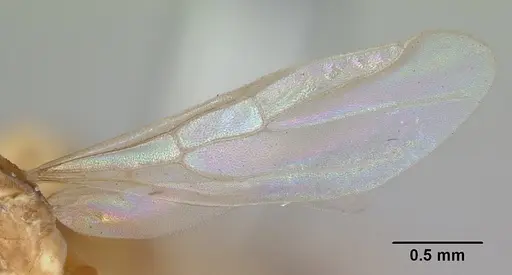
CASENT0103347
View on AntWeb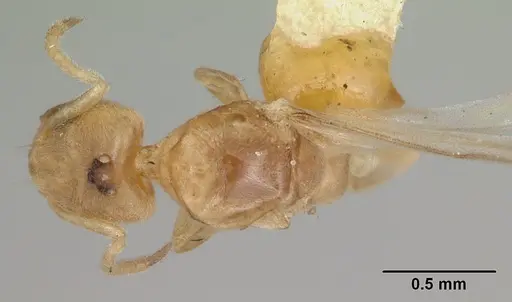
Literature
Loading distribution map...Loading products...