
Tapinoma demissum
- Sci. Name
- Tapinoma demissum
- Tribe
- Tapinomini
- Subfamily
- Dolichoderinae
- Author
- Bolton, 1995
- Distribution
- Found in 5 countries
Introduction
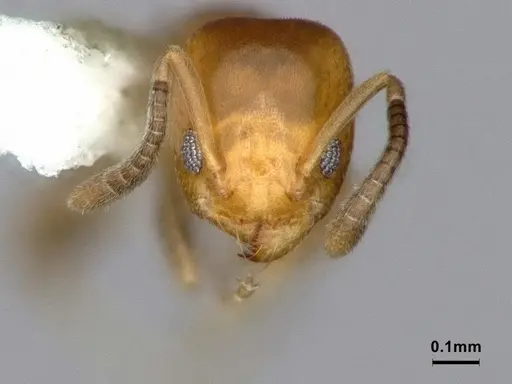
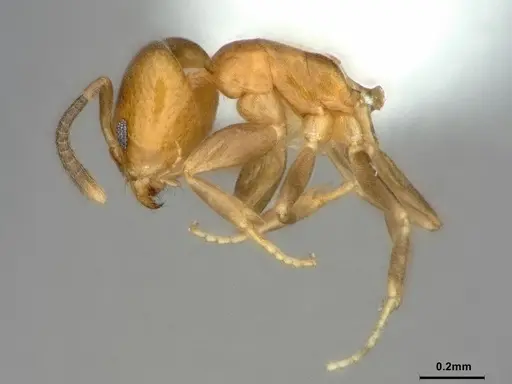
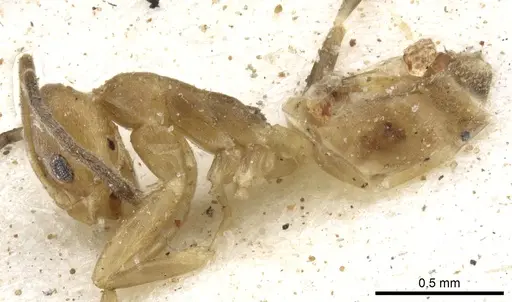
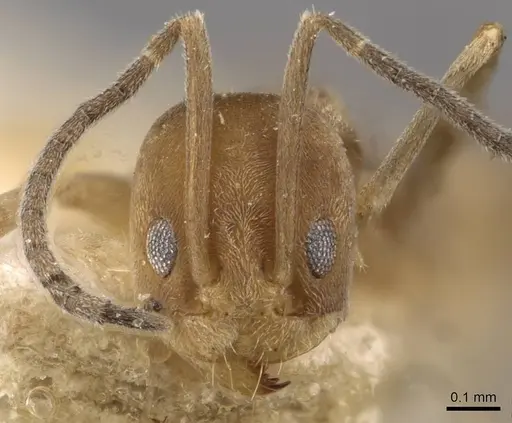
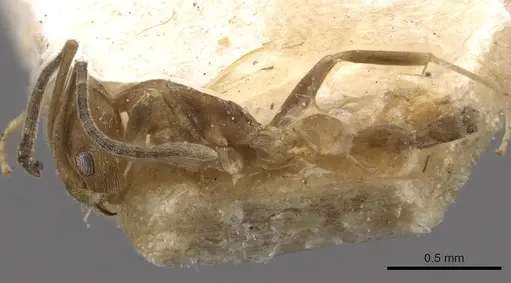
Tapinoma demissum is a small ant species native to the Afrotropical region, found primarily in Zimbabwe and Tanzania, with records from Senegal as well . Workers are tiny and typically dark brown to black. As a member of the Dolichoderinae subfamily, these ants lack a functional stinger and instead defend themselves by exuding a sticky, foul-smelling secretion from their anal glands. The species was originally described as Tapinoma gracile in 1913 but was renamed in 1995 because the name was already taken . These ants are ground-nesting species found in African savannah habitats, often nesting in soil and occasionally in abandoned termite nests under acacia trees . They forage on savannah trees including Vachellia and Dichrostachys species . While specific colony data is limited, Tapinoma species are typically fast-moving and can form moderate-sized colonies. This species remains relatively unknown in both scientific literature and the antkeeping hobby, making it an unusual choice for collectors interested in less common African species.
Quick Summary
- Difficulty: Medium
- Origin & Habitat: Afrotropical region, Zimbabwe, Tanzania, and Senegal. Found in savannah habitats, nesting in soil or abandoned termite nests under acacia trees [1][3].
- Colony Type: Colony structure is unconfirmed. Based on typical Tapinoma patterns, likely single-queen colonies (monogyne), though this has not been directly documented for this species.
- Size & Growth:
- Queen: ~5-7 mm, inferred from Tapinoma genus patterns
- Worker: ~2-3 mm, inferred from Tapinoma genus patterns
- Colony: Unknown for this specific species. Related Tapinoma species typically form colonies of several hundred to a few thousand workers.
- Growth: Moderate, estimated based on genus patterns
- Development: Estimated 6-8 weeks at optimal temperature based on typical Dolichoderinae development (Development timeline is not directly documented for T. demissum, this is an estimate based on related species)
- Antkeeping:
- Temperature: Keep at 24-28°C, these are African savannah ants that prefer warm conditions. A heating cable on one side of the nest can create a temperature gradient.
- Humidity: Keep the nest substrate slightly moist but allow some drying areas. Being savannah nesters, they don't need constantly wet conditions, avoid waterlogging.
- Diapause: Full hibernation is not expected for this African species. You may notice reduced activity during cooler months, but this is normal and they recover when temperatures rise.
- Nesting: Soil-nesting species. In captivity, use a naturalistic setup with soil, a Y-tong (AAC) nest with tight chambers, or a plaster nest. They prefer enclosed, dark spaces. Avoid overly wet conditions that could cause mold [1]
- Behavior: These ants are fast-moving and active foragers. They are not particularly aggressive toward humans but will exude sticky, foul-smelling secretions from their anal glands when threatened. Being very small, escape prevention is important, they can squeeze through tiny gaps. Workers typically forage on vegetation and the ground in search of honeydew and small insects.
- Common Issues: escape prevention is critical due to their very small size, use fine mesh and tight-fitting lids, limited availability in the antkeeping hobby since it's rarely kept or bred, specific care requirements are not well-documented, requiring careful observation, wild-caught colonies may carry parasites that can cause colony failure, overheating can be more dangerous than mild underheating, avoid temperatures above 32°C
Housing and Nest Setup
Tapinoma demissum is a soil-nesting species that prefers enclosed, dark spaces for their nest chambers [1]. In captivity, you can use a naturalistic setup with a soil-filled container, a Y-tong (AAC) nest with tight chambers, or a plaster nest. The key is providing appropriately sized chambers, these are small ants that feel secure in compact spaces. Avoid tall, open spaces that might stress them.
For the outworld (foraging area), use a standard container with smooth walls to prevent climbing escape. However, because of their tiny size, excellent escape prevention is essential. Apply Fluon or similar barrier to the upper rim of the outworld and use fine mesh on any ventilation holes. A small water test tube connected to the nest provides hydration, replace it when empty or when the water level gets low.
The nest substrate should hold some moisture but drain well. A mix of sandy soil and coco fiber works well for maintaining appropriate humidity without becoming waterlogged.
Feeding and Diet
Like most Tapinoma species, T. demissum likely has an omnivorous diet. In the wild, they forage for honeydew from aphids and scale insects on savannah vegetation, and they also hunt small insects. Provide a varied diet including sugar sources (honey water, sugar water) and protein (small insects like fruit flies, pinhead crickets, or mealworms).
Feed sugar water or honey water constantly, replace every 2-3 days to prevent fermentation. Offer protein prey 2-3 times per week, removing any uneaten prey within 24 hours. Since these ants are small, prey items should be appropriately sized, tiny insects and arthropods are ideal. Observe your colony's preferences and adjust feeding frequency accordingly.
Fresh water should always be available. A cotton ball in a test tube works well for hydration without drowning risk.
Temperature and Seasonal Care
As an African savannah species from Tanzania and Zimbabwe, Tapinoma demissum prefers warm conditions. Keep the nest area at 24-28°C for optimal activity and brood development. A heating cable placed on one side of the nest creates a temperature gradient that allows the ants to self-regulate their temperature.
Avoid temperatures above 32°C as this can stress or kill the colony. Room temperature (around 22-24°C) is acceptable if your home stays in this range, but activity and growth may be slower. During winter months in cooler climates, you may notice reduced activity, this is normal for many tropical ants and does not require full hibernation.
Monitor your colony's behavior. If workers cluster near the heated side, they're seeking warmth. If they avoid the heated area entirely, the temperature may be too high. Adjust gradually to find the sweet spot for your specific colony. [1]
Behavior and Handling
Tapinoma demissum workers are fast-moving and active, characteristic of the genus. They are not particularly aggressive but will defend themselves by exuding a sticky, foul-smelling secretion from their anal glands, a chemical defense mechanism common to all Dolichoderinae ants. This secretion can irritate skin and eyes, so avoid putting your face close to the colony and wash hands after handling.
These ants are skilled foragers and will establish trails to food sources. They're smaller than many common pet ants, so their movements can appear frantic. They're not known for being particularly shy and will often forage in the open.
Escape prevention is critical due to their tiny size. Even small gaps that other ants couldn't pass through may allow these ants to escape. Double-check all connections between nest and outworld, and use appropriate barriers.
Frequently Asked Questions
How long does it take for Tapinoma demissum to raise their first workers?
The exact timeline is not documented for this species, but based on typical Dolichoderinae development, expect around 6-8 weeks from egg to first worker at optimal temperature (24-28°C). Growth rate is moderate, be patient during the founding stage as the colony establishes itself.
Can I keep multiple queens together in one colony?
The colony structure of T. demissum has not been directly studied. Based on typical Tapinoma behavior, single-queen colonies are most common. Combining unrelated queens is not recommended as it may lead to aggression. If you start with a single queen, do not attempt to introduce additional queens later.
What size colony does Tapinoma demissum reach?
Colony size is not well-documented for this specific species. Based on related Tapinoma species, colonies likely reach several hundred to a few thousand workers at maturity. Growth is moderate, expect 1-2 years to reach moderate size.
Are Tapinoma demissum good for beginners?
This species is rated as medium difficulty. While not the most challenging species, T. demissum is rarely kept in the hobby and specific care requirements are not well-documented. This means you'll need to rely on genus-level knowledge and careful observation. If you're experienced with other Tapinoma or small ant species, this can be a rewarding unusual species to try.
What temperature is best for Tapinoma demissum?
Keep nest temperatures between 24-28°C. These are African savannah ants that prefer warm conditions. A heating cable on part of the nest can help maintain these temperatures, especially in cooler climates or during winter. Avoid temperatures above 32°C.
How often should I feed Tapinoma demissum?
Provide sugar water or honey water constantly, replace every 2-3 days. Offer protein (small insects) 2-3 times per week. Remove uneaten prey within 24 hours to prevent mold. Adjust based on colony size, larger colonies will consume more food.
Why are my Tapinoma demissum escaping?
Their small size makes them excellent escape artists. Use fine mesh on all ventilation, apply Fluon or similar barrier to container rims, and ensure all connections between nest and outworld are tight. Check for tiny gaps that might not be obvious, these ants can pass through gaps smaller than 1mm.
Do Tapinoma demissum need hibernation?
Full hibernation is not expected for this African species. However, you may notice reduced activity during cooler months. If your room temperature drops significantly in winter, the colony may become less active and consume less food. This is normal and they should recover when temperatures rise.
Where is Tapinoma demissum found in the wild?
This species is native to the Afrotropical region, specifically Zimbabwe and Tanzania, with records from Senegal as well. They live in savannah habitats, nesting in soil or abandoned termite nests under acacia trees [1][3].
Report an Issue
The current care sheet is based fully on literature. See inconsistencies, or something that's incorrect? Please , it will be resolved after review from an admin. Contributing to the blogs tab also helps providing information, to make us be able to further improve the caresheets. Thank you for your support!
References

This caresheet is licensed under CC BY-SA 4.0 .
Community Blogs
CASENT0280675
View on AntWeb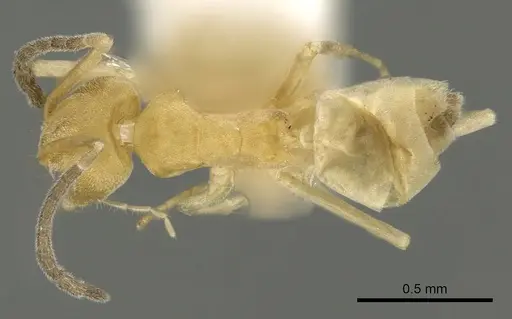
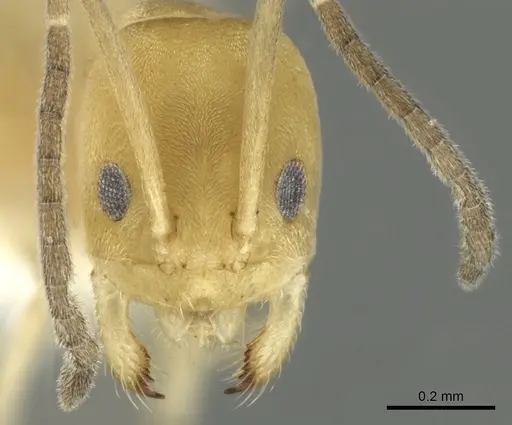
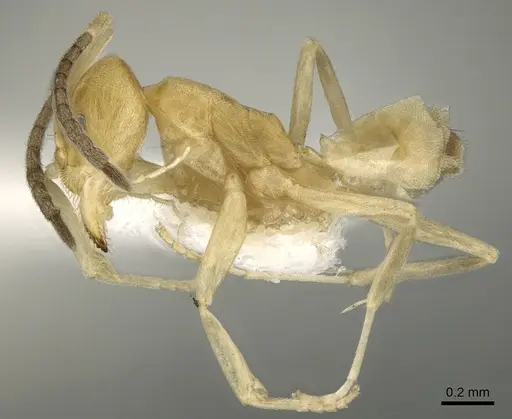
CASENT0886030
View on AntWeb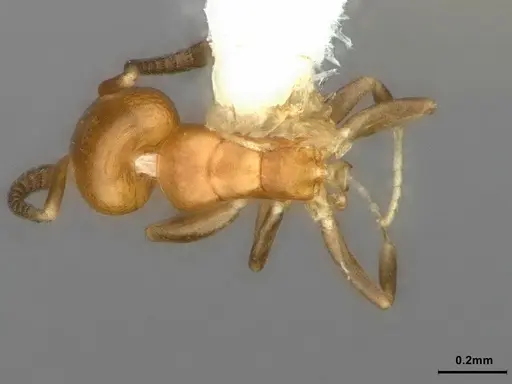
CASENT0903071
View on AntWeb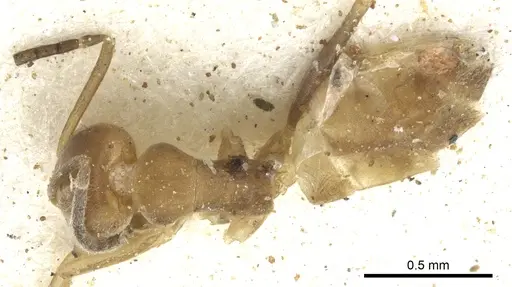
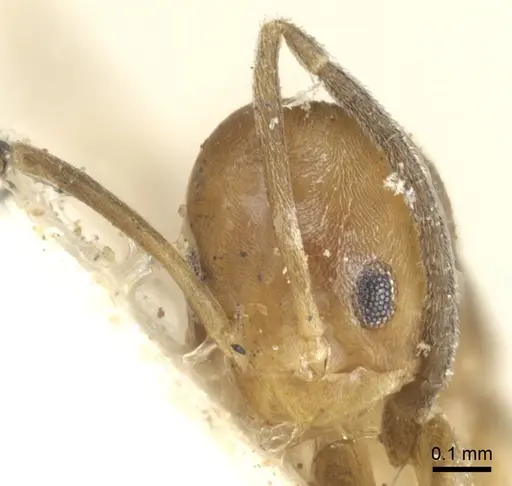
CASENT0909773
View on AntWeb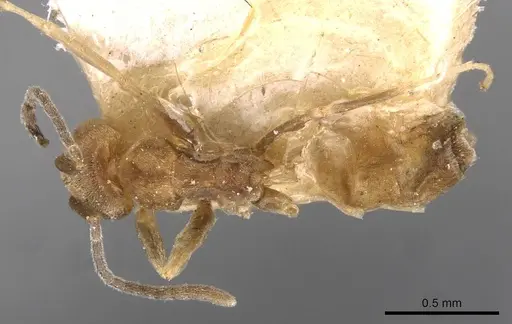
Literature
Loading distribution map...Loading products...