
Danitsch's Coconut ant
Tapinoma danitschi
- Sci. Name
- Tapinoma danitschi
- Tribe
- Tapinomini
- Subfamily
- Dolichoderinae
- Author
- Forel, 1915
- Common Name
- Danitsch's Coconut ant
- Distribution
- Found in 3 countries
Introduction
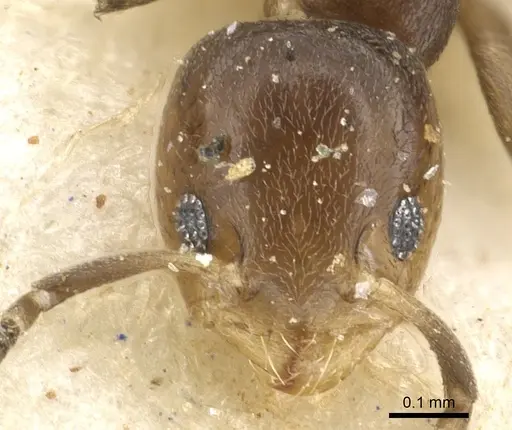
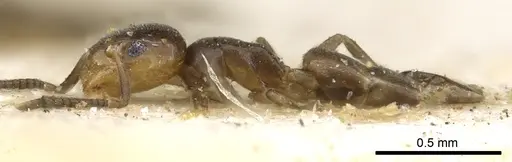
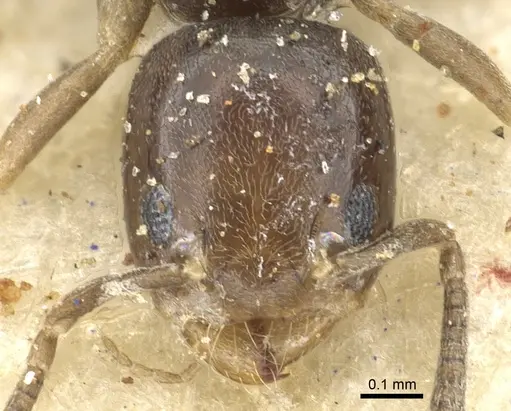
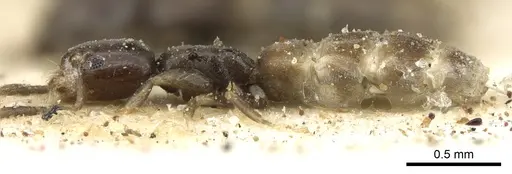
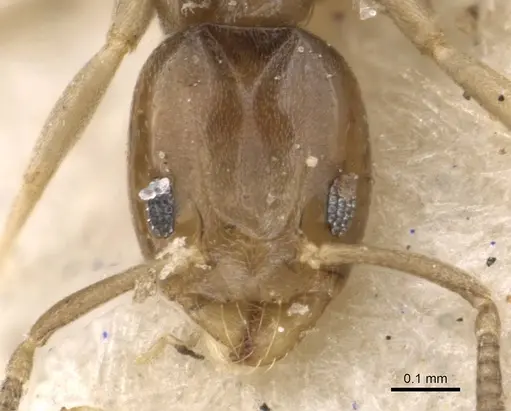
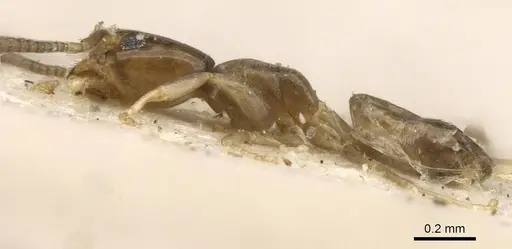
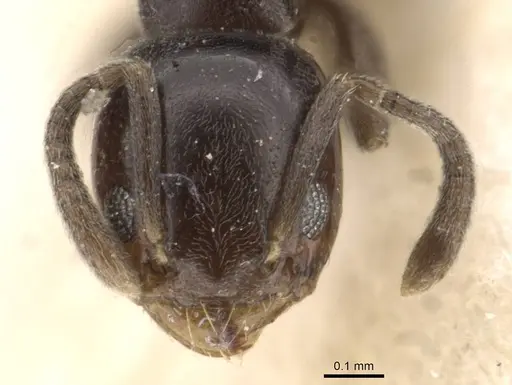
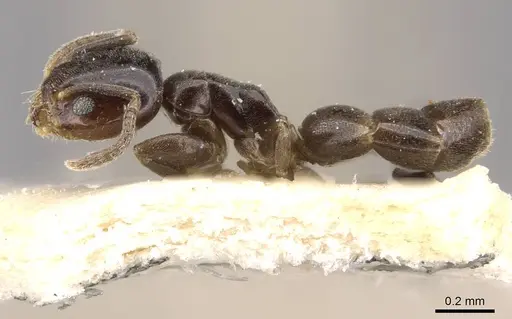
Tapinoma danitschi is a tiny ant native to the Afrotropical region, recorded from South Africa, Tanzania, Rwanda, and Kenya . Workers are only 1.5mm in total length, making them one of the smallest ants you can keep . They are dark brown to black with lighter brown legs and antennae . As a member of the Dolichoderinae subfamily, they lack a functional stinger and instead use a sticky, foul-smelling chemical defense from an anal gland - they 'smear' rather than spray. They are found in savanna habitats, often nesting in trees like Vachellia (acacia) and Lannea schweinfurthii . Because of their tiny size and arboreal lifestyle, they need specialized care. Their small size makes escape prevention extremely difficult, and their tree-nesting habits mean you must provide vertical climbing spaces rather than deep soil nests. Very little is known about this species in captivity, so you'll need to experiment and observe closely.
Quick Summary
- Difficulty: Hard
- Origin & Habitat: Savanna ecosystems in South Africa, Tanzania, Rwanda, and Kenya. Commonly found on trees such as Vachellia and Lannea schweinfurthii [1][2].
- Colony Type: Unknown for this species. Based on typical Tapinoma patterns, likely monogyne (single queen), but no species-specific data exists.
- Size & Growth:
- Queen: Size data unavailable, queens are probably slightly larger than workers based on genus patterns, but no measurements have been published.
- Worker: 1.5 mm TL (total length) [1]
- Colony: Unknown, no published data on mature colony size
- Growth: Unknown
- Development: Unknown, not studied for this species (There are no studies on development time for Tapinoma danitschi. Any timeline for small tropical Dolichoderinae is purely speculative.)
- Antkeeping:
- Temperature: Unknown, but they come from warm savanna habitats. Keep at roughly 22-28°C with a gradient to let the colony choose their preferred spot. Avoid temperatures below 18°C.
- Humidity: Arboreal species, likely moderate humidity. Provide a gradient: one area of the nest kept slightly moist, the rest dry. Avoid waterlogging.
- Diapause: Unknown, tropical origin suggests no true diapause, but this has not been studied. They may slow down in cooler months.
- Nesting: Arboreal, they naturally nest in trees and woody material. Best kept in Y-tong (AAC) nests, plaster nests with climbing structures, or naturalistic setups with branches. Avoid deep soil formicariums.
- Behavior: Generally peaceful and non-aggressive toward keepers. They do not sting, instead they smear a foul-smelling chemical when threatened. Their tiny size means they pose no danger to humans, but escape prevention is critical. They are active foragers that search for honeydew and small prey.
- Common Issues: escape prevention is the biggest challenge, they are only 1.5mm and can squeeze through gaps you cannot see., very little published care information exists, so you will need to experiment with conditions., they are arboreal and do not do well in soil setups, provide vertical space., their tiny size makes observation difficult without good lighting or magnification., wild-caught colonies may carry parasites that can spread to other ants.
Housing and Nest Setup
Tapinoma danitschi is an arboreal species, they nest in trees, not in soil. In captivity, they do best in Y-tong (AAC) or plaster nests with multiple chambers and climbing surfaces like cork bark or twigs. Avoid deep soil setups, these tiny ants can get lost in thick substrate.
Escape prevention is the most critical part of setup. At just 1.5 mm [1], workers can squeeze through gaps that seem impossibly small. Use the finest mesh you can find (0.3mm or tighter) on all ventilation holes. Seal all lid seams and connection points with silicone tape or a barrier of fluon/PTFE. A test tube works for small founding colonies, but you will need to connect multiple tubes or switch to an arboreal nest as the colony grows. Provide vertical space, they like to climb.
Feeding and Diet
In the wild, Tapinoma danitschi is found on savanna trees where it likely tends aphids and scale insects for honeydew [1]. They also hunt small prey. In captivity, offer a constant source of sugar water or honey, and small protein sources like fruit flies, pinhead crickets, or tiny mealworms. Because they are so small, prey must be appropriately sized, a regular cricket is far too large. Feed protein once or twice a week, and keep sugar water available at all times. Commercial ant foods formulated for tiny species can also work.
Temperature and Seasonal Care
Because they come from tropical savannas, Tapinoma danitschi likely prefers warm conditions, but no specific temperature requirements have been published. Aim for 22-28°C and provide a gentle gradient so the colony can choose their comfort zone. They may become sluggish below 20°C. Do not place the nest in direct sunlight or near heat sources. A heat mat placed on one side of the nest can create a gradient.
There is no data on diapause (hibernation) for this species. Given their tropical origin, they probably do not need a true cold period. However, if you keep them in a region with cold winters and heated rooms, they may slow down in winter but will likely remain active. No hibernation setup is required.
Behavior and Colony Dynamics
Tapinoma danitschi is generally peaceful and not aggressive toward keepers. They do not have a functional stinger, instead, they use a 'smear' defense, secreting a sticky, foul-smelling compound from their anal gland when threatened. This can irritate skin but is not dangerous. Their tiny size means they pose no threat to humans.
Colony founding behavior has not been documented. Most Dolichoderinae are claustral (the queen raises the first brood on stored reserves), but this is not confirmed for this species. Colony size in the wild is unknown, no studies have reported mature colony sizes. Based on the scarcity of records, colonies are likely small to moderate. Their growth rate is unknown. They maintain organized foraging trails and are active during the day.
Handling and Observation
Due to their 1.5 mm size, observing Tapinoma danitschi requires good lighting and maybe a magnifying glass or macro lens. They are best suited for keepers who enjoy close observation rather than large display colonies. When cleaning or moving the setup, use gentle air puffs rather than tapping, they are fragile.
Do not try to handle them directly. Enjoy watching their behavior through the nest walls. Their small size means they can be easily overlooked, but they are active and interesting once you tune into their scale. [1]
Frequently Asked Questions
How long does it take for Tapinoma danitschi to produce first workers?
This is unknown. No studies have been done on development time for this species. Any timeline is pure guesswork. Be patient and observe without expectations.
Can I keep Tapinoma danitschi in a test tube?
Test tubes work for small founding colonies, but because they are arboreal, you will eventually need to provide vertical climbing space. Connect multiple tubes or move to a Y-tong nest with climbing structures. They do not do well in deep soil formicariums.
What do Tapinoma danitschi eat?
They are omnivorous, with a preference for sugary honeydew and small prey. In captivity, offer sugar water constantly and small live prey like fruit flies or pinhead crickets once or twice a week.
Are Tapinoma danitschi good for beginners?
No, they are rated as hard due to their tiny size (which makes escape prevention very difficult) and the lack of published care information. They are better suited for experienced keepers who can adapt conditions based on observation.
How big do Tapinoma danitschi colonies get?
Unknown. No studies have documented mature colony sizes. Based on the limited records, they likely form small to moderate colonies, but we have no data.
Do Tapinoma danitschi need hibernation?
Probably not, they come from tropical Africa where winters are warm. No diapause has been reported. They may slow down if your home gets cold, but do not force a hibernation period.
Why are my Tapinoma danitschi escaping?
Their 1.5mm size [1] allows them to pass through tiny gaps. Check all entry points: ventilation holes need mesh finer than 0.3mm, seal lid seams with silicone or tape, and use a fluon barrier on the outworld walls. Even a hairline crack can be an escape route.
When should I move my colony to a formicarium?
There is no rule for this species. Wait until the colony has at least 20-30 workers and has outgrown the test tube. For an arboreal species like this, choose a Y-tong nest or a naturalistic setup with climbing branches rather than a soil formicarium.
Can I keep multiple queens together?
This has not been studied for Tapinoma danitschi. Most Tapinoma species seem to be monogyne (single queen). Do not attempt to combine queens unless you have evidence they can coexist.
Report an Issue
The current care sheet is based fully on literature. See inconsistencies, or something that's incorrect? Please , it will be resolved after review from an admin. Contributing to the blogs tab also helps providing information, to make us be able to further improve the caresheets. Thank you for your support!
References

This caresheet is licensed under CC BY-SA 4.0 .
Community Blogs
CASENT0903067
View on AntWeb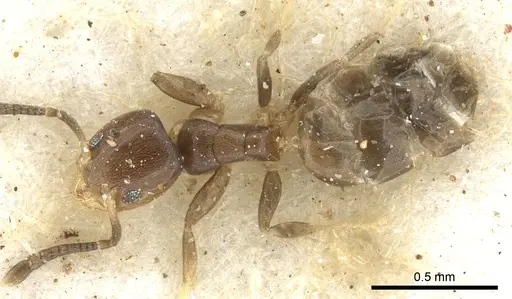
CASENT0903068
View on AntWeb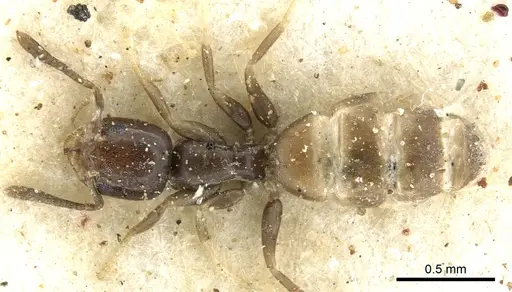
CASENT0909769
View on AntWeb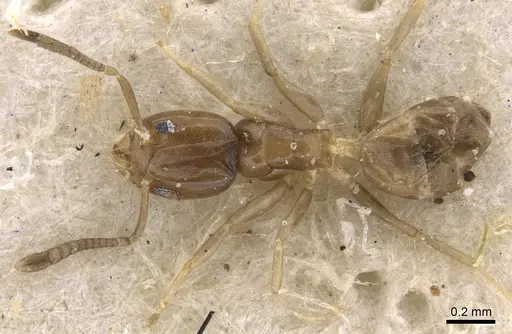
CASENT0909770
View on AntWeb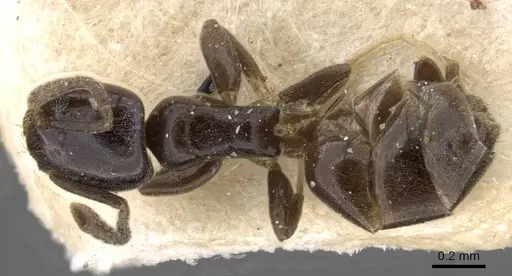
Literature
Loading distribution map...Loading products...