
Tapinoma christophi
- Sci. Name
- Tapinoma christophi
- Tribe
- Tapinomini
- Subfamily
- Dolichoderinae
- Author
- Emery, 1925
- Distribution
- Found in 0 countries
Introduction
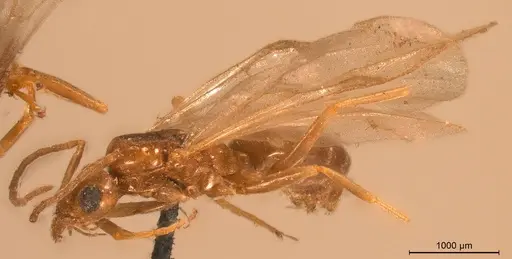
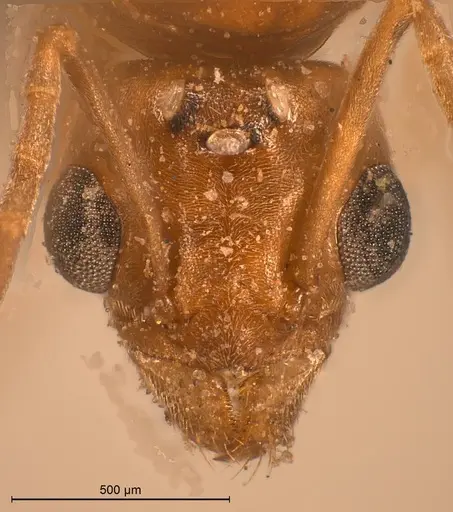
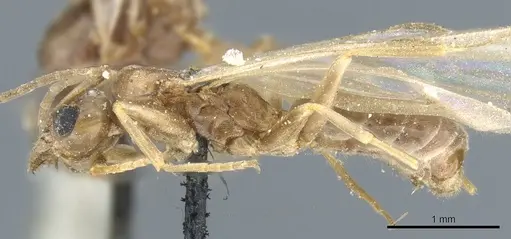
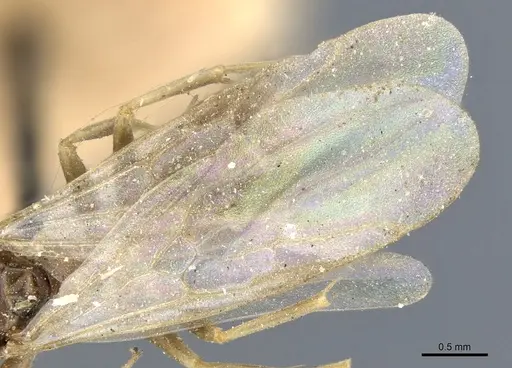
Tapinoma christophi is a tiny ant species from the Dolichoderinae subfamily, originally described in 1925 from males collected in southern Russia near Volgograd . The species has been recorded in the Palaearctic region, specifically in Lebanon and the southern European part of Russia . Males are small, with very short antennae, a short head, and a shallow notch on the clypeus . Research suggests T. christophi may be related to Tapinoma sinense, sharing similar head and antenna proportions . This is one of the most poorly known ant species in the hobby, no workers or queens have ever been described, and nothing is documented about its biology, colony structure, or captive care requirements. All guidance below is based on typical Tapinoma genus behavior and must be treated as starting points for experimentation rather than established requirements.
Quick Summary
- Difficulty: Expert
- Origin & Habitat: Palaearctic region, recorded in Lebanon and southern European Russia (Volgograd area at 48.512°N,44.550°E). The type locality is Sarepta, south of Volgograd, suggesting preference for warm, continental climate zones [1][2].
- Colony Type: Unknown, no workers or queens have been described. Related species Tapinoma sinense suggests potential for single-queen colonies, but this is unconfirmed for T. christophi.
- Size & Growth:
- Queen: Unknown, only males have been described, queens have never been documented.
- Worker: Unknown, workers have not been described. Inferred from Tapinoma genus, workers are likely very small, around 1.5-2.5 mm.
- Colony: Unknown, no colony size data exists.
- Growth: Unknown
- Development: Unknown, no development data exists for this species. Based on similar small Tapinoma species, estimate 4-8 weeks at warm temperatures, but this is a rough guess. (No species-specific data exists. Estimates based on genus-level patterns for small Dolichoderinae ants.)
- Antkeeping:
- Temperature: Likely 20-28°C based on genus patterns, related Tapinoma species prefer warm conditions. Start in the low-to-mid 20s and observe colony activity.
- Humidity: Moderate, Tapinoma species typically nest in soil and under stones in relatively dry to moderately damp conditions. Avoid both waterlogging and complete drying.
- Diapause: Likely yes, being a Palaearctic species from southern Russia, it probably requires a winter rest period. Related Tapinoma species enter diapause in colder months.
- Nesting: Likely shallow soil nests or under stones based on genus patterns. Start with a small test tube setup, for larger colonies, consider Y-tong or plaster nests with a soil section.
- Behavior: Behavior is completely unstudied. Based on genus patterns, Tapinoma ants are typically non-aggressive, cryptic, and nest in concealed locations. They lack a functional sting, instead, they spray repellent chemicals from anal glands (defense mechanism: smear). Escape risk is likely moderate to high given their tiny size, use fine mesh barriers and fluon. Foraging style is unknown but likely involves ground-level searching.
- Common Issues: no documented biology means all care is experimental, expect to learn through observation., tiny size makes escape prevention critical, use fine mesh and tight-fitting lids., winter diapause requirements are unconfirmed but likely necessary for a Palaearctic species., no confirmed diet preferences, start with sugar water and small live prey typical of genus., lack of described workers means colony development cannot be tracked against known benchmarks.
Why This Species Is Expert-Only
Tapinoma christophi is not a species for beginners. No workers, queens, or colony structure have ever been documented in scientific literature, you would be pioneering all aspects of its captive care. The only known specimens are two male syntypes collected in 1925 from a location in southern Russia. This means there are no established benchmarks for temperature, humidity, diet, development time, or colony size. You will need to experiment extensively and document your observations carefully. Only experienced antkeepers who enjoy the process of discovery should attempt this species. If you want a similar but more established ant, consider Tapinoma erraticum or Tapinoma melanocephalum which have documented care requirements.
Natural History and What We Know
The scientific knowledge of Tapinoma christophi is extremely limited. The species was described by Emery in 1925 based solely on male specimens collected by Christoph at Sarepta (now in Volgograd region, Russia) [1]. The type locality sits at approximately 48.5°N latitude, giving us some clue about climate tolerance, this is a temperate to warm-temperate region with cold winters [1]. Recent taxonomic work examined the syntypes and confirmed T. christophi as a valid species, noting it may be related to Tapinoma sinense based on morphological similarities in head and antenna proportions [1]. Beyond this, absolutely nothing is documented about nesting habits, diet, colony structure, or behavior. Any information you gather from captive colonies would be scientifically valuable.
Housing and Nest Setup
Since workers have never been described, we can only guess at appropriate nest conditions based on what we know about related Tapinoma species. Start with a small test tube setup with a water reservoir, this allows you to easily observe founding behavior. The tube should have a cotton plug separating the water chamber from the ants. Given the likely tiny size (related T. sinense workers are very small), use a test tube with a narrow bore. For a founding colony, keep the tube horizontal with the water end slightly elevated. Once a colony establishes, you might transition to a small Y-tong or plaster nest, or a naturalistic setup with moist soil. The nest should be kept in a quiet, dark location as Tapinoma species are typically cryptic and prefer concealed nesting sites.
Temperature and Seasonal Care
The type locality in southern Russia experiences continental climate with warm summers (20-25°C average July temperature) and cold winters below freezing [1]. This suggests T. christophi can tolerate a wide temperature range. Based on genus patterns, aim for 22-26°C during active season for best colony development. During winter, expect the colony to require a diapause period, gradually reduce temperature to around 10-15°C over several weeks, then maintain cool (5-10°C) for 2-3 months. Do not attempt diapause until you have an established colony with workers. Watch for natural slowdowns in activity as cues for when to begin cooling. Never allow the nest to freeze.
Feeding and Diet
No feeding observations exist for this species. Based on typical Tapinoma genus behavior, offer sugar water (1:3 honey to water ratio) or diluted sugar water as a constant energy source. For protein, start with tiny live prey appropriate to their size, fruit flies, pinhead crickets (very small), or other small insects. Tapinoma species are generally omnivorous and will scavenge, but may prefer liquid carbohydrates. Offer food 2-3 times per week and remove uneaten prey after 24 hours. Document which foods are accepted, this information would be valuable for the antkeeping community. Do not overfeed as uneaten food promotes mold.
Behavior Expectations
Without documented worker behavior, we can only speculate based on genus patterns. Tapinoma ants are generally non-aggressive, cryptic, and tend to avoid confrontation. They do not have functional stingers, Dolichoderinae ants defend by spraying repellent chemicals from anal glands (smear defense). Expect secretive behavior with most activity occurring in hidden areas of the nest. Foraging will likely be modest rather than aggressive. The escape risk is potentially high given their likely tiny size, use fluon on test tube rims and ensure any enclosure has fine mesh covering. Handle with care as their small size makes them easy to injure.
Frequently Asked Questions
How do I keep Tapinoma christophi ants?
This species is extremely poorly documented, no workers or queens have ever been described. You would be pioneering all aspects of its care. Start with a standard antkeeping setup: small test tube with water reservoir, keep at room temperature (22-26°C), offer sugar water and tiny live prey, and provide a winter diapause period. Document everything you observe. This is an expert-only species.
What do Tapinoma christophi ants eat?
Diet is completely unconfirmed for this species. Based on genus patterns, offer sugar water (honey diluted 1:3 with water) as a constant energy source. For protein, try tiny live prey like fruit flies, very small crickets, or other small insects. Remove uneaten food within 24 hours to prevent mold. Acceptance of various foods is unknown and would need to be experimentally determined.
Do Tapinoma christophi ants need hibernation?
Likely yes, being from southern Russia (around 48°N latitude), this species almost certainly requires a winter diapause. Related Tapinoma species enter dormancy during cold months. Once you have an established colony, provide 2-3 months at cool temperatures (5-10°C) in winter. Gradually cool the colony over several weeks rather than sudden temperature changes.
How big do Tapinoma christophi colonies get?
Unknown, no colony size data exists for this species. Only males have ever been described. Related Tapinoma species vary widely in colony size, from dozens to several hundred workers. You will need to discover this through captive keeping. Expect slow growth given the lack of documented development data.
Can I keep multiple Tapinoma christophi queens together?
Unknown, colony structure has never been documented for this species. Do not attempt combining unrelated queens until you understand the natural colony structure. Pleometrosis (multiple queens founding together) has not been studied. Start with single-queen colonies and observe behavior before attempting any multi-queen setups.
How long does it take for Tapinoma christophi to produce first workers?
Unknown, no development timeline exists. Only males have been described, and no founding behavior has been observed. Based on similar small Tapinoma species, estimate 4-8 weeks from egg to worker at warm temperatures (24-26°C), but this is a rough guess. Without knowing the founding type (claustral vs semi-claustral), even this estimate is speculative.
Is Tapinoma christophi good for beginners?
Absolutely not. This is one of the least documented ant species in the world, no workers, queens, or colony behavior have ever been described. All care would be experimental. If you want a Tapinoma species, consider Tapinoma erraticum or Tapinoma melanocephalum which have established care requirements. Only expert antkeepers interested in discovering new biology should attempt T. christophi.
Where does Tapinoma christophi live in the wild?
The species is known only from two male specimens collected in 1925 at Sarepta, near Volgograd in southern Russia (approximately 48.5°N,44.5°E). It has also been recorded in Lebanon [1]. The Palaearctic distribution suggests adaptation to temperate climate with warm summers and cold winters.
Why is almost nothing known about Tapinoma christophi?
This species was described in 1925 from only two male specimens, no workers or queens have ever been collected or described. This is extremely unusual, most ant species have workers described even if queens remain unknown. The type locality in southern Russia has received less ant biodiversity research than tropical regions. Recent taxonomic work confirmed the species validity but still found no additional specimens or biological data [1].
What temperature should I keep Tapinoma christophi at?
No species-specific data exists. Based on the likely related Tapinoma sinense and general genus patterns, aim for 22-26°C during the active season. The southern Russian origin suggests they can tolerate warmer conditions. Provide a temperature gradient if possible so the ants can choose their preferred zone. Reduce to 5-10°C during winter diapause.
Report an Issue
The current care sheet is based fully on literature. See inconsistencies, or something that's incorrect? Please , it will be resolved after review from an admin. Contributing to the blogs tab also helps providing information, to make us be able to further improve the caresheets. Thank you for your support!
References

This caresheet is licensed under CC BY-SA 4.0 .
Community Blogs
CASENT0904025
View on AntWeb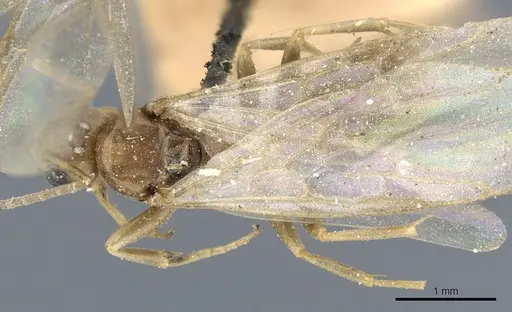
Literature
Loading distribution map...Loading products...