
Tapinolepis trimenii
- Sci. Name
- Tapinolepis trimenii
- Tribe
- Plagiolepidini
- Subfamily
- Formicinae
- Author
- Forel, 1895
- Distribution
- Found in 2 countries
Introduction
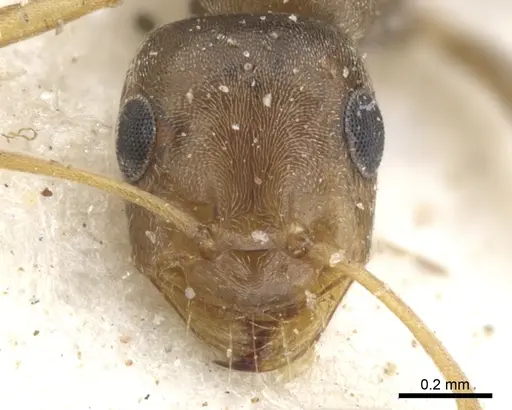
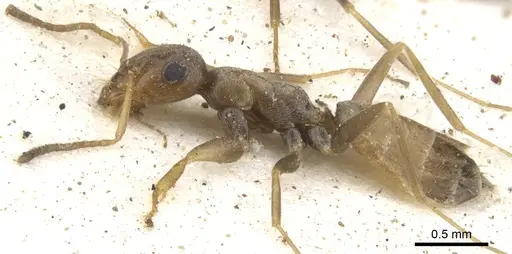
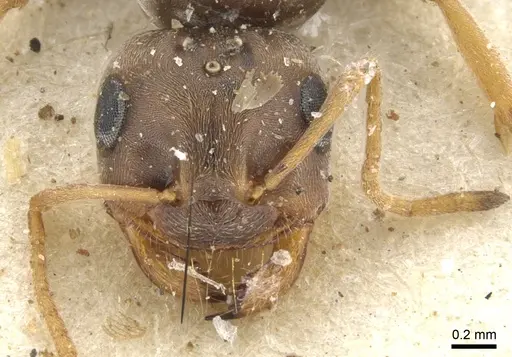
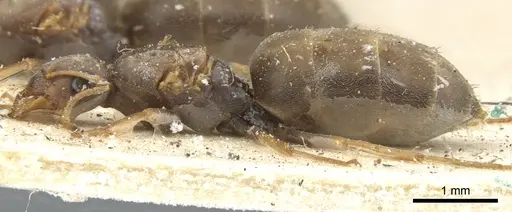
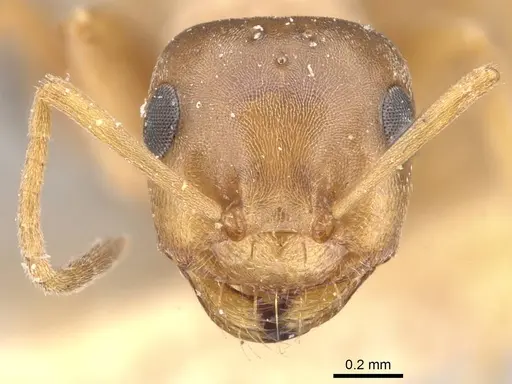
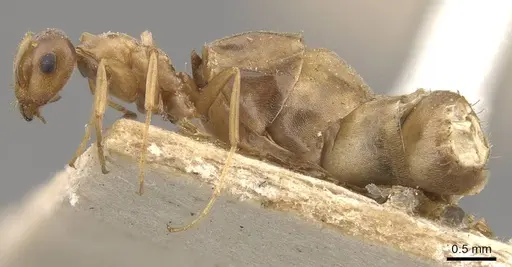
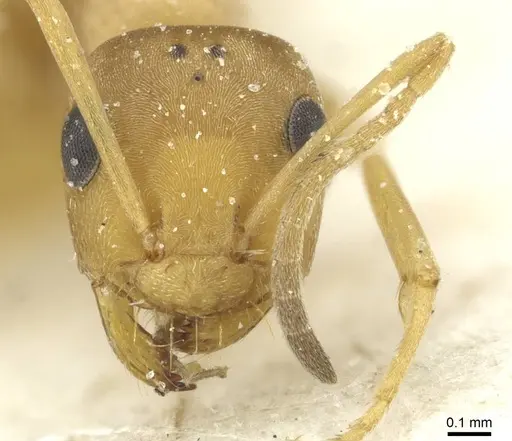
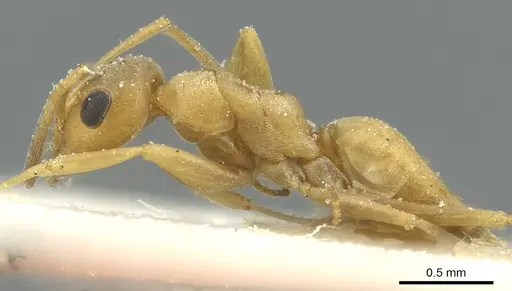
Tapinolepis trimenii is a medium-sized ant native to South Africa, known for its honey-storing behavior. Workers measure approximately 6.5mm in length, with a distinctive appearance where the abdomen (gaster) becomes dramatically distended with honeydew, appearing transparent and swollen to the size of a hemp seed . This species belongs to the Formicinae subfamily and was previously classified under Plagiolepis and Anoplolepis before being moved to Tapinolepis . Found across South Africa's diverse habitats including the Fynbos and Succulent Karoo biomes, these ants play important ecological roles as nectarivores and scavengers . What makes Tapinolepis trimenii unusual is its role as a native honey ant - workers store honeydew and nectar in their distended gasters, becoming living food storage vessels for the colony. This specialization means they are primarily nectarivorous, feeding on honeydew from aphids and scale insects, as well as flower nectar . Their colonies have been documented in both invaded areas (by the invasive Argentine ant Linepithema humile) and non-invaded sites, though they appear sensitive to competition from invasive species .
Quick Summary
- Difficulty: Medium
- Origin & Habitat: South Africa (Natal, Karoo, Kruger National Park), found in Fynbos and Succulent Karoo biomes [2][3]. These are semi-arid to subtropical regions with warm temperatures and seasonal rainfall.
- Colony Type: Colony structure is not well documented in scientific literature. Likely monogyne (single queen) based on typical Formicinae patterns, but this is unconfirmed.
- Size & Growth:
- Queen: Unconfirmed, no specific measurements found in available research
- Worker: Approximately 6.5mm [1]
- Colony: Unknown, no colony size data available
- Growth: Unknown, no development timing data found
- Development: Unconfirmed, no direct development data available for this species (Development timeline is unconfirmed. Related Formicinae species typically take 6-10 weeks from egg to worker at optimal temperatures.)
- Antkeeping:
- Temperature: Based on South African habitat (Fynbos and Karoo biomes) [2][3], aim for warm conditions around 22-26°C. They likely tolerate temperature fluctuations typical of semi-arid regions.
- Humidity: Based on their semi-arid habitat [3], keep the nest substrate moderately dry to slightly moist. These are not rainforest ants. Allow some drying between waterings. Provide a shallow water source for drinking.
- Diapause: Unconfirmed, South African species may have reduced activity during cooler winter months but likely not a true diapause requiring cold temperatures.
- Nesting: In captivity, they likely prefer dry conditions. Y-tong (AAC) nests or plaster nests work well. Provide narrow chambers and a typical Formicinae-style setup with moderate humidity zones.
- Behavior: These are relatively docile ants that rely on chemical defense (formic acid spray) rather than stinging, typical of Formicinae. Workers are sluggish when carrying honey loads due to their distended gasters. They are primarily nocturnal or crepuscular foragers seeking honeydew and nectar. Escape risk is moderate, they are not particularly small but can climb smooth surfaces. Use standard barrier methods.
- Common Issues: Limited availability, this is not a common species in the antkeeping hobby, Specialized diet, requires consistent sugar sources (honey, sugar water) rather than typical protein-heavy diets, Colony sensitivity, documented as vulnerable to invasive ant competition in the wild [4], may be stress-sensitive, Slow movement, honey-laden workers are nearly immobile, which can lead to colony losses if food is placed too far from nest, Lack of captive breeding data, no established protocols for this species in captivity
Housing and Nest Setup
For Tapinolepis trimenii, use a nest setup that provides moderate humidity with dry areas available. Based on their semi-arid habitat [3], create a gradient, some chambers slightly moist, others dry. These ants are not rainforest dwellers, so avoid overly damp conditions that could cause mold. Outworld setup should include a feeding station for sugar sources and a shallow water dish. Since workers become sluggish when carrying honey loads, place food access relatively close to the nest chambers. Use standard escape prevention (Fluon barrier) as these are medium-sized ants that can climb smooth surfaces but are not exceptional escape artists.
Feeding and Diet
This species is primarily nectarivorous, sugar sources are essential for colony health [3]. Offer constant access to honey water (1:4 honey to water ratio) or pure honey. They will also collect honeydew from any aphids or scale insects present in the setup. While primarily nectarivores, they are also documented as scavengers [3], so occasional protein in the form of small insects may be accepted. However, do not rely heavily on protein, their digestive system is optimized for sugar. A small dish of sugar water should always be available. Workers will fill their gasters with honeydew and store it for the colony, which is why they become so distended [1].
Temperature and Seasonal Care
Based on their South African habitat [2][3], keep the nest area at 22-26°C. A heating cable on one side of the nest can create a temperature gradient, allowing ants to self-regulate. They come from regions with hot summers and mild winters, so they can tolerate warmer temperatures better than cold. Avoid temperatures below 18°C for extended periods. If your room temperature is within this range, no additional heating may be needed. Monitor colony activity, if workers become sluggish even with food present, slightly increase temperature. True diapause is unlikely, but you may observe reduced activity during winter months.
Behavior and Colony Dynamics
Tapinolepis trimenii workers have one of the most unusual physical adaptations among ants, their gasters become massively distended when storing honey, to the point where locomotion becomes nearly impossible [1]. This is a specialized food storage system similar to honey ants worldwide. Workers act as living repletes, hanging in the nest and regurgitating stored honey to feed colony members. This means the colony relies heavily on consistent sugar sources rather than protein. They are not aggressive and use formic acid spray for defense, typical of Formicinae. In the wild, they compete with other nectarivores and are vulnerable to invasive species like Linepithema humile [4]. In captivity, avoid housing them near aggressive species.
Handling and Observation
When observing this species, you will notice the dramatic size difference between regular workers and those carrying honey loads. The honey-storing workers (repletes) become nearly immobile and remain in the nest [1], so do not mistake this for illness or death. These ants are best observed during feeding times when foragers leave the nest to collect sugar sources. They are not a species that tolerates frequent disturbance, minimize nest inspections to avoid stressing the colony. Their docile nature makes them fascinating to watch, but their specialized requirements mean they are better suited for intermediate antkeepers who understand nectarivore husbandry.
Common Problems and Solutions
The biggest challenge with Tapinolepis trimenii is their specialized diet, colonies fail when keepers treat them like typical ants and focus on protein. Always provide sugar water or honey. Another issue is placement of food, honey-laden workers cannot travel far [1], so place feeding stations within easy reach of nest chambers. This species appears sensitive to competition and environmental stress, they are vulnerable to invasive ants in the wild [4] and may react poorly to disturbance. Keep them in a quiet location away from vibrations and other ant colonies. They are not commonly available in the hobby, so finding a colony may be difficult. If your colony appears to decline, check sugar availability first before assuming other causes.
Frequently Asked Questions
What do Tapinolepis trimenii ants eat?
They are primarily nectarivorous, sugar sources are essential [3]. Offer constant access to honey water or pure honey. They will also collect honeydew from aphids and are documented scavengers [3], so occasional small insects may be accepted. However, focus on sugar, not protein.
How big do Tapinolepis trimenii colonies get?
Colony size is not well documented in scientific literature. The maximum colony size for this species is currently unknown.
Are Tapinolepis trimenii good for beginners?
This species is not ideal for complete beginners due to their specialized nectarivorous diet and limited availability. They require consistent sugar feeding and are less forgiving than more common species. However, intermediate antkeepers with some experience should find them manageable.
What temperature do Tapinolepis trimenii need?
Based on their South African habitat [2][3], keep them at 22-26°C. They can tolerate warmer conditions but should be kept above 18°C. A simple heating cable on part of the nest creates a useful gradient.
How long does it take for Tapinolepis trimenii to develop from egg to worker?
The exact development timeline is unconfirmed for this species. Based on related Formicinae ants, expect approximately 6-10 weeks from egg to first worker at optimal temperatures.
Can I keep multiple queens together?
Colony structure (monogyne vs polygyne) is not documented for this species. Until more information is available, it is not recommended to combine unrelated queens.
Why do some workers look swollen and nearly immobile?
This is normal behavior, Tapinolepis trimenii is a honey ant species. Workers store honeydew in their gasters, causing dramatic swelling. These 'replete' workers become living food storage vessels and remain in the nest [1]. This is not a problem, it's how the colony stores food.
Do Tapinolepis trimenii need hibernation?
True diapause is unlikely, they come from South Africa's relatively mild climate. You may observe reduced activity during winter months, but a cold hibernation period is not required. Keep them at normal temperatures year-round.
Why is my colony declining?
First check sugar availability, colonies fail without constant access to honey or sugar water. Also ensure temperatures are warm enough (above 18°C). This species appears sensitive to competition and stress, and they are vulnerable to invasive ants in the wild [4]. Avoid disturbing the nest frequently.
What type of nest works best?
Y-tong (AAC) nests or plaster nests with moderate humidity work well. Provide a humidity gradient with some moist chambers and dry areas. Avoid overly wet conditions.
Is this an invasive species?
No, Tapinolepis trimenii is native to South Africa and is actually considered vulnerable to invasive ant competition. Research shows they are found less frequently in areas invaded by the Argentine ant (Linepithema humile) [4]. Never release this or any ant species outside their native range.
Report an Issue
The current care sheet is based fully on literature. See inconsistencies, or something that's incorrect? Please , it will be resolved after review from an admin. Contributing to the blogs tab also helps providing information, to make us be able to further improve the caresheets. Thank you for your support!
References

This caresheet is licensed under CC BY-SA 4.0 .
Community Blogs
CASENT0102367
View on AntWeb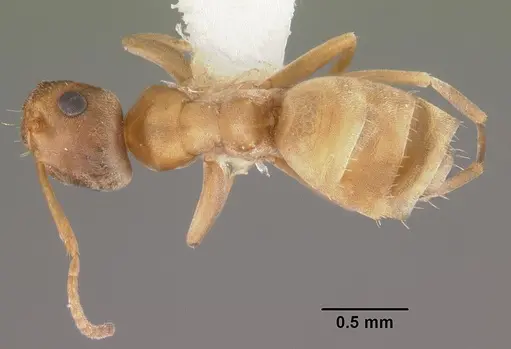
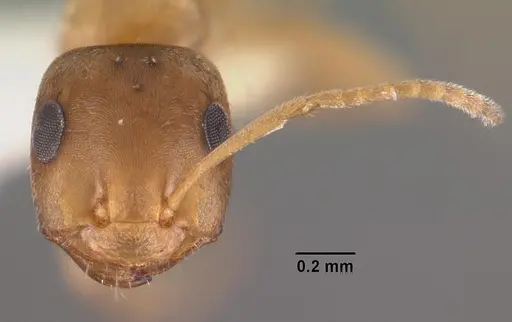
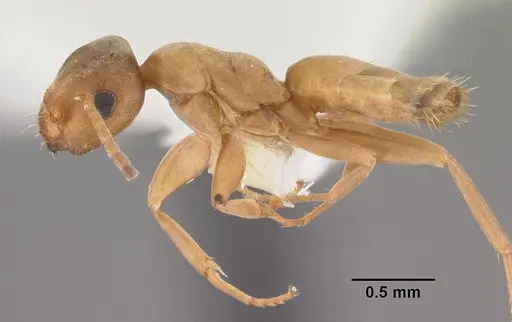
CASENT0903111
View on AntWeb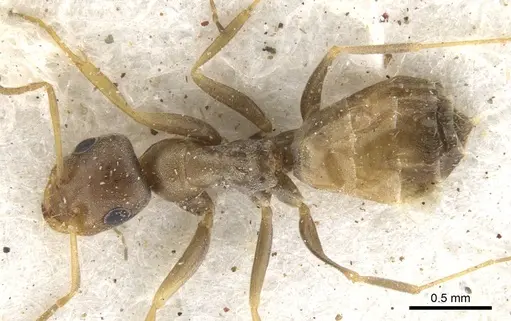
CASENT0903112
View on AntWeb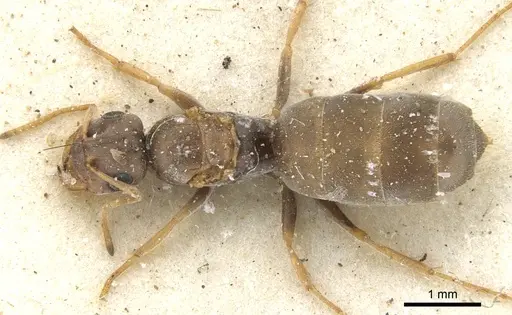
CASENT0909844
View on AntWeb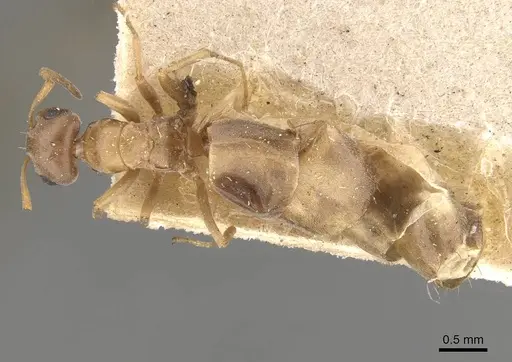
CASENT0912358
View on AntWeb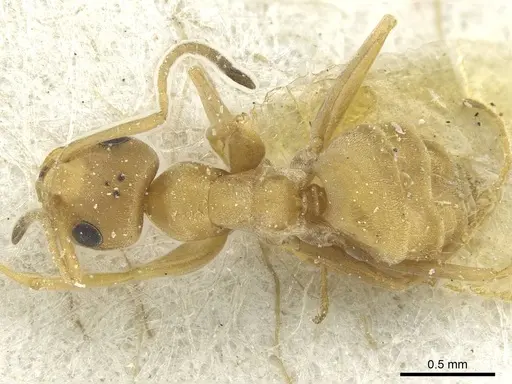
Literature
Loading distribution map...Loading products...