
Syscia volucris
- Sci. Name
- Syscia volucris
- Subfamily
- Dorylinae
- Author
- Longino & Branstetter, 2021
- Distribution
- Found in 2 countries
Introduction
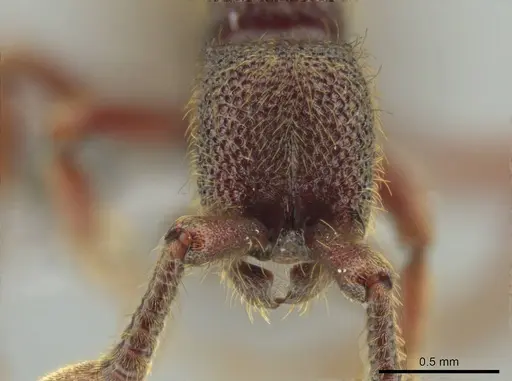
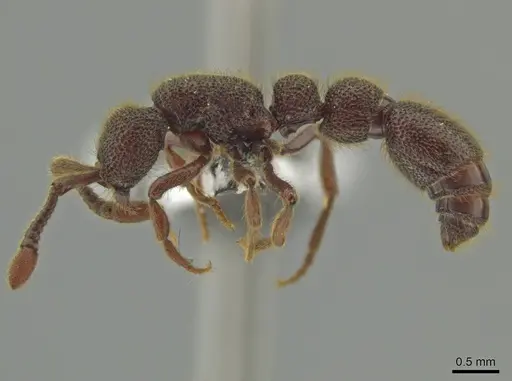
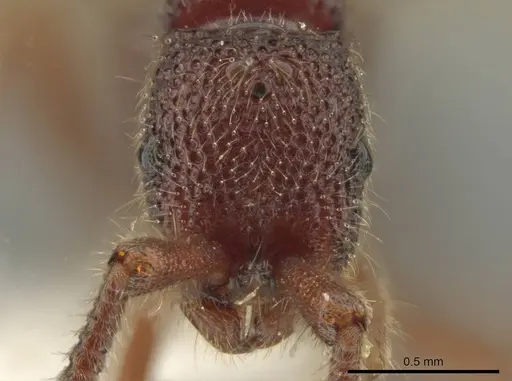
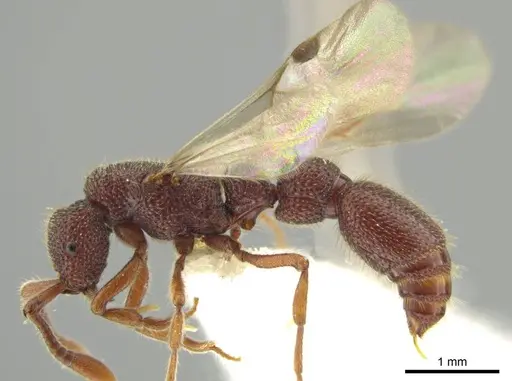
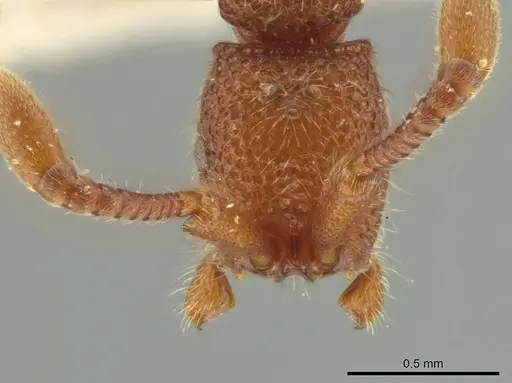
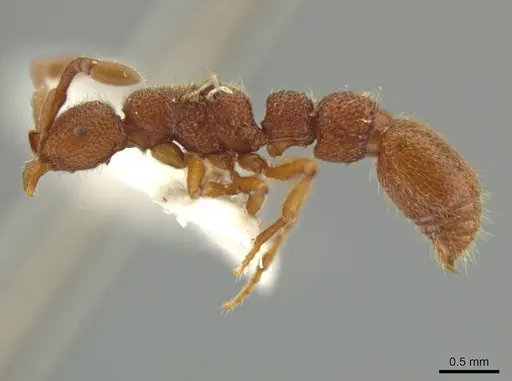
Syscia volucris is a tiny army ant from Central American rainforests. It is known from Honduras, Nicaragua, and Costa Rica . Workers are reddish-brown with coarse, standing hairs and a head that is slightly wider than long. The body has large, dense punctures (small pits) on the abdomen . This species lives in the leaf litter of mature wet forests, from lowlands up to lower mountain elevations . Unlike many army ants, its colony structure and behavior are still poorly understood.
Quick Summary
- Difficulty: Medium
- Origin & Habitat: Central America, Honduras, Nicaragua, and Costa Rica [1]. Found in mature wet forest leaf litter [1].
- Colony Type: Unconfirmed, only a small number of workers and a few queens (including both alate and brachypterous forms) have been collected, so colony structure remains unknown.
- Size & Growth:
- Queen: size data unavailable, specific total length not reported in the literature.
- Worker: size data unavailable, only head and mesosoma measurements exist (head width ~0.7 mm, mesosoma length ~1.2 mm), which do not give total body length.
- Colony: Unknown, based on limited collection data, colonies likely contain under 500 workers, but this is an estimate.
- Growth: Unknown, no captive rearing data available.
- Development: Unconfirmed, no direct studies exist. The timeline is unknown. (No development data available for this species.)
- Antkeeping:
- Temperature: Keep warm and stable, ideally between 22-26°C. Since this is a tropical species, avoid temperatures below 20°C. Provide a temperature gradient with a heating cable if possible.
- Humidity: High humidity is essential, keep the nest substrate consistently moist but not waterlogged. Mimic the damp conditions of tropical leaf litter.
- Diapause: No, as a tropical lowland species, it does not require hibernation. Maintain warm conditions year-round.
- Nesting: A naturalistic setup with a shallow layer of moist coco fiber or soil, plus hiding spots like flat stones, cork bark, or leaf litter, works best. Test tubes can be used for small colonies, but transition to a more spacious container as the colony grows.
- Behavior: Very little is known about the behavior of Syscia volucris. It is a small, litter-dwelling ant that likely hunts small arthropods. Because of its tiny size (body length under 2 mm estimated), excellent escape prevention is critical. It poses no threat to humans, no functional stinger.
- Common Issues: extreme escape risk due to tiny size, use fine mesh (max 0.2 mm openings) and seal all connections, high humidity requirements can lead to mold if ventilation is poor, balance moisture with air flow, likely requires live prey (such as springtails or fruit flies), but exact dietary needs are unconfirmed, colony size is small, disturbance during cleaning or feeding may be stressful
Housing and Setup
Because so little is known about the natural habits of Syscia volucris, the best setup mimics a humid leaf‑litter environment. Use a shallow container with a 1-2 cm layer of damp coco fiber or soil. Add flat stones, pieces of bark, or dried leaves as cover. The nest should have high humidity but also some ventilation to prevent mold. Seal the container tightly, workers are barely visible to the naked eye and can escape through the tiniest gaps. A small water reservoir (e.g., a test tube with a cotton plug) helps maintain moisture without flooding the substrate.
Feeding and Diet
Based on its army ant relatives, Syscia volucris is almost certainly a predator of small soil arthropods. Offer live prey such as springtails, fruit fly larvae, or pinhead crickets. Provide prey 2-3 times per week, adjusting to the colony’s appetite. Remove uneaten food after 24 hours. A drop of honey or sugar water may be accepted occasionally, but protein from live prey is essential. Without live prey, colonies are unlikely to thrive.
Temperature and Care
This ant comes from warm, wet forests, so maintaining a stable temperature is important. Aim for 22-26°C. A heating cable placed along one side of the setup creates a temperature gradient, allowing the ants to choose their preferred spot. Avoid sudden drops below 20°C. Since the species is tropical, there is no need for a winter cooling period. Monitor temperature with a thermometer to avoid heat stress.
Humidity Management
High humidity is non‑negotiable for this leaf‑litter dweller. The substrate should be moist to the touch but without standing water. A water reservoir (like a damp sponge or a test tube with a cotton wick) helps maintain humidity through evaporation. Good ventilation is needed to prevent mold, but avoid drafts that dry out the nest. The balance between moisture and airflow must be carefully tuned.
Behavior and Foraging
Because so few observations have been published, the behavior of Syscia volucris is largely unknown. It has been collected from Winkler samples (litter sifting) and a few Malaise traps, suggesting it forages in and above the leaf litter. It is presumed to be a group‑hunting predator, like other Dorylinae, but specific details on raid organization, nest movement, or prey selection are lacking. In captivity, expect a shy, easily stressed colony due to its small size.
Frequently Asked Questions
How long does it take for Syscia volucris to develop from egg to worker?
The development time is unknown, no studies have been conducted. Based on general Dorylinae biology, it might take 4-8 weeks at 22-26°C, but this is speculation.
Can I keep Syscia volucris in a test tube?
Test tubes can work for a small colony, provided you maintain high humidity and warmth. As the colony grows, you will need to move it to a larger, more naturalistic setup with a substrate layer.
What do Syscia volucris eat?
They are predators that need live prey. Offer tiny arthropods such as springtails, fruit flies, or small cricket nymphs. A sugar source (honey water) can be offered occasionally but should not replace protein.
Are Syscia volucris good for beginners?
Probably not. Their tiny size makes escape prevention challenging, and their specific humidity and dietary needs are not well understood. Beginners should choose a more documented species.
How big do Syscia volucris colonies get?
Colony size is unknown. Based on the limited number of workers collected, it probably stays under 500 individuals, much smaller than many other army ants.
Do Syscia volucris need hibernation?
No, as a tropical lowland species, it requires warm conditions year‑round without a diapause period.
Why are my Syscia volucris escaping?
Workers are extremely small, estimated under 2 mm total length. They can squeeze through any gap larger than about 0.2 mm. Use fine mesh, seal all joints with silicone or fluon, and check for cracks regularly.
Can I keep multiple Syscia volucris queens together?
Colony structure is not documented. Both partly‑winged (brachypterous) and fully‑winged queens have been collected, but it is unclear if they co‑exist. It is safest to keep a single queen.
What is the best nest type for Syscia volucris?
A naturalistic terrarium with a moist substrate, leaf litter, and flat cover objects (bark, stones) works best. This mimics their wild habitat better than artificial plaster or Y‑tong nests.
Report an Issue
The current care sheet is based fully on literature. See inconsistencies, or something that's incorrect? Please , it will be resolved after review from an admin. Contributing to the blogs tab also helps providing information, to make us be able to further improve the caresheets. Thank you for your support!
References

This caresheet is licensed under CC BY-SA 4.0 .
Community Blogs
CASENT0628622
View on AntWeb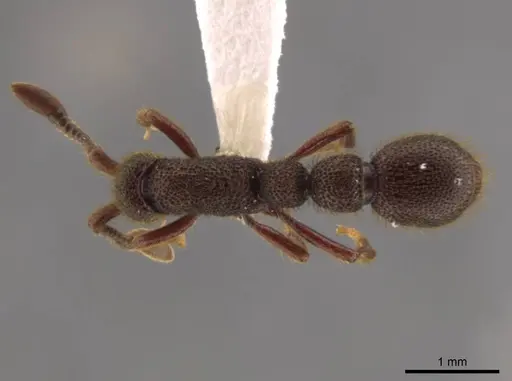
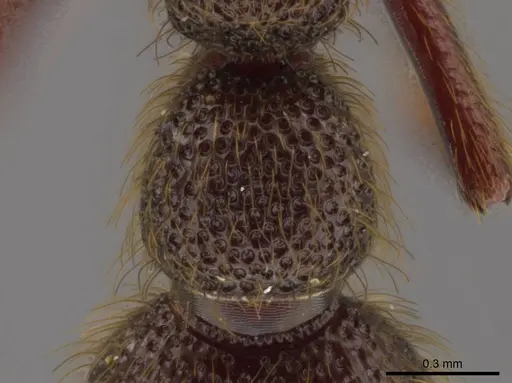
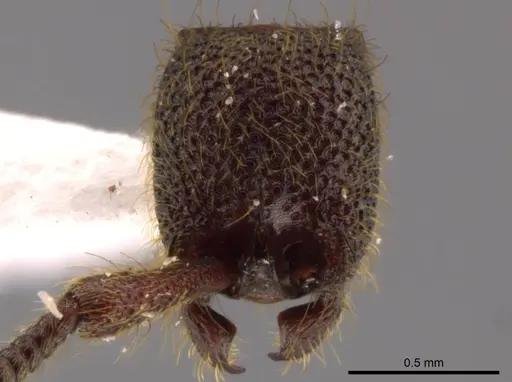

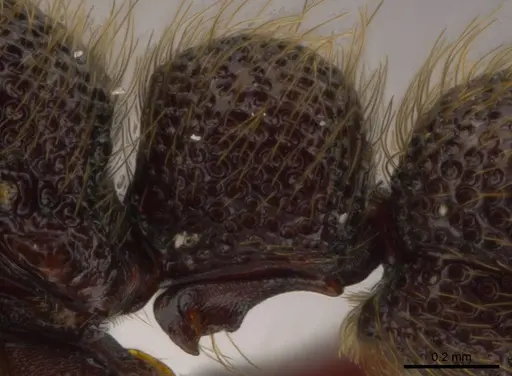
CASENT0644413
View on AntWeb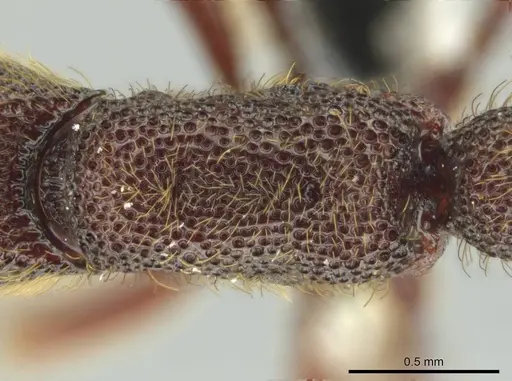
INB0003237379
View on AntWeb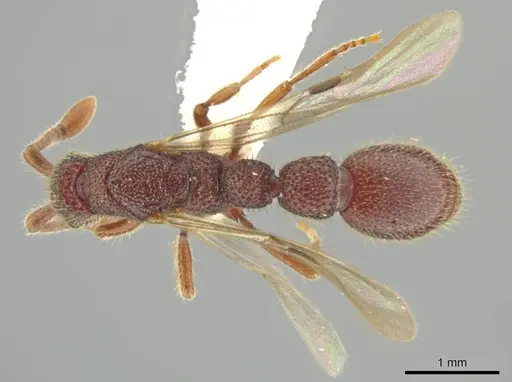
INBIOCRI000522290
View on AntWeb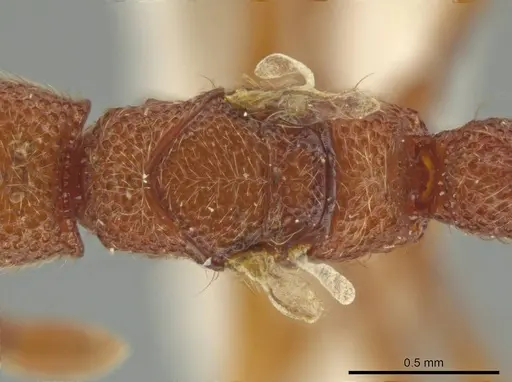
Literature
Loading distribution map...Loading products...