
Syscia tolteca
- Sci. Name
- Syscia tolteca
- Subfamily
- Dorylinae
- Author
- Forel, 1909
- Distribution
- Found in 6 countries
Introduction
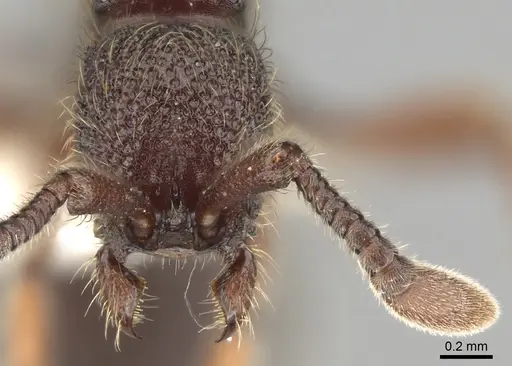
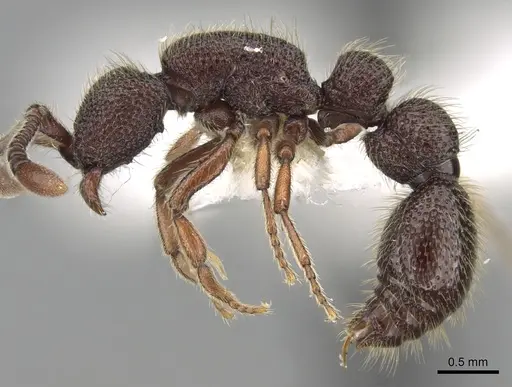
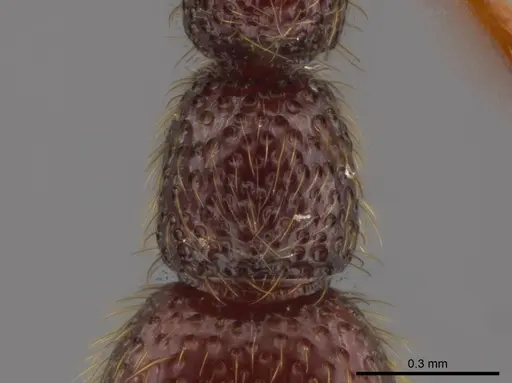
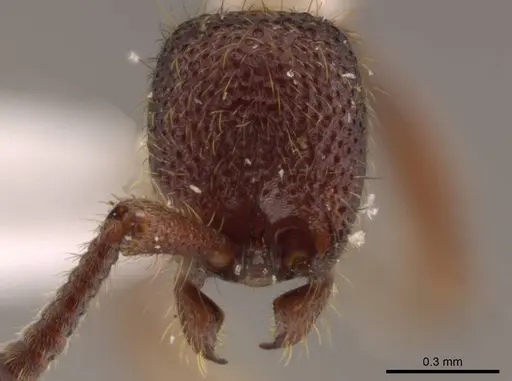
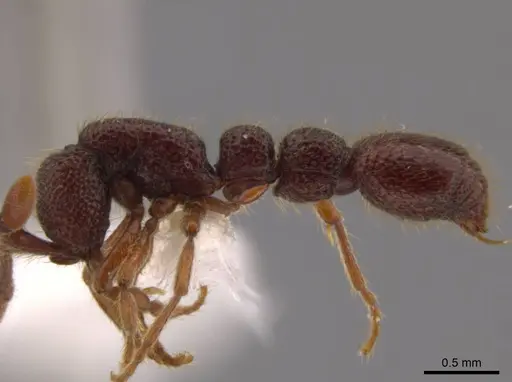
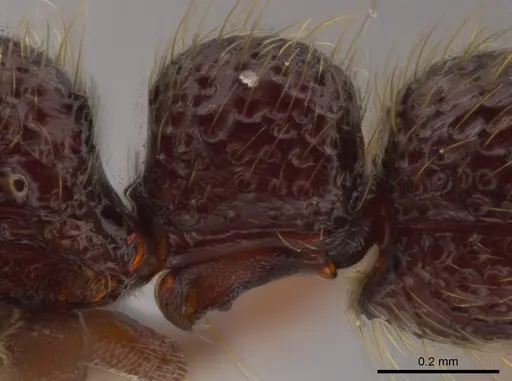
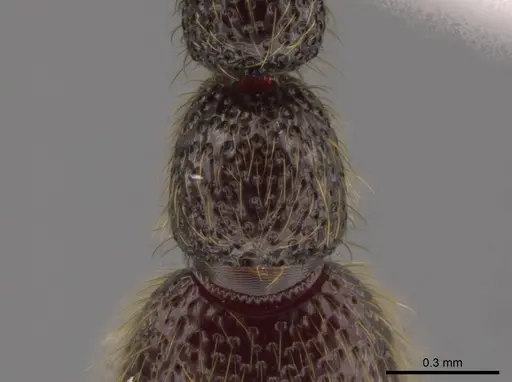
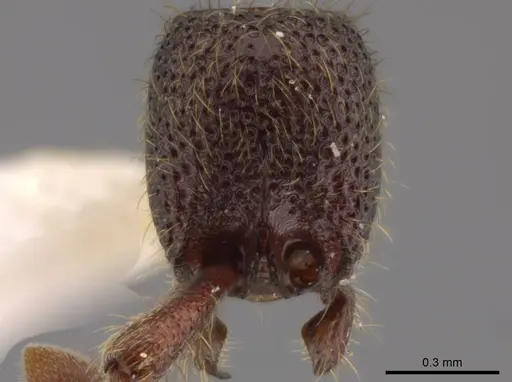
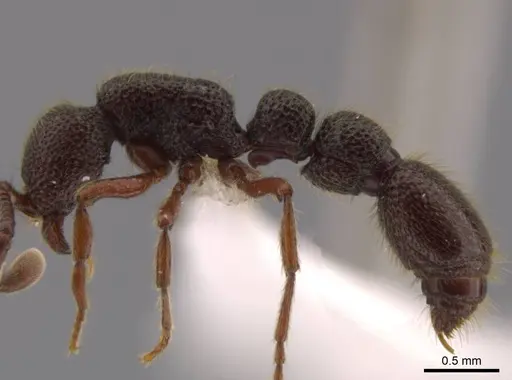
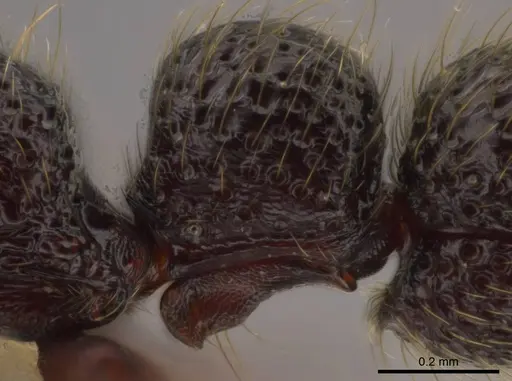
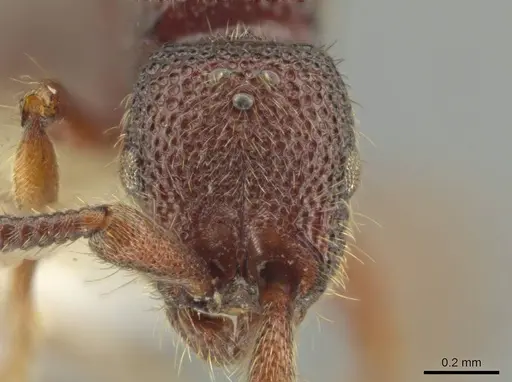
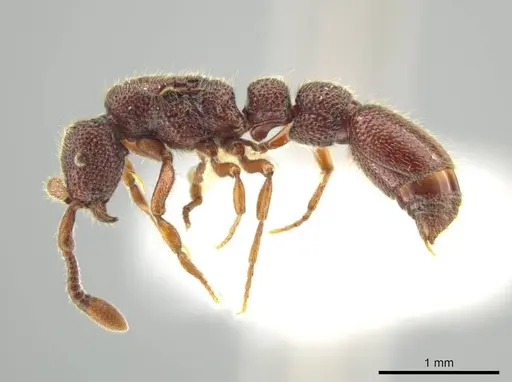
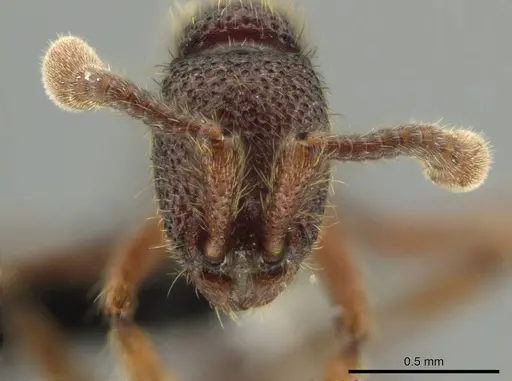
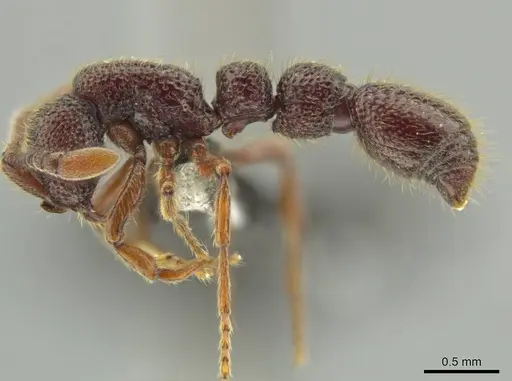
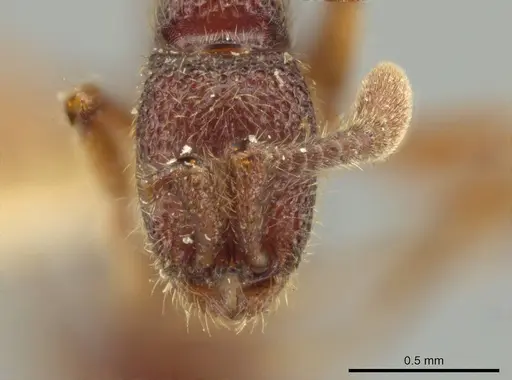
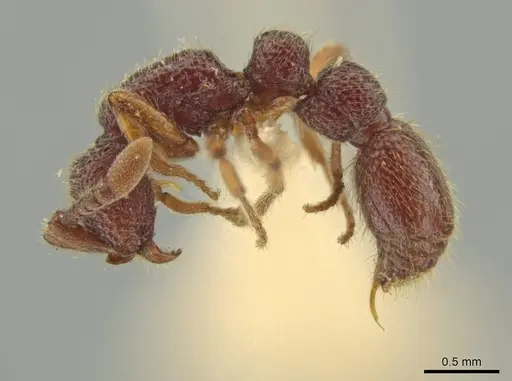
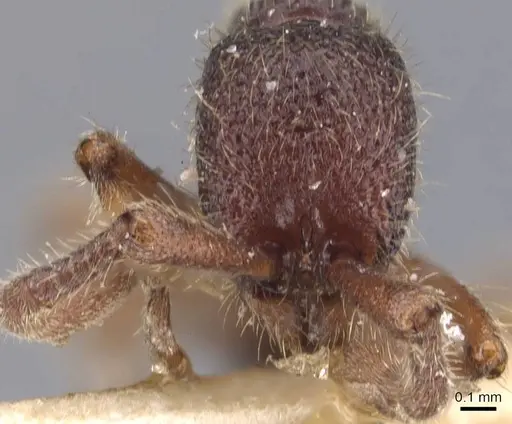
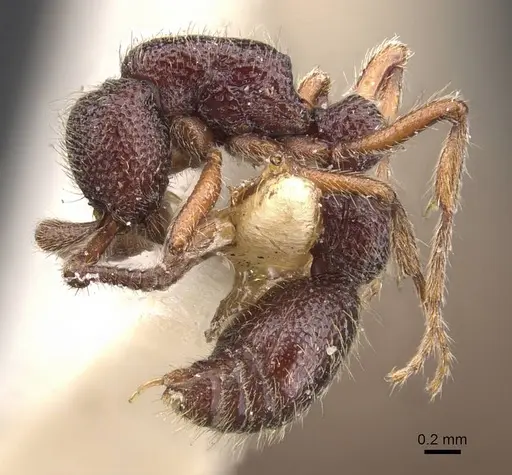
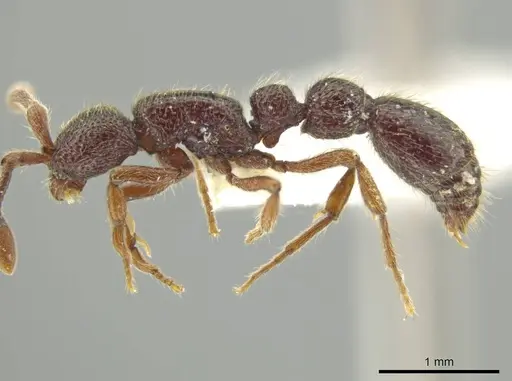
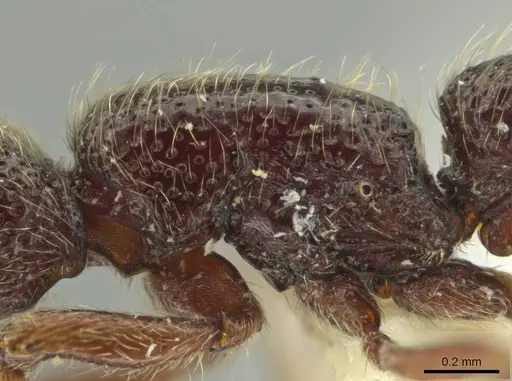
Syscia tolteca is a tiny predatory ant from the subfamily Dorylinae (army ants). They have a reddish-brown color and were originally described as *Cerapachys toltecus* before being moved to the genus *Syscia* . These ants live in moist lowland forests across Central America, from Mexico down to Colombia, and have also been collected in cloud forests up to 1550 meters . They spend their lives deep in the leaf litter, which is why all known specimens come from Winkler and Berlese samples, special methods used to extract insects from soil and leaves. This makes them rarely seen and very challenging to keep in captivity.
Quick Summary
- Difficulty: Expert
- Origin & Habitat: Central America: Guatemala, Honduras, Mexico (Chiapas), and Colombia. Found in moist to wet lowland forests and cloud forest up to 1550m [2][3][4][5].
- Colony Type: Unknown colony structure. A dealate (wingless) queen has been recorded, but how queens work and colony size are not studied yet.
- Size & Growth:
- Queen: Size data unavailable (only head measurements exist)
- Worker: Size data unavailable (only head measurements exist)
- Colony: Unknown
- Growth: Unknown
- Development: Unknown (No development data exists for this species.)
- Antkeeping:
- Temperature: Keep at 24-27°C. They come from tropical forests, so a warm environment is key. Provide a temperature gradient so they can move to cooler areas if needed.
- Humidity: High humidity is critical. Keep the substrate consistently moist, like a damp forest floor. Avoid waterlogging, but never let it dry out.
- Diapause: Unknown. Since they live in tropical regions, they likely don't need a true winter rest, but may slow down in cooler periods.
- Nesting: These ants live in leaf litter. In captivity, give them a setup with deep, moist substrate, leaf litter, and small chambers. A test tube can work if you keep the humidity very high, but they seem to prefer foraging through soil.
- Behavior: Predatory, hunting tiny invertebrates in the leaf litter. Workers are very small and shy. Escape prevention is tough because they can slip through standard gaps. They aren't aggressive to humans, like other Dorylinae they have stingers but are too small to cause any real bite or sting.
- Common Issues: very small size makes escape prevention hard, use fine mesh (0.5 mm or smaller) on all openings., no captive breeding data exists, everything about their care is guesswork., need live micro-prey like springtails, they won't survive on sugar or prepared foods., high humidity needs can cause mold if ventilation is poor., wild-caught colonies may be stressed or carry parasites.
Housing and Setup
Syscia tolteca lives in leaf litter, so a natural setup works best. Use a shallow container filled with a mix of soil, sand, and lots of dried leaves. Keep the substrate damp but not soaked. A test tube can work if you keep the cotton moist and connect it to a water source, but these ants seem to prefer staying inside the soil rather than exploring open spaces. Because they're tiny, any gap in your setup is an escape route. Use fine mesh (at least 0.5 mm) on all ventilation holes and seal edges carefully. They don't climb smooth surfaces well, but they can walk through gaps that bigger ants cannot.
Feeding and Diet
These are predators that eat small invertebrates. In the wild they hunt micro-arthropods living in the leaf litter. In captivity, feed them live springtails as a staple. They may also accept other tiny prey, like newly hatched fruit fly larvae or very small isopods. Don't bother with sugar water or honey, they show little interest in carbs. Offer small amounts of live prey every few days and remove any leftovers to stop mold. Their small size means even a few springtails are a good meal.
Temperature and Humidity
Syscia tolteca comes from tropical Central American forests, so keep them warm. Aim for 24-27°C. They can handle the low 20s but will be less active. Below 22°C they might stop moving. Humidity is the most important thing, these ants live in constantly moist leaf litter. Keep the substrate damp to the touch, similar to a squeezed-out sponge. Never let it dry out, but don't flood it either. If using a test tube, keep the cotton wet. In a natural setup, mist the enclosure once a day or as needed, but make sure there's enough ventilation to prevent mold.
Colony Structure and Reproduction
Almost nothing is known about how Syscia tolteca forms colonies. A single dealate queen (a queen that has shed her wings) has been found, but we don't know if colonies are single-queen or multi-queen. Colony size in the wild is a mystery. If you get a colony, expect very slow growth, these are not a fast-reproducing species. Do not combine queens from different nests, as this hasn't been tested and could lead to fights.
Handling and Temperament
Syscia tolteca workers are tiny and shy. They prefer to hide in the leaf litter rather than fight. Their stingers are functional but so small they can't really hurt people, you probably won't feel anything if one does sting. The real struggle is keeping them contained. Their minute size means they can escape through the tiniest cracks. Always check your setup for any gaps and use very fine mesh. They don't climb smooth surfaces well, but they will find any hole.
Frequently Asked Questions
How long does it take for Syscia tolteca to raise first workers?
The development time is unknown. No one has bred this species in captivity, so we can only guess. If you manage to get a queen, expect to wait several weeks at least, but there are no numbers to rely on.
Can I keep Syscia tolteca in a test tube?
Yes, a test tube can work if you keep the humidity high. Moisten the cotton regularly or connect a water reservoir. But because they live in leaf litter, they might do better in a small natural setup with soil and leaves. Either way, make sure the tube has fine mesh over any openings.
Do Syscia tolteca ants sting?
They have stingers, like other Dorylinae, but they are too small to cause any real pain or break human skin. Their main defense is hiding. You don't need to worry about getting stung.
What do Syscia tolteca eat?
They hunt tiny live animals. Feed springtails as a main food. They might also take micro-arthropods or very small fruit fly larvae. They don't care about sugar or honey.
Are Syscia tolteca good for beginners?
No. This is an expert-level species. Nobody has successfully raised them in captivity. They need constant live prey, very high humidity, and their tiny size makes escape prevention a nightmare. Start with something like Lasius niger or Camponotus species.
How big do Syscia tolteca colonies get?
Colony size is unknown. Related army ants in the leaf litter often have small colonies, but there's no data for this species. Expect them to be small, probably under 100 workers, but that's a guess.
Do Syscia tolteca need hibernation?
Probably not. They come from tropical Central America where it's warm year-round. You can keep them at stable temperatures without a cold period. However, if you cool them down they might slow down, but there's no evidence it's necessary.
Why are my Syscia tolteca dying?
Common problems: escaping through tiny gaps, humidity too low or too high, stress from wild collection, parasites, or not enough live prey. Since no one has worked out good care for them yet, any of these can kill them quickly.
Can I keep multiple Syscia tolteca queens together?
Not recommended. We don't know if they are monogyne or polygyne in the wild. Putting two unknown queens together could lead to fighting. If you find a colony with multiple queens, that might be okay, but don't combine separate colonies.
Where does Syscia tolteca live in the wild?
They are found in moist lowland forests from Mexico to Colombia, and also in cloud forests up to 1550 m. They live deep in the leaf litter, all specimens have been extracted using Winkler or Berlese funnels [2][3][4][5].
Report an Issue
The current care sheet is based fully on literature. See inconsistencies, or something that's incorrect? Please , it will be resolved after review from an admin. Contributing to the blogs tab also helps providing information, to make us be able to further improve the caresheets. Thank you for your support!
References

This caresheet is licensed under CC BY-SA 4.0 .
Community Blogs
CASENT0281980
View on AntWeb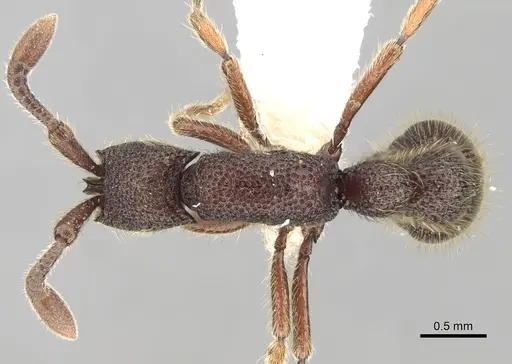
CASENT0611200
View on AntWeb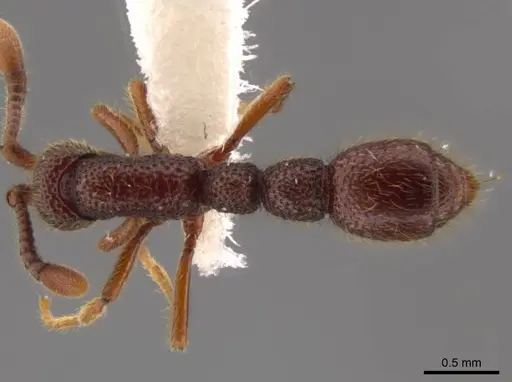
CASENT0618422
View on AntWeb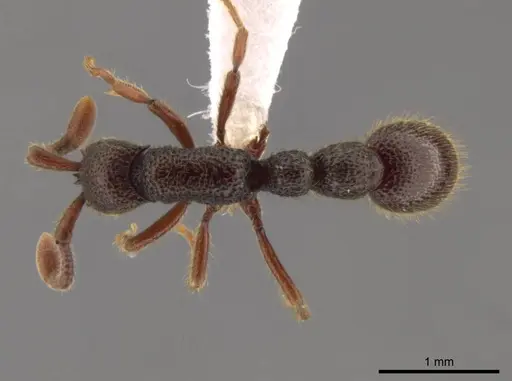
CASENT0644415
View on AntWeb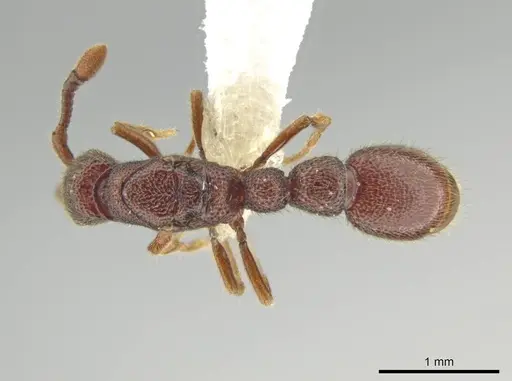
CASENT0644416
View on AntWeb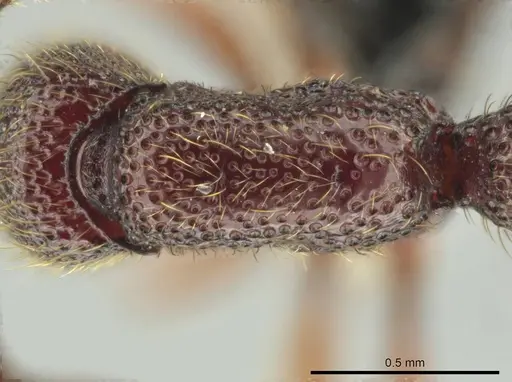
CASENT0644430
View on AntWeb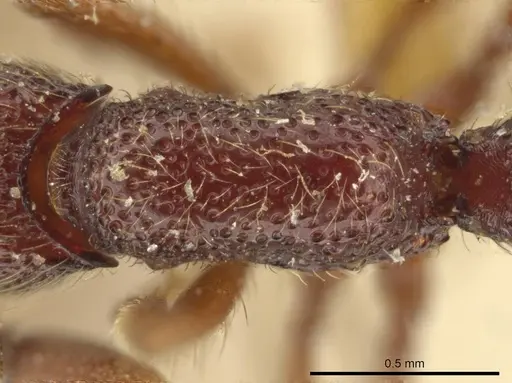
CASENT0907056
View on AntWeb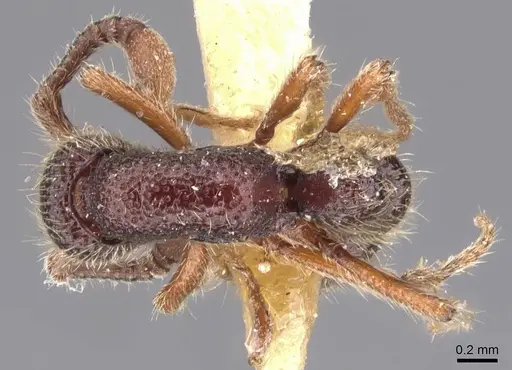
FMNHINS0000095755
View on AntWeb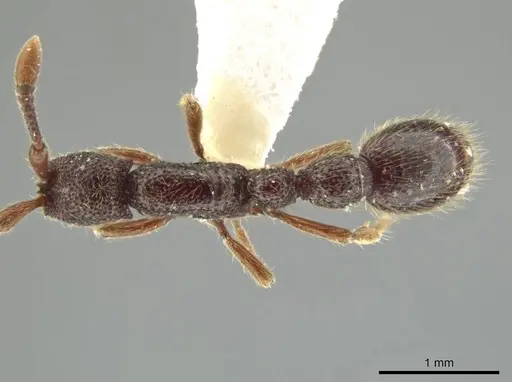
Literature
Loading distribution map...Loading products...