
Syscia sumnichti
- Sci. Name
- Syscia sumnichti
- Subfamily
- Dorylinae
- Author
- Longino & Branstetter, 2021
- Distribution
- Found in 1 countries
Introduction
Syscia sumnichti is a recently described ant from the Dorylinae subfamily, known only from cloud forests in Guatemala and Nicaragua at 1370–1650 m elevation . Workers are tiny – no body length measurements exist, but head width is about 0.5 mm – with an orange‑brown color and fine standing hairs. They were discovered in 2021 from Winkler samples of leaf litter and rotten wood . This species has many unknowns: no queens or males have ever been seen, so colony structure, founding behavior, and reproductive habits are a complete blank. As a Dorylinae, it probably hunts small invertebrates in the forest floor litter, but nothing is confirmed. It’s a species for the most experienced keepers willing to experiment.
Quick Summary
- Difficulty: Expert
- Origin & Habitat: Cloud forests of Guatemala and Nicaragua at 1370–1650 m elevation [1][2]. Collected from forest floor litter and rotting wood.
- Colony Type: Unknown – no queens or males have been described. This species was only described in 2021 and its social structure remains unstudied.
- Size & Growth:
- Queen: Unknown – sexuals not described [1]
- Worker: Size data unavailable, workers are very small, roughly comparable to a large springtail (head width ~0.5 mm, but body length not published) [1]
- Colony: Unknown – colony size not documented
- Growth: Unknown
- Development: Unknown – no development data exists for this species (No brood development studies exist. Related Dorylinae species typically develop in 4–8 weeks at warm temperatures, but this is a rough guess with low confidence.)
- Antkeeping:
- Temperature: Cloud forest species – keep cool and stable, roughly 18–22°C. This is inferred from their habitat at 1370–1650 m elevation [1]. Avoid sustained temperatures above 25°C.
- Humidity: High humidity – think a damp forest floor. Keep the substrate consistently moist but not waterlogged. Provide a gradient with one moister area and one slightly drier area so the ants can choose [1].
- Diapause: Unknown – no seasonal studies exist. Cloud forest ants from high elevations may slow down in cooler months, but this is speculation.
- Nesting: Their natural home is leaf litter and rotten wood [1], so a naturalistic setup works best: a shallow container with damp soil and decomposed leaf litter. For a founding queen, use a small test tube with a cotton plug and fine mesh. Once the colony grows, a small plaster or Y‑tong nest with tiny chambers is suitable. Escape prevention is critical due to their size.
- Behavior: Likely a cryptic, ground‑dwelling predator like other Dorylinae. Probably forages through leaf litter hunting tiny invertebrates. No documented aggression or stinging. Dorylinae generally can sting, but any sting from this tiny ant would be negligible to humans. Escape prevention is essential – they can fit through gaps that look sealed.
- Common Issues: escape prevention is critical because of their tiny size – use fine mesh and tight‑fitting lids., no established husbandry guidelines exist – this species is for experienced keepers willing to experiment., high humidity needs make mold a risk – provide ventilation while keeping the substrate damp., diet is unconfirmed – you will need to experiment with very small live prey., recently described species means knowledge is extremely limited, be prepared for surprises.
Species Discovery and Taxonomy
Syscia sumnichti was described in 2021 by Longino and Branstetter, making it one of the newest ants in the hobby. It belongs to the Dorylinae subfamily (army ants). The species was discovered during the LLAMA project in Guatemala and Nicaragua [1]. The type locality is in Zacapa, Guatemala, at 1475 m elevation in cloud forest [1][2]. All specimens were collected using Winkler extractors – a method that sifts leaf litter to extract tiny invertebrates – which tells you they lead a hidden life in the forest floor [1].
Size and Identification
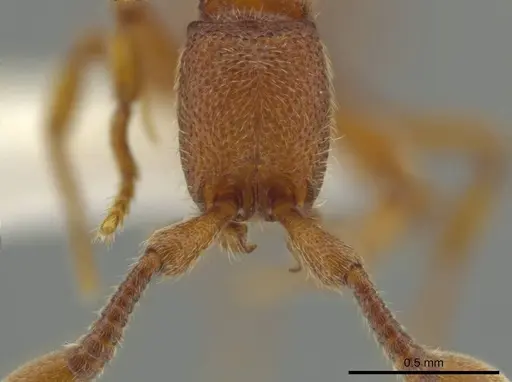
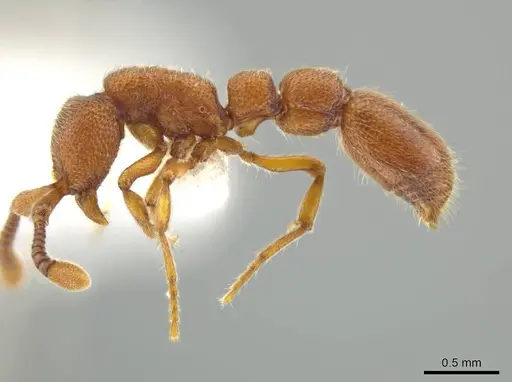
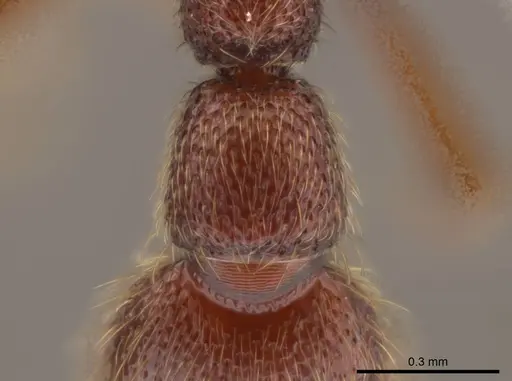
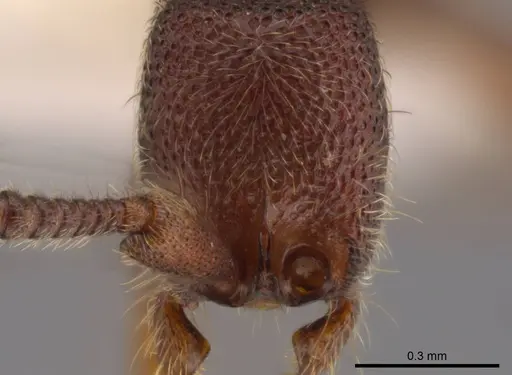
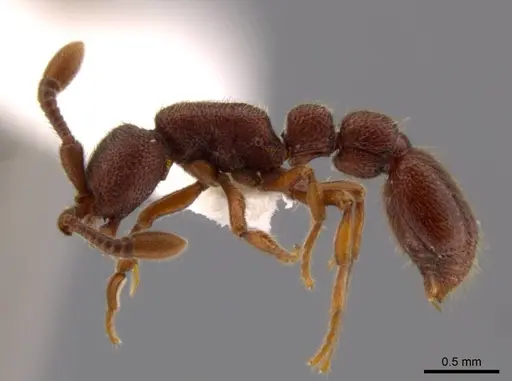
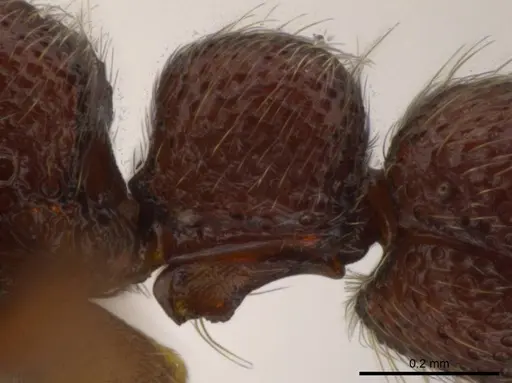
Workers are tiny. No total body length (TL) has been published, but head width (HW) is about 0.52–0.55 mm [1] – that’s smaller than many springtails. They have an orange‑brown color with fine, short standing hairs. The subpetiolar process (a small structure on the waist) is trapezoidal with a rounded or sharp posterior angle. The sides of abdominal segment III (AIII) are relatively flat, and those of AIV weakly convex. These details help separate them from other Syscia species [1]. Because they’re so small, you’ll need a microscope to confirm identification.
Natural Habitat and Distribution
Syscia sumnichti is known only from cloud forests in Guatemala and Nicaragua, at elevations between 1370 and 1650 m [1][2]. Cloud forests are humid, misty forests on tropical mountains. The elevation range suggests they prefer cooler conditions than lowland tropical ants. They’ve been collected exclusively from forest floor litter and rotting wood – they’re not surface‑active but live hidden in the leaf litter layer [1]. This means they need constant high humidity and won’t tolerate dry conditions.
Housing and Setup Recommendations
With no established husbandry, recommendations are based on their natural habitat. Use a naturalistic setup – a shallow container filled with damp soil and decomposed leaf litter, mimicking the cloud forest floor. This gives them hunting grounds for tiny prey. Because of their extremely small size, escape prevention must be perfect. Use small test tubes with cotton plugs and fine mesh barriers for a founding colony. For an established colony, a small plaster or Y‑tong nest with chambers scaled to their size works well. Avoid tall, open spaces – they prefer confined areas like leaf litter [1].
Feeding and Diet
As a Dorylinae species, Syscia sumnichti is likely predatory, but its tiny size means it can’t take down large prey. Based on its leaf‑litter habitat, it probably hunts micro‑arthropods like springtails, mites, and pot worms. In captivity, start with live springtails – they’re an appropriate size and are often accepted by similar tiny ants. Other small live prey (fruit fly larvae, tiny isopods) may also work. Sugar sources are probably not important – Dorylinae are typically strict predators. Offer small prey items, observe acceptance, and remove uneaten food to prevent mold.
Temperature and Humidity
Based on the 1370–1650 m cloud forest elevation [1], aim for cool, stable conditions: 18–22°C is a good starting point. Avoid prolonged temperatures above 25°C. High humidity is essential – cloud forests are constantly moist. Keep the substrate damp but not waterlogged, and create a gradient (moist on one side, slightly drier on the other) so the ants can choose. A shallow water reservoir in the setup can help maintain evaporation. Provide ventilation to balance moisture and prevent mold.
Frequently Asked Questions
How long does it take for Syscia sumnichti to develop from egg to worker?
The timeline is unknown – no development studies exist for this recently described species. Related Dorylinae typically take 4–8 weeks at warm temperatures, but that’s a rough guess with low confidence.
What do Syscia sumnichti ants eat?
Their diet is unconfirmed, but as a Dorylinae they are likely predatory on small invertebrates. Based on their leaf‑litter habitat, start with live springtails, pot worms, tiny mites, or fruit fly larvae.
Can beginners keep Syscia sumnichti?
No – this is an expert‑level species. It has no established care guidelines, requires specific conditions (high humidity, cool temps, tiny live prey), and was only described in 2021. Only attempt if you’re experienced and willing to experiment.
What temperature do Syscia sumnichti ants need?
Aim for 18–22°C, based on their cloud forest habitat between 1370 and 1650 m elevation [1]. Avoid overheating above 25°C. Stable, cool conditions are more important than warmth.
How big do Syscia sumnichti colonies get?
Colony size is unknown – no data exists. As a recently described species with no queens documented, the maximum colony size has never been studied.
Do Syscia sumnichti ants sting?
Stinging ability hasn’t been documented for this species, but Dorylinae generally have functional stingers. Given their tiny size, any sting would be negligible to humans.
What kind of nest should I use for Syscia sumnichti?
A naturalistic setup with damp soil and leaf litter best mimics their cloud forest floor home [1]. For founding colonies, use small test tubes with cotton plugs. Once the colony is larger, a small plaster or Y‑tong nest with tiny chambers works. Escape prevention is critical – use fine mesh barriers.
Do Syscia sumnichti need hibernation?
Diapause requirements are unknown. As a cloud forest species from high elevation, they may slow down during cooler months. Observe your colony and adjust feeding accordingly, but there are no studies to guide you.
Where is Syscia sumnichti found in the wild?
Known only from cloud forests in Guatemala and Nicaragua, at 1370–1650 m elevation [1][2]. The species was discovered in 2021 and remains poorly studied in the wild.
Can I keep multiple Syscia sumnichti queens together?
Colony structure is unknown – no queens have been documented. Combining unrelated queens is not recommended since there is no data on whether multiple queens are tolerated.
Why are my Syscia sumnichti dying?
Without established husbandry, mortality is hard to diagnose. Likely issues include: escape through tiny gaps, drying out from low humidity, overheating above 22°C, mold from excess moisture, or starvation if appropriate tiny prey isn’t available. This species demands careful attention to humidity, temperature, and escape prevention.
Is Syscia sumnichti available in the ant keeping hobby?
Extremely rare. It was only described in 2021 and has no established captive populations. Getting a colony would require finding a keeper who has successfully propagated it or collecting from the wild where legal.
Report an Issue
The current care sheet is based fully on literature. See inconsistencies, or something that's incorrect? Please , it will be resolved after review from an admin. Contributing to the blogs tab also helps providing information, to make us be able to further improve the caresheets. Thank you for your support!
References

This caresheet is licensed under CC BY-SA 4.0 .
Community Blogs
CASENT0612556
View on AntWeb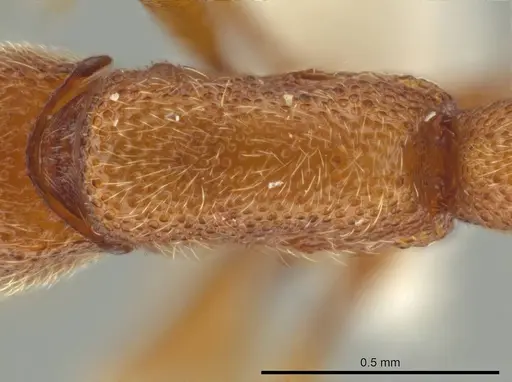
CASENT0623895
View on AntWeb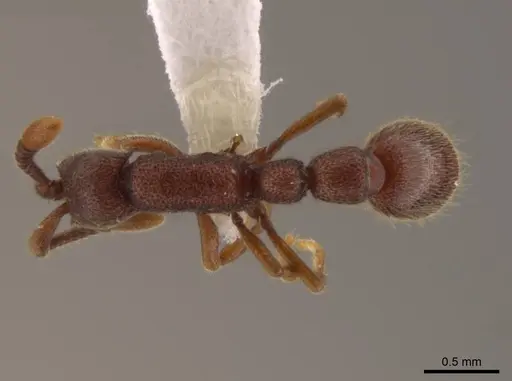
Literature
Loading distribution map...Loading products...