
Syscia minuta
- Sci. Name
- Syscia minuta
- Subfamily
- Dorylinae
- Author
- Longino & Branstetter, 2021
- Distribution
- Found in 2 countries
Introduction
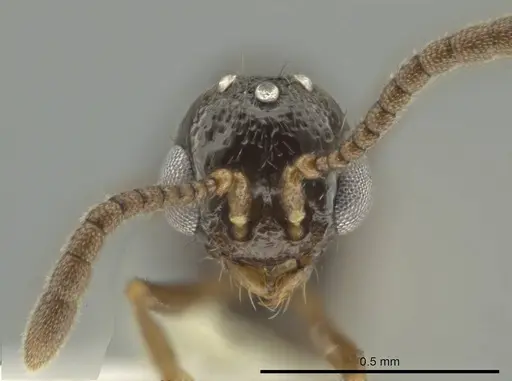
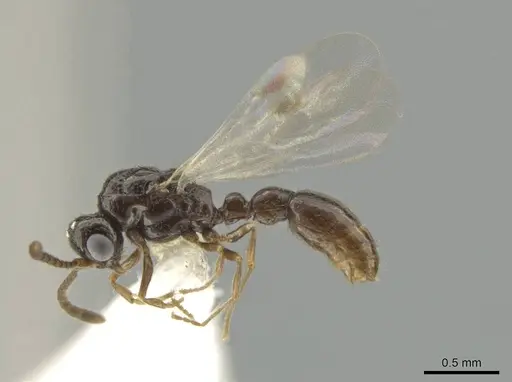
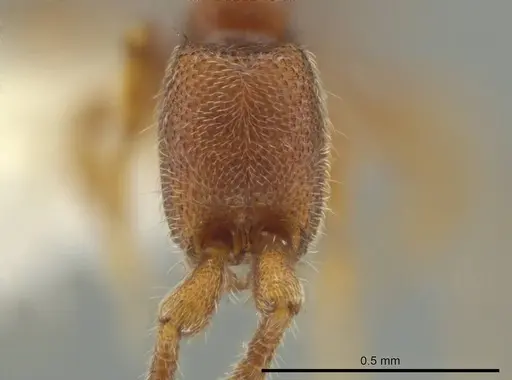
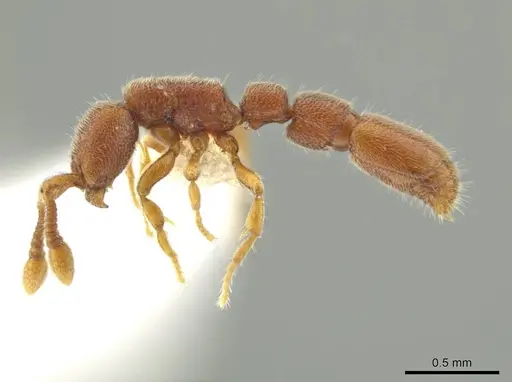
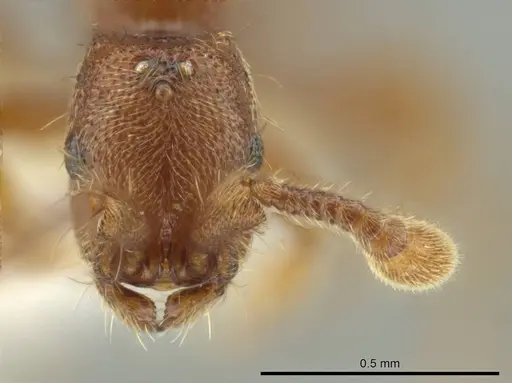
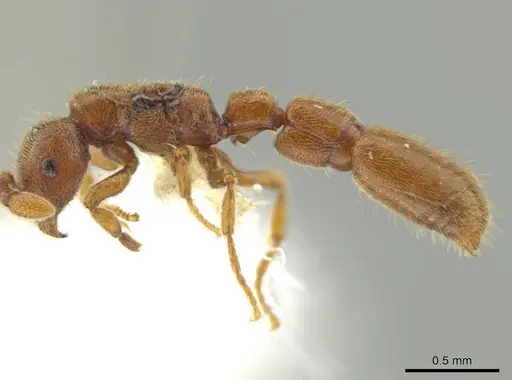
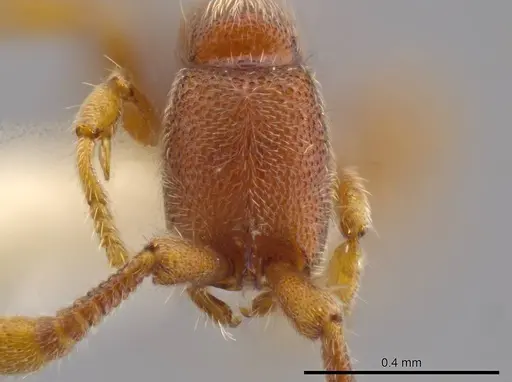
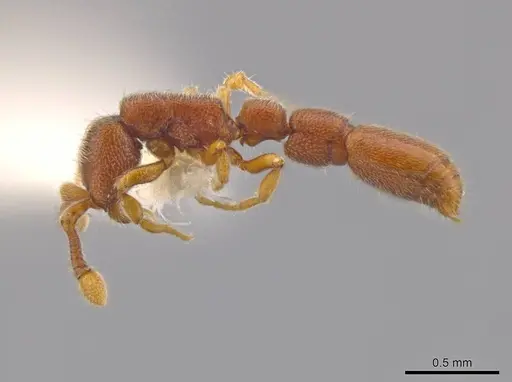
Syscia minuta is a tiny Neotropical army ant (subfamily Dorylinae) and one of the smallest known species in its genus. Workers are extremely small, making them among the tiniest ants you can keep. They range from Nicaragua through Costa Rica and Panama into Brazil, living in lowland wet forests from sea level to around 800m elevation . The species was formally described in 2021 by Longino and Branstetter, and genetic analysis suggests there may be multiple cryptic species hidden under this name . Colonies are small, typically containing around 30 workers plus a single queen and brood .
Quick Summary
- Difficulty: Medium
- Origin & Habitat: Lowland wet forests from Nicaragua to Brazil (Rondonia), sea level to ~800m elevation. Found in primary forest soil and leaf litter [1][2].
- Colony Type: Single-queen colonies (monogyne) [1].
- Size & Growth:
- Queen: size data unavailable (very small)
- Worker: size data unavailable (very small)
- Colony: Approximately 30 workers in natural colonies [1]
- Growth: Slow, small colony size suggests gradual development
- Development: Unknown, no direct data available. Based on related Dorylinae and tiny size, estimate 8-12 weeks at optimal temperature. (Development is unconfirmed for this species. Small colony size suggests slower growth than larger army ants [1].)
- Antkeeping:
- Temperature: Keep at 24-26°C. As a lowland tropical species, they need warm, stable conditions [1]. Avoid temperatures below 22°C.
- Humidity: High humidity required, think damp forest floor. Keep substrate consistently moist but not waterlogged. These forest-floor ants need very high humidity [1].
- Diapause: No, being a tropical species, they do not require hibernation. Maintain warm conditions year-round.
- Nesting: Natural colonies found in loose soil under stones and in leaf litter/soil cores [1]. In captivity, use a naturalistic setup with moist substrate (soil or plaster) deep enough to retain humidity. A small test tube setup with soil substrate can work for founding colonies.
- Behavior: Workers are predatory, specifically attacking other small ants like Strumigenys when prey is offered [1]. They are generalist predators like other Dorylinae. Being extremely tiny, escape prevention is critical, they can squeeze through remarkably small gaps. Colonies are small and relatively inactive compared to larger army ants. Workers are shy and stay within the nest substrate [1].
- Common Issues: tiny size makes escape likely without fine mesh barriers, use excellent escape prevention, small colony size means slow growth and vulnerability to disturbance, high humidity needs can lead to mold if ventilation is poor, predatory diet may be difficult to satisfy with appropriate live prey, tropical species may decline if temperatures drop below 22°C
Housing and Nest Setup
Syscia minuta requires a setup that mimics their natural forest-floor habitat. In the wild, colonies are found in loose soil beneath stones and in soil cores from leaf litter [1]. For captivity, a small naturalistic setup works best, a container filled with moist soil or a plaster nest that maintains humidity. Because they are extremely tiny, even small gaps in commercial formicaria can allow escapes. Use test tubes with cotton plugs for founding colonies, or a small plastic container with fine mesh ventilation. The nest area should be dark or shaded, as these are secretive ants that avoid light. Provide a small outworld for foraging, but ensure all connections are sealed with fluon or similar barriers [1].
Feeding and Diet
As a Dorylinae species, Syscia minuta is predatory. In observations, workers ignored most prey offered but did attack Strumigenys biolleyi when presented [1]. This suggests they specialize on other small ants, particularly Strumigenys species. In captivity, offer small live prey such as springtails, tiny isopods, and other micro-arthropods. You can also try offering small fruit flies or pinhead crickets, but acceptance may be limited. Unlike larger army ants that swarm prey, these tiny predators likely hunt individually or in small groups. Feed small prey items every 2-3 days and remove uneaten prey to prevent mold [1].
Temperature and Humidity
Syscia minuta is a lowland tropical species found in wet forests from sea level to about 800m elevation [1]. Keep temperatures in the range of 24-26°C, avoiding drops below 22°C. They need high humidity, aim for very moist conditions in the nest area. The substrate should remain consistently moist but never waterlogged. A water reservoir connected to the nest or regular light misting can maintain humidity. Avoid placing the colony near air conditioning or drafty areas that might cause temperature fluctuations. Being from stable tropical environments, they do not tolerate cold well [1].
Colony Structure and Growth
Natural colonies contain approximately 30 workers plus a single dealate queen and brood [1]. This is a small colony size compared to many army ants, which means growth will be slow. The queen is tiny but fully reproductive. Colonies likely grow gradually over many months or years. Do not expect rapid population explosions. Be patient with these ants and avoid disturbing the colony frequently. The small colony size also means the colony is more vulnerable to stress and environmental changes. A healthy established colony may eventually reach 50-100 workers, but this will take considerable time [1].
Handling and Temperament
These ants are extremely small and delicate. Workers are not aggressive toward humans and rarely use their stinger, but they do have a stinger like most Dorylinae. Their tiny size makes them challenging to observe and easy to lose. When maintaining the colony, work carefully and slowly. Avoid using bright lights near the nest as these forest-floor ants prefer darkness [1]. Colonies are secretive, with workers remaining within the substrate rather than foraging openly. Expect to see limited activity compared to larger, more visible ant species. The small size also means you may need magnification to properly observe and monitor the colony [1].
Frequently Asked Questions
How long does it take for Syscia minuta to produce first workers?
The exact development timeline is unconfirmed, but based on related Dorylinae and their tiny size, expect 8-12 weeks from egg to worker at optimal temperature (24-26°C). Growth will be slow given their naturally small colony size of around 30 workers [1].
Can I keep Syscia minuta in a test tube?
Yes, a test tube setup can work for founding colonies. Use a small test tube with moist cotton or soil substrate to maintain humidity. However, because of their tiny size, ensure the cotton is packed tightly and consider adding a fluon barrier to prevent escapes [1].
What do Syscia minuta ants eat?
They are predatory on other small ants, particularly Strumigenys species [1]. In captivity, offer small live prey like springtails, tiny isopods, and fruit flies. They may ignore larger prey items [1].
Are Syscia minuta good for beginners?
This species is rated Medium difficulty. While not aggressive, their tiny size, specific humidity needs, and predatory diet make them more challenging than common pet ants. They require careful attention to escape prevention and may be harder to feed than generalist species [1].
How big do Syscia minuta colonies get?
Natural colonies contain approximately 30 workers [1]. In captivity, a well-established colony might eventually reach 50-100 workers, but growth is slow and this takes considerable time [1].
Do Syscia minuta need hibernation?
No, as a tropical lowland species from Central America, they do not require hibernation. Keep them warm year-round at 24-26°C [1].
Why are my Syscia minuta escaping?
Their extremely small size means they can squeeze through tiny gaps. Use excellent escape prevention including fluon barriers, tight-fitting lids, and fine mesh on any ventilation. Check all connections and seals regularly [1].
Can I keep multiple Syscia minuta queens together?
No, natural colonies have a single queen (monogyne) [1]. Combining unrelated queens is not recommended and could result in fighting [1].
What is the best nest type for Syscia minuta?
A naturalistic setup with moist substrate works best, either a soil-filled container or a plaster nest that holds humidity. They naturally nest in loose soil under stones and in leaf litter [1]. Avoid dry nests or those with large open chambers [1].
Report an Issue
The current care sheet is based fully on literature. See inconsistencies, or something that's incorrect? Please , it will be resolved after review from an admin. Contributing to the blogs tab also helps providing information, to make us be able to further improve the caresheets. Thank you for your support!
References

This caresheet is licensed under CC BY-SA 4.0 .
Community Blogs
CASENT0628949
View on AntWeb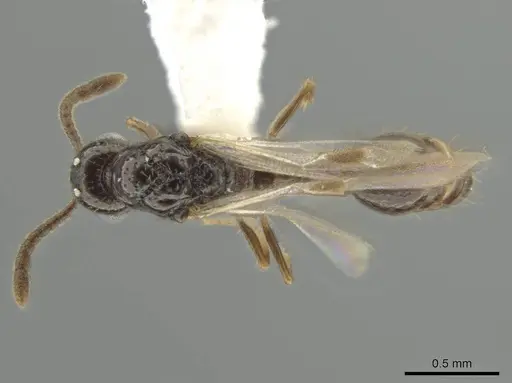
CASENT0644367
View on AntWeb
CASENT0644439
View on AntWeb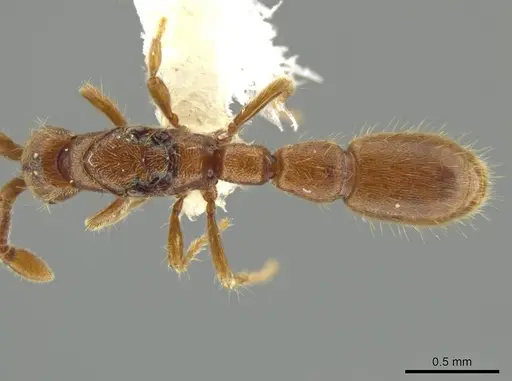
INBIOCRI001282487
View on AntWeb
INBIOCRI002281527
View on AntWeb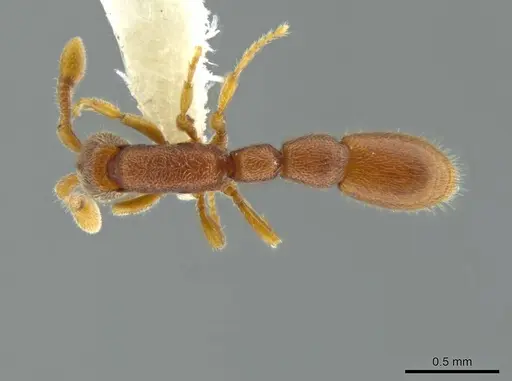
Literature
Loading distribution map...Loading products...