
Syscia machaquila
- Sci. Name
- Syscia machaquila
- Subfamily
- Dorylinae
- Author
- Longino & Branstetter, 2021
- Distribution
- Found in 2 countries
Introduction
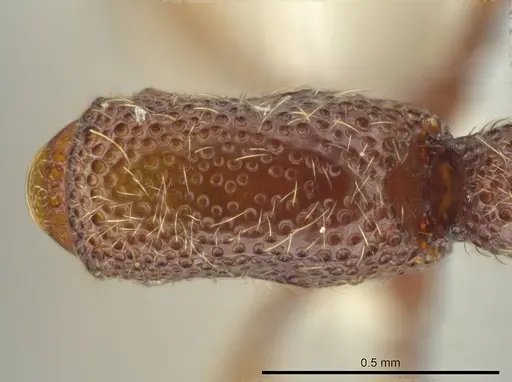
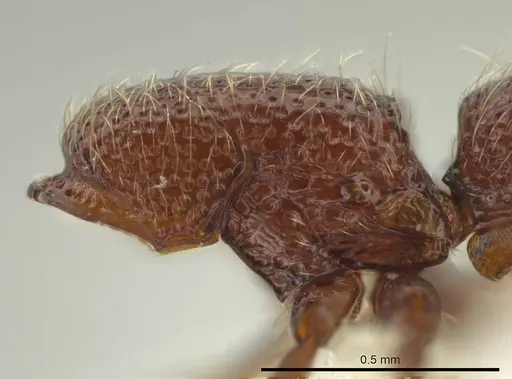
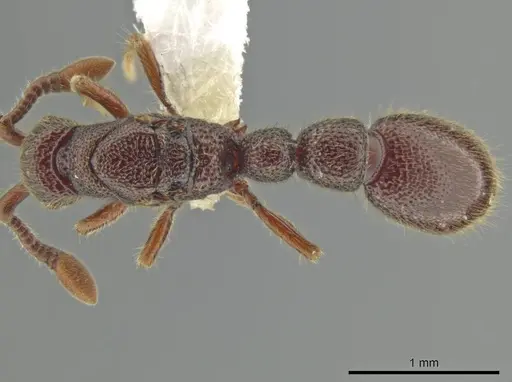
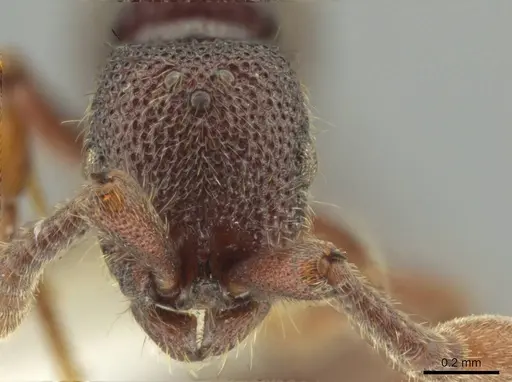
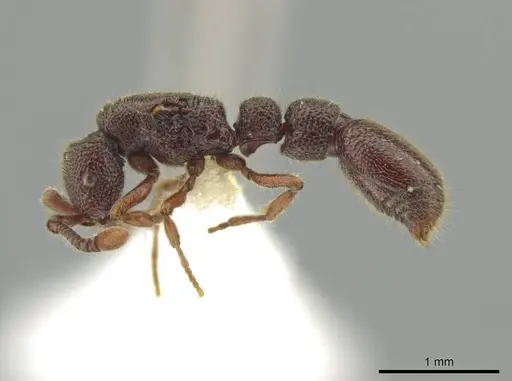
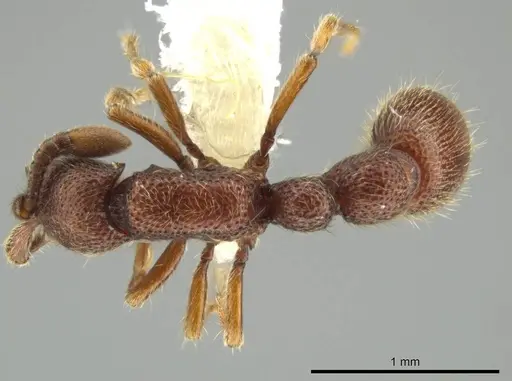
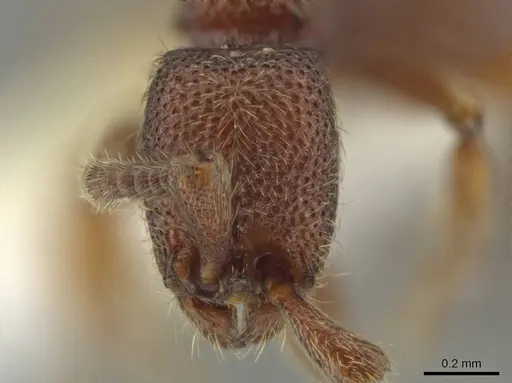
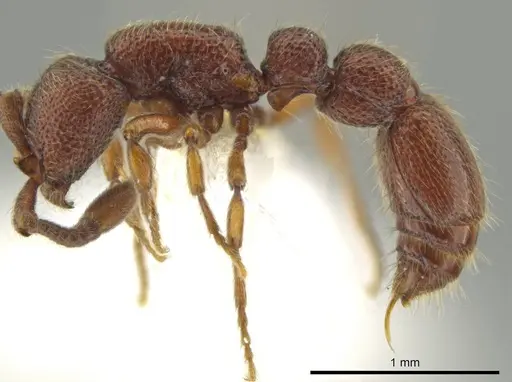
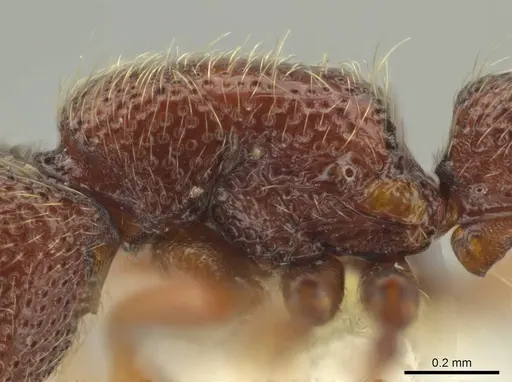
Syscia machaquila is a tiny reddish-brown ant from the Dorylinae subfamily, described in 2021 from Guatemala and Mexico . Workers are very small (total length estimated around 2-3 mm based on the genus) and have a functional stinger, though their size makes any sting negligible to humans. The species lives in lowland moist to wet tropical forests at elevations from 186 to 985 meters, specifically in the Petén region of Guatemala and Chiapas, Mexico . This is a cryptic leaf-litter ant that spends most of its time hidden in soil and decaying material. Most specimens have been collected by sifting leaf litter (Winkler samples) . Dealate queens have also been found in Winkler samples, and a few alate queens were collected in yellow pan traps . Because the genus Syscia contains many similar-looking species that were only recently separated by genetic analysis, our knowledge of these tiny ants is still growing.
Quick Summary
- Difficulty: Medium
- Origin & Habitat: Lowland moist to wet tropical forests in Guatemala (Petén) and Mexico (Chiapas), at elevations of 186-985 m [1].
- Colony Type: Unconfirmed, likely small colonies based on typical leaf-litter ant patterns. Most records are of single workers or dealate queens [1].
- Size & Growth:
- Queen: ~2-3 mm (inferred from Syscia genus, total length not directly reported) [1]
- Worker: ~2-3 mm (inferred from Syscia genus, total length not directly reported) [1]
- Colony: Unknown, likely small (under 500 workers, estimated) [1]
- Growth: Moderate (inferred from typical Dorylinae patterns)
- Development: Estimated 6-10 weeks at tropical temperatures (25-28°C) based on typical Dorylinae patterns (Not directly studied for this species. Tropical Dorylinae usually develop faster than temperate ants.)
- Antkeeping:
- Temperature: Keep at 24-28°C, they come from warm lowland tropical forests and need consistent warmth [1]. A heating cable on one side of the nest creates a suitable gradient.
- Humidity: High humidity (70-85%) is essential, think damp forest floor. Keep the nest substrate consistently moist but not waterlogged. These forest-floor dwellers dry out easily.
- Diapause: No, as a tropical species, they do not require hibernation. Maintain warm temperatures year-round.
- Nesting: Fine-textured substrate is essential for their tiny size. A plaster or Y-tong (AAC) nest with small chambers works well. They do well in naturalistic setups with damp soil/leaf litter. Avoid large open spaces. Never use acrylic nests.
- Behavior: These are cryptic, slow-moving ants that mostly stay hidden in substrate. They are not aggressive and will retreat from threats. Their tiny size makes escape prevention critical: they can squeeze through gaps that seem impossible. As Dorylinae, they are predatory on small invertebrates. Workers are not active surface foragers.
- Common Issues: escape prevention is critical due to extremely small size, use fine mesh (0.5mm or finer) and tight-fitting lids., high humidity requirements can lead to mold problems if ventilation is poor., tropical species will decline if temperatures drop below 22°C for extended periods., colony growth is slow, which may cause keepers to overfeed or disturb the nest., wild-caught colonies may carry parasites that can devastate the colony.
Housing and Nest Setup
Syscia machaquila needs careful housing because of its minute size. A small plaster or Y-tong (AAC) nest with chambers scaled to their tiny dimensions works best. The chambers should be tight enough that workers can walk across them without feeling exposed, these are cryptic ants that prefer confined spaces. Use fine-textured substrate like sand-clay mix or damp potting soil in any naturalistic areas. Test tube setups can work for founding colonies but monitor for flooding, their small size makes them vulnerable to water issues. Cover all ventilation holes with fine mesh (0.5mm or finer) as they will escape through standard mesh. A small outworld area is sufficient since they are not active surface foragers [1].
Temperature and Heating
As a lowland tropical species from Guatemala and Mexico, Syscia machaquila needs warm temperatures between 24-28°C [1]. They come from elevations below 1000m in consistently warm climates, so temperature stability matters more than exact numbers. Avoid placing their nest near air conditioning vents or cold windows. A heating cable placed on one side of the nest creates a gentle gradient that lets workers regulate their temperature. Room temperature (around 22-24°C) may be acceptable in warm homes, but monitor colony activity, if workers seem sluggish, add gentle heating. Never let temperatures drop below 22°C for extended periods.
Humidity and Moisture
High humidity is non-negotiable for this species. They inhabit the damp forest floor layer in tropical moist forests, so aim for 70-85% relative humidity in the nest area [1]. Keep the substrate consistently moist but not waterlogged, squeeze a bit of substrate and it should hold together without dripping. Allow some variation so ants can choose their preferred moisture level. In naturalistic setups, a layer of decaying leaves on top of damp soil helps maintain humidity while giving them cover. Mist the outworld occasionally but avoid direct spraying on the nest. Poor humidity causes workers to dry out and die quickly.
Feeding and Diet
Like other Dorylinae ants, Syscia machaquila is predatory and needs small live prey. Offer tiny arthropods like springtails, fruit flies, and small pinhead crickets. They will likely accept small insects like bloodworms, mosquito larvae, and isopods. Feed every 2-3 days, removing any uneaten prey after 24 hours to prevent mold. Sugar sources are not typically a significant part of Dorylinae diet, though you can offer a small drop of honey or sugar water occasionally, don't be concerned if they ignore it. Their tiny size means prey should be appropriately sized, anything larger than a fruit fly may be challenging for them to subdue. [1]
Colony Development
This is a recently described species (2021), so captive breeding information is limited [1]. Based on typical Dorylinae patterns, founding queens may seal themselves in a small chamber and raise the first brood alone on stored fat reserves (possible claustral founding), but this is unconfirmed. First workers (nanitics) will be very small. Colony growth is likely moderate, expect 6-10 weeks from egg to first worker at optimal temperatures. Mature colonies probably stay small (likely under 500 workers) given their cryptic leaf-litter lifestyle. Be patient with founding colonies, they are slow to establish and can be set back easily by temperature or humidity fluctuations.
Handling and Temperament
Syscia machaquila is a peaceful, non-aggressive species that will retreat rather than confront threats. As Dorylinae, they possess a functional stinger, but their tiny size means any sting would be negligible to humans, you are in no danger from them. They are cryptic by nature and spend most time hidden in substrate, so you won't see dramatic foraging displays. The biggest handling concern is escape, their minute size lets them squeeze through impossibly small gaps. Always use excellent escape prevention: fine mesh (0.5mm or finer), barrier tape, and tight-fitting lids. When observing, use red light or wait until evening when they are most active. [1]
Frequently Asked Questions
How long does it take for Syscia machaquila to get their first workers?
Expect 6-10 weeks from egg to first worker at optimal temperatures (24-28°C). This is an estimate based on typical Dorylinae development patterns since this species was only recently described and hasn't been studied in captivity yet.
Can I keep Syscia machaquila in a test tube?
Yes, test tubes work for founding colonies. Use a small test tube with a water reservoir, but monitor closely for flooding, their tiny size makes them vulnerable to drowning. Transfer to a proper nest once the colony reaches 15-30 workers.
Do Syscia machaquila ants sting?
Yes, as Dorylinae they have a functional stinger. However, their minute size (body length estimated around 2-3 mm) means any sting would be negligible to humans, you would barely feel it, if at all.
What do Syscia machaquila eat?
They are predatory on small invertebrates. Feed tiny live prey like springtails, fruit flies, and small bloodworms. Offer prey every 2-3 days and remove uneaten items. Sugar sources are optional, they may ignore honey or sugar water.
Are Syscia machaquila good for beginners?
They are rated Medium difficulty. Their high humidity needs and tiny size make them challenging for complete beginners, but experienced antkeepers should find them manageable. Their cryptic nature means less activity to observe than larger species.
How big do Syscia machaquila colonies get?
Colony size is not well documented, but based on their cryptic leaf-litter lifestyle, colonies likely stay small, probably under 500 workers. They are not large colony builders.
Do Syscia machaquila need hibernation?
No, they are a tropical species from Guatemala and Mexico and do not require hibernation. Keep them warm year-round (24-28°C). Dropping temperatures below 22°C for extended periods can harm the colony.
Why are my Syscia machaquila escaping?
Their extremely small size (body length estimated around 2-3 mm) means they can escape through gaps that seem impossible. Use fine mesh (0.5mm or finer), apply barrier tape around openings, and ensure all lids fit tightly. Check for any tiny gaps around tubing connections.
When should I move my Syscia machaquila to a formicarium?
Move from test tube to a proper nest when the colony reaches 15-30 workers. Use a small nest with appropriately sized chambers, too-large chambers stress these tiny ants. A plaster or Y-tong (AAC) nest with small chambers works well.
Why is my Syscia machaquila colony declining?
Common causes include: temperatures below 22°C, low humidity (below 70%), poor escape prevention (check for tiny gaps), parasites from wild-caught colonies, or mold from overwatering. Review all care parameters and make adjustments gradually.
Report an Issue
The current care sheet is based fully on literature. See inconsistencies, or something that's incorrect? Please , it will be resolved after review from an admin. Contributing to the blogs tab also helps providing information, to make us be able to further improve the caresheets. Thank you for your support!
References

This caresheet is licensed under CC BY-SA 4.0 .
Community Blogs
Literature
Loading distribution map...Loading products...