
Syscia latepunctata
- Sci. Name
- Syscia latepunctata
- Subfamily
- Dorylinae
- Author
- Longino & Branstetter, 2021
- Distribution
- Found in 1 countries
Introduction
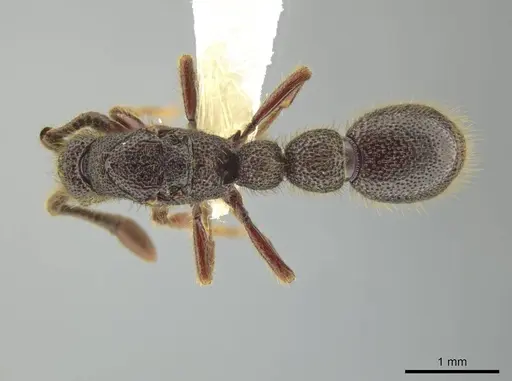
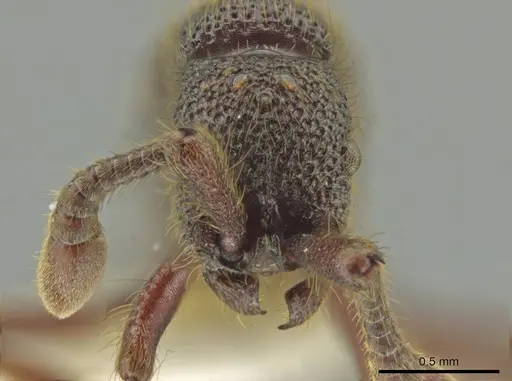
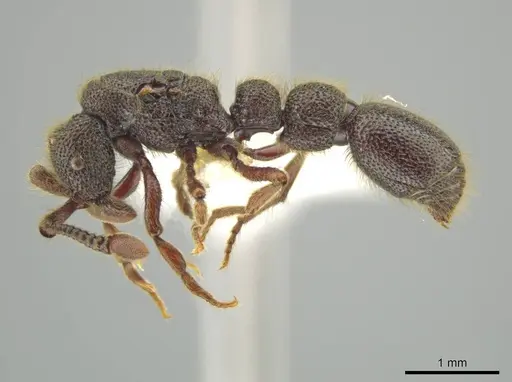
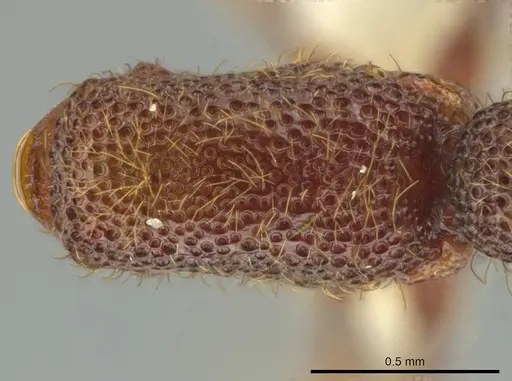
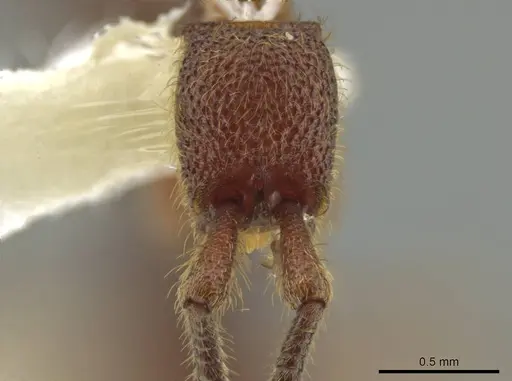
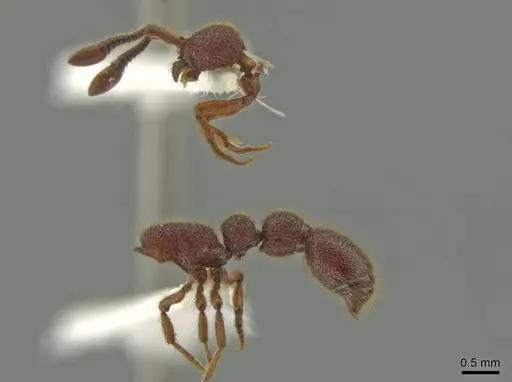
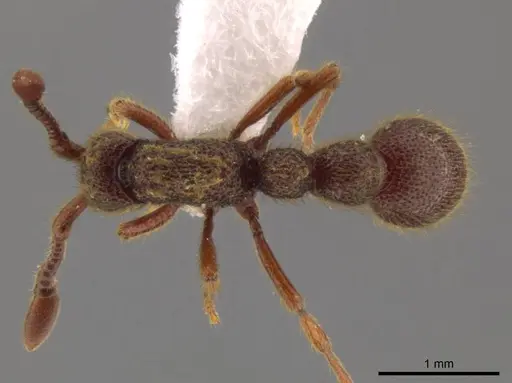
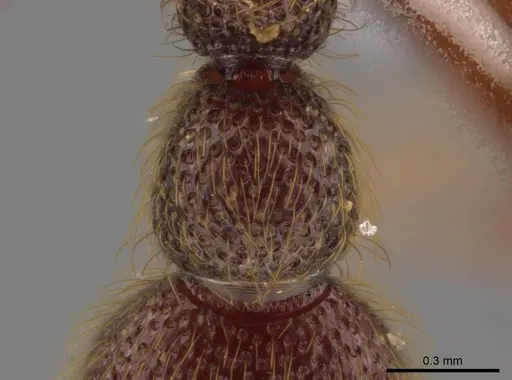
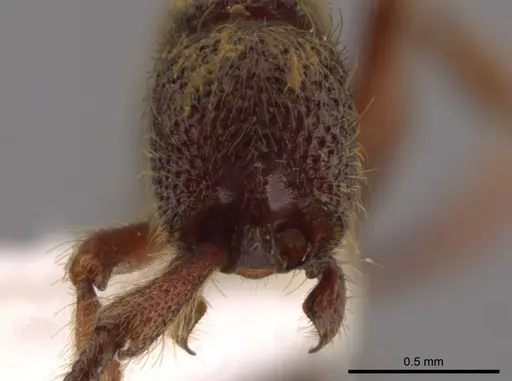
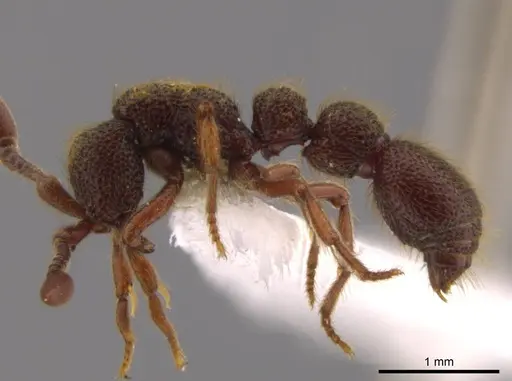
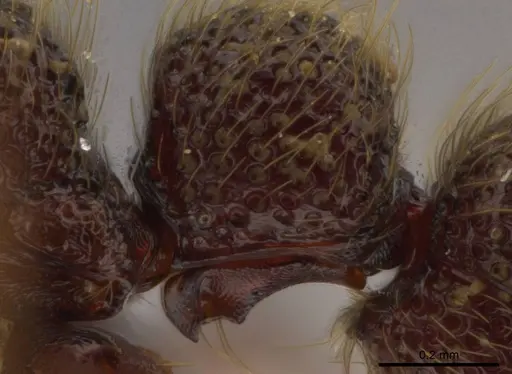
Syscia latepunctata is a tiny leaf-litter ant from the tropical rainforests of Costa Rica. It was formally described in 2021 based on specimens collected from lowland sites in Limón province. Workers are very small (body length not directly recorded but inferred around 2-3 mm), reddish-brown, and covered in long, coarse hairs . The species is known only from a few localities, including the Hitoy-Cerere Biological Reserve and La Selva Biological Station, where it lives in the organic layer of the forest floor near streams . As a member of the Dorylinae subfamily (army ants), it is a predator that hunts small invertebrates in the soil and litter .
Quick Summary
- Difficulty: Hard
- Origin & Habitat: Endemic to Costa Rica (Limón province). Found in lowland tropical rainforest leaf litter at elevations of 200-670 m, often near small streams [1].
- Colony Type: Colony structure is unconfirmed. Based on typical Dorylinae patterns, it is likely monogyne (single queen) with a modest workforce, but this has not been directly studied [1].
- Size & Growth:
- Queen: size unknown, inferred from Syscia genus (~3-4 mm)
- Worker: size unknown, inferred from Syscia genus (~2-3 mm)
- Colony: Unknown, likely under a few hundred workers (inferred from related leaf‑litter Dorylinae)
- Growth: Unknown (inferred moderate)
- Development: Unconfirmed, estimate 6-8 weeks under tropical conditions (inferred from related species) (Development has not been directly observed for this species.)
- Antkeeping:
- Temperature: Likely 22-26 °C, based on lowland tropical rainforest habitat [1]. Avoid extremes below 20 °C or above 28 °C.
- Humidity: High (moist substrate). The nest material should be kept consistently damp but not waterlogged, mimicking the forest floor [1].
- Diapause: No (tropical species). No winter diapause is expected, but slight seasonal cooling is tolerable if gradual.
- Nesting: Leaf‑litter and soil dweller. Provide a deep substrate layer (5-8 cm) of moist soil/peat. Y‑tong or plaster nests with small chambers can also work, but naturalistic setups are preferred [1].
- Behavior: Predatory on small invertebrates. Workers forage in the leaf litter, likely individually or in small groups. Their tiny size makes escape prevention critical, use fine mesh and tight lids. They are not aggressive toward humans and do not sting [1].
- Common Issues: escape prevention is critical due to their tiny size, use fine mesh and tight-fitting lids., high humidity requirements can lead to mold growth if ventilation is inadequate., constant protein supply needed: small live prey (springtails, fruit flies), lack of protein is a common cause of colony decline., newly described species (2021), captive husbandry information is limited, wild‑caught colonies may struggle., stress from handling or insufficient substrate depth can cause colony abandonment.
Housing and Nest Setup
Because Syscia latepunctata lives in the leaf‑litter layer, a naturalistic terrarium works best. Fill a container with 5-8 cm of moist substrate (a mix of soil, peat, and rotting leaves). Alternatively, use a Y‑tong or plaster nest with very small chambers to match the ants’ tiny size. Provide a water source (moist cotton or a small water gel dish). Cover part of the enclosure to create darker, humid retreats. Escape prevention is paramount, these ants can slip through tiny gaps, so seal all ventilation with fine mesh and ensure tight lids [1].
Feeding and Diet
As a Dorylinae predator, Syscia latepunctata needs a steady supply of small live invertebrates. Offer springtails, fruit flies, tiny crickets, or other micro‑arthropods every 2-3 days. Pre‑killed prey may be accepted but live prey triggers natural foraging. Remove uneaten food after 24 hours to prevent mold. Sugar sources are not necessary, this species relies primarily on protein [1].
Temperature and Humidity
Maintain warm, stable conditions between 22-26 °C. Avoid temperatures below 20 °C or above 28 °C. Humidity should be high, keep the substrate moist but not waterlogged. Mist regularly and provide good ventilation to prevent mold. A shallow water dish can boost humidity. Create both moist and slightly drier areas so the ants can self‑regulate [1].
Behavior and Colony Dynamics
Syscia latepunctata is a small, secretive predator. Workers hunt small invertebrates in the leaf litter, likely alone or in small groups, not in massive columns like some army ants. They are not aggressive toward humans and lack a strong sting. Colonies are probably modest (under a few hundred workers). These ants are sensitive to disturbance, keep conditions stable and minimize handling. Their tiny size makes escape prevention absolutely essential [1].
Acquiring and Establishing a Colony
Described only in 2021 and known only from Costa Rica, Syscia latepunctata is rarely available. Wild‑caught colonies are difficult to obtain and export, and captive breeding is not well established. If you acquire a colony, move it into a stable, humid setup immediately and minimize disturbance during the first weeks. This is a challenging species for experienced keepers only [1].
Frequently Asked Questions
How long does it take for Syscia latepunctata to develop from egg to worker?
The development time has not been studied. Based on typical Dorylinae in tropical conditions, an estimate of 6-8 weeks at 24-26 °C is reasonable, but this is not confirmed.
Can I keep Syscia latepunctata in a test tube setup?
A test tube can work for a founding queen or tiny colony, but the species prefers a naturalistic setup with deep, moist substrate. For established colonies, a terrarium with leaf litter is much more suitable.
What do Syscia latepunctata eat?
They are predators. Feed small live prey such as springtails, fruit flies, and tiny crickets. They may also take pre‑killed insects. Sugar water is not needed. Offer food every 2-3 days.
Are Syscia latepunctata good for beginners?
No. This is a challenging species. It was described in 2021,so captive care knowledge is limited. It has strict humidity and temperature needs, requires constant live prey, and its tiny size makes escape prevention critical. Not recommended for beginners.
How big do Syscia latepunctata colonies get?
Colony size is not documented. Based on related leaf‑litter Dorylinae, colonies likely stay under a few hundred workers. They are not a large‑colony species.
Do Syscia latepunctata need hibernation or diapause?
They are tropical and do not require a winter diapause. Keep them warm year‑round. Slight temperature drops are tolerated if gradual, but avoid prolonged cold.
Where is Syscia latepunctata found in the wild?
Only in Costa Rica (Limón province). It lives in lowland tropical rainforest leaf litter at 200-670 m elevation, often near small streams. Known from Hitoy‑Cerere Biological Reserve and La Selva Biological Station [1].
Why are my Syscia latepunctata dying?
Common causes: insufficient humidity (drying out), lack of protein (no live prey), escape through tiny gaps, temperature stress, or mold from poor ventilation. Ensure your setup matches their natural habitat. Wild‑caught colonies may also have parasites.
When should I move my colony to a formicarium?
Move when the colony has at least 20-30 workers and is well established. Use gentle methods (heat gradient or light) and provide a setup with small, humid chambers. A naturalistic setup is often better than a traditional formicarium for this species.
Report an Issue
The current care sheet is based fully on literature. See inconsistencies, or something that's incorrect? Please , it will be resolved after review from an admin. Contributing to the blogs tab also helps providing information, to make us be able to further improve the caresheets. Thank you for your support!
References

This caresheet is licensed under CC BY-SA 4.0 .
Community Blogs
Literature
Loading distribution map...Loading products...