
Syllophopsis hildebrandti
- Sci. Name
- Syllophopsis hildebrandti
- Tribe
- Solenopsidini
- Subfamily
- Myrmicinae
- Author
- Forel, 1892
- Distribution
- Found in 3 countries
Introduction
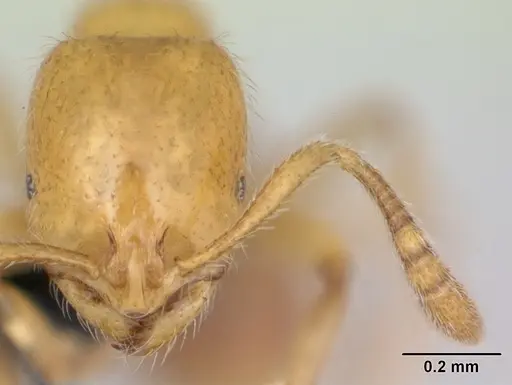
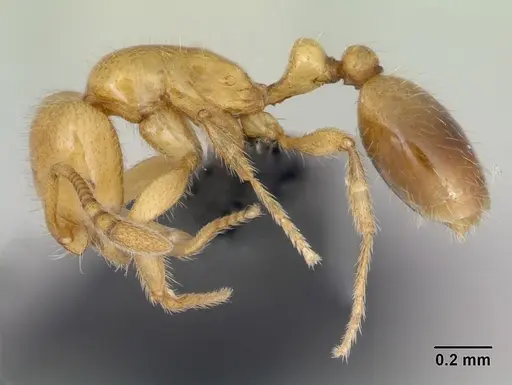
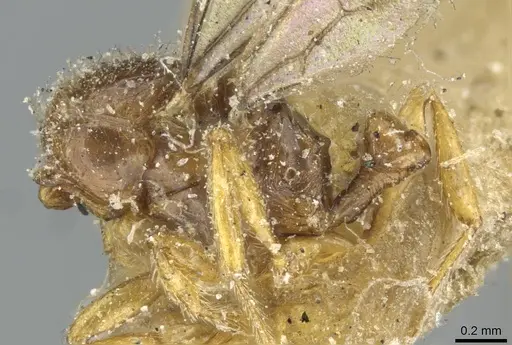
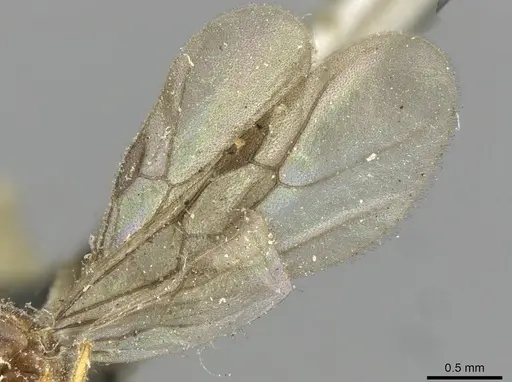
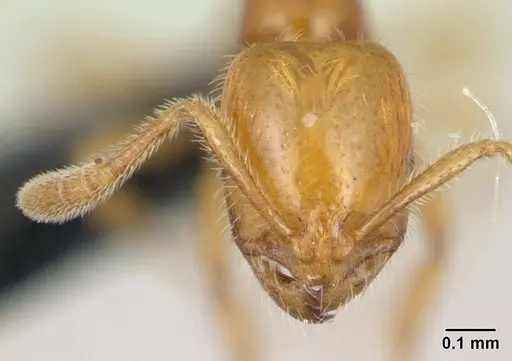
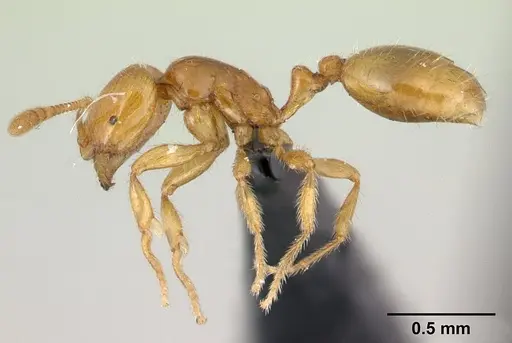
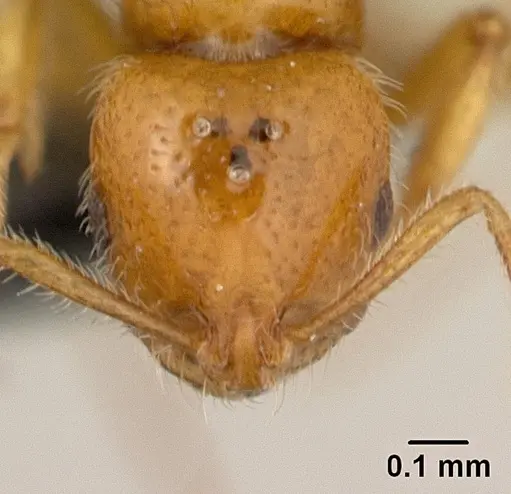
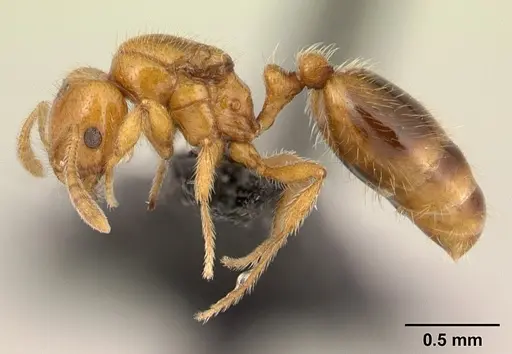
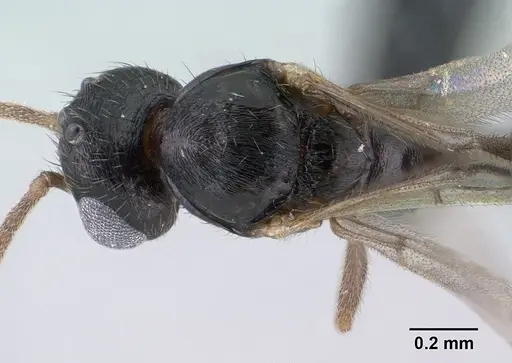
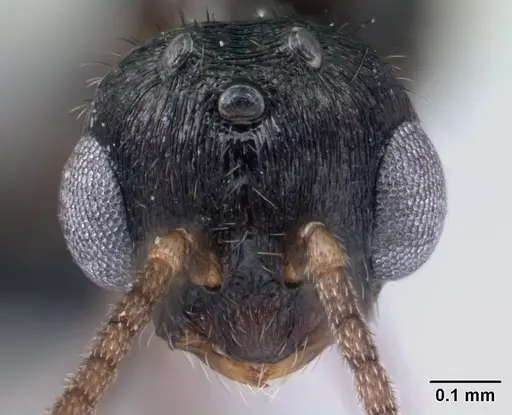
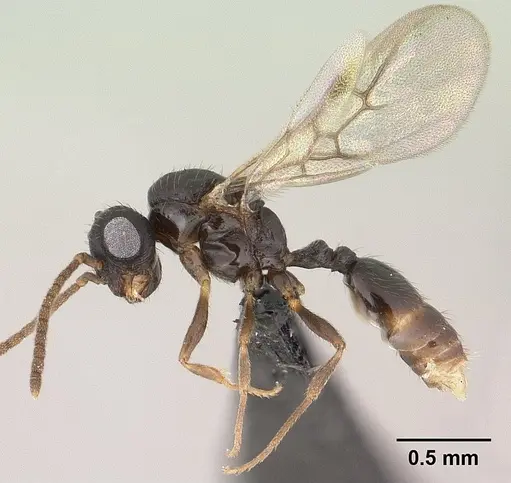
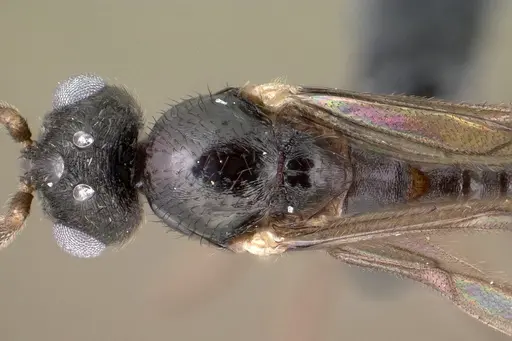
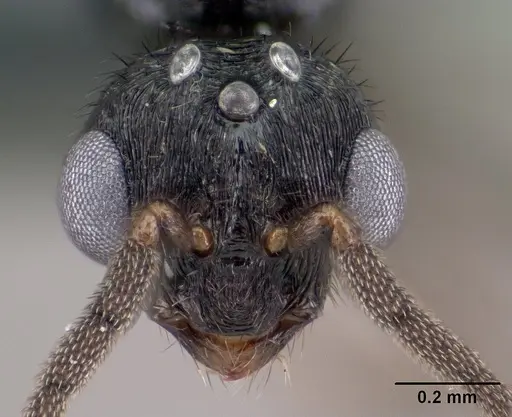
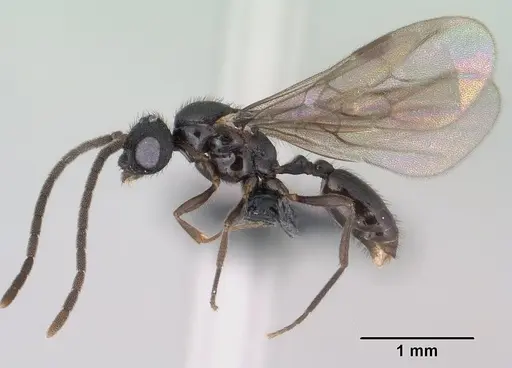
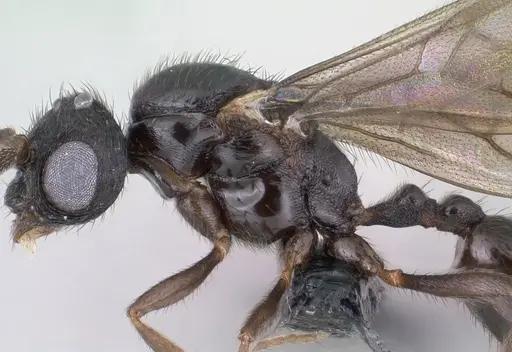
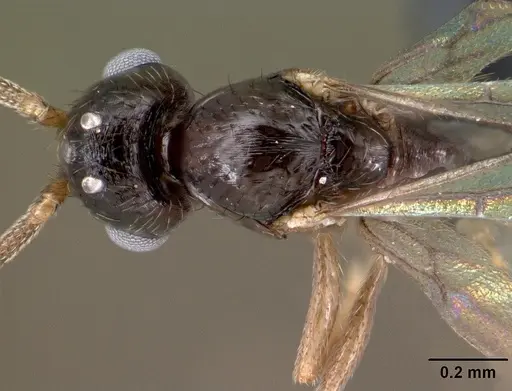
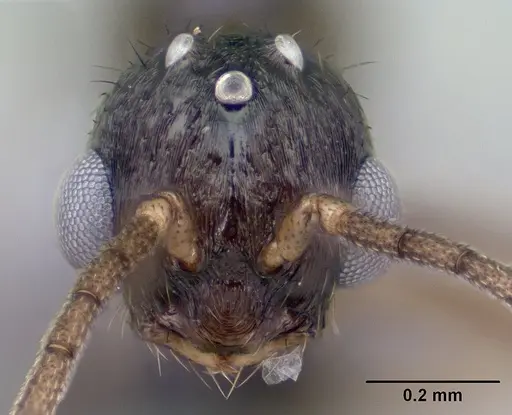
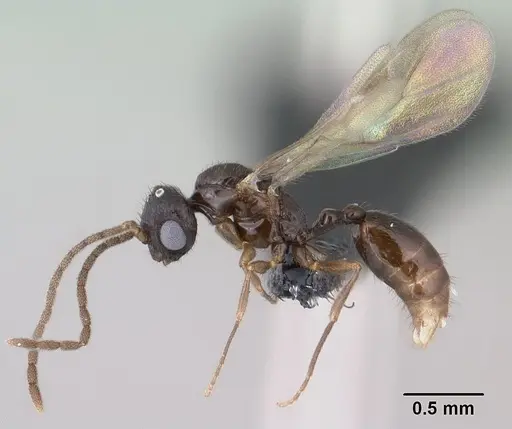
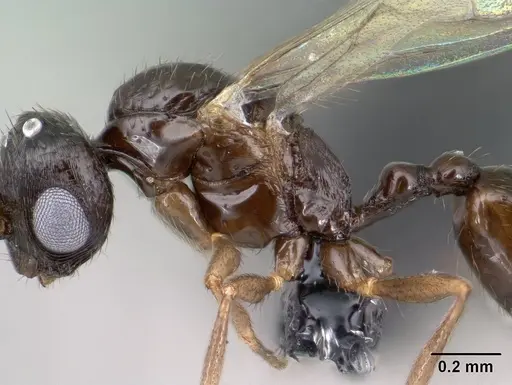
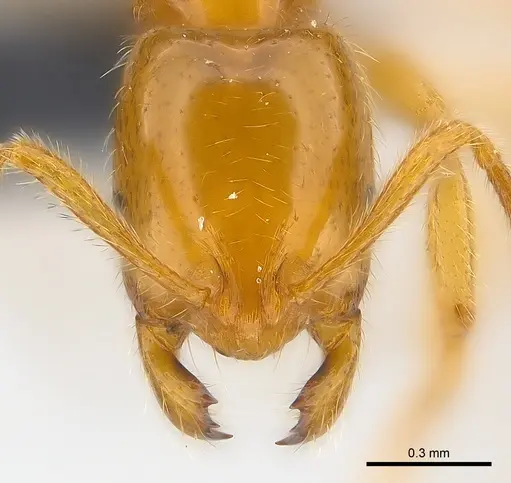
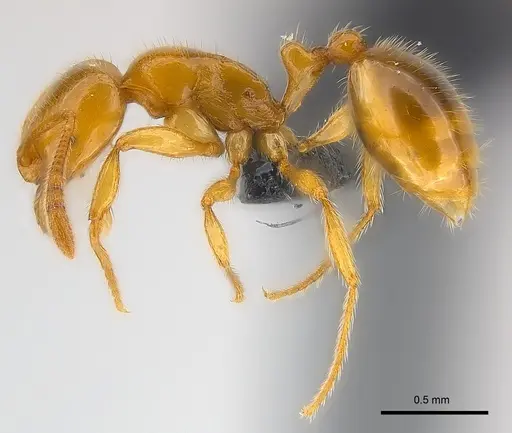
Syllophopsis hildebrandti is a tiny myrmicine ant native to Madagascar and surrounding islands like Comoros and Mayotte . Workers are very small (size data unavailable, but head+mesosoma length 1.18–2.12 mm) . Their color varies wildly from pale yellow to light brown, sometimes with a reddish-orange mesosoma and nodes . Queens are larger (head+mesosoma length 3.21–4.13 mm) and have a heavily sculptured body with a unique postpetiole that is tall and narrow . The species shows incredible variation across Madagascar, with different populations having different worker morphologies . Formerly classified as *Monomorium hildebrandti*, it was moved to *Syllophopsis* in 2015 .
Quick Summary
- Difficulty: Medium
- Origin & Habitat: Madagascar and nearby islands (Comoros, Mayotte) [1]. Found in all native habitats from coastal areas to central highlands. Nests in rotting tree stumps, under stones, and in leaf litter [1]. Ground-nesting species that prefers natural, undisturbed areas.
- Colony Type: Colony structure is unconfirmed. Ergatoid (wingless) queens have been documented, suggesting that if the primary queen dies, a worker may take over as a replacement reproductive [1].
- Size & Growth:
- Queen: Size data unavailable (detailed morphometric data exists but no total length reported, head+mesosoma length 3.21–4.13 mm) [1]
- Worker: Size data unavailable (head+mesosoma length 1.18–2.12 mm) [1]
- Colony: Unknown – no wild colony size data available
- Growth: Moderate (inferred from related Myrmicinae species)
- Development: 6–10 weeks (estimated from related Solenopsidini, no species-specific data exists) (This is a rough estimate. The first workers (nanitics) will be smaller than mature workers.)
- Antkeeping:
- Temperature: As a tropical species from Madagascar, it needs warm conditions year-round. A temperature gradient around 22–26°C is likely ideal [1]. Avoid temperatures below 20°C.
- Humidity: Moderate humidity – roughly substrate that is slightly moist but not waterlogged. Their natural nesting sites (rotting wood, under stones) suggest consistent moisture without flooding.
- Diapause: No – tropical species, no hibernation needed. Keep stable warmth year-round [1].
- Nesting: In nature they nest in rotting tree stumps, under stones, and in leaf litter [1]. For captivity, Y-tong (AAC), plaster nests, or 3D-printed nests with tight, small chambers work well. Test tubes are fine for founding. Avoid tall, open spaces.
- Behavior: These are small, peaceful ants. They are not aggressive and rarely attempt to sting keepers. Their main challenge is their tiny size – they are excellent escape artists. Use fine mesh (0.5 mm or smaller), fluon barriers, and check all seals. Workers are active foragers that search for small food items.
- Common Issues: escape prevention is critical due to their very small size – they can squeeze through gaps larger ants cannot., wild-caught colonies may carry parasites, quarantine or carefully screen wild queens., slow colony growth can lead to overfeeding, offer small amounts of food 2–3 times per week., tropical species cannot tolerate cold – keep temperature above 20°C year-round., test tube water reservoirs must be properly sized to avoid flooding the tiny founding chamber.
Housing and Nest Setup
Syllophopsis hildebrandti is tiny, so you need to scale down your setup. In the wild they nest in rotting tree stumps, under stones, and in leaf litter [1]. For captivity, use a Y-tong (AAC), plaster, or 3D-printed nest with small, tight chambers. A test tube works well for a founding colony – just make sure the cotton plug is secure and the water reservoir isn't too large (they don't need much water). Because workers are under 2 mm, even small gaps can become escape routes. Use fluon on exposed edges and fine mesh (0.5 mm or smaller) on ventilation. Check all connection points regularly.
Feeding and Diet
Like other Solenopsidini, this ant is probably omnivorous. In the wild they likely hunt small insects and collect honeydew. In captivity, offer tiny protein sources like fruit flies, pinhead crickets, or pieces of mealworm. Also offer diluted honey or sugar water. Because the workers are so small, cut food into appropriately tiny pieces – whole prey must be small enough for them to carry. Feed 2–3 times per week and remove uneaten food after 24 hours to avoid mold. A well-fed colony will have workers with noticeably swollen gasters.
Temperature and Seasonal Care
This is a tropical species from Madagascar, so it needs warmth all year [1]. Keep the nest at 22–26°C. You can create a temperature gradient with a small heating cable on one side. Avoid direct heat on water reservoirs. They do not need any winter cooling – keep conditions stable. If you see workers moving slowly or clustering, the setup may be too cold.
Colony Founding
There is no confirmed information on how queens of this species found a colony. Based on their small size and Myrmicinae relatives, it is likely that a newly mated queen seals herself in a small chamber and raises the first workers alone (claustral founding), but this has not been verified. If you catch a queen, provide a dark, undisturbed test tube setup. Do not disturb her – stress can cause brood abandonment. Once the first workers appear (nanitics), you can begin offering small food items. [1]
Behavior and Temperament
These ants are peaceful and not aggressive toward keepers. They have a sting (as members of Solenopsidini) that contains piperidine alkaloids, but the sting is not painful to humans. The real challenge is their size: they can slip through tiny gaps, so escape-proof your setup carefully. Workers are active foragers and will explore their outworld. They do not tend to climb well on slippery surfaces, so fluon or PTFE barriers work well.
Frequently Asked Questions
How long does it take for Syllophopsis hildebrandti to produce first workers?
No species-specific development data exists. Based on related Solenopsidini, you can estimate 6–10 weeks from egg to first worker at 22–26°C. The first workers (nanitics) will be smaller than mature workers.
Can I keep multiple queens together?
Unknown. There is no evidence that this species is polygyne or that queens coexist. It is safest to keep only one queen per setup.
What is the best nest type for Syllophopsis hildebrandti?
A Y-tong (AAC) nest or plaster formicarium with small chambers works well. They prefer tight, compact spaces. Test tubes are fine for founding colonies. Avoid large, open areas. [1]
Are Syllophopsis hildebrandti good for beginners?
They are intermediate difficulty. They are not aggressive, but their tiny size makes escape prevention tricky, and they need stable warmth year-round. If you can manage those, they are manageable.
How often should I feed my colony?
Offer food 2–3 times per week. Remove uneaten food after 24–48 hours. Adjust based on consumption – a well-fed colony will have workers with full gasters.
Why are my Syllophopsis hildebrandti escaping?
Because they are so small, they can squeeze through gaps that seem sealed to you. Check all seals, use fine mesh (0.5 mm or smaller), apply fluon barriers, and test your setup with a test ant before moving the whole colony.
Do they need hibernation?
No. As a tropical species from Madagascar, they do not require any cooling period. Keep them at 22–26°C year-round [1].
How big do colonies get?
Unknown. No data on wild colony size. Based on their small worker size, you might expect several hundred workers at maturity, but this is speculative.
Report an Issue
The current care sheet is based fully on literature. See inconsistencies, or something that's incorrect? Please , it will be resolved after review from an admin. Contributing to the blogs tab also helps providing information, to make us be able to further improve the caresheets. Thank you for your support!
References

This caresheet is licensed under CC BY-SA 4.0 .
Community Blogs
CASENT0023410
View on AntWeb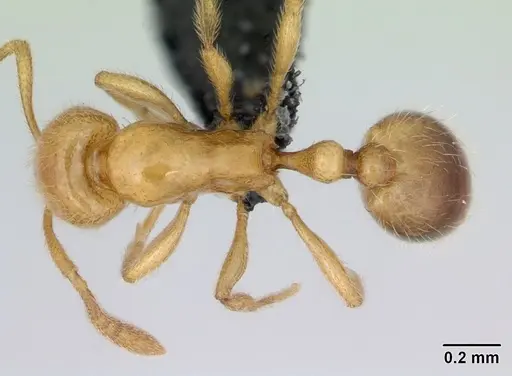
CASENT0101643
View on AntWeb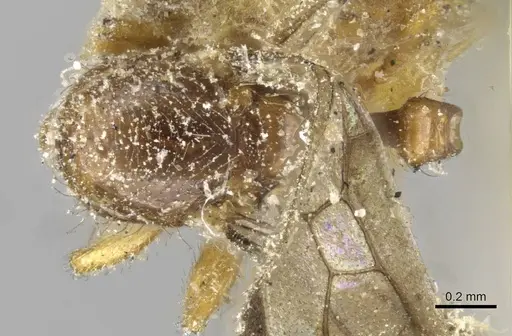
CASENT0133579
View on AntWeb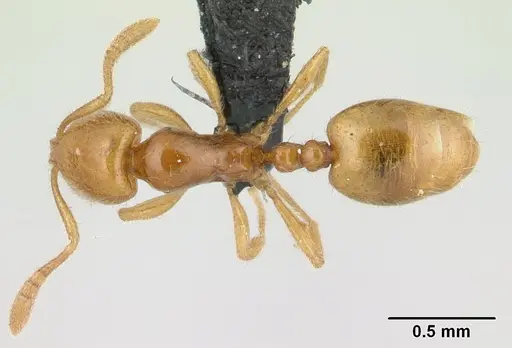
CASENT0133645
View on AntWeb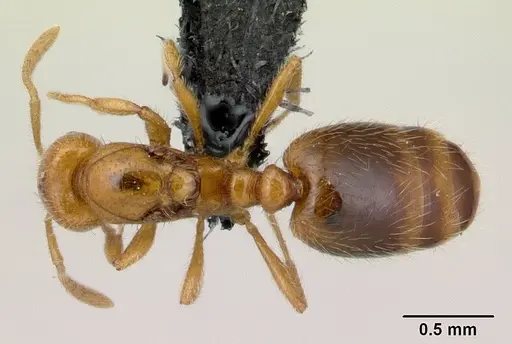
CASENT0134589
View on AntWeb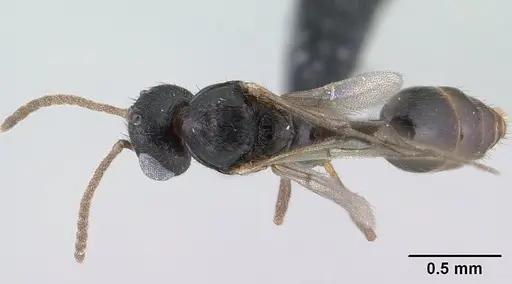
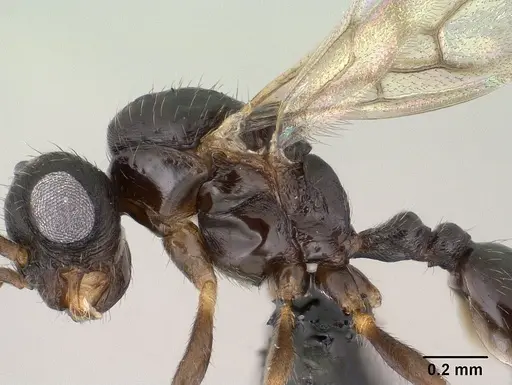
CASENT0135746
View on AntWeb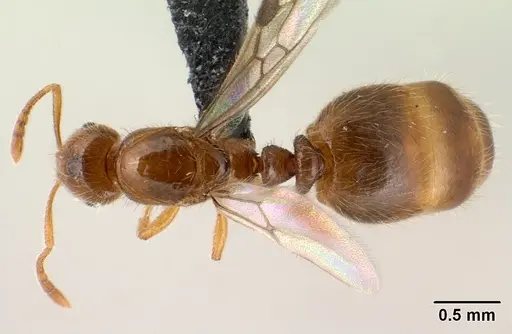
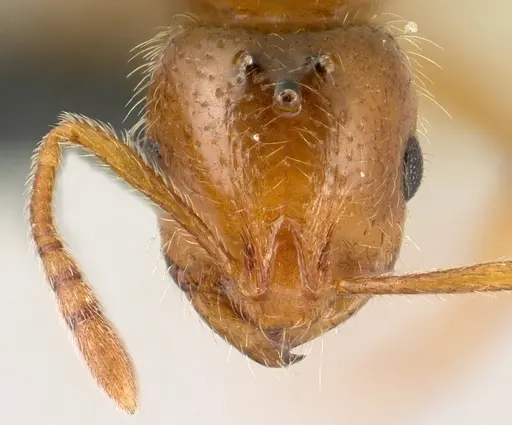
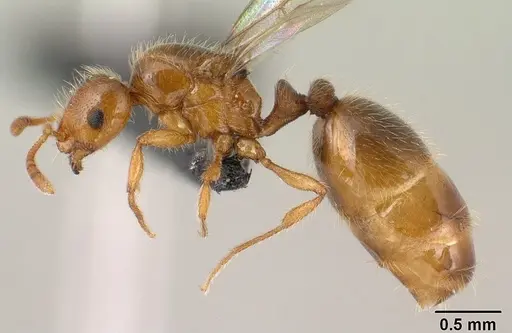
CASENT0143677
View on AntWeb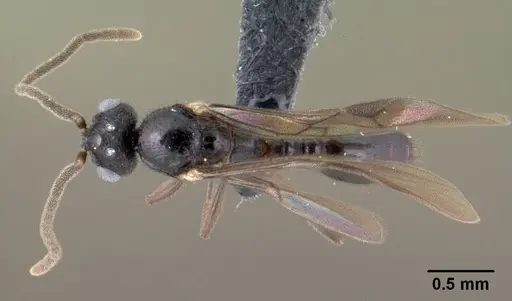
CASENT0143763
View on AntWeb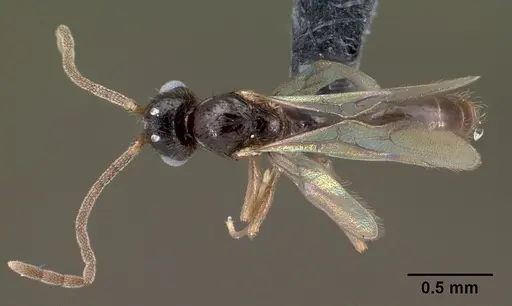
CASENT0148988
View on AntWeb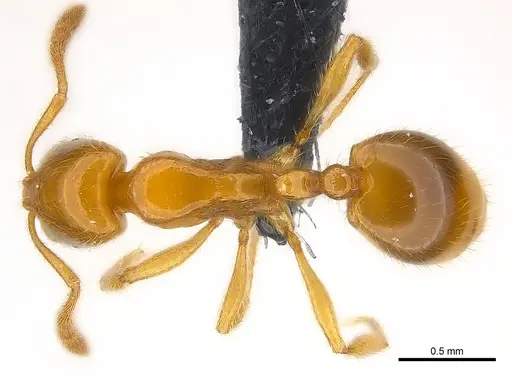
CASENT0192681
View on AntWeb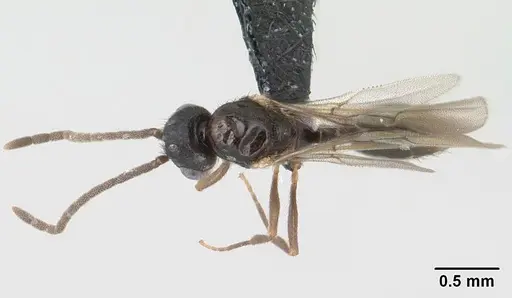
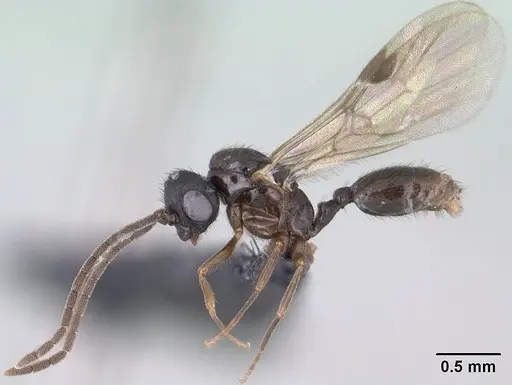
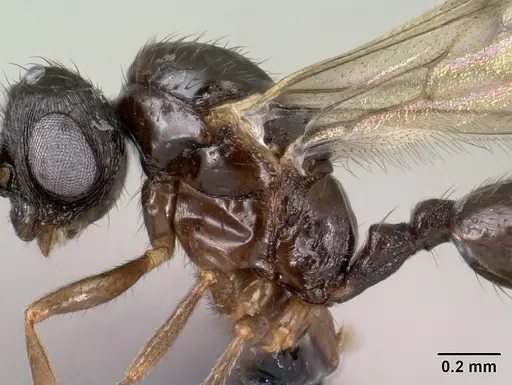
CASENT0408753
View on AntWeb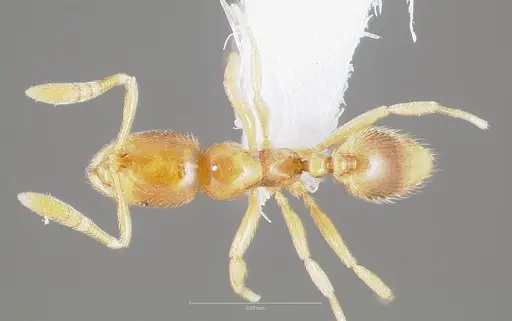
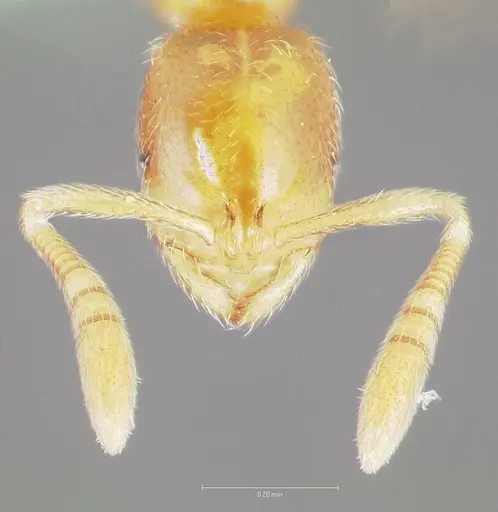
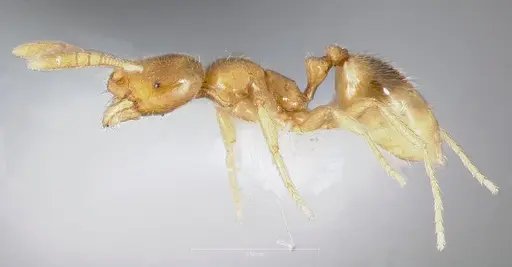
CASENT0414411
View on AntWeb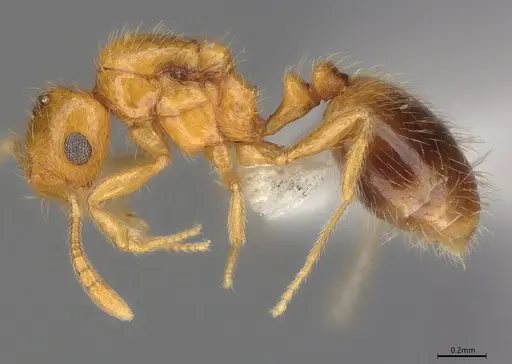
CASENT0822295
View on AntWeb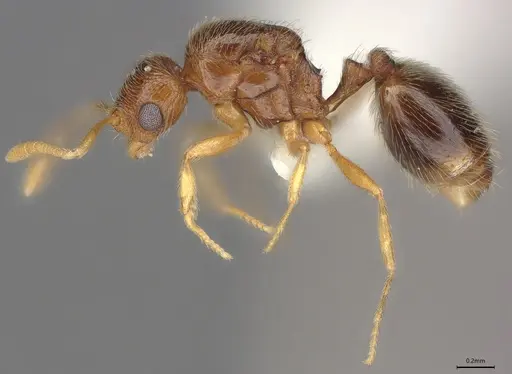
Literature
Loading distribution map...Loading products...