
Strumigenys wrayi
- Sci. Name
- Strumigenys wrayi
- Tribe
- Attini
- Subfamily
- Myrmicinae
- Author
- Brown, 1950
- Distribution
- Found in 1 countries
Introduction
Strumigenys wrayi is a small myrmicine ant known from the southeastern United States, documented in Monroe County, Alabama . It belongs to a Nearctic lineage of the genus Strumigenys, which is famous for its specialized trap-jaw mandibles used to capture tiny prey. Like others in the genus, it likely hunts springtails and other micro-arthropods in moist forest floor habitats, though specific behavioral data for this species is unavailable.
Quick Summary
- Difficulty: Hard
- Origin & Habitat: Southeastern United States (Alabama). Likely inhabits moist leaf litter and decaying wood in hardwood forests, based on typical Strumigenys habitat preferences.
- Colony Type: Unknown from literature. Based on typical genus patterns, likely single-queen (monogyne) colonies, but this is unconfirmed.
- Size & Growth:
- Queen: Size data unavailable for this species. Based on related species, queens are probably around 3-4 mm (inferred from Strumigenys genus).
- Worker: Size data unavailable. Workers are typical for the genus, roughly 2-3 mm (inferred from Strumigenys).
- Colony: Likely under a few hundred workers based on typical Strumigenys colony sizes, but no data for this species.
- Growth: Slow (inferred from genus patterns).
- Development: Likely several weeks to months (based on related Strumigenys species), but exact duration unreported. (Development is thought to be slow, patience is essential.)
- Antkeeping:
- Temperature: No specific data. In the wild they inhabit shaded forest floor, so keep cool (20-24°C) and stable. Avoid heat.
- Humidity: High humidity is essential, keep nest substrate damp but not waterlogged, mimicking moist leaf litter (inferred from habitat).
- Diapause: Likely yes, as a temperate species from Alabama, they probably benefit from a winter cooling period (e.g.,10-15°C for 2-3 months). Not confirmed.
- Nesting: Y-tong (AAC) or plaster nests that retain humidity. Chambers should be small and snug. Avoid ventilated setups.
- Behavior: Based on the subfamily (Myrmicinae), these ants possess a functional sting, but it is too small to be dangerous to humans. Like most Strumigenys, they are non‑aggressive, shy, and flee when disturbed. Their trap‑jaw mandibles are used only for hunting tiny prey. Escape prevention is critical due to their very small size.
- Common Issues: escape prevention is critical, their tiny size allows them through standard barriers., colonies grow slowly and may test a keeper’s patience., specialized diet, they likely need live micro-prey (e.g., springtails), which can be hard to maintain., humidity control is tricky, too dry kills quickly, too wet causes mold., wild-caught colonies may carry nest parasites.
Housing and Nest Setup
Because of their tiny size and high humidity needs, choose a nest that holds moisture well. Y-tong (AAC) blocks or plaster nests are ideal because you can keep the substrate damp without soaking it. Keep chambers small, these ants feel safe in tight spaces. Avoid large, open outworlds until the colony is established. For starting a colony, a test tube setup works, but watch the water level to avoid flooding. Seal all gaps with fine mesh or cotton, workers can slip through surprisingly narrow cracks.
Feeding and Diet
These ants are specialized predators. In captivity, they almost certainly need live springtails (Collembola) as their main food. Other tiny prey like fruit fly larvae or micro‑arthropods may be accepted, but springtails are the staple. They ignore sugar water and honey. Feed small prey 2-3 times per week, adjusting to colony size. Remove leftovers quickly to prevent mold. A well-fed worker’s gaster will look plump, that is normal.
Temperature and Seasonal Care
Keep the nest at 20-24°C, no specific data for this species, but that range works for most temperate Strumigenys. Avoid direct sunlight and heat sources. They come from Alabama, so they probably experience a mild winter. Providing a winter cooling period (diapause) at 10-15°C for 2-3 months may be beneficial, but this is not confirmed. During cooling, stop feeding. Raise temperatures gradually in spring.
Behavior and Handling
Strumigenys wrayi is harmless to people. As a myrmicine ant, it does have a tiny sting, but it is far too weak to penetrate skin. Workers are reclusive and will run from disturbance. They are not aggressive and never defend the nest by attacking. The main attraction is watching them hunt, their snap‑jaw action is fast but can be observed with magnification. They move slowly and do not climb smooth surfaces well, which helps containment, but still seal everything tightly.
Colony Founding and Growth
How Strumigenys wrayi founds colonies is unknown. Many Strumigenys species are claustral (queen raises first workers on stored reserves), but that may not apply here. Expect a slow start, likely several weeks to months before the first workers appear. The colony grows slowly and may max out at a few hundred workers, though no data exists. Minimize disturbance to the founding queen. Patience is essential.
Frequently Asked Questions
Can I keep Strumigenys wrayi in a test tube?
Yes, a test tube works for starting a colony. Use a small tube with a cotton‑plugged water reservoir. Watch humidity, test tubes can quickly become too wet or too dry. Move to a damp Y‑tong or plaster nest when the colony has grown beyond the test tube.
What do Strumigenys wrayi ants eat?
They are specialized predators. Provide live springtails as the main food. Tiny fruit fly larvae or other micro‑arthropods may be accepted, but springtails are best. They do not eat sugar water. Feed small amounts 2-3 times per week.
How long until first workers appear?
There is no reported data for this species. Based on related Strumigenys, the first workers may take several weeks to months. Be patient and do not disturb the queen.
Are Strumigenys wrayi good for beginners?
No, they are not recommended for beginners. Their specialized live prey diet, high humidity needs, and slow growth make them challenging. Only keep them if you have experience maintaining constant humidity and culturing micro‑prey.
Do Strumigenys wrayi need hibernation?
Very likely, as they come from a temperate climate. Provide a winter cooling period of 2-3 months at 10-15°C. Stop feeding during this time. This is not confirmed for this species, but it mimics the natural seasonal cycle.
Why are my Strumigenys wrayi dying?
Common causes: low humidity (they need damp conditions), incorrect food (must be live springtails), escape (check seals), or stress from disturbance. Parasites from wild colonies can also be an issue. Review your setup.
When should I move my colony to a formicarium?
Move to a Y‑tong or plaster nest when the test tube becomes cramped, usually after the first generation of workers. Make sure the new nest has small chambers and high humidity.
How big do Strumigenys wrayi colonies get?
Unknown. Based on other Strumigenys, colonies are small, likely under a few hundred workers. Do not expect a large colony.
Can I keep multiple queens together?
No information exists for this species. Most Strumigenys are monogyne, so keep only one queen per setup unless proven otherwise.
Report an Issue
The current care sheet is based fully on literature. See inconsistencies, or something that's incorrect? Please , it will be resolved after review from an admin. Contributing to the blogs tab also helps providing information, to make us be able to further improve the caresheets. Thank you for your support!
References

This caresheet is licensed under CC BY-SA 4.0 .
Community Blogs
CASENT0104491
View on AntWeb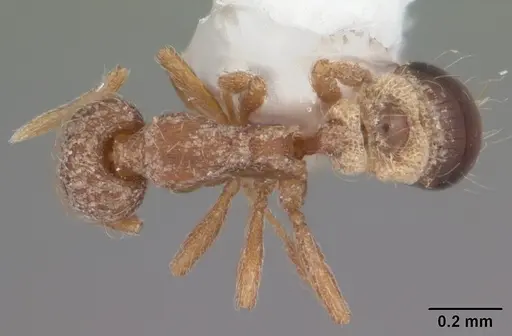
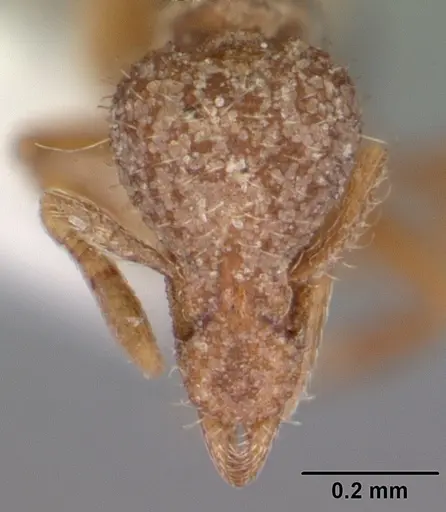
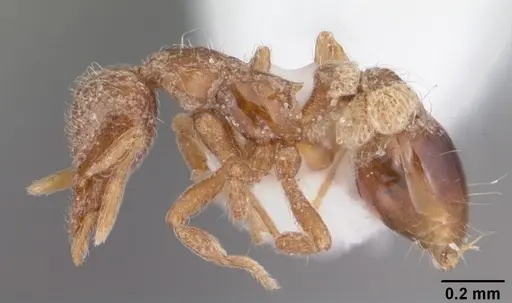
Literature
Loading distribution map...Loading products...