
Strumigenys wallacei
- Sci. Name
- Strumigenys wallacei
- Tribe
- Attini
- Subfamily
- Myrmicinae
- Author
- Emery, 1897
- Distribution
- Found in 1 countries
Introduction
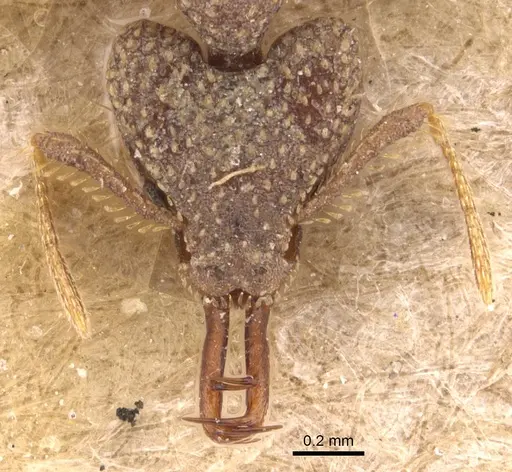
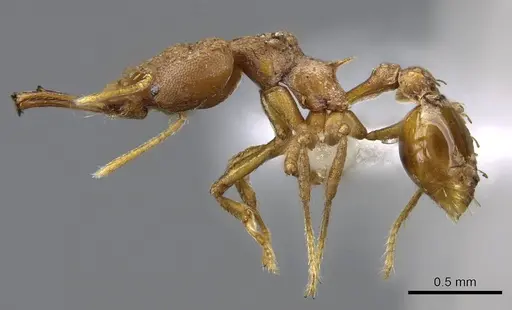
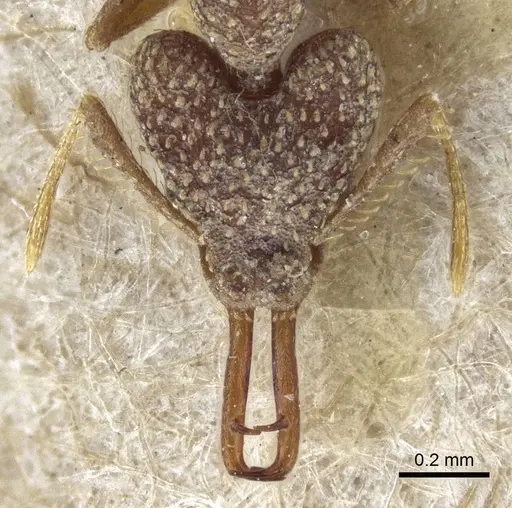
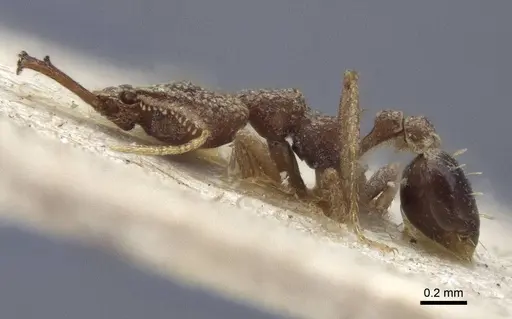
Strumigenys wallacei is a tiny predatory ant from the rainforests of New Guinea and Indonesia . Workers measure 2.7-3.7 mm in total length, with a broad head and a distinct hump-like promesonotum . They lack standing hairs on the head and alitrunk, and the scrobe behind the eye is reduced . Color varies: smaller samples from Papua are tan to reddish‑brown, while larger ones from the Huon Peninsula are blackish‑brown with lighter appendages . This species is a primary‑forest specialist - it is not found in secondary growth or plantations . Nests occur in rotting logs, leaf litter, and soil under fern rhizomes at 500-1100 m elevation . Foragers are active on the ground during dark, rainy afternoons .
Quick Summary
- Difficulty: Medium
- Origin & Habitat: Native to New Guinea (Papua New Guinea) and Indonesia. This species is a primary‑rainforest specialist, inhabiting only old‑growth forest and not disturbed areas [2]. Nests are found in rotting wood, leaf litter berlesate, and soil under fern rhizomes at elevations around 500-1100 m [1].
- Colony Type: Colony structure is not fully documented. Wild colonies contain upwards of 100 workers [1]. The queen and male castes have not been described [1]. Based on patterns in other Strumigenys, colonies likely have a single queen (monogyne).
- Size & Growth:
- Queen: Unknown, the queen has not been described in scientific literature [1]
- Worker: 2.7-3.7 mm total length [1][3]
- Colony: At least 100 workers in wild colonies [1]
- Growth: Moderate
- Development: Estimated 6-10 weeks at optimal temperature, based on patterns in related Strumigenys species (No direct development data for this species. Estimates rely on typical tropical Strumigenys patterns.)
- Antkeeping:
- Temperature: Keep at 22-26 °C. As a tropical rainforest species from New Guinea, they need warm, stable conditions. A heating cable on one side of the nest can provide a gentle gradient if room temperature falls below this range.
- Humidity: High humidity is essential, aim for 70-85 %. These ants come from perpetually damp rainforest environments. Keep the nest substrate consistently moist but not waterlogged. Provide a water source like a test tube with cotton wick.
- Diapause: No, as a tropical species from consistent rainforest conditions, they do not require hibernation. Maintain stable temperatures year‑round.
- Nesting: Naturally they nest in rotting wood, leaf litter, and soil. In captivity, a naturalistic setup with moist substrate (soil mixed with rotting wood) or a Y‑tong/plaster nest works well. The key is maintaining high humidity while allowing some ventilation to prevent mold.
- Behavior: These are tiny, cryptic ants that are not aggressive and rarely use their stinger (which is negligible to humans). They are specialized predators, hunting micro‑arthropods such as springtails. Workers forage on the ground surface, especially during humid or rainy conditions. Because they are under 4 mm, escape prevention must be excellent, use fine mesh and tight‑fitting barriers. Their small size means they can squeeze through gaps that seem impossible.
- Common Issues: escape prevention is critical due to their tiny size, they can squeeze through the smallest gaps, colonies are small (around 100 workers) so they remain fragile and vulnerable to disturbance, specialized diet means they need live micro‑prey, they cannot survive on sugar water alone, high humidity requirements make them prone to mold if ventilation is poor, wild‑caught colonies may be stressed from collection and difficult to establish
Housing and Nest Setup
For Strumigenys wallacei, replicate the rainforest floor environment. A naturalistic setup with moist substrate (mix of soil, sand, and decaying organic matter) works well, or use a Y‑tong/plaster nest that holds humidity. The key is high humidity without stagnation. Use a water tube connected to the nest to provide constant moisture and a drinking source. Because they are tiny, seal any gaps in the formicarium with fine mesh or cotton. A small outworld is sufficient given their modest colony size, they do not need much foraging space. Keep the setup in a warm, shaded area away from direct sunlight. [1]
Feeding and Diet
Strumigenys wallacei is a specialized predator that hunts micro‑arthropods. Their primary food should be live springtails, essential and should form the bulk of their diet. Other small live prey like micro‑mites, booklice (psocids), and fruit fly larvae may be accepted. Unlike many ants, they do not rely on sugar sources. You can offer a drop of honey water occasionally, but do not expect much interest. Feed small prey items every 2-3 days, adjusting based on consumption. Remove any uneaten prey after 24 hours to prevent mold. Given their small colony size and tiny workers, prey items should be appropriately sized, very small pieces.
Temperature and Humidity
Keep your colony at 22-26 °C. As a tropical rainforest species from New Guinea, they need consistently warm conditions. A small heating cable placed on one side of the nest can create a gentle temperature gradient. Humidity is critical, maintain 70-85 % relative humidity. The substrate should feel consistently damp but never waterlogged. Use a water tube with a cotton wick or a hydration system that slowly releases moisture. Avoid both drying out and stagnant, mold‑prone conditions. Good ventilation is important but should not dry out the nest. A hygrometer helps monitor conditions. [1]
Behavior and Colony Care
These are quiet, non‑aggressive ants that spend most of their time in the nest or slowly foraging on the ground. Workers are small and cryptic, you will not see dramatic foraging activity. In the wild, they foraged during dark, rainy afternoons [1], suggesting they prefer low‑light, humid conditions. In captivity, they will be most active when the nest is humid and warm. Their colony size stays modest, expect around 100 workers at maturity. This means the colony remains relatively fragile and sensitive to disturbance. Handle gently and avoid moving the nest unnecessarily. They are not defensive and unlikely to bite or sting.
Growth and Development
The queen of Strumigenys wallacei has never been described, so direct information on founding behavior or development time is missing [1]. Based on typical Strumigenys patterns, the queen likely seals herself in a small chamber (claustral founding) and raises the first workers alone on stored fat reserves. Development from egg to worker probably takes 6-10 weeks in warm tropical conditions. The first workers (nanitics) will be smaller than mature workers. Growth rate is moderate, do not expect rapid expansion. Colonies remain relatively small compared to many common pet ants, typically maxing out around 100-200 workers.
Frequently Asked Questions
Can I keep Strumigenys wallacei in a test tube?
A test tube setup can work for a founding colony, but you will need to maintain high humidity carefully. Use a water tube with cotton wick for moisture. However, given their need for live prey and high humidity, a small naturalistic setup or plaster nest often works better long‑term. Test tubes dry out quickly, so check moisture daily.
What do Strumigenys wallacei eat?
They are specialized predators that need live micro‑prey. Their primary food should be live springtails. They may also accept other tiny live prey like micro‑mites, booklice, and fruit fly larvae. Sugar sources are not required and are rarely accepted. Feed small prey items every 2-3 days.
How long until first workers in Strumigenys wallacei?
Exact development time is unknown for this species. Based on typical Strumigenys patterns, expect first workers (nanitics) in approximately 6-10 weeks after the queen lays eggs, assuming optimal warm conditions (24-26 °C). Patience is key, they grow slowly.
How big do Strumigenys wallacei colonies get?
Wild colonies contain around 100+ workers [1]. In captivity, colonies likely max out at 100-200 workers. This is a small colony size compared to many common pet ants. They remain a modest, cryptic species throughout their lifecycle.
Are Strumigenys wallacei good for beginners?
This species is rated as Medium difficulty. While not aggressive, they have specific requirements, high humidity, warm temperatures, and a specialized diet of live micro‑prey. They are also tiny, making escape prevention critical. They are better suited for antkeepers who have kept at least one other species successfully and can maintain consistent conditions.
Do Strumigenys wallacei need hibernation?
No, they do not need hibernation. As a tropical rainforest species from New Guinea, they require consistent warm temperatures year‑round. Keep them at 22-26 °C continuously. Hibernation could be fatal to this species.
Why are my Strumigenys wallacei dying?
Common causes include: too low humidity (they need 70-85 %), temperatures below 20 °C, lack of live springtail prey, escape through tiny gaps, or mold from stagnant conditions. Check all these parameters first. Also ensure you are not overfeeding, uneaten prey mold can be deadly. Wild‑caught colonies may carry parasites or be stressed from collection.
When to move to a formicarium?
Move to a larger setup when the colony reaches around 30-50 workers or when the test tube becomes cramped. A small naturalistic setup or Y‑tong nest works well. They do not need much space, a modest formicarium is fine for a colony that maxes out around 100 workers.
Can I keep multiple queens together?
The colony structure is not well documented for this species. Based on typical Strumigenys behavior, combining unrelated queens is not recommended. If you obtain a queen, house her alone for founding. Multiple queen behavior (pleometrosis) has not been documented for this species.
Report an Issue
The current care sheet is based fully on literature. See inconsistencies, or something that's incorrect? Please , it will be resolved after review from an admin. Contributing to the blogs tab also helps providing information, to make us be able to further improve the caresheets. Thank you for your support!
References

This caresheet is licensed under CC BY-SA 4.0 .
Community Blogs
CASENT0280738
View on AntWeb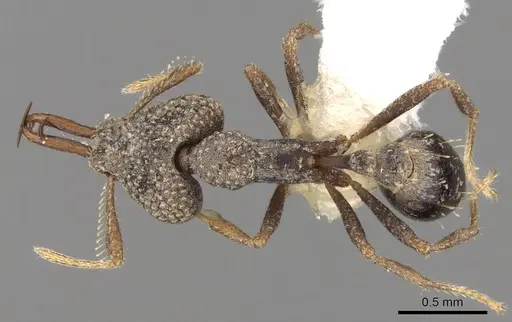
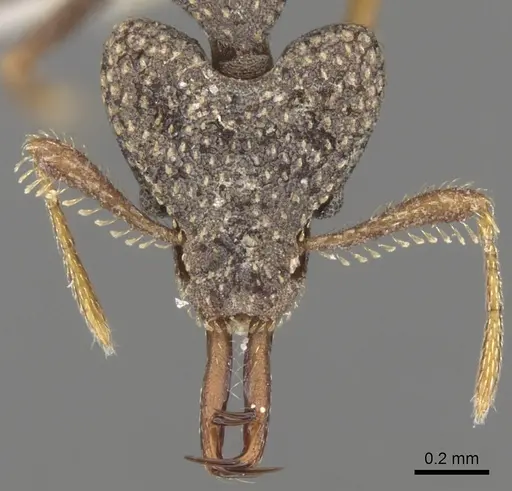
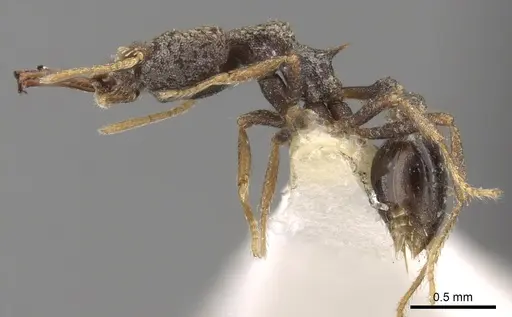
CASENT0904943
View on AntWeb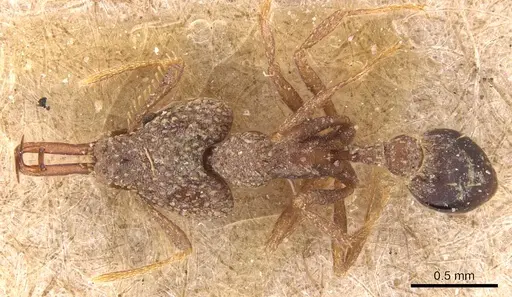
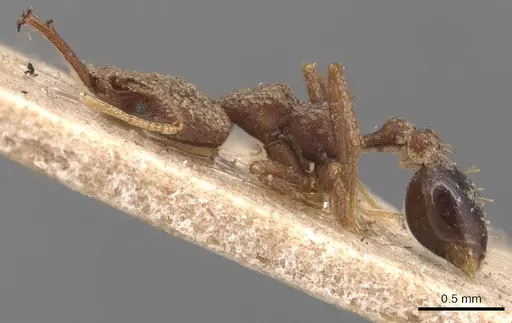
CASENT0914878
View on AntWeb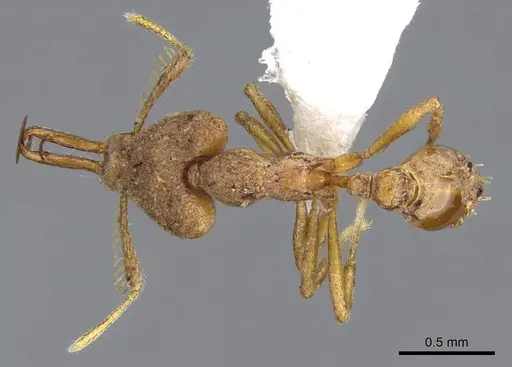
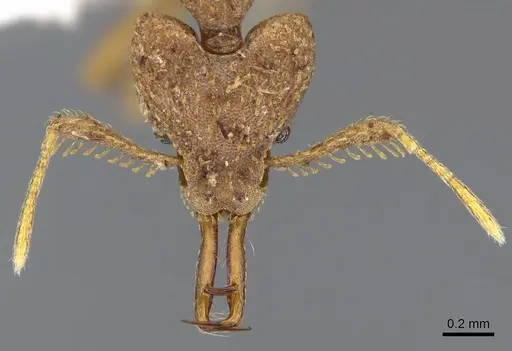
CASENT0916690
View on AntWeb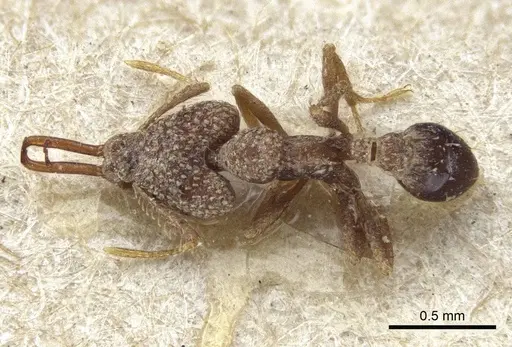
Literature
Loading distribution map...Loading products...