
Strumigenys vazerka
- Sci. Name
- Strumigenys vazerka
- Tribe
- Attini
- Subfamily
- Myrmicinae
- Author
- Bolton, 1983
- Distribution
- Found in 3 countries
Introduction
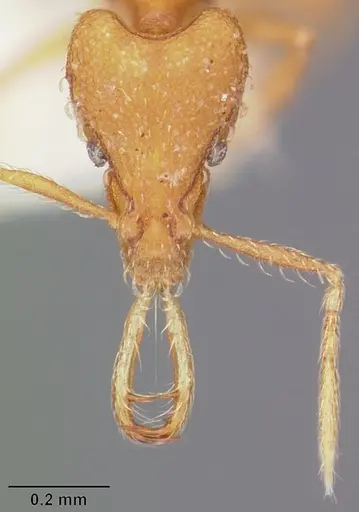
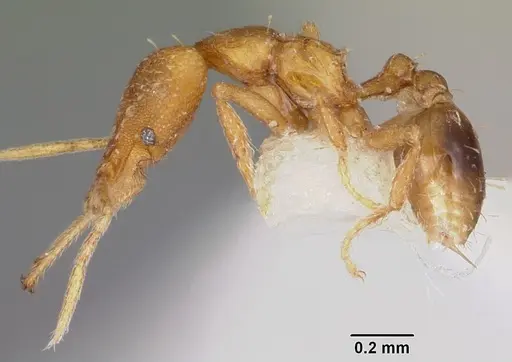
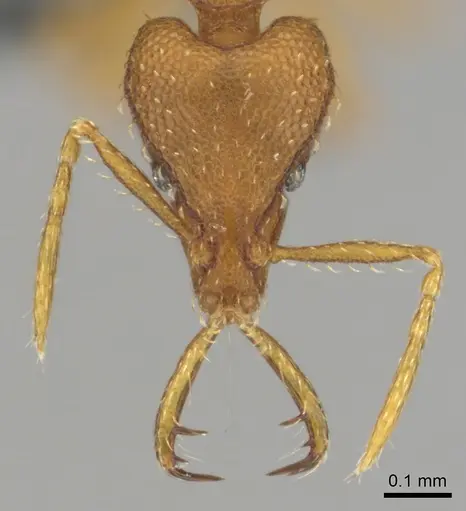
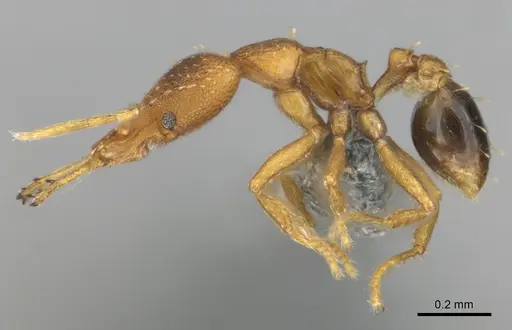
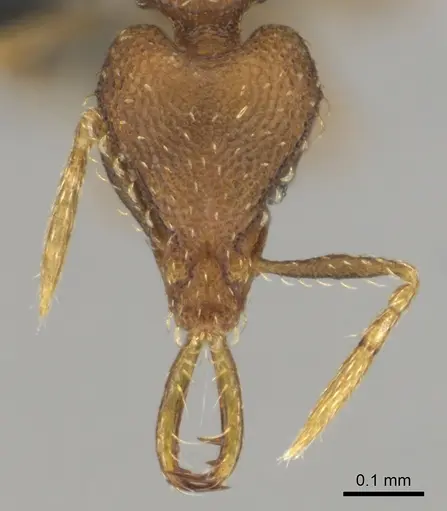
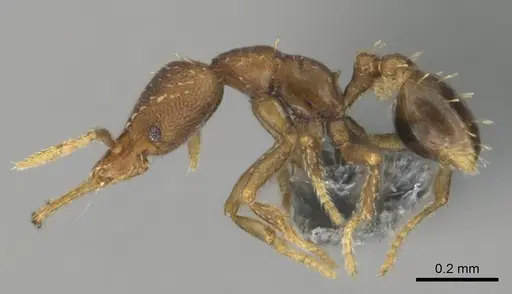
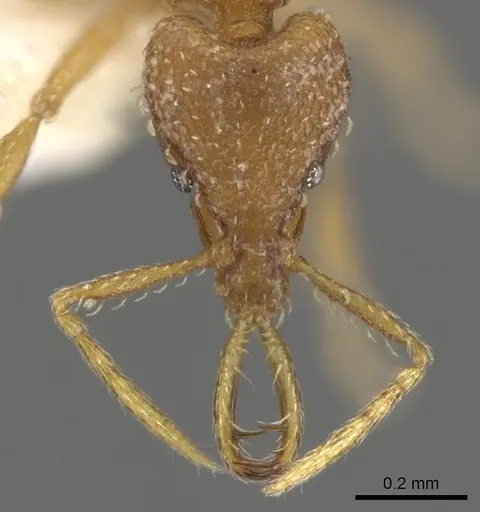
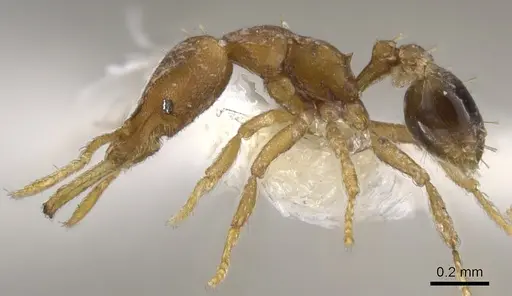
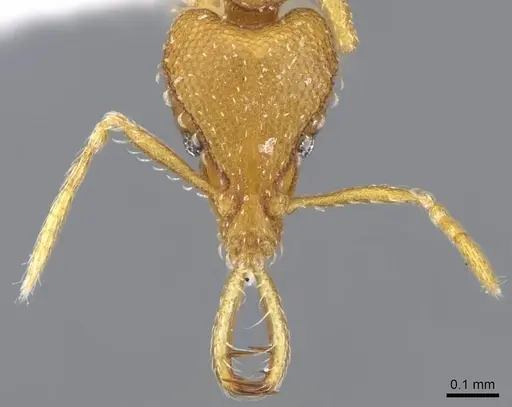
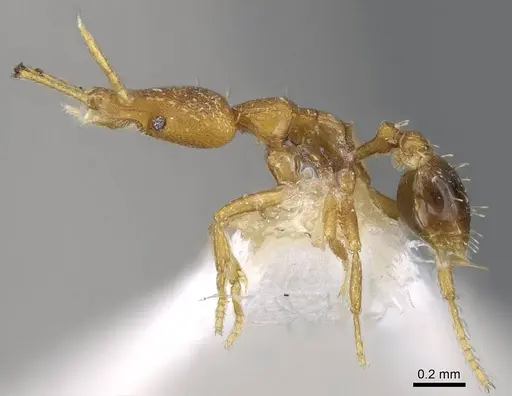
Strumigenys vazerka is a tiny predatory ant from West Africa. Workers are 1.9-2.2 mm long, with long, divergent mandibles and dull yellowish‑brown colouration that helps them blend into leaf litter . This species belongs to the rogeri complex within the Strumigenys rogeri group, making it a close relative of the widespread Strumigenys rogeri . It is known from only a few specimens - three workers - collected in Ivory Coast (Mt. Tonkoui at 900 m and Tai Forest) and Ghana, including one from a cocoa plantation leaf‑litter sample . Like other dacetine ants, Strumigenys vazerka is a specialist predator that hunts tiny soil arthropods such as springtails. They do not accept sugar water or dead prey. Because they are extremely small, their escape risk is high, and they require a setup that closely mimics the moist, warm leaf‑litter layer of a tropical forest floor. This species is rarely kept in captivity and is considered expert‑level due to its specific needs.
Quick Summary
- Difficulty: Expert
- Origin & Habitat: West Africa, Ghana, Ivory Coast, Nigeria. Found in leaf litter in cocoa plantations and in highland forest at 900 m elevation on Mt. Tonkoui, Ivory Coast [1].
- Colony Type: Unknown. Based on related species in the rogeri group, likely single‑queen (monogyne) with a small colony size, but this has not been documented.
- Size & Growth:
- Queen: Not measured, inferred from worker size (~2 mm) [1].
- Worker: 1.9-2.2 mm [1].
- Colony: Unknown. Typical Strumigenys colonies are small (fewer than 100 workers), but specific data for this species is lacking.
- Growth: Slow
- Development: Estimated 8-12 weeks at 24-27 °C based on related Strumigenys species. (Development is slow. Exact timeline has not been studied.)
- Antkeeping:
- Temperature: 24-27 °C, tropical species that requires stable warmth. Avoid temperatures below 22 °C [1].
- Humidity: High humidity, keep nest substrate consistently moist but not waterlogged. Provide a humidity gradient so ants can choose their preferred zone.
- Diapause: No, a West African tropical species that does not require hibernation. Maintain warm conditions year‑round.
- Nesting: Naturalistic setup with deep moist substrate (coco fibre, peat, soil mix) works best. They nest in leaf litter and rotting wood in nature. A moist plaster or ytong nest with an outworld can also work, but a natural terrarium supports humidity better.
- Behavior: Very shy and non‑aggressive. These tiny ants are specialised predators that hunt micro‑prey individually. They are not defensive, their sting is negligible to humans. Escape prevention is critical, they can squeeze through standard mesh. They are slow‑moving and spend most of their time foraging through the substrate.
- Common Issues: extremely small size makes escape easy unless fine mesh is used on all openings., specialised diet, they require live micro‑prey (springtails, booklice) and will ignore typical ant foods like honey or dead insects., slow growth and small colony size can disappoint keepers expecting rapid development., high humidity needs can lead to mould if ventilation is poor, balance moisture with airflow., rarity in the wild and lack of captive‑breeding records make colonies difficult to obtain and establish.
Housing and Nest Setup
Strumigenys vazerka needs a setup that mimics its natural leaf‑litter habitat. A naturalistic terrarium with a deep layer of moist substrate (coco fibre, peat moss, or a soil mix) is ideal. Keep the substrate damp but not waterlogged, like a forest floor after rain. Add pieces of rotting wood, leaf litter, and moss to provide hunting grounds and hiding spots. Because workers are so tiny, even small gaps in standard formicariums allow escapes, use fine mesh (100 µm or smaller) on all ventilation openings. A moist plaster or ytong nest with a connected outworld can work, but the naturalistic approach better supports humidity. A small water reservoir connected to the nest helps maintain moisture without frequent misting [1].
Feeding and Diet
Diet is the most critical aspect. Strumigenys vazerka is a specialist predator that refuses honey, sugar water, or dead insects. They eat only tiny live arthropods, primarily springtails (Collembola), but also booklice (Psocoptera) and other minute insects. You must culture your own springtail colony to ensure a constant supply. Offer small prey every 2-3 days, remove uneaten food after 24 hours to prevent mould. Some keepers occasionally offer fruit flies, but springtails should form the bulk of the diet [1].
Temperature and Humidity
As a West African tropical species, Strumigenys vazerka requires warm, humid conditions. Keep the nest area at 24-27 °C, use a heat mat on one side to create a gentle gradient if your room is cooler. Place the heat mat on top of the nest to avoid drying the substrate. Humidity must be high, the substrate should feel consistently moist. A water reservoir or moisture‑wicking system helps maintain this without over‑misting. Good ventilation is essential to prevent mould, but avoid direct airflow that dries the setup. Condensation on the nest walls is a good sign that humidity is adequate [1].
Colony Establishment
Establishing a wild‑caught colony of Strumigenys vazerka is extremely challenging. The species is known from only three worker specimens in the wild, and captive breeding has not been documented. If you obtain a colony (including a queen and workers), transfer them gently into their new setup, avoid bright lights and handle them minimally. Keep the setup dark and undisturbed for the first week. The founding process may take time, colonies grow slowly. Do not disturb the colony frequently. Because of the species’ rarity, any successful captive maintenance would be a notable achievement. [1]
Behavior and Handling
Strumigenys vazerka is shy and non‑aggressive. Workers move slowly and spend most of their time hunting through the substrate rather than exploring the outworld. They do not form large trails or forage openly like many ant species. Their sting is negligible to humans. However, their minute size makes them easy to lose during maintenance, always work in a contained area and seal all gaps. They are fascinating to observe but offer little interaction compared to larger species.
Frequently Asked Questions
Can I keep Strumigenys vazerka in a test tube?
A test tube setup is not ideal. They need space to hunt and high humidity that is hard to maintain in a tube. A naturalistic terrarium or moist ytong nest works much better [1].
What do Strumigenys vazerka eat?
Only live tiny prey, mainly springtails. They will not accept honey, sugar water, or dead insects. You must culture springtails to feed them [1].
How long does it take for first workers to appear?
Based on related Strumigenys species, expect 8-12 weeks from egg to worker at 24-27 °C. Growth is slow, and colonies remain small. This is an estimate, no data exists for this specific species.
Are Strumigenys vazerka good for beginners?
No. This is an expert‑level species due to the specialised diet, high humidity needs, tiny size (high escape risk), slow growth, and rarity. Not forgiving of mistakes.
How big do Strumigenys vazerka colonies get?
Unknown. Typical Strumigenys colonies are small (fewer than 100 workers), but specific data for this species is lacking.
Do Strumigenys vazerka need hibernation?
No. As a West African tropical species, they do not require diapause. Keep them warm year‑round at 24-27 °C.
Why are my Strumigenys vazerka dying?
Common causes: wrong food (anything other than live micro‑prey), too low temperature (below 22 °C), incorrect humidity (too dry or waterlogged), or stress from frequent disturbance. Check all parameters and ensure you are offering live springtails.
When should I move Strumigenys vazerka to a formicarium?
Move only when the colony is well‑established and actively hunting. A naturalistic setup with substrate often works better than a traditional formicarium for this species.
Can I keep multiple queens together?
Combining unrelated queens has not been documented for this species and is not recommended. Based on related species patterns, they likely form single‑queen colonies.
Report an Issue
The current care sheet is based fully on literature. See inconsistencies, or something that's incorrect? Please , it will be resolved after review from an admin. Contributing to the blogs tab also helps providing information, to make us be able to further improve the caresheets. Thank you for your support!
References

This caresheet is licensed under CC BY-SA 4.0 .
Community Blogs
CASENT0102621
View on AntWeb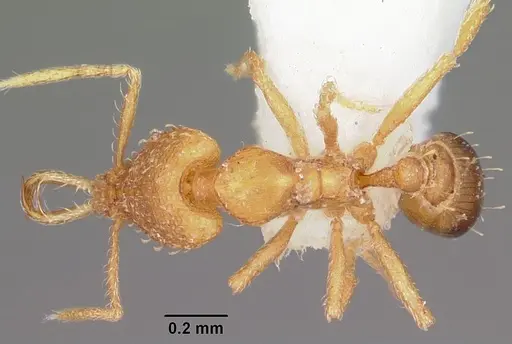
CASENT0815709
View on AntWeb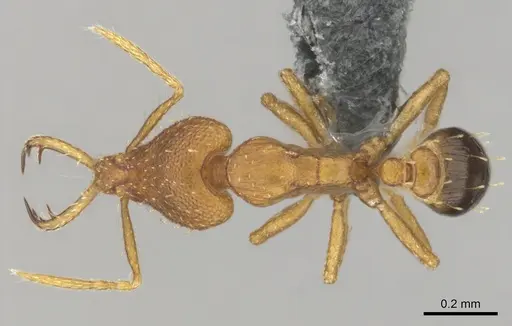
CASENT0815926
View on AntWeb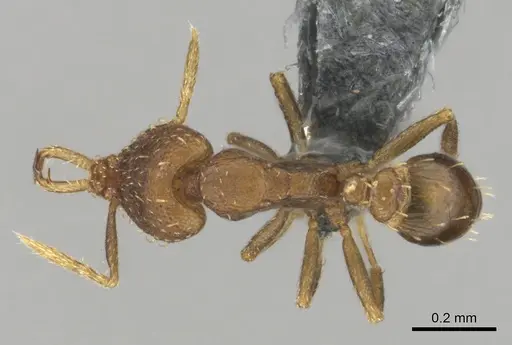
CASENT0900598
View on AntWeb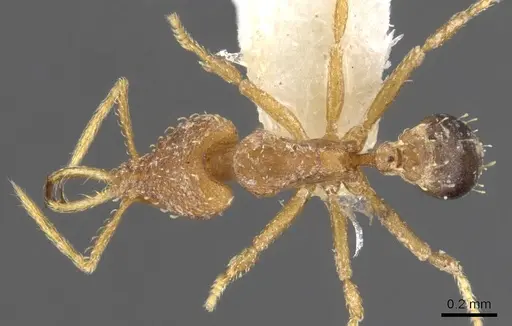
CASENT0914779
View on AntWeb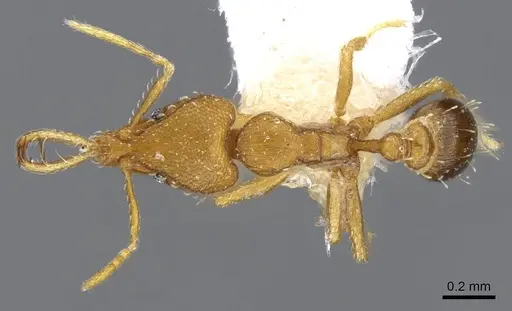
Literature
Loading distribution map...Loading products...