
Strumigenys vartana
- Sci. Name
- Strumigenys vartana
- Tribe
- Attini
- Subfamily
- Myrmicinae
- Author
- Bolton, 2000
- Distribution
- Found in 1 countries
Introduction
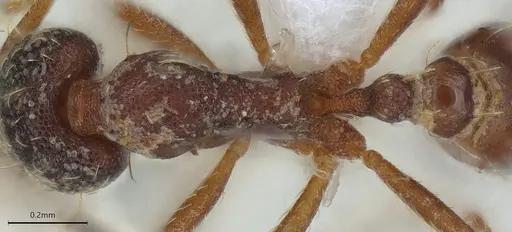
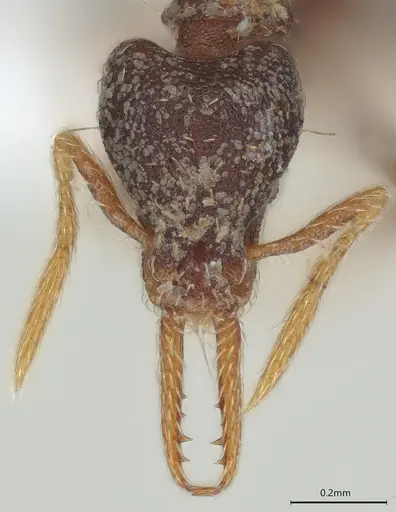
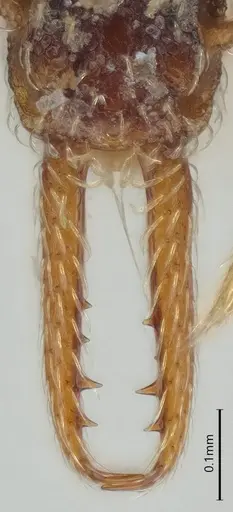
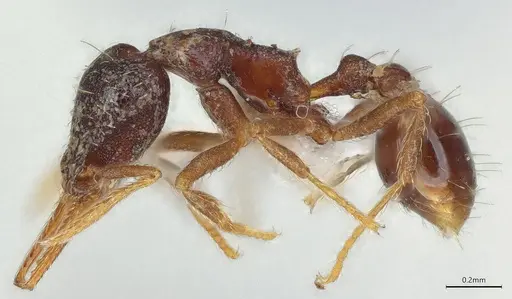
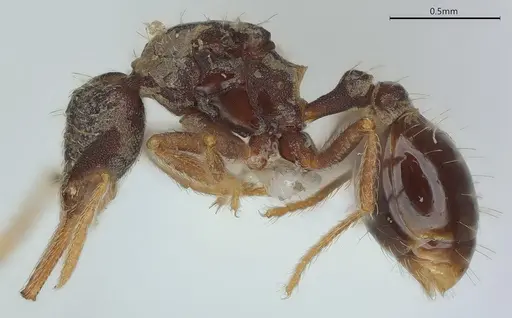
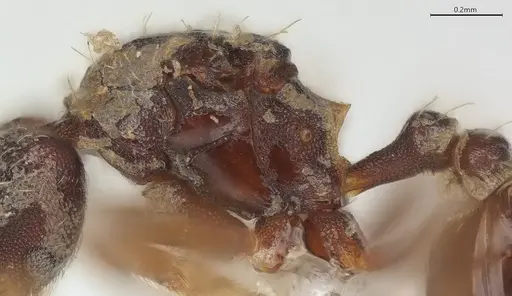
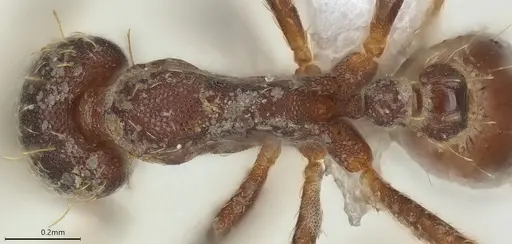
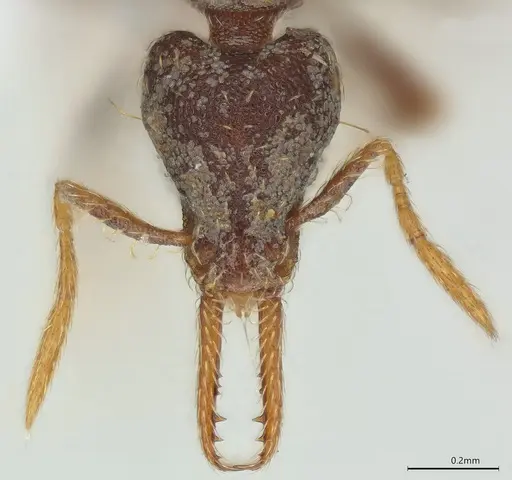
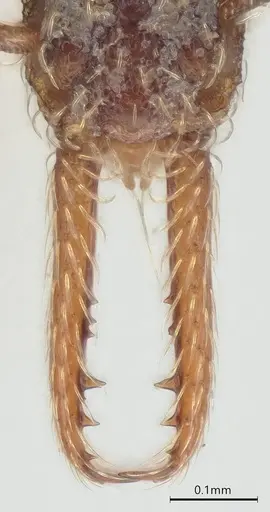
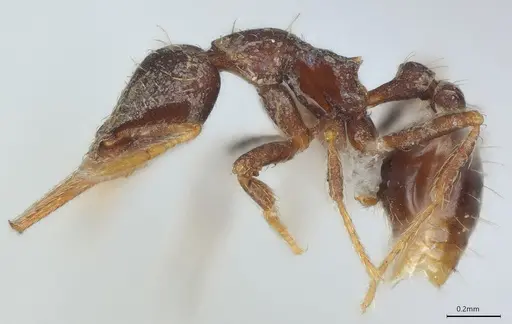
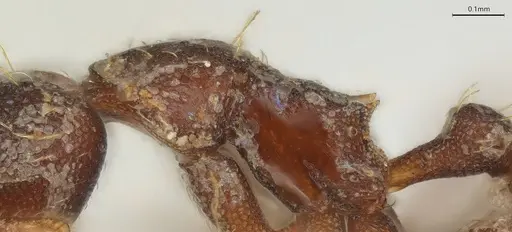
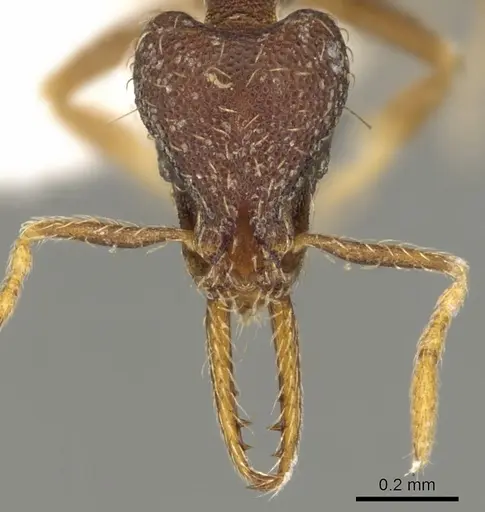
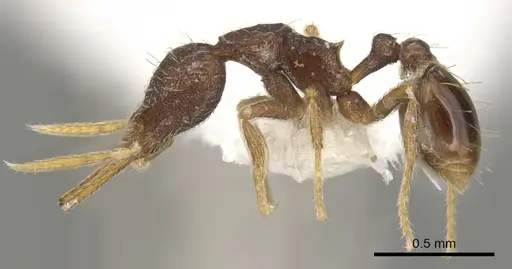
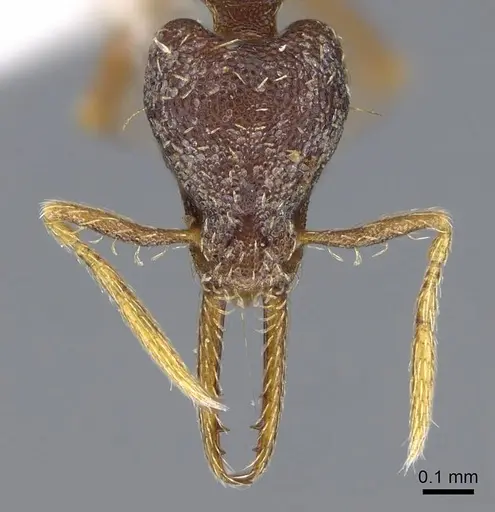
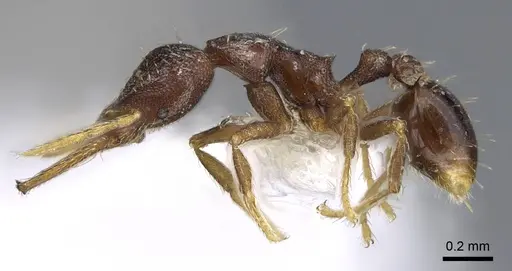
Strumigenys vartana is a tiny ant: workers measure only 2.2-2.4 mm in total length . It belongs to the Myrmicinae subfamily and tribe Attini, and it has a functional but harmless sting (typical of this group). This species is part of the *Strumigenys gundlachi* group, closely related to *S. laevipleura* but with longer, differently shaped mandibles and short basigastral costulae (tiny ridges at the base of the gaster) . Workers have 6‑segmented antennae, long narrow mandibles, and two pairs of erect hairs on the head. This ant lives in cold montane forests of the northern Andes, at altitudes between 1800 and 2530 m in Colombia and Ecuador . It belongs to a small group of Andean *Strumigenys* that prefer high‑elevation, cold forests where most other ants are absent. That means it’s adapted to cool, damp conditions that would stress or kill most tropical species.
Quick Summary
- Difficulty: Expert
- Origin & Habitat: Northern Andes (Colombia, Ecuador), cold montane forests at 1800-2530 m altitude [1]. Recorded from the Colombian departments of Caldas, Quindío, Risaralda, Tolima, and Valle del Cauca [2].
- Colony Type: Unknown. No published information on colony structure or queen number. One specimen might be an ergatoid (wingless) queen, but this is uncertain [1].
- Size & Growth:
- Queen: Unknown. A gynecoid worker (possibly an ergatoid queen) was found, but no reliable queen measurements exist [1].
- Worker: 2.2-2.4 mm total length [1].
- Colony: Unknown. Likely small, most *Strumigenys* species keep colonies under 100 workers, but no data are available.
- Growth: Likely slow (inferred from cold‑adapted habitat, but unconfirmed).
- Development: Unknown. No development data exist for this species. (If kept cool (below 20 °C), development may take several weeks, but this is speculation.)
- Antkeeping:
- Temperature: This species lives at 1800-2530 m elevation in cold Andean forests [1]. In captivity, you must keep it cool, likely below 20 °C. Exact temperature needs are unconfirmed. Avoid heating, standard room temperature (20-25 °C) may be too warm. Consider a cool room, basement, or a thermoelectric cooler. Use a thermometer near the nest and watch for stress.
- Humidity: High humidity is required, think cloud forest conditions. Keep the nest substrate consistently moist but not waterlogged. Provide a gradient from damp to slightly drier areas. Ventilation must be good to prevent mold.
- Diapause: Unknown. As a cold‑adapted high‑altitude species, it may need a winter rest period, but this has not been documented. Observe the colony’s behavior in winter.
- Nesting: Natural nesting sites are unknown. Based on typical *Strumigenys*, they likely nest in soil, rotting wood, or leaf litter. In captivity, use a test tube or a Y‑tong/plaster nest with high moisture retention. Keep chambers small to match their size.
- Behavior: These are tiny, slow‑moving ants with trap‑jaw mandibles. They likely hunt small micro‑arthropods like springtails (typical of the genus). They are not aggressive and pose no threat to humans. Escape prevention is critical due to their 2 mm size, they can squeeze through the smallest gaps. Activity level is low, they are secretive and prefer stability.
- Common Issues: temperature too warm, this cold‑adapted species will die if kept above 20 °C for long., escape risk, their tiny size means even the smallest gap is an exit, use tight plugs and double barriers., slow growth, do not disturb the colony, overfeeding or excessive checking can stress them., mold from high humidity, balance moisture with ventilation, and remove uneaten prey quickly., lack of information, many aspects of their biology are unknown, so you must experiment carefully.
Temperature and Cooling
Keeping Strumigenys vartana cool is the most critical part of their care. They come from cold Andean forests above 1800 m [1]. You must keep them below 20 °C, warmer temperatures will stress or kill them. Set up the nest in a cool room, basement, or use a thermoelectric cooler. Never use a heat mat. Place a thermometer directly next to the nest and monitor daily. If you see workers becoming sluggish or dying, check temperature first.
Housing and Escape Prevention
Workers are only 2.2-2.4 mm, so they can escape through the tiniest cracks. Use test tubes with tight cotton plugs, or Y‑tong/plaster nests with fine mesh barriers. Standard fluon barriers may not hold them, try double barriers or a thin layer of petroleum jelly on the container rim. Keep the nest small and narrow to match their size. Provide high moisture in the nest but allow some air exchange to prevent mold. [1]
Feeding and Diet
Like other Strumigenys, this species is a predator of tiny soil arthropods. Offer live springtails, small fruit flies, or soil mites. They are unlikely to accept sugary liquids or protein jelly. Feed small amounts two or three times a week, and remove any uneaten prey after 24 hours to avoid mold. Because the ants are so small, even a single springtail is a large meal. Observing their feeding behavior is the best way to learn their preferences.
Humidity and Substrate
Cloud forests are humid, so your nest must stay moist. Keep the substrate damp (but not soaking) at all times. Create a humidity gradient by having one wet area and one drier area so the ants can choose their spot. You can use a water-filled test tube or a plaster reservoir. Watch for mold, if it appears, increase ventilation slightly and remove moldy material quickly. A hygrometer can help you track moisture levels.
Behavior and Activity
Expect a quiet, secretive colony. Workers move slowly and deliberately. They use their long mandibles to snap up prey. Activity is low, so don’t expect constant foraging. They are not aggressive, they will never attack you. Because they are so small, handle the nest with extreme care, vibrations and bright lights may stress them. Let the colony settle for weeks without disturbance. If you need to feed, do it gently and quickly.
Frequently Asked Questions
How do I keep Strumigenys vartana cool enough?
Keep the nest below 20 °C, use a cool room, basement, or a thermoelectric cooler. Never use heating. Monitor the temperature with a thermometer placed directly next to the nest [1].
What do Strumigenys vartana eat?
They are predators of tiny live prey. Offer springtails, small fruit flies, or soil mites. They are unlikely to eat sugar or protein gels. Feed small amounts two or three times a week and remove leftovers after 24 hours.
How long does it take for Strumigenys vartana to develop from egg to worker?
No data are available for this species. Development is likely slow because they live in cold conditions, but we don’t know the exact timeline.
Are Strumigenys vartana beginners’ ants?
No, this is an expert‑level species. They require cool temperatures (below 20 °C), high humidity, and tiny prey. Their small size makes escape likely, and their biology is poorly known. Start with a hardier species.
Do Strumigenys vartana need hibernation?
Unknown, no studies have been done. Because they come from cool high‑altitude forests, they may need a winter rest period, but this is speculation. Observe the colony and consult experienced keepers.
How big do Strumigenys vartana colonies get?
Colony size is unknown. Most Strumigenys stay under 100 workers, but this is just a guess. There are no colony size records for this species.
Can I keep Strumigenys vartana in a test tube?
Yes, a test tube works well for small colonies. Use a tight cotton plug to prevent escape. Keep the tube cool and moist. You can hook the tube to a small outworld once the colony grows.
Why are my Strumigenys vartana dying?
The most common reason is temperature that is too warm. Check that the nest stays below 20 °C. Also check for escape, mold from too much moisture, or lack of appropriate prey.
Where is Strumigenys vartana found in the wild?
In cold montane forests of the northern Andes in Colombia and Ecuador, at altitudes between 1800 and 2530 m. In Colombia it is known from Caldas, Quindío, Risaralda, Tolima, and Valle del Cauca [2][1].
Report an Issue
The current care sheet is based fully on literature. See inconsistencies, or something that's incorrect? Please , it will be resolved after review from an admin. Contributing to the blogs tab also helps providing information, to make us be able to further improve the caresheets. Thank you for your support!
References

This caresheet is licensed under CC BY-SA 4.0 .
Community Blogs
CASENT0423562
View on AntWeb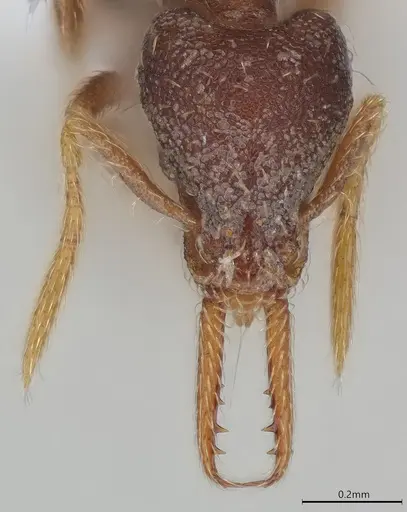
CASENT0423563
View on AntWeb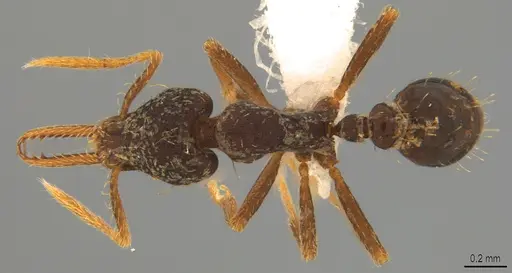
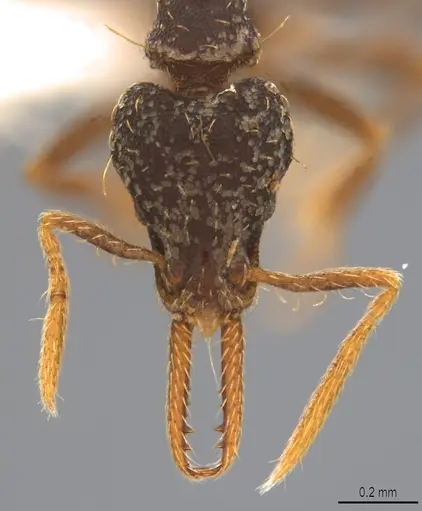
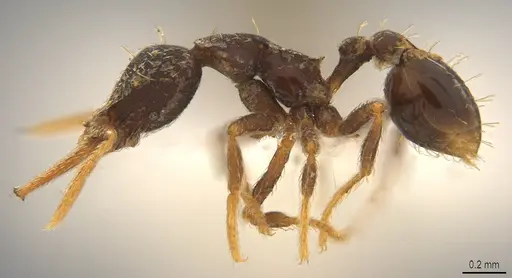
CASENT0423574
View on AntWeb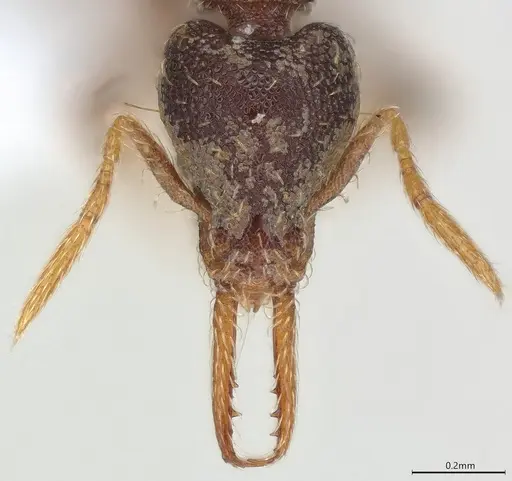
CASENT0423578
View on AntWeb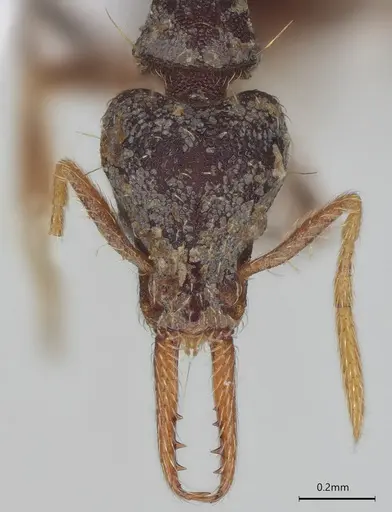
CASENT0423583
View on AntWeb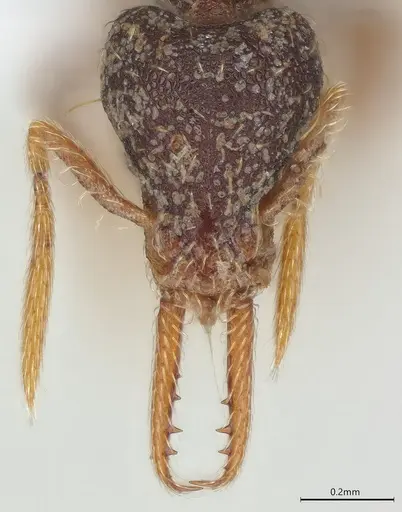
CASENT0423585
View on AntWeb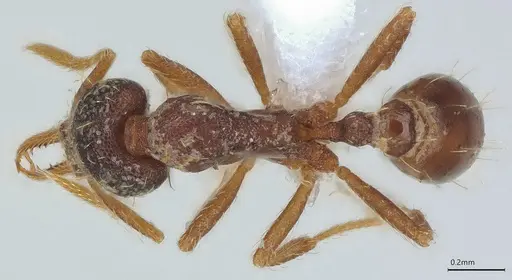
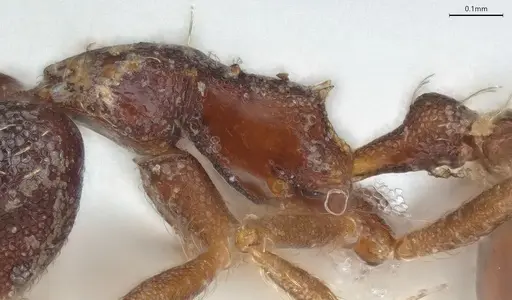
CASENT0423589
View on AntWeb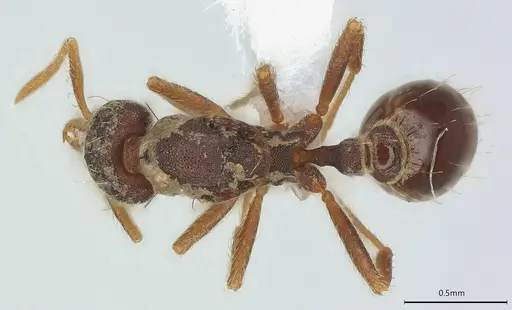
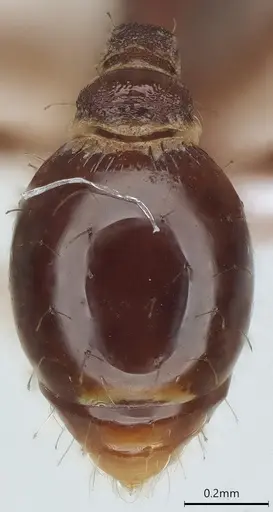
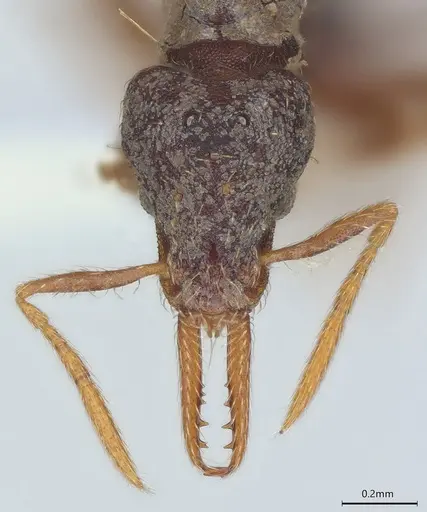
CASENT0434076
View on AntWeb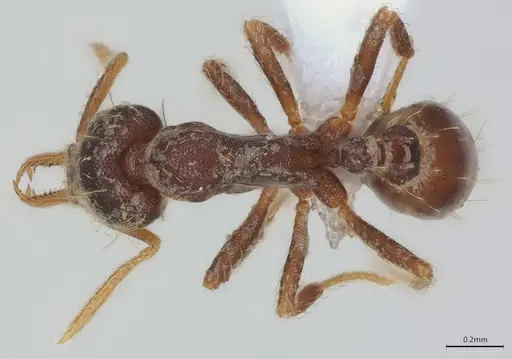
CASENT0900182
View on AntWeb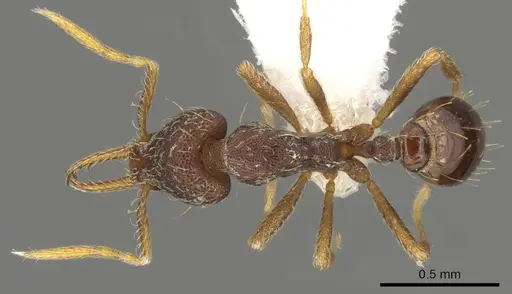
CASENT0914618
View on AntWeb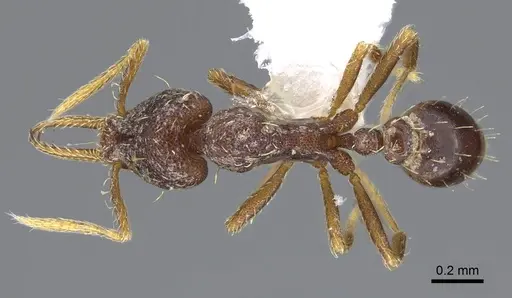
Literature
Loading distribution map...Loading products...