
Strumigenys undras
- Sci. Name
- Strumigenys undras
- Tribe
- Attini
- Subfamily
- Myrmicinae
- Author
- Bolton, 2000
- Distribution
- Found in 1 countries
Introduction
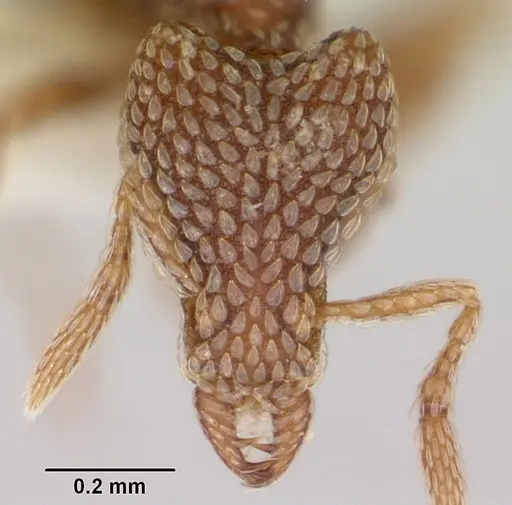
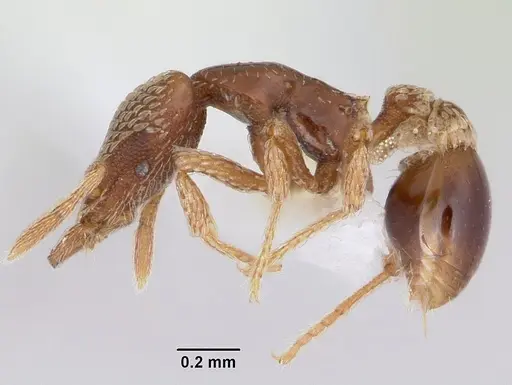
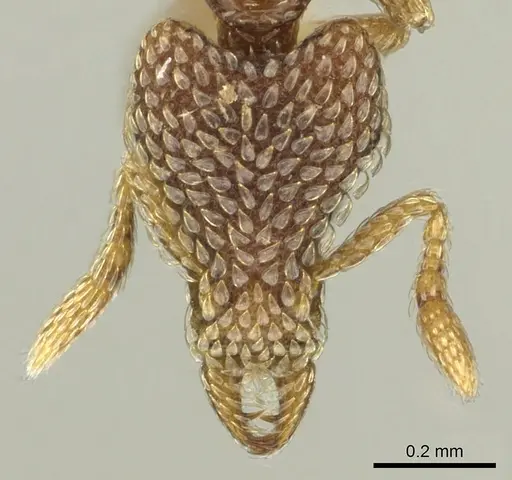
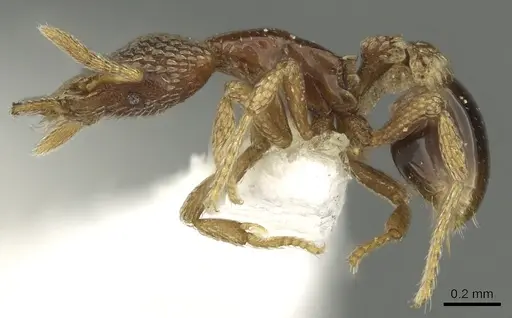
Strumigenys undras is a tiny ant, measuring 2.1mm in total length . Workers have a smooth, shining promesonotum and lack the long flagellate hairs seen in many related species. The head is finely sculptured with dense, broadly flattened hairs . This species belongs to the Strumigenys biroi group and is found across the Australasian region, including Indonesia, New Guinea, and the Solomon Islands . Based on its leaf litter habitat and patterns in the genus, these ants are thought to hunt small arthropods such as springtails. They likely prefer dark, hidden spaces and forage mainly in deep leaf litter. Their tiny size and specialized diet make them a challenging species to keep in captivity.
Quick Summary
- Difficulty: Expert
- Origin & Habitat: Found in Indonesia (Aru Islands), New Guinea, and the Solomon Islands. Inhabits rainforest and humid forest leaf litter [1].
- Colony Type: Colony structure is unconfirmed. Based on related Strumigenys, colonies likely contain few queens (possibly monogyne).
- Size & Growth:
- Queen: Queen size unknown, worker size is 2.1mm [1]
- Worker: 2.1mm total length [1]
- Colony: Unknown. Inferred from related Strumigenys to be small (likely under 100 workers).
- Growth: Slow
- Development: Unknown for this species. Based on related Strumigenys, expect several months at optimal temperature. (Development is likely slow given their small size and specialized biology.)
- Antkeeping:
- Temperature: These tropical rainforest ants [1] need warm, stable conditions. Keep the colony at 22-26°C. Avoid fluctuations.
- Humidity: High humidity is essential. Keep the nest substrate consistently moist but not waterlogged, mimicking a damp forest floor.
- Diapause: Unlikely – being a tropical species, they probably do not require a diapause period.
- Nesting: Use a naturalistic setup with moist substrate or a small test tube setup. They prefer tight, dark spaces, similar to their leaf litter habitat.
- Behavior: These ants are extremely small and cryptic. They are believed to be specialized predators that hunt tiny arthropods. Workers are not aggressive and will flee from disturbance. Escape prevention is critical due to their tiny size – they can slip through standard barriers. They are slow-moving and spend most of their time in dark, hidden spaces.
- Common Issues: escape prevention is critical due to their very small size – they can slip through standard barrier setups, specialized diet makes them difficult to feed – they likely need live springtails or very small prey, which can be hard to maintain, high humidity requirements can lead to mold problems if not managed, slow growth and small colony sizes mean colonies are fragile, wild-caught colonies may have parasites that are difficult to detect
Housing and Nest Setup
Strumigenys undras requires a setup that mimics its natural leaf litter habitat [1]. A small test tube setup works well for founding colonies, while established colonies do best in a naturalistic setup with moist substrate. Keep the nesting area dark – these ants are believed to be cryptobiotic (preferring hidden spaces). Use very small chambers and narrow passages scaled to their tiny 2.1mm size [1]. Escape prevention must be excellent: apply Fluon or use fine mesh barriers, as they can slip through tiny gaps. A small outworld for feeding is sufficient since they don't travel far.
Feeding and Diet
Strumigenys undras inhabits leaf litter [1] and, like other Strumigenys, is thought to be a specialized predator of live prey. Their likely primary food source is springtails (Collembola) – small arthropods found in leaf litter. Other potential prey includes very small insects, booklice (psocids), and other micro-arthropods. They are unlikely to accept sugar sources or dead prey. Feed small live prey every few days, adjusting based on colony consumption. If the colony is hunting actively, you will see workers carrying prey back to the nest.
Temperature and Humidity
These tropical rainforest ants [1] need warm, stable conditions. Keep the colony at 22-26°C. Avoid temperature fluctuations and cold drafts. High humidity is essential, maintain substrate that feels damp to the touch. Provide a moisture gradient so ants can choose their preferred humidity. Mist occasionally but avoid standing water. Good ventilation is important to prevent mold while maintaining humidity. A small water reservoir in the nest helps stabilize humidity.
Behavior and Colony Dynamics
Strumigenys [1] are generally slow, deliberate foragers that hunt by stalking and capturing small prey. Workers are not aggressive and will retreat when threatened. Colonies are small and grow slowly – do not expect rapid expansion. Queens are likely claustral (seal themselves in to raise first workers) based on genus patterns, though this is unconfirmed for this specific species. Workers likely have short lifespans, so colony maintenance requires patience. Watch for stress signs like workers staying outside the nest or refusing food.
Frequently Asked Questions
Can I keep Strumigenys undras in a test tube?
Yes, a test tube setup works well for this species, especially for founding colonies. Use a small test tube with a water reservoir and keep it horizontal so ants can move between dry and damp areas. Cover the tube to keep it dark – these ants prefer hidden spaces. Ensure excellent escape prevention since they are tiny enough to slip through standard barriers.
What do Strumigenys undras eat?
They are believed to require live springtails or other very small micro-arthropods. Based on genus patterns, they are specialized predators that do not accept sugar sources or dead prey. Feed small live prey every few days. The prey must be small enough for their 2.1mm workers to handle – springtails are the ideal food source.
How long does it take for Strumigenys undras to develop from egg to worker?
The exact development time is unknown for this species. Based on related Strumigenys, expect several months from egg to first worker. Their small size and specialized biology suggest slow development. Be patient with founding colonies – they can take many months to produce their first workers.
Are Strumigenys undras good for beginners?
No, this species is not recommended for beginners. Their tiny size, specialized diet (requiring live springtails), high humidity needs, and slow growth make them an expert-level species. They require meticulous care and specific prey items that are difficult to maintain.
How big do Strumigenys undras colonies get?
Colony size is unknown, but based on genus patterns, they likely stay small – probably under 100 workers. Growth is slow, and colonies remain modest. Do not expect the large colonies seen in species like Formica or Camponotus.
Do Strumigenys undras need hibernation?
No – as a tropical species from Indonesia, New Guinea, and the Solomon Islands [1][2], they do not require hibernation or diapause. Keep them warm year-round at 22-26°C. Simulating seasonal temperature changes could stress or kill the colony.
Why are my Strumigenys undras dying?
Common causes include: escape through tiny gaps (check your barriers), lack of appropriate live prey (they must have springtails or micro-arthropods), incorrect humidity (too dry or too wet/moldy), temperature stress from being too cold or fluctuating, and parasites from wild-caught colonies. Review each factor and adjust accordingly.
When should I move Strumigenys undras to a formicarium?
Move them only when the colony is well-established and you observe regular foraging activity. A naturalistic setup with moist substrate works better than acrylic nests for this species. They prefer tight, dark spaces, so any formicarium should have small chambers and covered areas.
Can I keep multiple Strumigenys undras queens together?
This is unknown for this species. Combining unrelated queens is not recommended, since it has not been documented. Most Strumigenys species have single-queen colonies. If you have multiple foundresses, keep them separate until you determine colony structure.
Report an Issue
The current care sheet is based fully on literature. See inconsistencies, or something that's incorrect? Please , it will be resolved after review from an admin. Contributing to the blogs tab also helps providing information, to make us be able to further improve the caresheets. Thank you for your support!
References

This caresheet is licensed under CC BY-SA 4.0 .
Community Blogs
CASENT0102672
View on AntWeb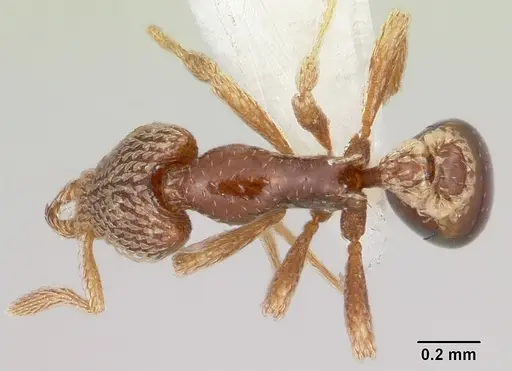
CASENT0900855
View on AntWeb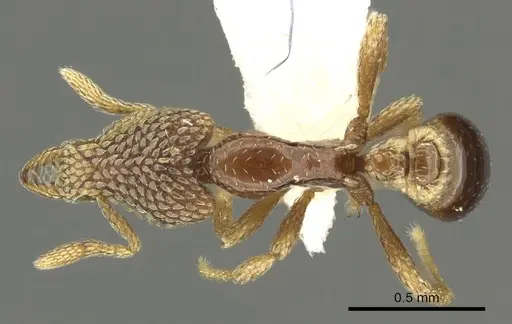
Literature
Loading distribution map...Loading products...