
Strumigenys tegar
- Sci. Name
- Strumigenys tegar
- Tribe
- Attini
- Subfamily
- Myrmicinae
- Author
- Fisher, 2000
- Distribution
- Found in 1 countries
Introduction
Strumigenys tegar is a tiny ant endemic to Madagascar. It was found exclusively in forest leaf litter . Workers are minute, approximately 2-3 mm from genus patterns, and they belong to the trap-jaw genus, which uses fast-snapping mandibles to hunt small soil arthropods. The gaster is pale or amber, contrasting with a darker head. Almost nothing is known about its colony structure, nesting, or behavior in the wild.
Quick Summary
- Difficulty: Hard
- Origin & Habitat: Endemic to Madagascar, recorded only in forest leaf litter [1].
- Colony Type: Unknown, no data available. Most Strumigenys species are monogyne (single queen), but this is not confirmed.
- Size & Growth:
- Queen: ~3-4 mm (inferred from genus Strumigenys)
- Worker: ~2-3 mm (inferred from genus Strumigenys)
- Colony: Likely under 200 workers (inferred from genus patterns)
- Growth: Slow (inferred from genus)
- Development: Estimated 6-10 weeks (inferred from related Strumigenys) (Development is probably slow, but no direct data exists for this species.)
- Antkeeping:
- Temperature: Keep warm and stable, around 22-26°C. Being a tropical forest species, they prefer consistent warmth. Avoid temperatures below 20°C or sudden drops. No precise data is available, so observe your colony and adjust gradually.
- Humidity: High humidity is essential. Provide a moist substrate (leaf-litter mix) and keep the nest chamber humid but not waterlogged. Target a substrate that feels damp to the touch. Exact percentages are unknown.
- Diapause: No, tropical species from Madagascar do not require a winter diapause. Maintain temperature year-round.
- Nesting: No specific data. Based on the genus, they likely nest in leaf litter, rotting wood, or soil. A Y‑tong (AAC) or naturalistic setup with deep, moist substrate can work. Provide small chambers and plenty of hiding spots.
- Behavior: Almost no behavioral data published for this species. Based on subfamily/tribe (Myrmicinae, Attini), they possess a sting. They are likely cryptic and non-aggressive toward humans, but this is speculative. Because of their tiny size, use fine-mesh barriers to prevent escape.
- Common Issues: tiny size makes escape likely without fine mesh barriers, slow growth can tempt keepers to overfeed or disturb the colony too often, high humidity requirements can lead to mold if ventilation is poor, wild-caught colonies may harbor parasites or pathogens, unknown dietary needs, live springtails are a safe guess, but no research confirms this
Housing and Nest Setup
Because Strumigenys tegar was found in forest leaf litter [1], a naturalistic setup that mimics this environment is recommended. Use a Y‑tong (AAC) nest with small chambers or a terrarium with a deep substrate layer of moist peat, coco fiber, and rotting wood pieces. The substrate should be kept damp but not waterlogged. Since the ants are tiny, seal every gap with fine mesh (standard tape or barriers will not stop them). A ventilation hole covered with fine stainless steel mesh helps prevent mold while maintaining humidity.
Feeding and Diet
No diet data is published for Strumigenys tegar. Based on the genus, they are specialized predators that hunt tiny arthropods such as springtails (Collembola). In captivity, offer live springtails, booklice, or fruit flies. They are unlikely to accept dead food or sugars. Provide small amounts of live prey every few days. Monitor to see what they accept, this is experimental.
Temperature and Seasonal Care
As a species from the high plateau of Madagascar [1], Strumigenys tegar likely needs stable warmth year-round. Keep the nest at 22-26°C. A heating cable on one side can create a gentle gradient. Do not let temperatures drop below 20°C for long periods. No diapause is needed, maintain temperature throughout the year.
Behavior and Handling
There are no published observations on the behavior of Strumigenys tegar. Based on its subfamily (Myrmicinae, tribe Attini), it possesses a sting, but it is unlikely to be defensive toward humans. Trap-jaw movement is used for hunting, not defense. Because of their tiny size, avoid any setup that allows escape. Use fine mesh on all ventilation openings and seal cracks with silicone or aquarium sealant.
Frequently Asked Questions
Can I keep Strumigenys tegar in a test tube?
Test tubes can be used for a founding queen, but long‑term care requires a humid, naturalistic setup with hunting space. Since their nesting habits are unknown, a simple test tube may not provide enough room or proper conditions.
How long until Strumigenys tegar has first workers?
No data exists for this species. Based on related Strumigenys, development from egg to worker may take 6-10 weeks at 24-26°C. This is a rough estimate.
What do Strumigenys tegar eat?
Unknown. Strumigenys generally hunt tiny live arthropods like springtails. Start with live springtails, they are a reasonable first guess. Avoid offering dead food or sugars.
Are Strumigenys tegar good for beginners?
No. This species is poorly studied, so care is experimental. They require high humidity, tiny live prey, and stable conditions. Beginners should start with a better‑known species.
How big do Strumigenys tegar colonies get?
Unknown. Most Strumigenys stay under 200 workers, but this is an inference and not confirmed for this species.
Do Strumigenys tegar need hibernation?
No, as a tropical Madagascar species, they do not need hibernation. Keep them warm year‑round.
Why are my Strumigenys tegar dying?
Low humidity (below 70%), temperature stress (below 20°C or above 30°C), lack of live prey, mold from poor ventilation, or parasites from wild‑caught colonies are likely causes. Since almost nothing is known, watch carefully and adjust conditions gradually.
When should I move Strumigenys tegar to a formicarium?
Wait until the colony has at least 20-30 workers before moving. Avoid disturbing the founding queen. Move only if the current setup is clearly inadequate, these ants do better in stable conditions.
Can I keep multiple Strumigenys tegar queens together?
There is no data on this species. Most Strumigenys are monogyne, so keeping multiple queens together is not recommended and may lead to fighting.
Report an Issue
The current care sheet is based fully on literature. See inconsistencies, or something that's incorrect? Please , it will be resolved after review from an admin. Contributing to the blogs tab also helps providing information, to make us be able to further improve the caresheets. Thank you for your support!
References

This caresheet is licensed under CC BY-SA 4.0 .
Community Blogs
CASENT0005642
View on AntWeb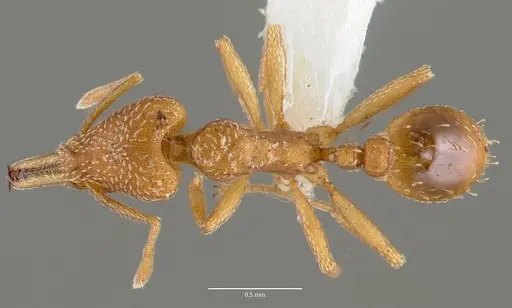
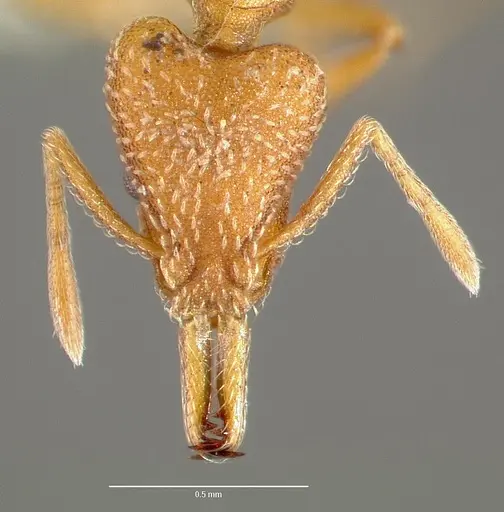
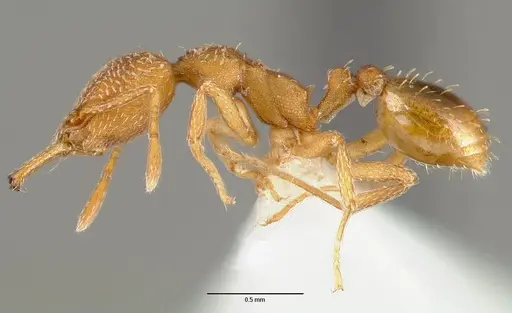
Literature
Loading distribution map...Loading products...