
Strumigenys szalayi
- Sci. Name
- Strumigenys szalayi
- Tribe
- Attini
- Subfamily
- Myrmicinae
- Author
- Emery, 1897
- Distribution
- Found in 5 countries
Introduction
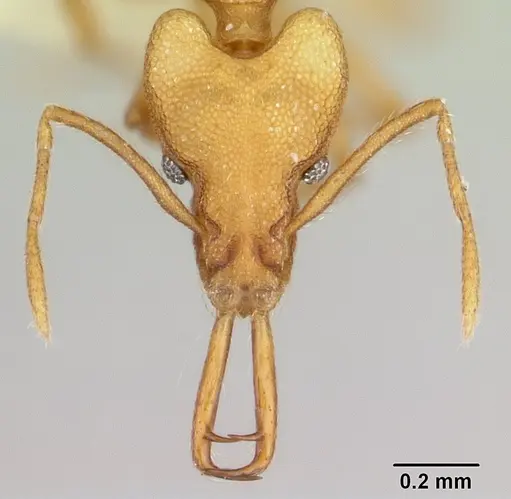
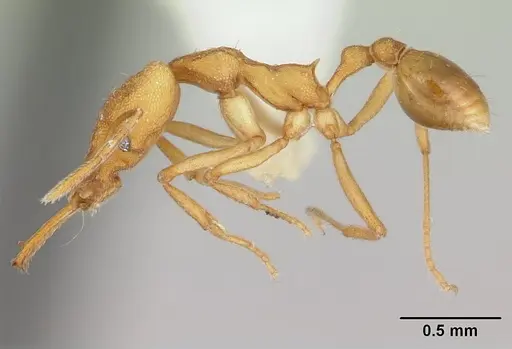
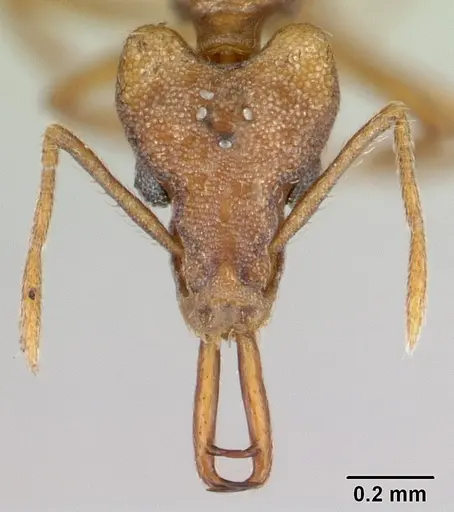
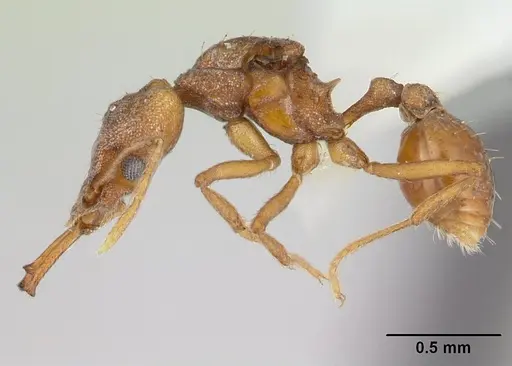
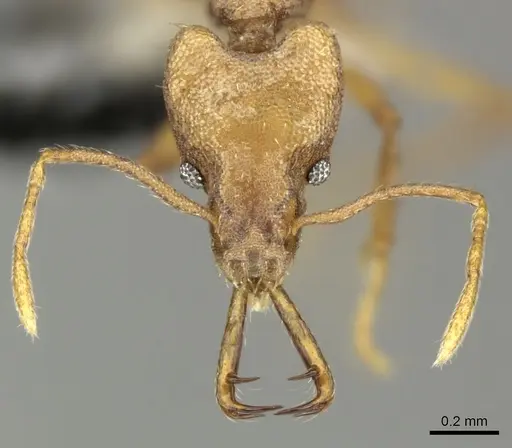
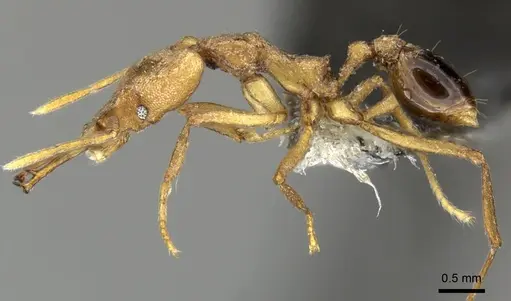
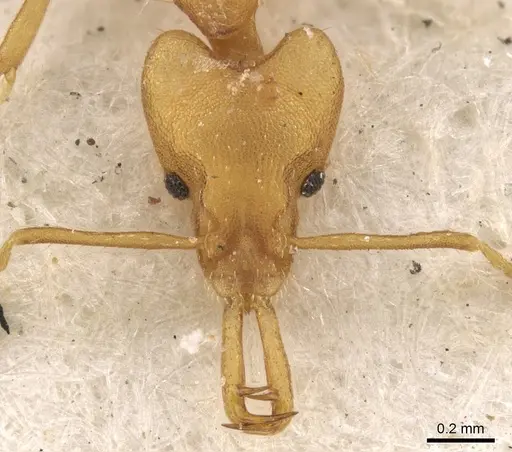
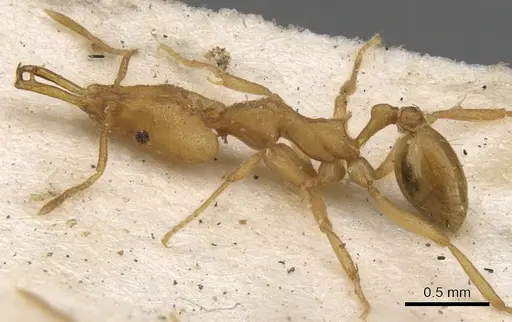
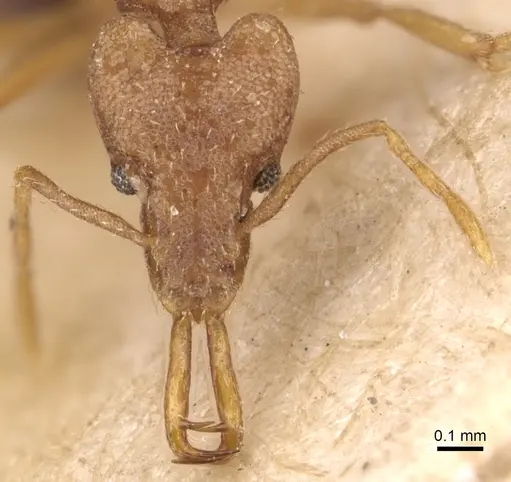
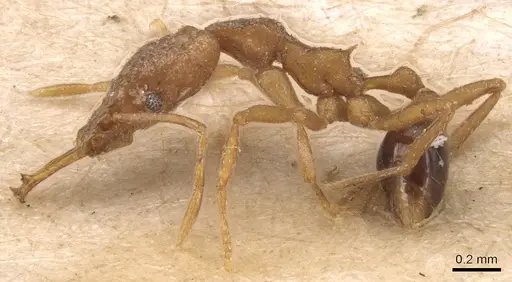
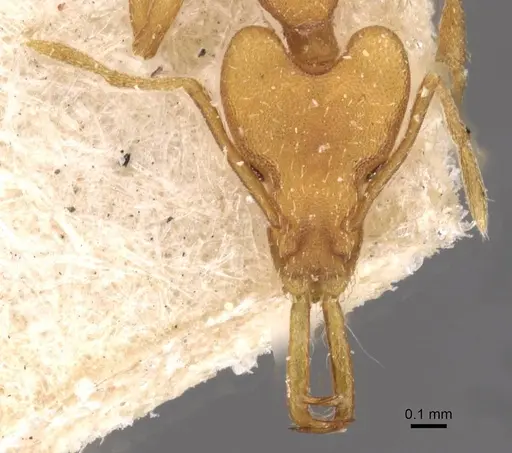
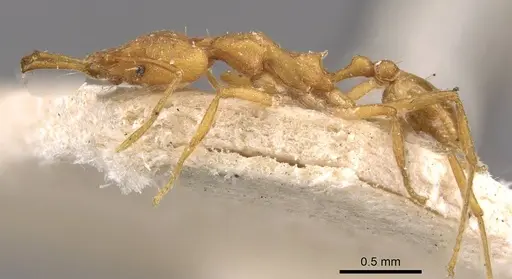
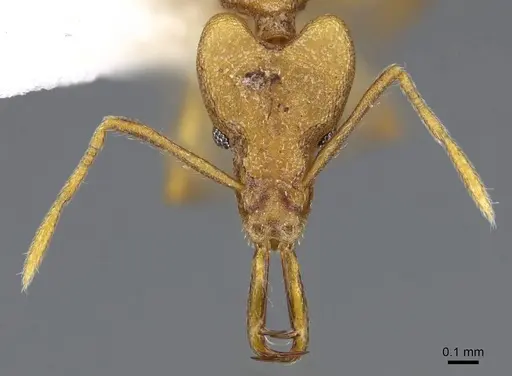
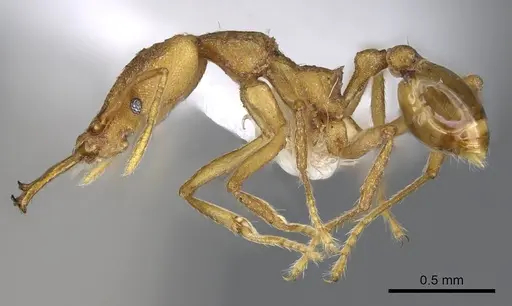
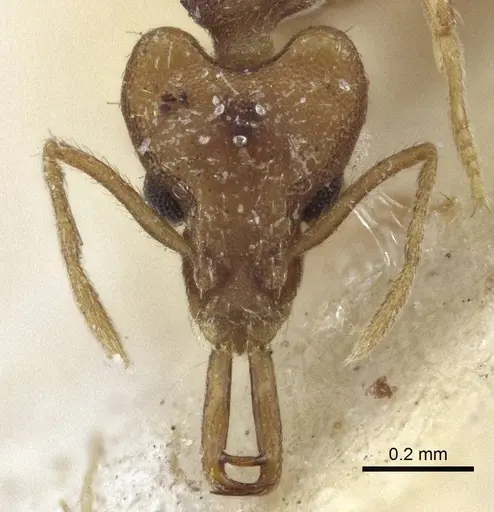
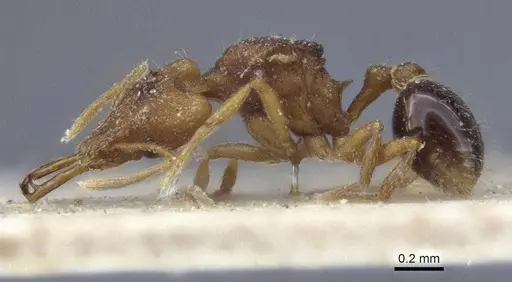
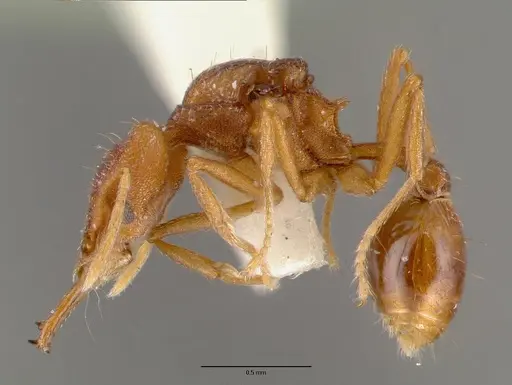
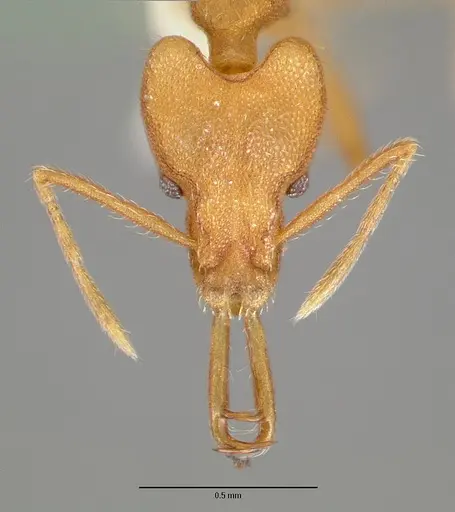
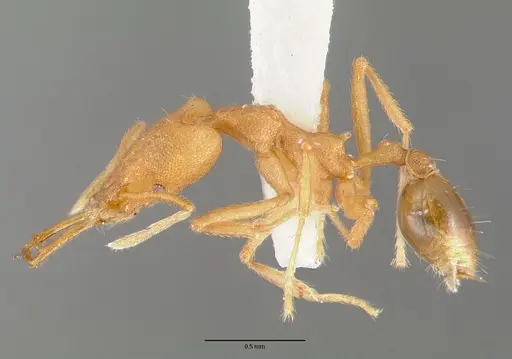
Strumigenys szalayi is a tiny predatory ant in the Myrmicinae subfamily, tribe Attini. Workers measure 2.4-3.5 mm total length and have variable coloration, from yellow to brown, often with the gaster darker than the head and thorax . This species is native to the Indo-Pacific region, found from Australia and New Guinea across Indonesia, the Philippines, Micronesia, Samoa, the Solomon Islands, and Vanuatu . They inhabit a range of tropical rainforests, from swamp forests to montane forests, where they live in leaf litter, rotten wood, and under rocks . What makes S. szalayi stand out is its specialized diet: they are dedicated predators of springtails (Collembola), preferring the subfamily Paronellinae, and will reject other prey like mites, spiders, and aphids . They hunt actively, opening their mandibles to over 180° when striking .
Quick Summary
- Difficulty: Hard
- Origin & Habitat: Native to the Indo-Pacific region, with New Guinean origin. Found in Australia, New Guinea, Indonesia, Philippines, Micronesia, Samoa, Solomon Islands, and Vanuatu [2][3][1]. Lives in tropical rainforest habitats, from swamp forests to montane forests, in leaf litter, rotten wood, and under rocks [1]. Nest abundance peaks at mid-elevation (15 nests at 900m vs. 3 nests at 200m) [4].
- Colony Type: Polygyne documented. One field colony contained about 60 workers with 2 dealate females [1]. Details of social structure are limited, but multiple queens may coexist in the same nest.
- Size & Growth:
- Queen: Slightly larger than workers with usual caste differences, exact measurements not available [1].
- Worker: 2.4-3.5 mm total length [1].
- Colony: Up to about 60 workers in documented field colonies [1].
- Growth: Moderate
- Development: Estimated 6-10 weeks based on typical small myrmicine development patterns. No direct species-specific data available. (Development time depends on temperature and diet quality. Keep consistent tropical conditions.)
- Antkeeping:
- Temperature: 22-26°C (tropical rainforest range). Avoid temperatures below 20°C. Use a gradient for self-regulation. [1]
- Humidity: High humidity (70-85%). Keep nest substrate consistently moist but not waterlogged. Provide good ventilation to prevent mold. [1]
- Diapause: No diapause required. As a tropical species, keep active year-round with stable warm conditions.
- Nesting: Use a naturalistic setup: a plaster or Y-tong nest with small, tight chambers, or a soil/peat mix with rotting wood and bark. Ensure high humidity. Test tubes work for founding but limit colony growth. Avoid acrylic nests.
- Behavior: These ants are specialized, efficient springtail hunters. They hunt actively and open their mandibles to over 180° when striking prey [1]. They have a functional sting, but it is not dangerous to humans. They are docile and not prone to biting. Due to their tiny size (2.4-3.5 mm), escape prevention is critical, use fine mesh and barriers.
- Common Issues: escape prevention is critical, their tiny size allows them to slip through standard gaps, specialized diet requires a reliable live springtail culture, they may reject other prey, small colony size means slow population growth and limited workforce, high humidity needs can cause mold if ventilation is poor, wild-caught colonies may carry parasites that weaken small populations
Housing and Nest Setup
Recreate a rainforest litter environment. Use a naturalistic terrarium with a moist soil/peat substrate (2-3 cm deep), pieces of rotting wood, bark, and leaf litter. A plaster or Y-tong nest with small, humid chambers also works. Avoid acrylic nests. Keep the substrate consistently damp but not waterlogged. A water reservoir connected to the nest helps maintain high humidity. Because these ants are tiny (2.4-3.5 mm), seal all gaps with fine mesh and apply fluon or barriers to prevent escapes. Keep the setup at 22-26°C, away from direct sunlight and drafts [1]. Mid-elevation habitats suggest they prefer slightly cooler conditions than lowland tropical species [4].
Feeding and Diet
This is the most challenging part of keeping S. szalayi. They are specialized predators of springtails (Collembola). Observations show they only accepted entomobryoid Collembola and rejected nematoceran flies, aphids, mites, spiders, and poduroid springtails [1]. They prefer Paronellinae springtails. Maintain a thriving culture of live springtails, offer more than they can eat immediately. Hunting is active, they open their mandibles to over 180° and strike fast. They do not accept sugar water or honey, rely solely on live springtails. Without a steady supply, the colony will starve [1].
Temperature and Seasonal Care
As a tropical species from rainforest habitats, S. szalayi needs warm, stable temperatures year-round. Aim for 22-26°C. Avoid temperatures below 20°C, which may cause stress. Use a small heating mat on one side of the enclosure if needed, but provide a gradient. No hibernation or diapause is required, keep the colony active all year. Monitor behavior: if workers become sluggish, the temperature may be too low. Avoid thermal fluctuations and keep away from air conditioners [1].
Behavior and Observation
Watching S. szalayi hunt is fascinating. Workers are solitary hunters that search through leaf litter and substrate. When they detect a springtail, they open their mandibles to more than 180° and snap shut with incredible speed [1]. Unlike many ants, they do not recruit nestmates to food. They have a functional sting, but it is not medically significant to humans and they are docile. Colonies remain small (around 60 workers), so you won't see large numbers. They are not aggressive toward the keeper. Avoid excessive vibration or light disturbance, especially during founding [1].
Colony Establishment and Growth
Starting a colony requires a mated queen or a wild colony fragment. Founding behavior is unconfirmed for this species. Queens likely found independently (claustral or semi-claustral), but specific details are unknown. Once the first workers emerge, provide a constant supply of live springtails. Growth is slow, expect several months to reach a few dozen workers. Maximum colony size appears to be around 50-60 workers based on field data [1]. Do not disturb the colony during the fragile early stages. Transfer to a larger setup only when the colony is well-established and actively foraging, and the current nest is clearly too small.
Frequently Asked Questions
Can I keep Strumigenys szalayi in a test tube?
A test tube can work for a founding queen or a very small colony, but these ants need high humidity and a naturalistic setup to thrive long-term. Use a test tube with a water reservoir and keep it humid. For established colonies, a small plaster nest or naturalistic terrarium with moist substrate is better [1].
What do Strumigenys szalayi ants eat?
They eat live springtails (Collembola) exclusively, specifically Paronellinae. They will reject mites, spiders, aphids, and other insects. You must maintain a reliable culture of live springtails to keep this species healthy [1].
How long until Strumigenys szalayi produces first workers?
Estimated 6-10 weeks from egg to worker, based on development patterns of related small myrmicines. Exact timing depends on temperature, humidity, and diet. The first workers (nanitics) will be small and the colony will grow slowly.
Are Strumigenys szalayi good for beginners?
No. This species is difficult due to its specialized diet (live springtails), high humidity needs, tiny size (high escape risk), and slow colony growth. Beginners should start with hardier species like Lasius niger or Messor barbarus [1].
How big do Strumigenys szalayi colonies get?
Documented colonies reach about 50-60 workers at maximum [1]. This is relatively small compared to many common ant species.
Do Strumigenys szalayi need hibernation?
No. As a tropical species, they do not require hibernation. Keep them warm and active year-round at 22-26°C [1].
Why are my Strumigenys szalayi dying?
Common causes: lack of live springtail prey, low humidity, temperatures below 20°C, or escapes due to their tiny size. Ensure a thriving springtail culture, maintain high humidity, and keep the temperature stable [1].
When should I move Strumigenys szalayi to a formicarium?
Wait until the colony is well-established and actively foraging, typically with at least a couple dozen workers. Move too early can stress the queen. A naturalistic setup with moist substrate is preferred over traditional formicariums for this species [1].
Can I keep multiple Strumigenys szalayi queens together?
It may be possible, as field colonies have been found with multiple dealate queens (polygyny) [1]. However, combining unrelated queens is risky and not well-studied. If you obtain a polygyne colony fragment, they can stay together as found.
Report an Issue
The current care sheet is based fully on literature. See inconsistencies, or something that's incorrect? Please , it will be resolved after review from an admin. Contributing to the blogs tab also helps providing information, to make us be able to further improve the caresheets. Thank you for your support!
References

This caresheet is licensed under CC BY-SA 4.0 .
Community Blogs
CASENT0178415
View on AntWeb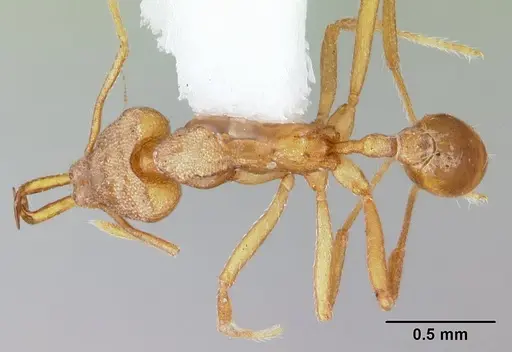
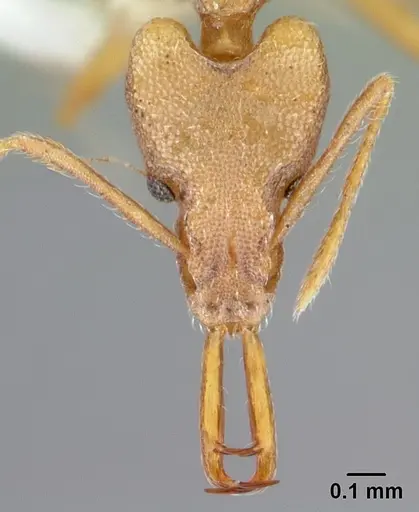
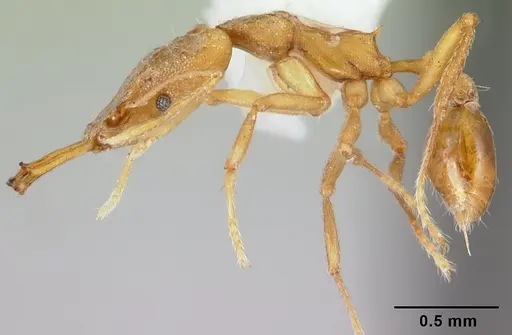
CASENT0178462
View on AntWeb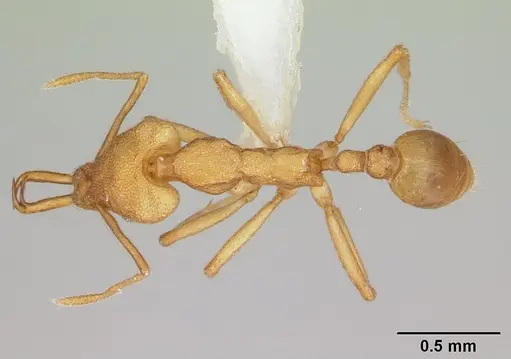
CASENT0178463
View on AntWeb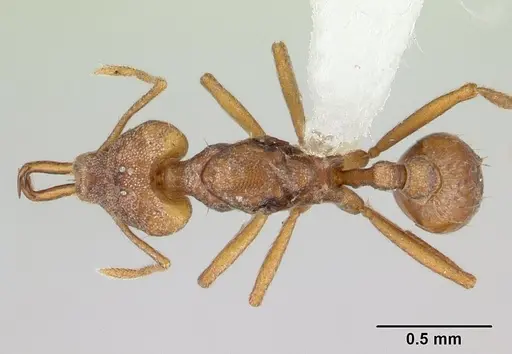
CASENT0199965
View on AntWeb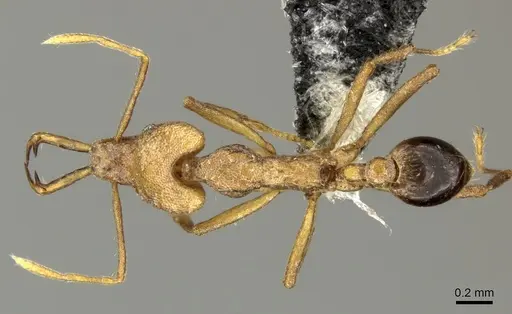
CASENT0900758
View on AntWeb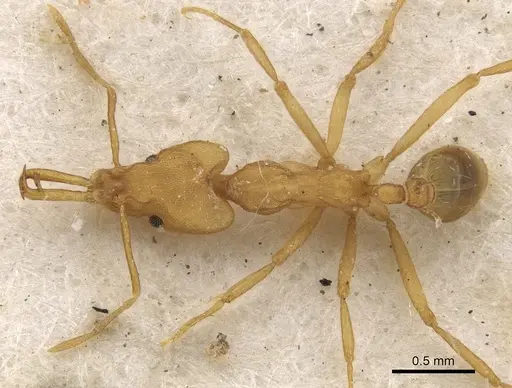
CASENT0904944
View on AntWeb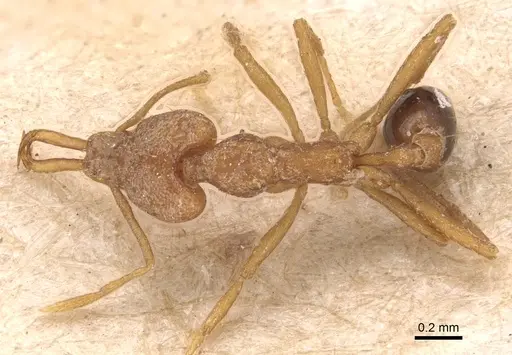
CASENT0909321
View on AntWeb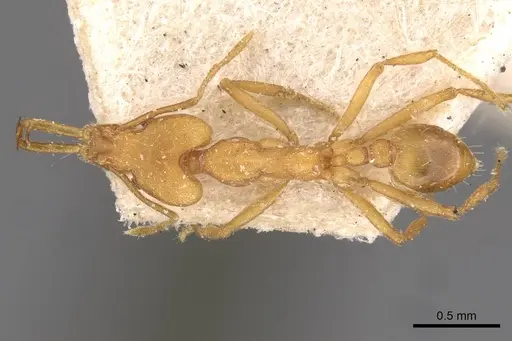
CASENT0914872
View on AntWeb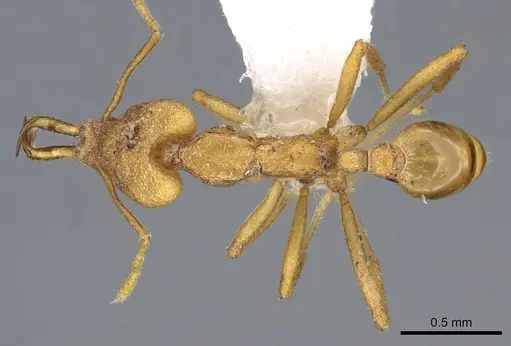
CASENT0916691
View on AntWeb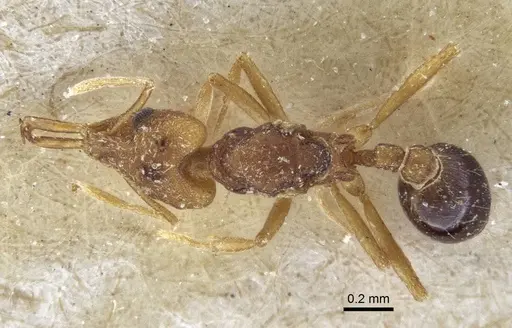
CASENT0916692
View on AntWeb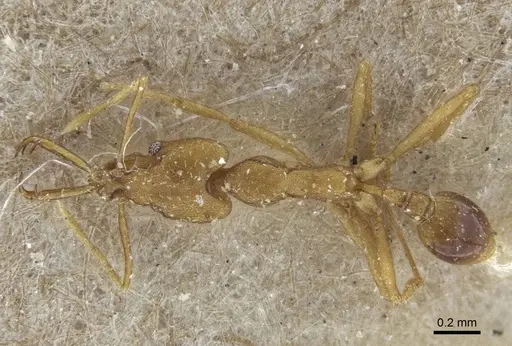
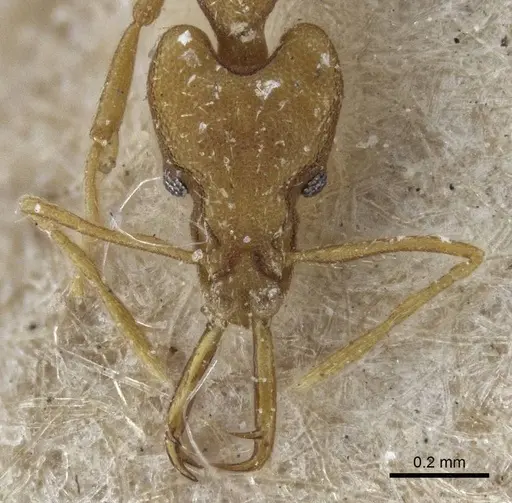
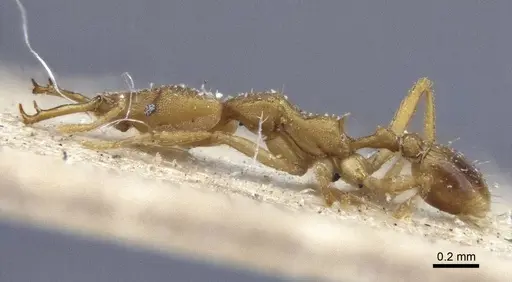
CASTYPE06891-01
View on AntWeb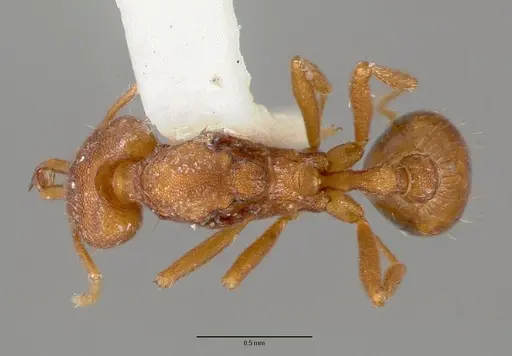
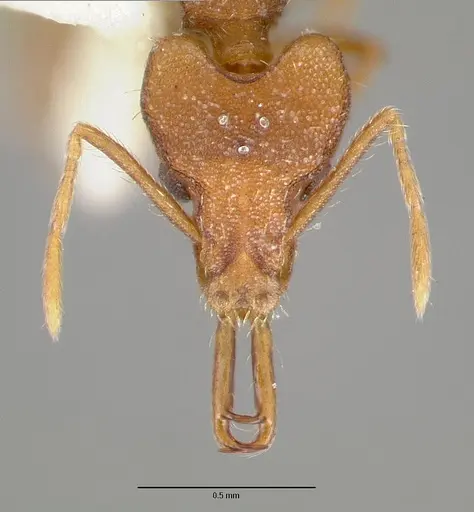
CASTYPE06891-02
View on AntWeb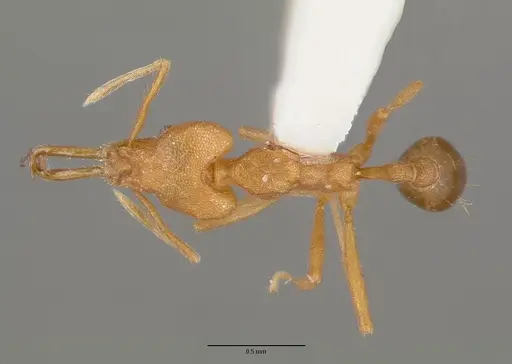
Literature
Loading distribution map...Loading products...