
Strumigenys seti
- Sci. Name
- Strumigenys seti
- Tribe
- Attini
- Subfamily
- Myrmicinae
- Author
- Bolton, 2000
- Distribution
- Found in 1 countries
Introduction
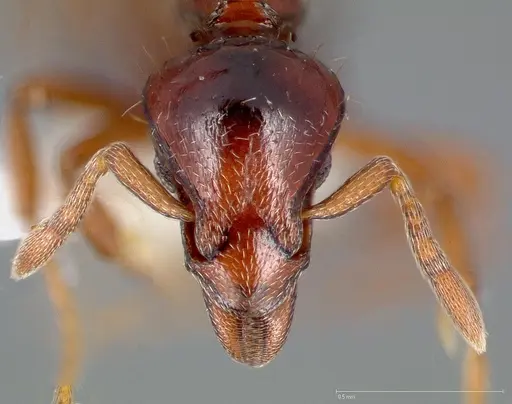
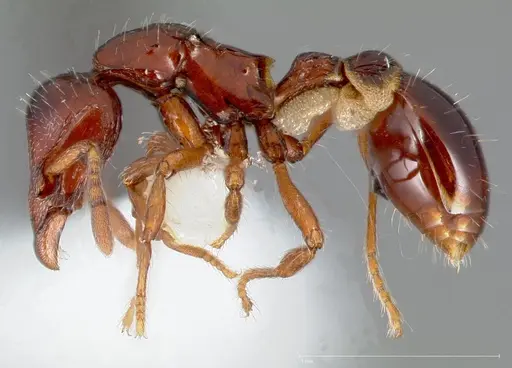
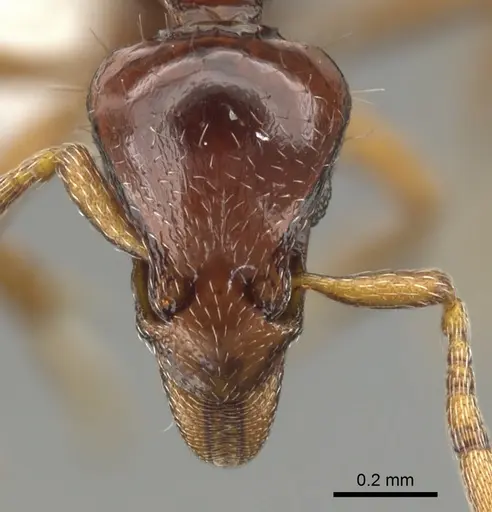
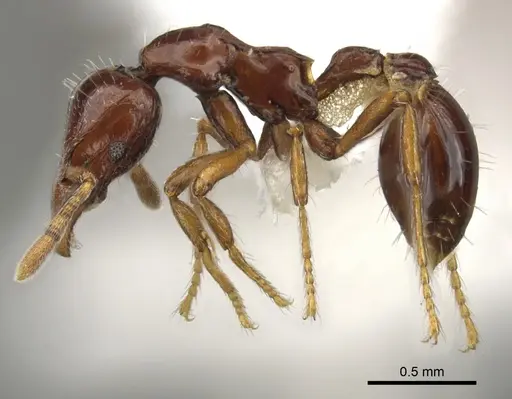
Strumigenys seti is a tiny ant endemic to Madagascar. Workers measure about 3.0-3.3 mm total length . It is one of the hairiest species in the exiguaevitae complex, with dense, straight, erect hairs on the head, body, and legs and laterally projecting hairs behind the eyes . The body is dark brown with a smooth, weakly sculptured surface. It was originally described as Pyramica seti in 2000 and later transferred to Strumigenys . This ant lives in leaf litter in two very different habitats: montane rainforest at 1580-1860 m elevation and tropical dry forest on tsing (limestone) . Being a specialized predator of tiny soil invertebrates, it uses trap‑jaw mandibles to catch prey. Its high‑altitude and dry‑forest presence makes it a particularly interesting and adaptable species .
Quick Summary
- Difficulty: Expert
- Origin & Habitat: Endemic to Madagascar, found in montane rainforest at 1580-1860 m elevation and in tropical dry forest on tsing (limestone). All specimens have been collected from sifted leaf litter samples [2][3][1].
- Colony Type: No published data on colony structure. Based on the genus Strumigenys, colonies are likely single‑queen, but this is not confirmed.
- Size & Growth:
- Queen: ~3.1 mm total length [1]
- Worker: 3.0-3.3 mm total length [1]
- Colony: No wild colony size data available, unknown.
- Growth: Unknown, no growth rate data for this species.
- Development: No published data. Development time is unstudied. (As no studies exist for Strumigenys seti, all development times are unknown.)
- Antkeeping:
- Temperature: No published data. Based on collection at high elevation (1580-1860 m) in Madagascar montane rainforest, a cool range around 18-22°C is inferred. Avoid temperatures above 25°C [2].
- Humidity: No directly measured data. Leaf litter habitat suggests high humidity, keep the nest substrate consistently moist but not waterlogged. Provide a damp, well‑ventilated environment.
- Diapause: No data. Madagascar has mild seasonal variation at higher elevations, a slight winter cooldown to 15-18°C for 2-3 months may be beneficial, but this is speculative.
- Nesting: No species‑specific data. Inferred from leaf‑litter lifestyle: a Y‑tong (AAC) or plaster nest that holds humidity and has tight chambers is a reasonable choice. A naturalistic setup with leaf litter and soil also suits this cryptic ant.
- Behavior: Very peaceful and cryptic. Workers are slow‑moving and spend most time in the leaf litter. They have trap‑jaw mandibles for catching tiny prey but are harmless to humans, the sting is not medically significant. Escape risk is extreme due to their tiny size (3 mm), they can pass through standard cotton plugs and small gaps. Use fine mesh and tight seals.
- Common Issues: escape prevention is critical, they are tiny enough to squeeze through standard barriers and cotton plugs., high humidity needs can lead to mold if ventilation is poor., slow or unknown growth may frustrate beginners who overfeed and pollute the nest., cold temperatures will stall what little is known about brood development, keep above 18°C., wild‑caught colonies may be stressed from collection and have high initial mortality.
Housing and Setup
Because no specific nesting data exists for Strumigenys seti, recommendations come from its leaf‑litter habitat. A Y‑tong (AAC) or plaster nest works well for tiny ants because it holds humidity and provides tight chambers. The outworld should be small and simple. Escape prevention is absolutely critical, workers are only 3 mm long and can slip through standard cotton plugs, gaps, and even ventilation holes. Use fine mesh (0.5 mm or smaller) on all vents and check all connections regularly. A test tube setup can work but needs a firmly packed cotton barrier or a sponge plug. A naturalistic setup with a layer of moist leaf litter on soil suits established colonies and lets ants forage naturally. [2][3]
Temperature Requirements
No published temperature data exists for Strumigenys seti. In the wild, it has been collected in leaf litter at elevations of 1580-1860 m in Madagascar [2], which suggests a cool, stable climate. Based on this, a nest temperature of 18-22°C is a reasonable starting point. Room temperature around 20°C may work without extra heating. Avoid temperatures above 25°C. If your room is colder, use a gentle heat gradient on one side of the nest. Temperatures below 15°C are likely to stop brood development. A slight winter reduction to 15-18°C for 2-3 months may mimic natural seasonal variation, but this is not proven [2].
Humidity and Moisture
No specific humidity measurements have been published. Since this ant was collected from humid leaf litter on rainforest floors and dry forest on tsing [2][3], keeping the nest substrate consistently moist but not waterlogged is a reasonable starting point. For Y‑tong nests, use a water reservoir that provides humidity without flooding. In a test tube setup, fill about one‑third with water and use a tight cotton barrier. Monitor for condensation, a little is good, but excessive dripping means too much water. Provide a humidity gradient so ants can choose their preferred zone. Dry conditions stress workers and may kill brood. Poor ventilation in a wet setup leads to mold, so balance is key.
Feeding and Diet
No dietary studies exist for Strumigenys seti. Based on the genus, it is a specialized predator of tiny soil invertebrates. The primary captive food should be live springtails (e.g., Folsomia candida), which are small enough for 3‑mm workers to handle. They may also accept other micro‑arthropods like booklice (psocids) and fruit flies. Offer prey smaller than the ant's head. Feed every 2-3 days and remove uneaten prey after 24 hours to prevent mold. Sugar sources are rarely accepted by predatory Strumigenys, you can try a tiny drop of diluted honey occasionally, but do not rely on it. This species is an obligate predator.
Behavior and Temperament
Strumigenys seti is a peaceful, cryptic ant that avoids confrontation. Workers are slow‑moving and spend most of their time hidden in the leaf litter. They have trap‑jaw mandibles (a genus trait) used for catching tiny prey, not for defense. The ant has a functional stinger (subfamily Myrmicinae, tribe Attini), but it is too small to pose any medical risk to humans. The main behavioral challenge is escape, their tiny size (3 mm) lets them squeeze through any gap. Always use fine mesh on ventilation, check tubing connections, and seal lids tightly. They do not swarm or defend vigorously.
Colony Development
No published data exists on colony growth, queen founding, or development time for Strumigenys seti. The following are general inferences from related Strumigenys species. Founding type is unconfirmed, likely claustral but not observed. Development from egg to worker probably takes 8-12 weeks at 20-22°C, but this is speculative. Colonies may remain small (perhaps 50-200 workers) based on related species, but this is not supported by any data. Foundress queens should be left undisturbed in a dark, quiet place. Once workers appear, they will begin foraging for tiny prey. Patience is essential because growth is expected to be slow, if it happens at all in captivity.
Frequently Asked Questions
How long does it take for Strumigenys seti to produce first workers?
No data exists. Based on related Strumigenys species, an estimate of 8-12 weeks at 20°C is possible, but this is unconfirmed for Strumigenys seti.
What do Strumigenys seti ants eat?
They are specialized predators that need live tiny prey. The best captive food is live springtails, plus other micro‑arthropods like booklice and fruit flies. Prey must be smaller than the ant's head. Sugar is rarely accepted. No diet studies have been done for this species.
Can I keep Strumigenys seti in a test tube?
Yes, but with great caution. Use a firmly packed cotton barrier to prevent escapes. A Y‑tong or plaster nest is often better for long‑term housing because it holds humidity better and provides appropriately sized chambers. No published housing recommendations exist.
What temperature do Strumigenys seti ants need?
No published temperature data. Based on their collection at 1580-1860 m elevation [2], a cool range of 18-22°C is a reasonable guess. Room temperature around 20°C may work. Avoid temperatures above 25°C [2].
Are Strumigenys seti good for beginners?
No. They are extremely tiny, require high humidity, have unknown care requirements, and are high‑escape risks. Only experienced keepers who can maintain stable conditions should attempt this species.
How big do Strumigenys seti colonies get?
No wild colony data exists. Related Strumigenys species usually have small colonies (50-200 workers), but this is speculative for Strumigenys seti.
Do Strumigenys seti need hibernation?
No data. Madagascar has mild seasonal variation at high elevations. A slight winter cooldown to 15-18°C for 2-3 months may be beneficial, but is not required. Do not expose them to temperatures below 10°C.
Why are my Strumigenys seti escaping?
Their 3 mm size allows them to squeeze through nearly any gap. Use fine mesh (0.5 mm), check all tubing connections, and replace cotton plugs with tightly packed cotton wool or sponge barriers. Inspect the setup daily until you find the escape route.
When should I move Strumigenys seti to a formicarium?
No firm recommendation exists. Because they prefer small, humid spaces, they can stay in a test tube until it becomes dirty or the water runs out. Move them only when necessary, using a gentle transfer method. A Y‑tong or plaster nest with small chambers is a good final home.
Report an Issue
The current care sheet is based fully on literature. See inconsistencies, or something that's incorrect? Please , it will be resolved after review from an admin. Contributing to the blogs tab also helps providing information, to make us be able to further improve the caresheets. Thank you for your support!
References

This caresheet is licensed under CC BY-SA 4.0 .
Community Blogs
CASENT0005457
View on AntWeb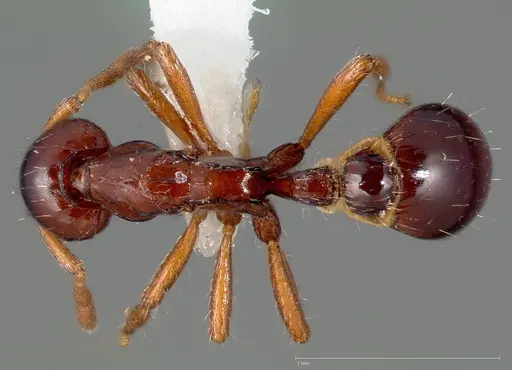
CASENT0005458
View on AntWeb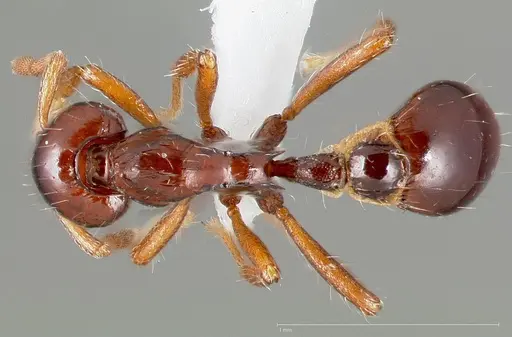
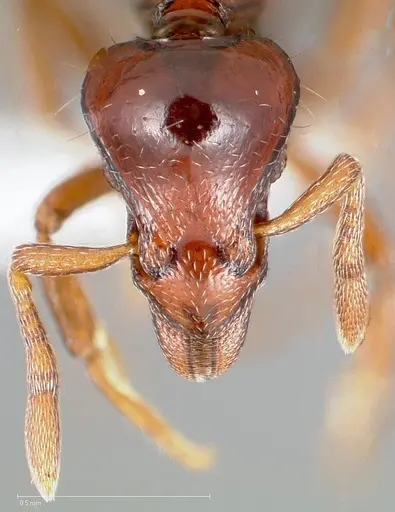
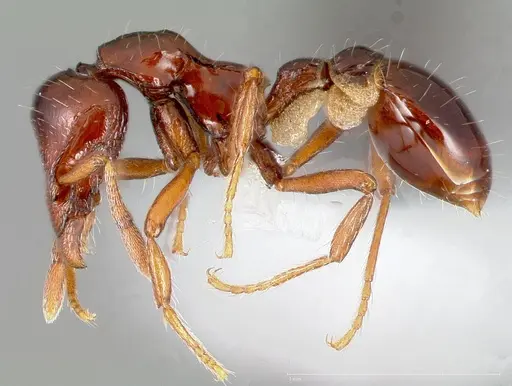
CASENT0005459
View on AntWeb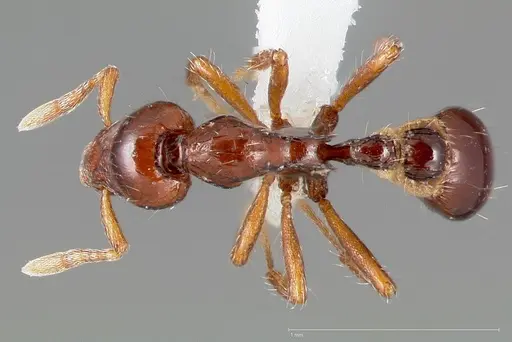
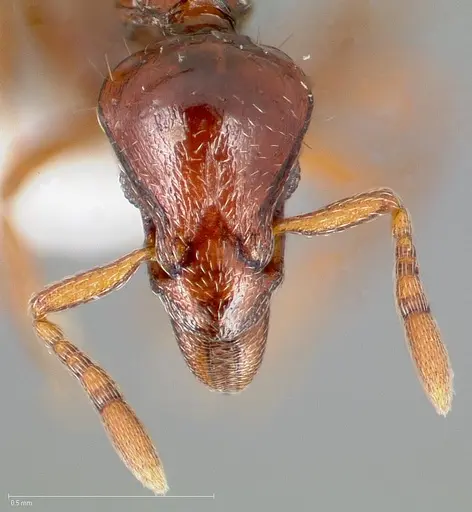
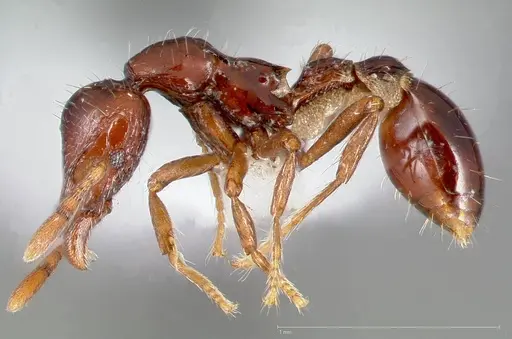
CASENT0005995
View on AntWeb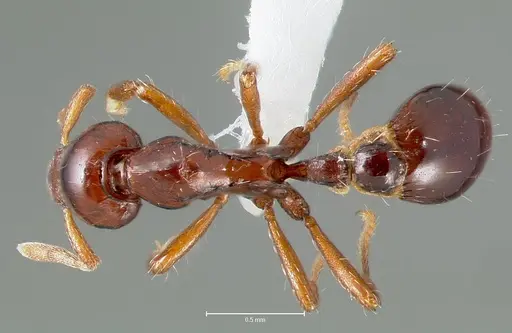
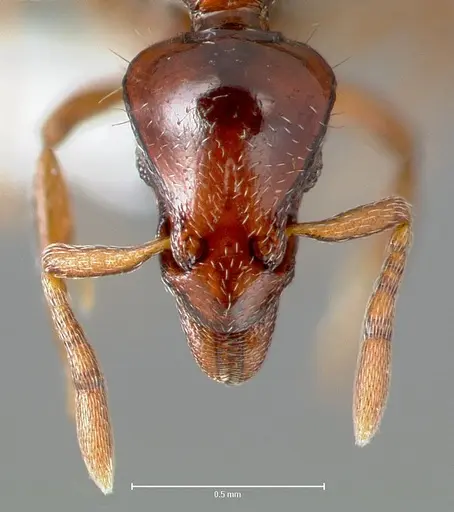
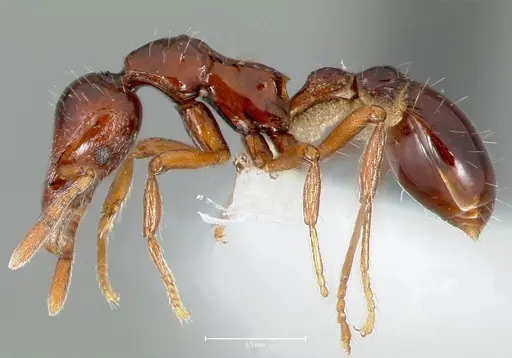
CASENT0900038
View on AntWeb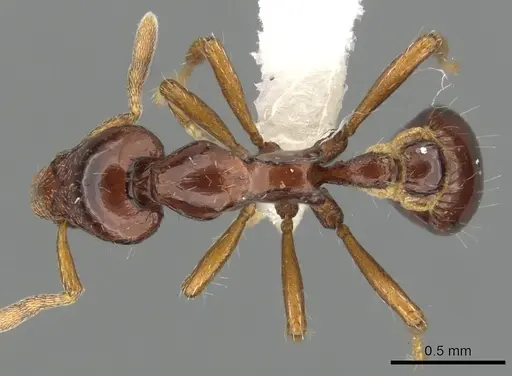
Literature
Loading distribution map...Loading products...