
Strumigenys schuetzi
- Sci. Name
- Strumigenys schuetzi
- Tribe
- Attini
- Subfamily
- Myrmicinae
- Author
- Fisher, 2000
- Distribution
- Found in 3 countries
Introduction
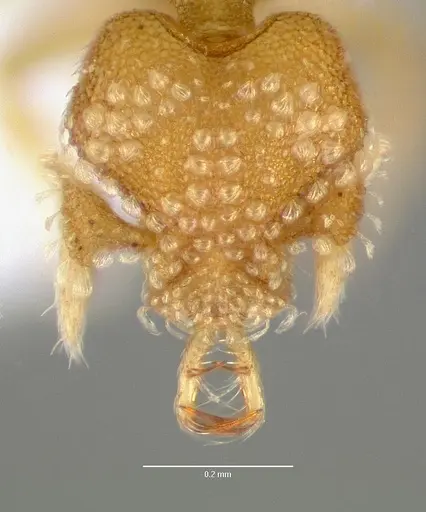
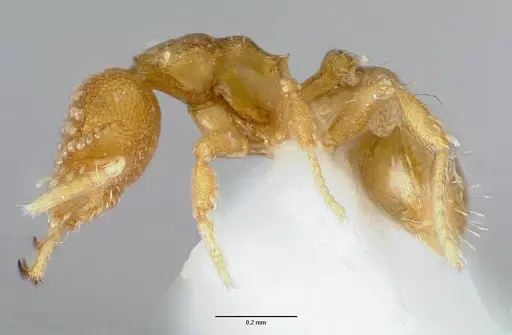
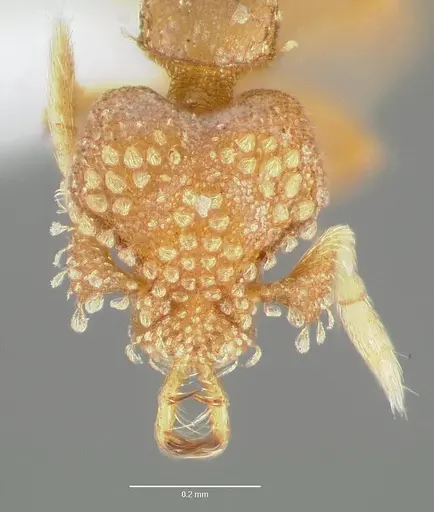
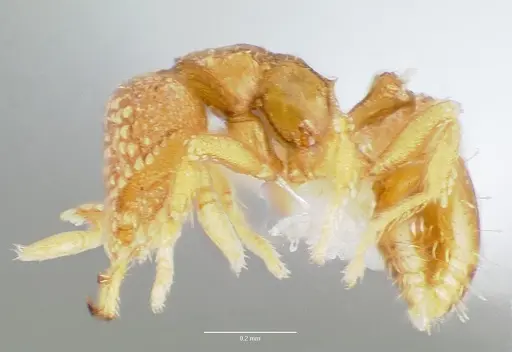
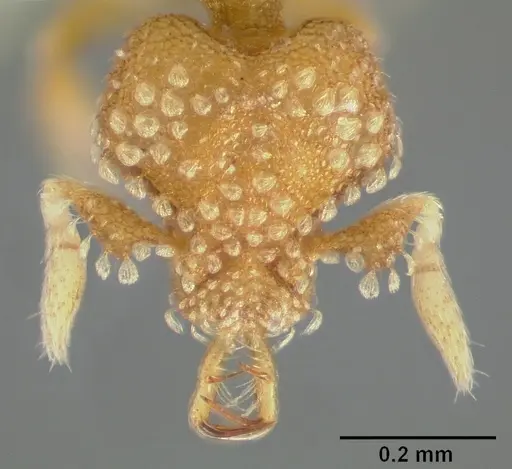
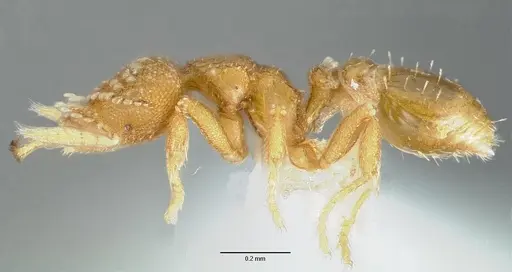
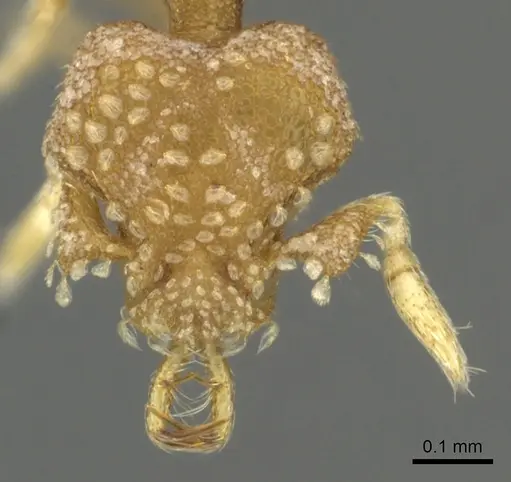
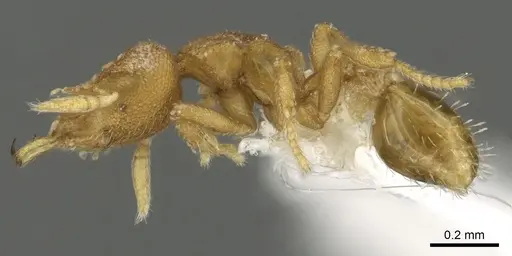
Strumigenys schuetzi is a small predatory ant native to Madagascar. Workers are tiny, around 2-3 mm, and have the trap-jaw mandibles typical of the genus, which snap shut in milliseconds on prey. They are cryptically colored, usually yellowish to light brown, and move with short, jerky hunting motions through forest leaf litter. This species has been collected at elevations between 400 m and 1240 m in Madagascar's humid forests . Their specialized diet and humidity needs make them challenging to keep, and most of their biology is inferred from related species.
Quick Summary
- Difficulty: Expert
- Origin & Habitat: Madagascar, found in humid forest leaf litter at elevations of 400-1240 m [1]. They live in damp, shaded microhabitats on the forest floor.
- Colony Type: Unconfirmed, likely single-queen colonies based on typical Strumigenys patterns, but not documented for this species. Colony sizes probably remain small.
- Size & Growth:
- Queen: Estimated 3-4 mm based on genus patterns
- Worker: Estimated 2-3 mm based on genus patterns
- Colony: Unknown, likely under 100 workers based on related Strumigenys species
- Growth: Slow
- Development: Estimated 8-12 weeks based on related trap-jaw ants (Development is slow, these are small ants with specialized requirements. Temperature dependent.)
- Antkeeping:
- Temperature: Stable moderate temperatures, roughly 20-25°C, inferred from shaded forest floor habitat. No confirmed data.
- Humidity: High humidity is essential, aim for 70-85%. Keep the nest substrate consistently moist but not waterlogged, matching their damp leaf-litter environment.
- Diapause: Unknown, no data for this species. Based on Madagascar origin, a true hibernation is unlikely, but a slight cool period may be beneficial. Observe colony activity.
- Nesting: Y-tong (AAC) nests or naturalistic setups with good moisture retention. They prefer compact chambers and narrow passages. Add leaf litter, rotting wood, or moss in the outworld for hunting.
- Behavior: Docile but specialized hunters. Workers use their trap-jaw mandibles to capture tiny live prey, primarily springtails. They have a functional sting (per subfamily), but it is not dangerous to humans. Their small size makes escape prevention critical, they can squeeze through gaps smaller than 1 mm.
- Common Issues: specialized diet requires a steady supply of live springtails, they will starve on dead food alone., high humidity needs can lead to mold if ventilation is poor., slow colony growth tests keeper patience, colonies develop very gradually., escape prevention is critical due to their tiny size, use tight seals and fine mesh., wild-caught colonies may carry mites or parasites that are difficult to treat.
Housing and Nest Setup
Given the lack of specific nesting data for Strumigenys schuetzi, recommendations are based on small dacetine ants in general. Their tiny size (workers ~2-3 mm) means they need a nest with chambers scaled to them, tight, flat spaces feel secure. Y-tong (AAC) blocks work well because they hold moisture reliably, which is essential for high humidity. A naturalistic setup with a moist soil chamber and leaf litter debris mimics their forest floor habitat. The outworld must contain hunting materials like dead leaves, small rotting twigs, and moss where springtails can thrive. Escape prevention is paramount, use fluon or mineral oil barriers and seal any缝隙 larger than 0.5 mm. The only confirmed data is their collection from leaf litter at 400-1240 m in Madagascar [1].
Feeding and Diet
This is the most challenging aspect. Strumigenys schuetzi is a specialized predator that almost certainly hunts springtails (Collembola) and other tiny soil arthropods in the wild, based on genus-wide behavior. No confirmed diet data exists for this species. In captivity, a steady supply of live springtails is essential. They may also accept booklice (psocids), minute soil mites, and freshly killed fruit fly larvae, but these should be supplements, not staples. Sugar sources are generally ignored, they do not need honey or sugar water. Feed every 2-3 days, adjusting based on how quickly prey is consumed. Without live prey, colonies will starve.
Temperature and Seasonal Care
No exact temperature data is available for this species. Based on its collection in humid forests at moderate elevations (400-1240 m) in Madagascar [1], you can infer stable, moderate temperatures typical of a tropical forest floor. Aim for 20-25°C and avoid extremes. A small heat mat on one side of the nest can create a gentle gradient, but overheating will dry out the nest. For diapause, there is no information. Most Strumigenys are tropical and do not require a cold period, but a slight reduction in temperature and less feeding during winter (if your climate has cool winters) may be tried with careful observation.
Behavior and Defense
Strumigenys schuetzi workers are active, deliberate hunters. They use their lightning-fast trap-jaw mandibles to snap up tiny prey that comes within range. This is their primary hunting and defense tool. Per subfamily (Myrmicinae), they possess a functional sting, but it is very small and not considered dangerous to humans, they rarely try to sting. They are not aggressive toward keepers and will focus on hunting rather than defending the nest. Their small size means they are prone to escaping, check all seals regularly.
Frequently Asked Questions
Can I keep Strumigenys schuetzi in a test tube?
Test tubes can work for a founding queen if humidity is carefully managed, but they are not ideal for established colonies. These ants need hunting space and consistently high humidity that test tubes struggle to maintain long-term. A Y-tong nest or naturalistic setup is much better.
What do Strumigenys schuetzi eat?
They are specialized predators that require live springtails as their staple food. Other tiny live prey like booklice and fruit fly larvae may be accepted occasionally. They do not take sugar sources or dead insects.
How long until first workers in Strumigenys schuetzi?
Based on related trap-jaw ant species, expect 8-12 weeks from egg to first worker. Development is slow, and colonies grow gradually. Patience is essential.
Are Strumigenys schuetzi good for beginners?
No, this species is not recommended for beginners. Their specialized diet (needing live springtails), high humidity needs, slow colony growth, and tiny size (escape risk) make them suitable only for experienced antkeepers.
How big do Strumigenys schuetzi colonies get?
Colony size is unconfirmed, but based on typical Strumigenys patterns, colonies likely stay under 100 workers. They remain small throughout their life.
Do Strumigenys schuetzi need hibernation?
Diapause requirements are unconfirmed for this species. Since it comes from Madagascar’s tropical forests, a true hibernation is unlikely. A slight reduction in temperature during winter may be tried, but it is not required. Observe colony behavior.
Why are my Strumigenys schuetzi dying?
Common causes include: lack of live springtail prey (they starve without live food), humidity too low (aim for 70-85%), temperature extremes (keep stable 20-25°C), and escape (check for tiny gaps). Wild-caught colonies may also carry parasites.
When to move Strumigenys schuetzi to a formicarium?
Wait until the colony has at least 15-20 workers before moving. They do better in compact nests, a Y-tong or small naturalistic setup is ideal. Moving too early can stress the colony.
Can I keep multiple Strumigenys schuetzi queens together?
Combining unrelated queens is not recommended and has not been documented for this species. Based on typical Strumigenys behavior, they are likely single-queen colonies. Keep one queen per colony.
Report an Issue
The current care sheet is based fully on literature. See inconsistencies, or something that's incorrect? Please , it will be resolved after review from an admin. Contributing to the blogs tab also helps providing information, to make us be able to further improve the caresheets. Thank you for your support!
References

This caresheet is licensed under CC BY-SA 4.0 .
Community Blogs
CASENT0005631
View on AntWeb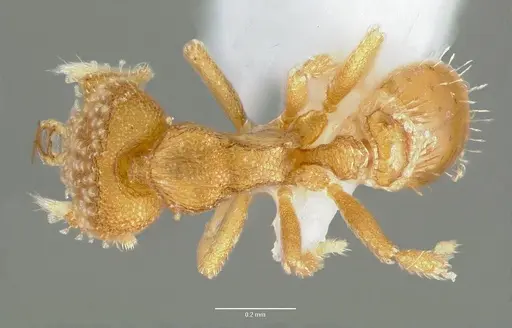
CASENT0005632
View on AntWeb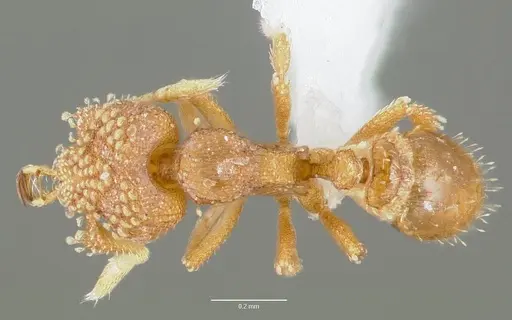
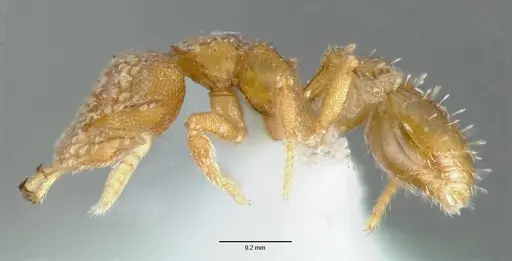
CASENT0005633
View on AntWeb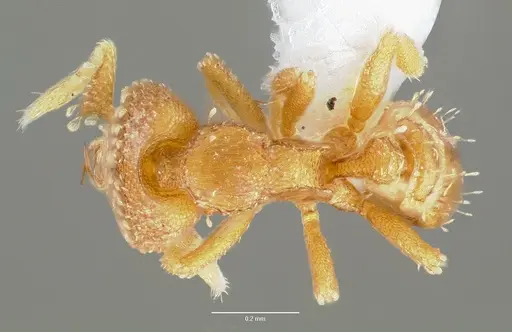
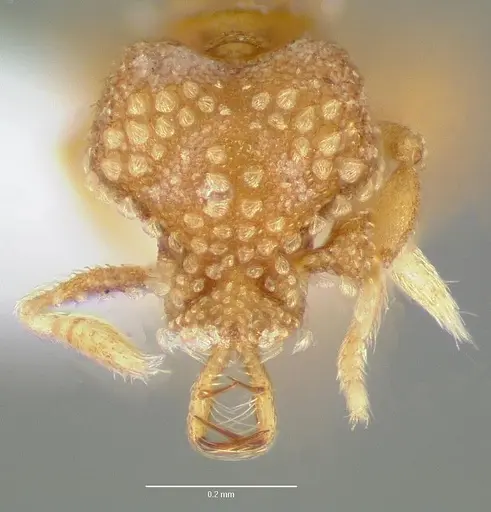
CASENT0005634
View on AntWeb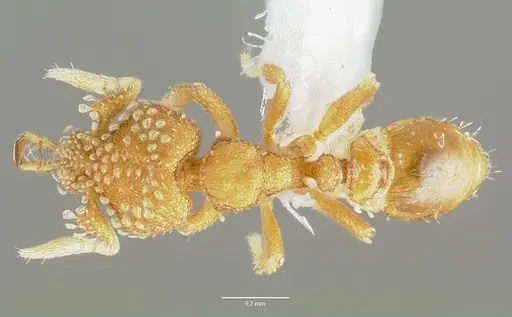
CASENT0900686
View on AntWeb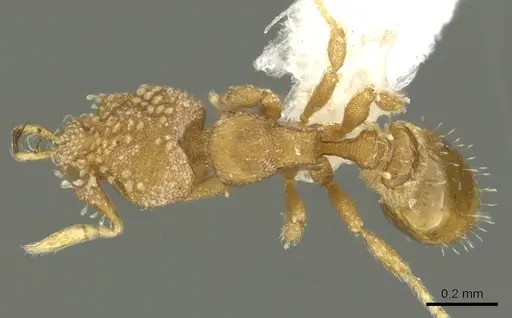
Literature
Loading distribution map...Loading products...