
Strumigenys sarissa
- Sci. Name
- Strumigenys sarissa
- Tribe
- Attini
- Subfamily
- Myrmicinae
- Author
- Bolton, 1983
- Distribution
- Found in 2 countries
Introduction
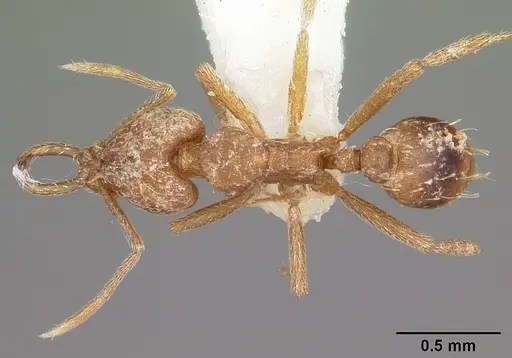
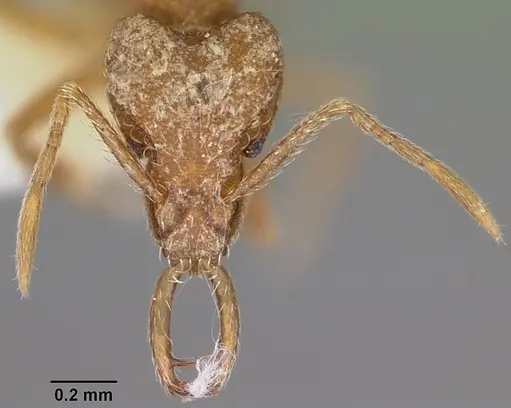
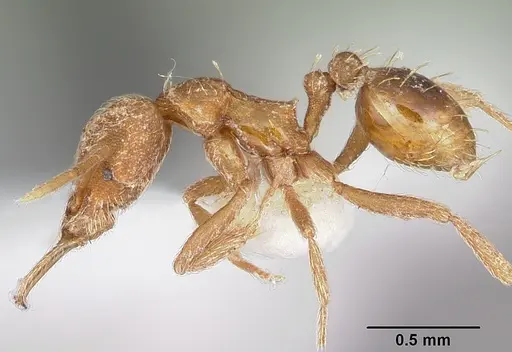
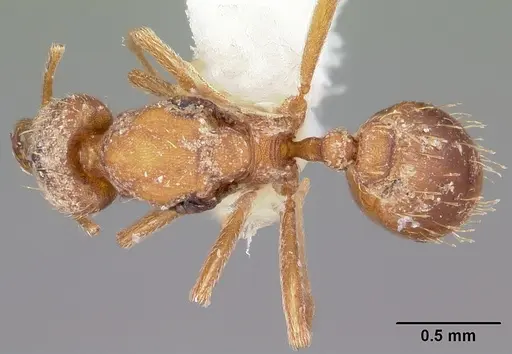
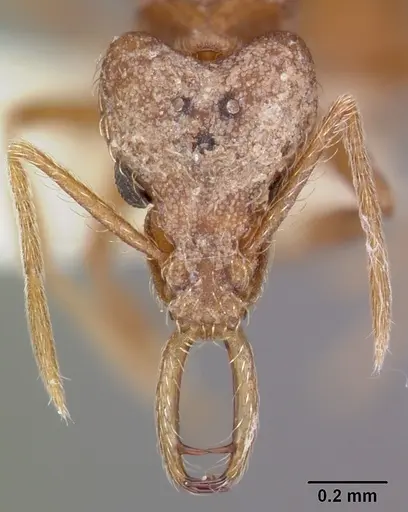
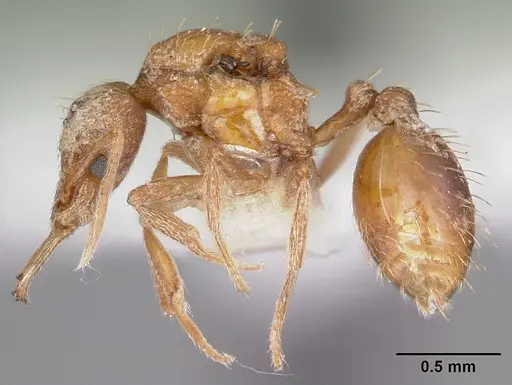
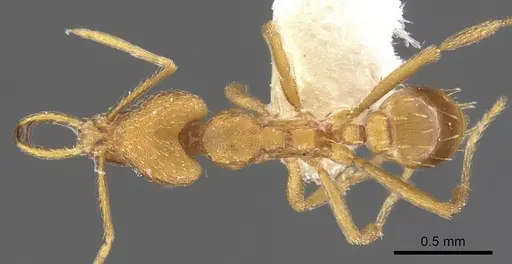
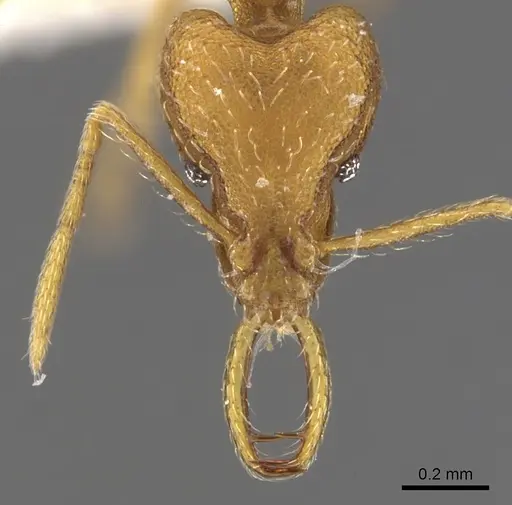
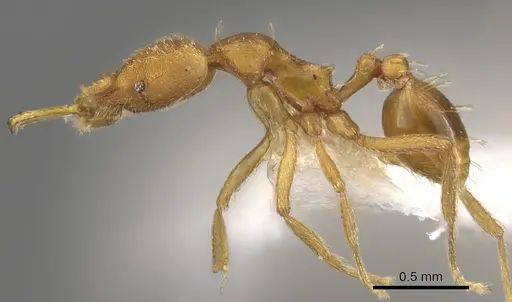
Strumigenys sarissa is a tiny predatory ant, with workers measuring 2.9-3.2mm in total length . They belong to the Myrmicinae subfamily and Attini tribe. Workers have a light brown color and narrow, elongated mandibles with trap-like teeth for snapping shut on small prey. This species is part of the Strumigenys rogeri group, specifically the londianensis complex . It is native to the Afrotropical region, with confirmed records from Burundi, Democratic Republic of Congo, Ethiopia, Rwanda, and Uganda . They live in tropical montane rainforests at elevations of 1900-2100m, preferring shaded, damp forest floor habitats . Like other Strumigenys, these ants are specialized predators that hunt tiny soil arthropods, especially springtails. They are cryptobiotic, meaning they stay hidden in dark, tight spaces and rarely venture into open areas . Their small colony size and secretive behavior make them a rare find in the wild.
Quick Summary
- Difficulty: Medium
- Origin & Habitat: Afrotropical region: Burundi, Democratic Republic of Congo, Ethiopia, Rwanda, Uganda. Found in tropical montane rainforest at elevations of 1900-2100m, including Nyungwe tropical rainforest in Rwanda. They inhabit leaf litter and soil in damp, shaded microhabitats [1][2][3][5].
- Colony Type: Colony structure is unconfirmed. Based on typical Strumigenys patterns, likely single-queen (monogyne) colonies. No documented ergatoid queens for this species.
- Size & Growth:
- Queen: Unknown – inferred from worker size and genus patterns, likely around 3-4mm
- Worker: 2.9-3.2mm (total length) [1]
- Colony: Likely under 500 workers based on typical Strumigenys colony sizes and the small number of specimens collected in surveys [5]
- Growth: Slow
- Development: Estimated 8-12 weeks at 22-25°C, based on related Strumigenys species. No direct data for this species. (Development is likely slow due to small colony size and specialized diet. First workers (nanitics) will be smaller than normal workers.)
- Antkeeping:
- Temperature: Keep at 22-25°C. This species comes from high-elevation forests (1900-2100m) where temperatures are cool and stable [2]. Avoid temperatures above 28°C. Provide a gradient so workers can self-regulate.
- Humidity: High humidity is essential – mimic damp forest floor conditions. Keep nest substrate consistently moist but not waterlogged. These ants live in leaf litter of primary forests where humidity stays very high [5]. A water reservoir in the nest helps.
- Diapause: Unknown – no specific data. The tropical montane habitat suggests they may not require a true winter diapause. Monitor activity, reduce feeding if colony slows down, but maintain humidity year-round.
- Nesting: Preferred nest types: test tubes, Y-tong (AAC), plaster, or soil nests. Provide a dark, humid environment with tight chambers. Avoid large open spaces, these ants prefer confined spaces. Use a dark cover to block light.
- Behavior: Strumigenys sarissa is calm and non-aggressive. Workers are slow-moving and spend most time hunting within the nest and substrate. They have a functional sting but it is not a threat to humans due to their small size. They are not escape artists, but fine mesh is recommended as they can slip through small gaps. Main challenge: getting them to accept food – they are specialized predators that may refuse unfamiliar prey.
- Common Issues: specialized diet can make feeding difficult – they require live springtails or other micro-prey, high humidity requirements can lead to mold if ventilation is poor, slow growth and small colony sizes can be frustrating for beginners, wild-caught colonies may have parasites or fail to adapt, small size makes them easy to lose during transfers or maintenance
Housing and Nest Setup
Strumigenys sarissa needs a dark, humid setup that mimics its natural leaf litter habitat. For founding colonies, test tubes work well: fill a tube about one-third with water, seal it with a cotton plug, and cover the tube with a dark sleeve. As the colony grows, move them to a Y-tong (AAC), plaster, or soil nest with small, connected chambers. These ants prefer tight, confined spaces – avoid large, open chambers. Keep the nest substrate slightly damp by adding water to the plaster or soil, or by using a water reservoir. Place a layer of damp leaf litter or moss in the outworld to provide hunting ground for micro-prey. Keep the entire setup in a shaded area, away from direct light and vibrations. Use a red filter or peek through the dark cover to observe without disturbing them. [5]
Feeding and Diet
Feeding is the hardest part of keeping this species. They are specialized predators that hunt tiny soil arthropods, primarily springtails (Collembola). Offer live springtails regularly – ideally from a continuous culture you maintain. Other acceptable prey includes: tiny isopods, booklice, and other minute soil creatures. They will not accept sugar water, honey, or large protein items like mealworms. Their mandibles are built for catching small, fast-moving prey, not for handling large items. Feed small amounts every few days, removing any uneaten prey to prevent mold. Be patient: it may take time for the colony to accept a food source. Experiment with different micro-prey if springtails are unavailable.
Temperature and Seasonal Care
Maintain temperature between 22-25°C. This species comes from high-elevation Rwandan forests (1900-2100m) where temperatures are cooler than lowland tropics [2]. Avoid temperatures above 28°C. Most room temperatures are suitable, but use a thermometer to monitor and keep the nest away from heat sources, drafts, or direct sunlight. Diapause requirements are unknown – these tropical montane ants likely do not need a true winter hibernation. If the colony becomes less active during cooler months, reduce feeding but keep humidity high. Avoid sudden temperature changes.
Behavior and Handling
This is a peaceful, non-aggressive species. Workers rarely come into the open, they spend most of their time hunting within the nest and surrounding substrate. When disturbed, they hide rather than fight. They have a functional sting but it is too small to pose any risk to keepers. These ants are not territorial toward other colonies. To observe them, use a red light or briefly lift the nest cover – they will quickly retreat to darker areas. Be gentle during maintenance: avoid bright lights and sudden movements. Because of their small size, use fine mesh or tight sealing to prevent escapes during transfers.
Colony Growth Expectations
Expect very slow growth. Mature colonies likely remain under 500 workers and take several years to reach that size. The first workers (nanitics) will be smaller than normal and may take 8-12 weeks to emerge after egg laying. Do not overfeed: excess prey can die and cause mold in the high-humidity nest. Once the colony reaches 20-30 workers, you may notice more consistent hunting. Be patient: slow growth is normal for this species, not a sign of problems. A healthy colony grows gradually, not rapidly.
Frequently Asked Questions
What do Strumigenys sarissa ants eat?
They are specialized predators that require live micro-prey, mainly springtails (Collembola). They will not accept sugar water, honey, or large insects. Their trap-jaw mandibles are designed for catching tiny, fast-moving soil arthropods. If you cannot get springtails, try culturing tiny isopods or booklice.
How long does it take for Strumigenys sarissa to produce first workers?
Estimated 8-12 weeks from egg to first worker at 22-25°C, based on related Strumigenys species. No direct data for this species. The first workers (nanitics) will be smaller than normal, and the colony will grow slowly over months.
Can I keep Strumigenys sarissa in a test tube?
Yes, test tubes work well for founding colonies. Use a water reservoir sealed with cotton and cover the tube with a dark sleeve. These ants prefer dark, humid, confined spaces. Once the colony reaches 20-30 workers, consider moving to a small Y-tong, plaster, or soil nest.
Are Strumigenys sarissa good for beginners?
No, this species is not recommended for beginners. The main challenges are a specialized diet (live micro-prey), high humidity, slow growth, and the difficulty of establishing wild-caught colonies. It is best suited for experienced antkeepers.
What temperature do Strumigenys sarissa need?
Keep them at 22-25°C. They come from high-elevation Rwandan forests (1900-2100m) where temperatures are cooler than typical tropical areas [2]. Avoid temperatures above 28°C. Room temperature is usually fine, but monitor with a thermometer.
How big do Strumigenys sarissa colonies get?
Colony size is unknown but likely under 500 workers based on typical Strumigenys species and the small numbers collected in surveys [5]. They remain relatively small even at maturity.
Do Strumigenys sarissa need hibernation?
Diapause requirements are unknown for this species. The high-elevation tropical habitat suggests they may not need a true hibernation. If the colony becomes less active during cooler months, reduce feeding but maintain humidity year-round.
Why is my Strumigenys sarissa colony not eating?
They may refuse unfamiliar prey. They need live micro-prey, especially springtails. Ensure the nest is dark enough and humidity is high – they feed more in concealed, damp conditions. Stress from transport can also cause initial fasting. Try offering different live micro-arthropods.
Where is Strumigenys sarissa found in the wild?
This species is native to the Afrotropical region: Burundi, Democratic Republic of Congo, Ethiopia, Rwanda, and Uganda. It lives in tropical montane rainforests at elevations around 1900-2100m, especially in Nyungwe tropical rainforest in Rwanda [1][3][5][4].
Report an Issue
The current care sheet is based fully on literature. See inconsistencies, or something that's incorrect? Please , it will be resolved after review from an admin. Contributing to the blogs tab also helps providing information, to make us be able to further improve the caresheets. Thank you for your support!
References

This caresheet is licensed under CC BY-SA 4.0 .
Community Blogs
Literature
Loading distribution map...Loading products...