
Strumigenys saliens
- Sci. Name
- Strumigenys saliens
- Tribe
- Attini
- Subfamily
- Myrmicinae
- Author
- Mayr, 1887
- Distribution
- Found in 2 countries
Introduction
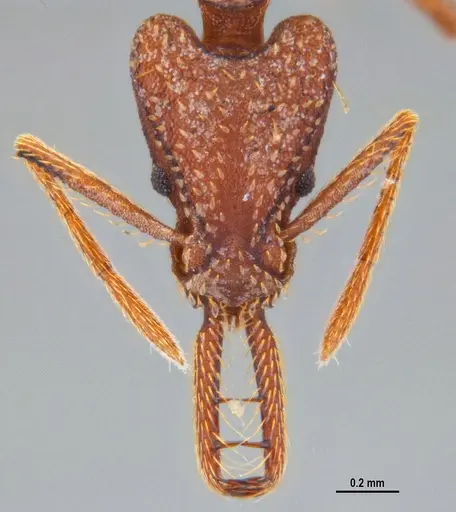
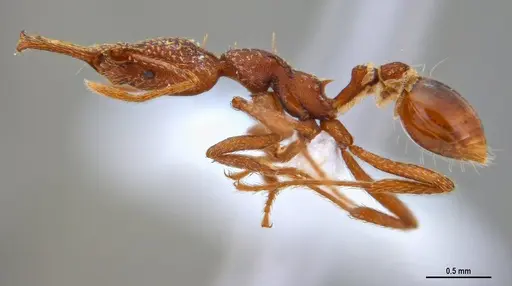
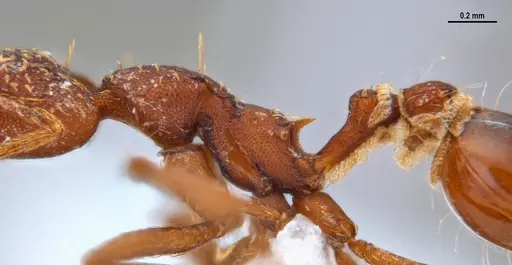
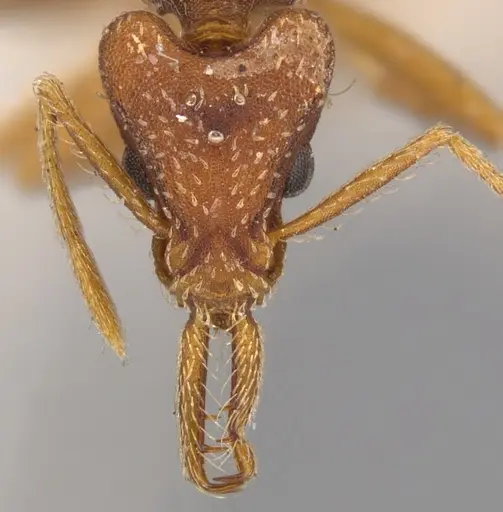
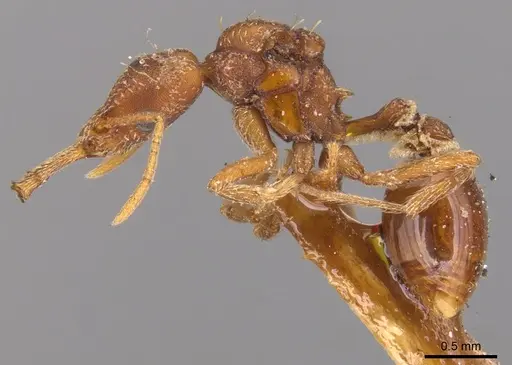
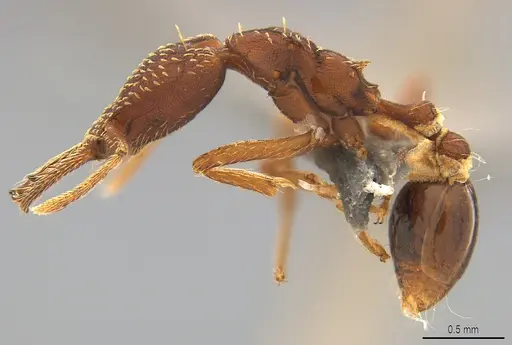
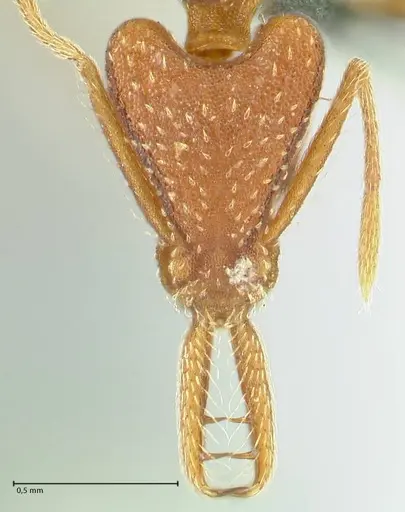
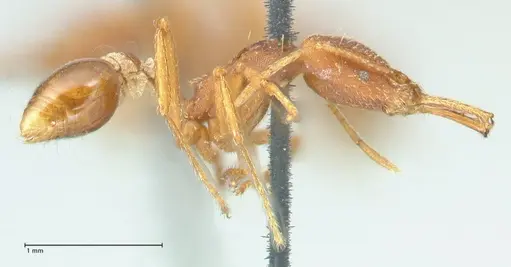
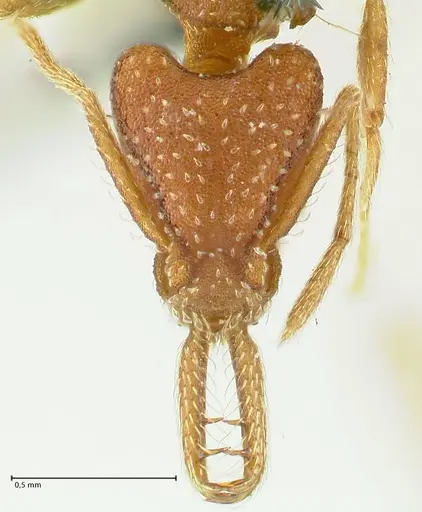
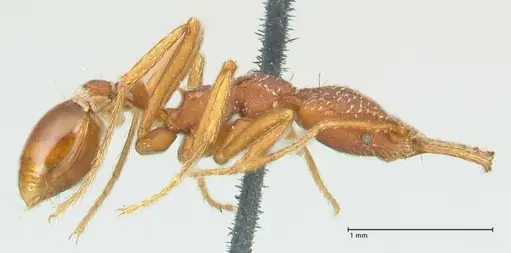
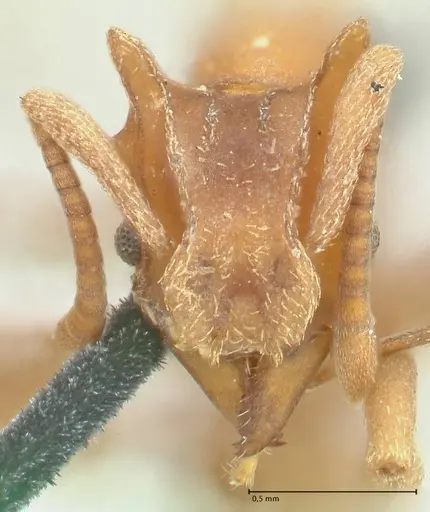
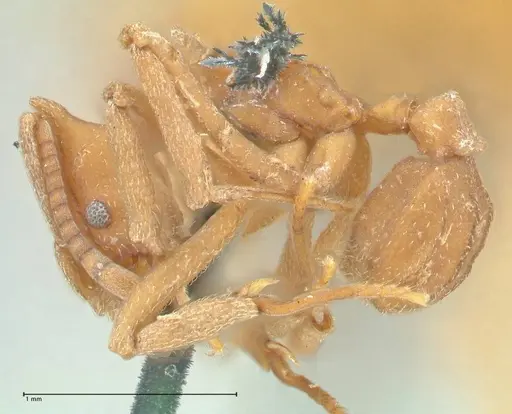
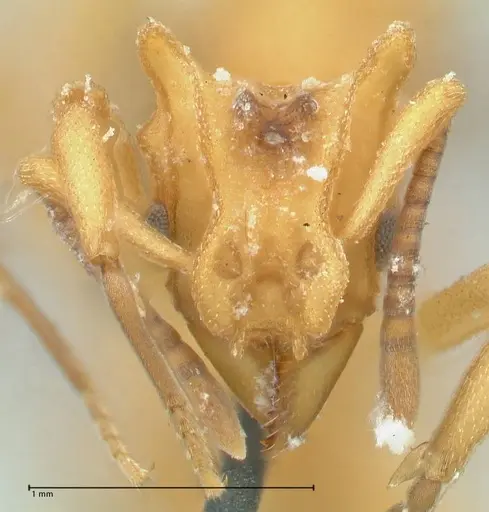
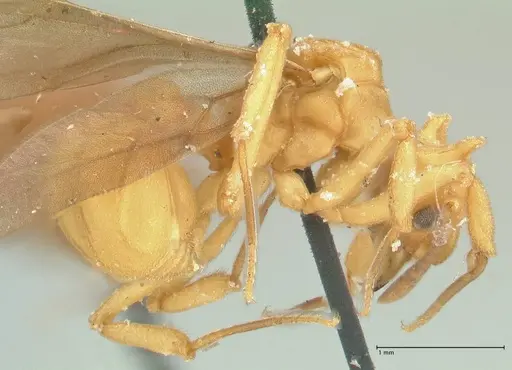
Strumigenys saliens is a small predatory ant from the Neotropical region, found across Brazil, Argentina, Paraguay, Panama, and French Guiana . Workers measure 3.5-3.9 mm and have the elongated mandibles typical of the mandibularis group . They nest in rotten logs and branches on the forest floor, making them a litter-dwelling, humidity-loving species . Their propodeal declivity is deeper than in related species, which helps distinguish them from close relatives like Strumigenys prospiciens . These are cryptic predators that hunt small prey like springtails in the leaf litter. They belong to the functional group of cryptic species - secretive ants that avoid light and move slowly . When disturbed, they often retreat backward (retrosalience), a behavior also seen in some trap-jaw ants . This makes them an interesting but challenging species for ant keepers.
Quick Summary
- Difficulty: Medium
- Origin & Habitat: Neotropical region, Brazil, Argentina, Paraguay, Panama, French Guiana. Inhabits rotten logs and branches on the floor of tropical and subtropical forests [1]. Also collected in liana forest in pristine Guianese rainforest [5].
- Colony Type: Likely monogyne (single-queen) based on typical Strumigenys patterns, but not confirmed. Colonies are small.
- Size & Growth:
- Queen: 4.2-4.5 mm [1]
- Worker: 3.5-3.9 mm [2]
- Colony: Unknown, inferred to be small (tens to low hundreds) based on typical litter-dwelling Strumigenys patterns.
- Growth: Slow
- Development: Estimated 8-12 weeks at optimal temperature (inferred from related Strumigenys species). (Development likely slow and temperature-dependent.)
- Antkeeping:
- Temperature: Tropical species, keep warm at 22-26°C. Avoid temperatures below 20°C [1].
- Humidity: High humidity is essential. Keep nest substrate consistently moist but not waterlogged, mimicking rotting wood conditions [1].
- Diapause: No, tropical species, no required hibernation.
- Nesting: Naturalistic setups with rotting wood pieces are ideal. Y-tong (AAC) or plaster nests with a water reservoir can also work. Keep the nest dark [1].
- Behavior: Cryptic and secretive, they avoid light and move slowly [3]. Obligate predators of small invertebrates, especially springtails. Their elongated mandibles are used for prey capture. Not aggressive, when disturbed they retreat backward (retrosalience) [4]. Escape risk is moderate, they are small but not fast.
- Common Issues: slow growth can frustrate keepers who expect rapid colony development., requires live prey, cannot survive on sugar or honey alone., high humidity needs can lead to mold if ventilation is poor., cryptic behavior may worry keepers who think their colony is dying., wild-caught colonies may be stressed, handle gently and give time to settle.
Housing and Nest Setup
Strumigenys saliens needs high humidity and dark conditions. In the wild, they nest in rotting logs and branches on the forest floor, so mimic that [1]. A naturalistic terrarium with moist soil and pieces of rotten wood works well, the ants will nest inside the wood. Y-tong (AAC) or plaster nests with a water reservoir can also work, but you must maintain high humidity. Keep the nest completely dark or cover it, these are cryptic ants that avoid light [3]. A small outworld for feeding is enough since colonies stay small. For founding, use a test tube set horizontally with a water source and keep it dark [1].
Feeding and Diet
These are obligate predators that need live small invertebrates. Their main food should be live springtails, perfect size and readily accepted. Other small prey like fruit flies, tiny beetles, and micro-arthropods can be offered. They won't accept sugar water, honey, or other carbohydrates, Strumigenys are not attracted to sweets. Feed every 2-3 days, removing uneaten prey after 24 hours to avoid mold. Culturing a springtail colony is the best way to keep a steady food supply [1].
Temperature and Humidity
Keep the temperature between 22-26°C. These are tropical ants that need consistent warmth, don't let it drop below 20°C. A heating cable on one side can create a gentle gradient, but avoid direct heat that dries the nest. Humidity is critical: keep the nest substrate consistently moist (damp to the touch but not soggy). Mist the outworld occasionally, but avoid getting water directly in the nest. Poor humidity quickly leads to colony decline. However, balance moisture with good ventilation to prevent mold [1].
Behavior and Temperament
Strumigenys saliens is a cryptic species, secretive, light-avoiding, and slow-moving [3]. When disturbed, they often show retrosalience (backward retreat) into crevices or under objects [4]. They are not aggressive and pose no threat to keepers. Their elongated mandibles are for hunting tiny prey, not defense. You'll see them slowly patrolling or standing still for long periods. That's normal, don't mistake their calmness for sickness. Colonies stay small, so you won't see the busy activity of larger species.
Colony Development
Colony growth is slow compared to common ant species. A founding queen will lay eggs and raise the first workers (nanitics) over several months. The first workers are smaller than mature ones and will eventually be replaced. Expect 6-12 months before you see 20-30 workers, though exact numbers vary. Maximum colony size is unknown but likely stays small (tens to low hundreds) based on related Strumigenys [1]. Be patient, don't overfeed or disturb the nest. Queens likely found alone, but the founding method is not confirmed for this species.
Frequently Asked Questions
Can I keep Strumigenys saliens in a test tube?
Yes, a test tube is great for founding. Keep it horizontal, with a cotton ball providing water, and cover the tube to block light. Once the colony is stable and the tube gets crowded, move them to a more naturalistic setup with rotting wood pieces [1].
What do Strumigenys saliens eat?
They are obligate predators that need live small invertebrates. Springtails are the best staple food. They won't eat sugar water or honey. Offer fruit flies, tiny beetles, or micro-arthropods as variety. Never feed anything larger than their head, they can't tackle big prey [1].
How long until first workers in Strumigenys saliens?
Expect around 8-12 weeks from egg to first worker at optimal temperature (about 24°C). This is an estimate based on related Strumigenys species. The first workers (nanitics) will be smaller than mature workers. Patience is key.
Are Strumigenys saliens good for beginners?
No, this species is not ideal for beginners. They need live prey, high humidity, and grow slowly, which can be frustrating. Their cryptic and inactive behavior may worry new keepers. If you're new to ants, start with a more forgiving species first [3].
Why is my Strumigenys saliens colony dying?
Common causes: low humidity (they need consistently damp conditions), wrong food (must be live prey), too cold (below 20°C), too much light or disturbance, and mold from poor ventilation. Check each factor against their natural habitat and adjust gradually [1].
How big do Strumigenys saliens colonies get?
Colonies are small, likely under 100 workers at maturity, typical for litter-dwelling Strumigenys. Don't expect large, busy colonies. Their cryptic lifestyle means activity is limited even in established colonies [3].
Do Strumigenys saliens need hibernation?
No, they do not need hibernation. Being tropical ants from South America, they don't experience cold winters. Keep stable warm temperatures year-round [1].
When should I move Strumigenys saliens to a formicarium?
Move them when the founding test tube is getting crowded and the colony is stable (e.g.,15-20 workers). A naturalistic terrarium with moist soil and rotting wood works best. Don't move too early, disturbing founding colonies can cause failure [1].
Can I keep multiple Strumigenys saliens queens together?
Probably not. Most Strumigenys are monogyne (single-queen), though this hasn't been studied specifically for this species. It's safest to keep one queen per colony to avoid conflicts.
Report an Issue
The current care sheet is based fully on literature. See inconsistencies, or something that's incorrect? Please , it will be resolved after review from an admin. Contributing to the blogs tab also helps providing information, to make us be able to further improve the caresheets. Thank you for your support!
References

This caresheet is licensed under CC BY-SA 4.0 .
Community Blogs
ANTWEB1047390
View on AntWeb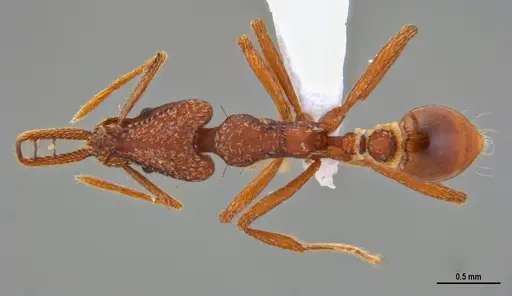
CASENT0900427
View on AntWeb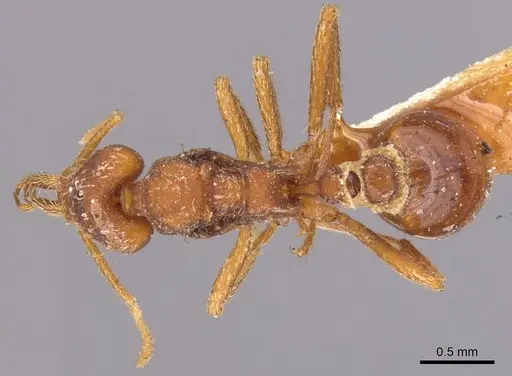
CASENT0904932
View on AntWeb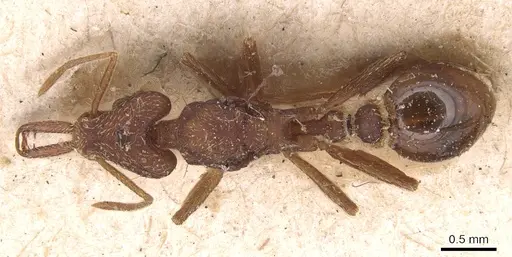
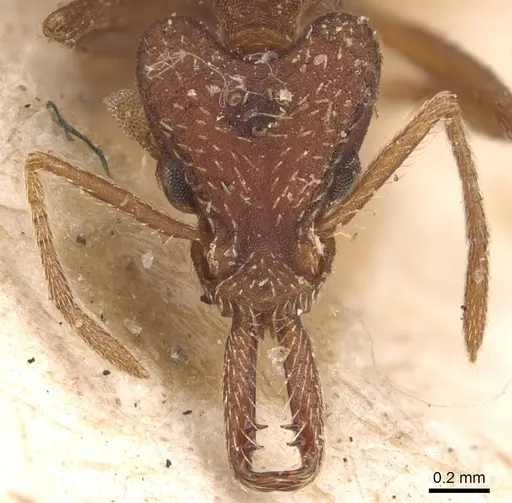
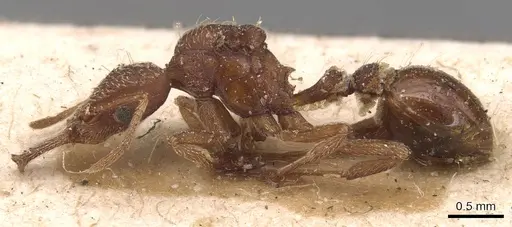
CASENT0909326
View on AntWeb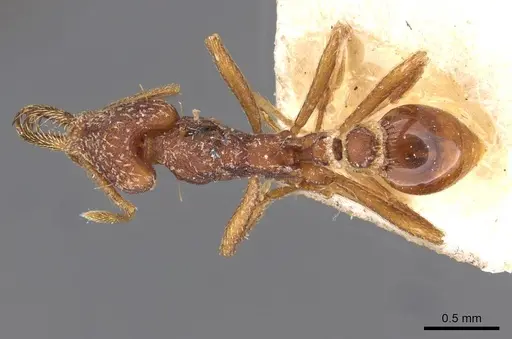
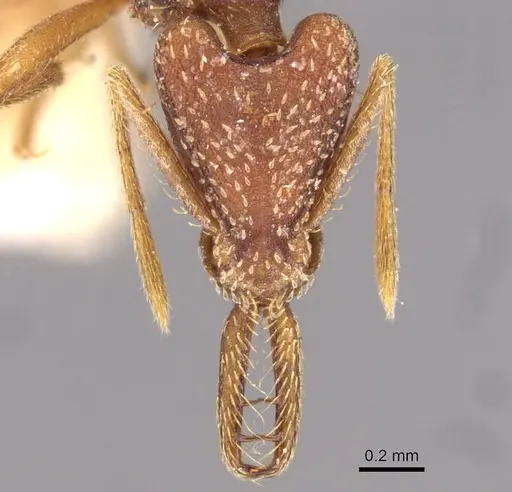
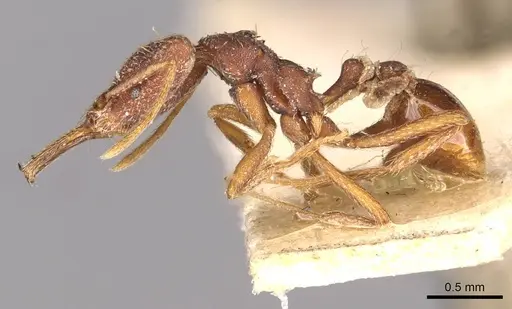
CASENT0909327
View on AntWeb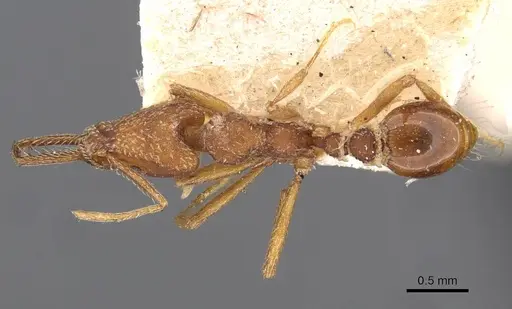
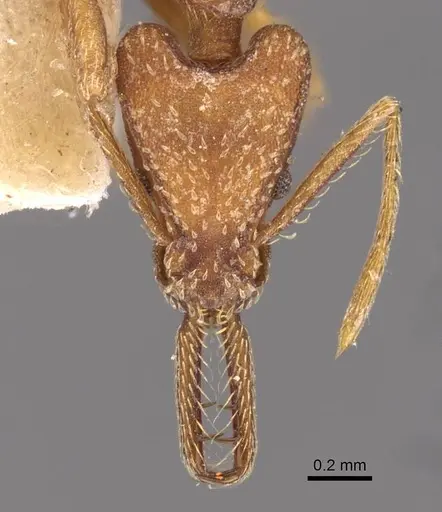
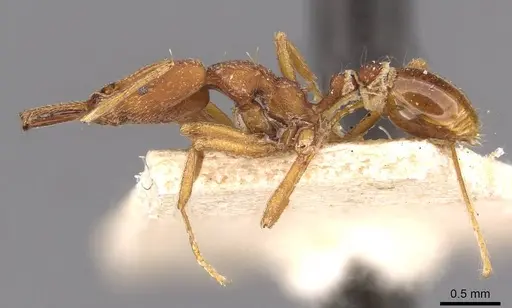
CASENT0915700
View on AntWeb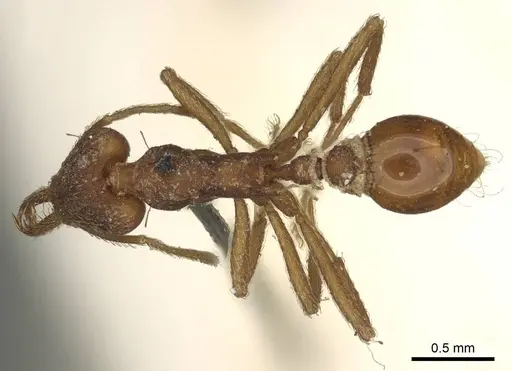
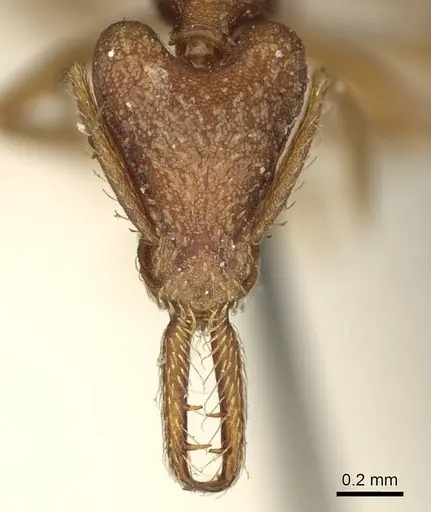
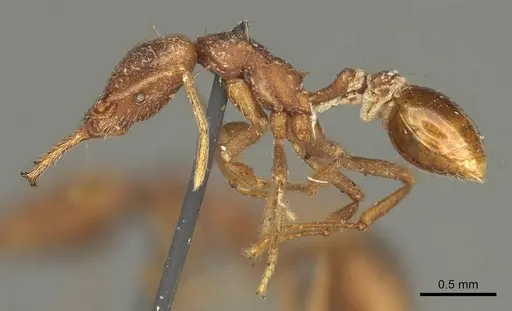
CASENT4036194
View on AntWeb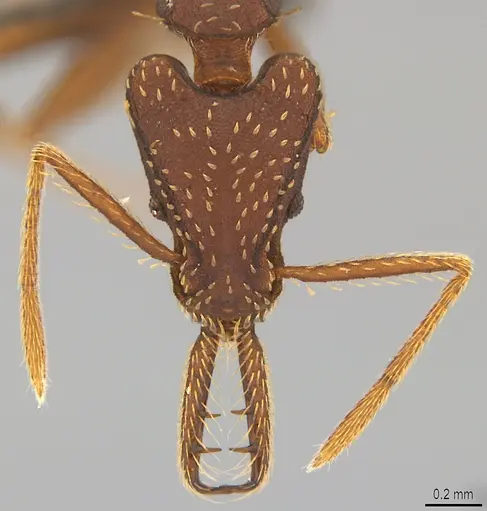
CASENT4036226
View on AntWeb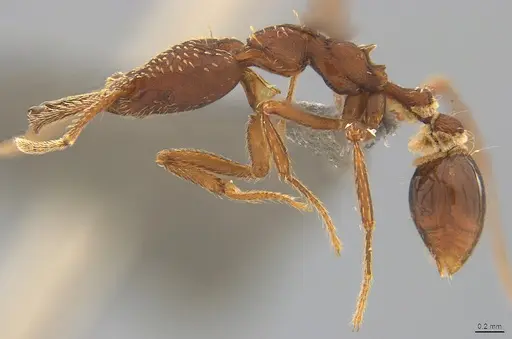
FOCOL2158-1
View on AntWeb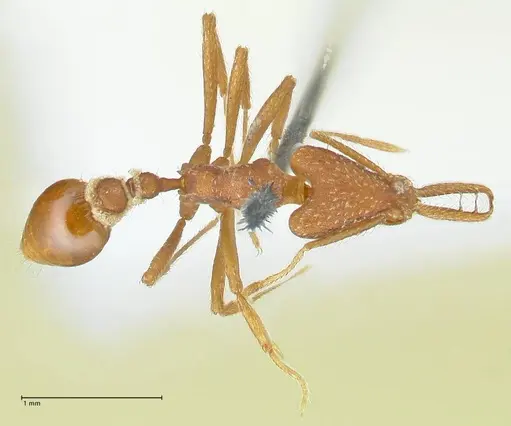
FOCOL2158-2
View on AntWeb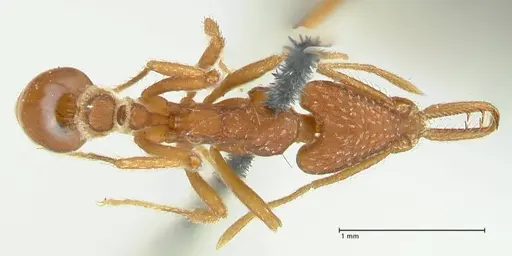
FOCOL2161-1
View on AntWeb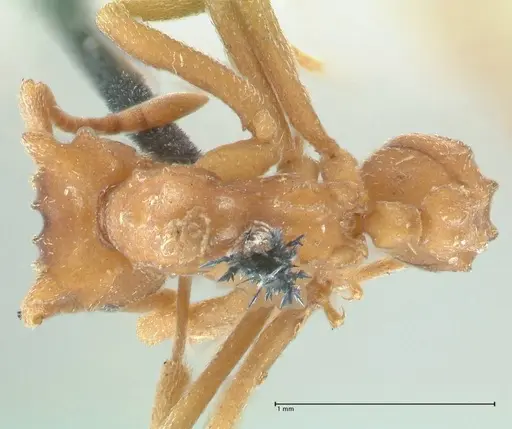
FOCOL2161-2
View on AntWeb
Literature
Loading distribution map...Loading products...