
Strumigenys quinquedentata
- Sci. Name
- Strumigenys quinquedentata
- Tribe
- Attini
- Subfamily
- Myrmicinae
- Author
- Crawley, 1923
- Distribution
- Found in 1 countries
Introduction
Strumigenys quinquedentata is a tiny ant, with workers measuring 2.7-2.8mm in total length . They are one of the very few strumigenyiform ants in Western Australia, common in the southwest corner and sometimes found in suburban Perth gardens . Workers have a distinctive appearance: fine ridges on the head, long wispy hairs at the shoulders of the thorax, and very long slender hairs on the first segment of the gaster that can be curved or looped at the tip . Their mandibles have a narrow blade-like flange and two small teeth between the main ones . These ants move slowly and deliberately, emerging from several entrance holes in sandy soils with loose excavated soil around each opening .
Quick Summary
- Difficulty: Medium
- Origin & Habitat: Native to the southwest corner of Western Australia, including sandy soils in natural areas and suburban gardens in Perth [1].
- Colony Type: Colony structure is not well documented for this species. Most Strumigenys species form small colonies with a single queen (monogyne), though some can have multiple queens, so this species' exact social structure is unconfirmed.
- Size & Growth:
- Queen: Not specifically documented. Queens are expected to be slightly larger than workers, roughly 3-4mm based on genus patterns (estimate).
- Worker: 2.7-2.8mm total length [1]
- Colony: Not documented. Based on genus patterns, likely small, from a few dozen to a few hundred workers (estimated).
- Growth: Moderate (estimated based on typical Strumigenys development)
- Development: Estimated 6-10 weeks at optimal temperature (~22°C) based on related species. (Development time is not specifically documented for this species.)
- Antkeeping:
- Temperature: Keep at room temperature around 20-24°C. As a Western Australian species, they prefer moderate warmth. Avoid temperatures below 15°C or above 30°C (general guidance).
- Humidity: Provide a moderate moisture gradient, keep part of the nest substrate slightly damp but with well-drained areas. Their natural sandy soil habitat suggests they don't like waterlogged conditions. Aim for the substrate to feel like slightly damp sand, not soggy [1].
- Diapause: Unconfirmed. This Western Australian temperate species may reduce activity in cooler months, but full diapause requirements are unknown. If you lower temperatures in winter, reduce feeding accordingly.
- Nesting: In nature they nest in sandy soils with multiple entrance holes [1]. For captivity, use test tubes for founding colonies, then provide a Y-tong (AAC) or plaster nest with fine chambers. A naturalistic setup with sandy substrate also works. Avoid overly wet nests.
- Behavior: These ants are slow-moving and deliberate [1]. They are predatory, hunting small live prey like springtails and micro-arthropods. Due to their tiny size (under 3mm), escape risk is very high, you need excellent barriers (fine mesh with gaps under 0.5mm). They are not aggressive toward keepers but will defend if threatened. They are peaceful but vulnerable to faster, more aggressive species in mixed setups.
- Common Issues: escape prevention is critical due to their tiny 2.7mm size, they can squeeze through standard mesh and tiny gaps, slow movement makes them vulnerable to faster competitors in multi-species setups, predatory diet requires a steady supply of live small prey like springtails, may not accept commercial ant foods, small colony size means any losses hit the population hard, sandy soil habitat means they need well-drained substrate, not wet, compacted soil
Housing and Nest Setup
For such tiny ants, you need excellent escape prevention. Use test tubes with cotton plugs for founding colonies. For established colonies, a Y-tong (AAC) nest with small chambers works well since their colonies stay relatively small. Provide a well-drained substrate, these ants naturally nest in sandy soils where water doesn't pool [1]. Avoid overly compact or wet substrates that can drown a small colony. A shallow foraging area makes it easier to spot prey items. Use a fine mesh (0.5mm or smaller) on ventilation holes and ensure all connections are sealed.
Feeding and Diet
Strumigenys quinquedentata is predatory, like most Strumigenys species. Their primary food should be small live prey, springtails are ideal and most readily accepted. Other micro-arthropods like booklice, grain mites, and tiny fruit fly larvae can also be offered. They are unlikely to accept sugar water or honey since they are not honeydew feeders. Feed small prey items every 2-3 days, adjusting based on colony size and consumption. Remove uneaten prey to prevent mold. [1]
Temperature and Seasonal Care
Keep your colony at room temperature, ideally 20-24°C. As a Western Australian temperate species, they prefer moderate warmth rather than tropical heat. Room temperature in most homes (around 20-22°C) should be suitable. In winter, slight temperature reductions are acceptable but avoid cold rooms below 15°C. They don't require a formal diapause but may show reduced activity in cooler months. Monitor colony behavior, if workers become sluggish, slightly increase temperature. [1]
Behavior and Handling
These ants move slowly and deliberately, don't expect the frantic activity you see in larger ant species [1]. They are peaceful toward keepers and won't bite aggressively. The main concern is their tiny size, which makes them easy to accidentally crush or lose. When cleaning or moving colonies, be extremely gentle. They are not suitable for mixed-species setups where faster ants might outcompete them for food. Their slow movement is actually an adaptation for hunting small prey in leaf litter and soil.
Frequently Asked Questions
How long does it take for Strumigenys quinquedentata to produce first workers?
Exact timing is not documented for this species, but based on typical Strumigenys development, expect 6-10 weeks from egg to first worker at optimal temperature (around 22°C). Growth is moderate, don't expect rapid expansion.
What do Strumigenys quinquedentata ants eat?
They eat small live prey, primarily springtails and other micro-arthropods. They are predatory ants and unlikely to accept sugar water, honey, or commercial ant foods. Offer live prey regularly.
Can I keep Strumigenys quinquedentata in a test tube?
Yes, test tubes work well for founding colonies. Use a small water reservoir with cotton separation. Because they are so tiny (2.7mm), ensure the cotton is packed tightly to prevent escapes through gaps.
Are Strumigenys quinquedentata good for beginners?
They are rated as Medium difficulty. They are not the easiest choice for complete beginners because they require live prey feeding and have significant escape risk due to their tiny size. However, they are not aggressive and don't require complex setups.
How big do Strumigenys quinquedentata colonies get?
Colony size is not specifically documented but Strumigenys species typically stay relatively small, likely under 500 workers (estimated). This is a small colony species.
Do Strumigenys quinquedentata need hibernation?
Full hibernation is not confirmed. As a Western Australian temperate species, they may have reduced activity in winter but probably don't need a formal diapause period like temperate European ants.
Why are my Strumigenys quinquedentata escaping?
Their tiny 2.7mm size means they can squeeze through standard mesh and gaps. Use fine mesh (0.5mm or smaller), ensure all connections are sealed, and check lid fit carefully. Escape prevention must be excellent for these small ants.
When should I move my colony to a formicarium?
Move to a larger nest when the test tube becomes crowded or the colony reaches around 50+ workers. For this small species, a compact Y-tong (AAC) or plaster nest works well.
Can I keep multiple queens together?
Not recommended, combining queens of this species has not been documented. Strumigenys are typically single-queen colonies. Keep queens separate unless you are specifically attempting pleometrosis with close monitoring.
Report an Issue
The current care sheet is based fully on literature. See inconsistencies, or something that's incorrect? Please , it will be resolved after review from an admin. Contributing to the blogs tab also helps providing information, to make us be able to further improve the caresheets. Thank you for your support!
References

This caresheet is licensed under CC BY-SA 4.0 .
Community Blogs
CASENT0217956
View on AntWeb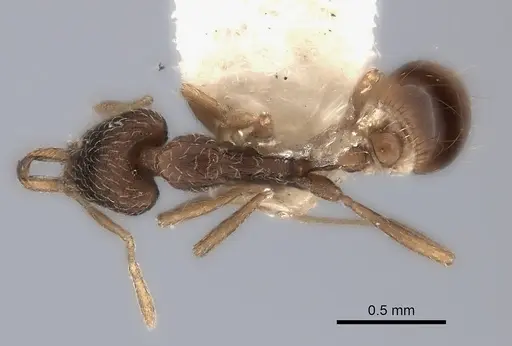
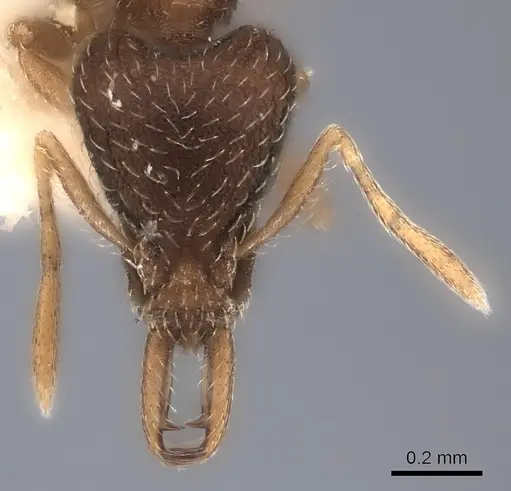
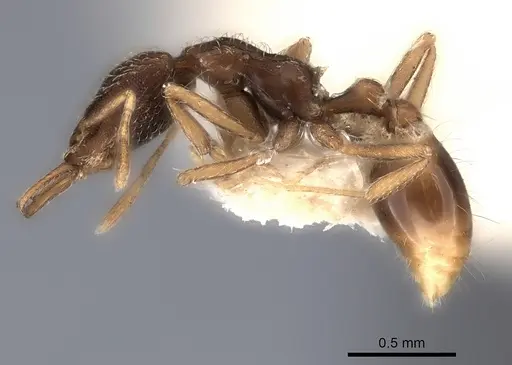
Literature
Loading distribution map...Loading products...