
Strumigenys precava
- Sci. Name
- Strumigenys precava
- Tribe
- Attini
- Subfamily
- Myrmicinae
- Author
- Brown, 1954
- Distribution
- Found in 7 countries
Introduction
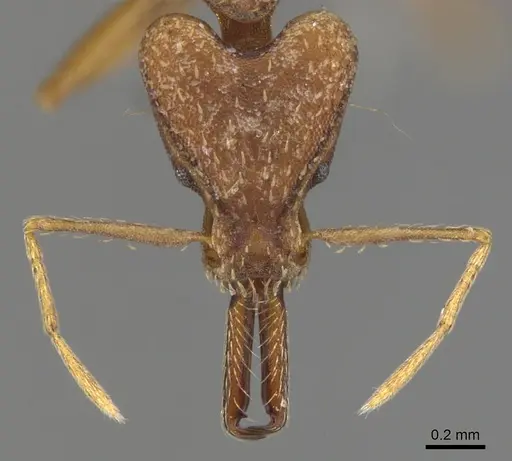
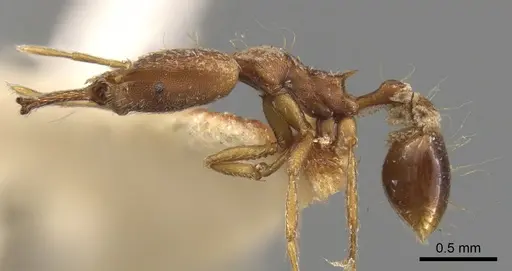
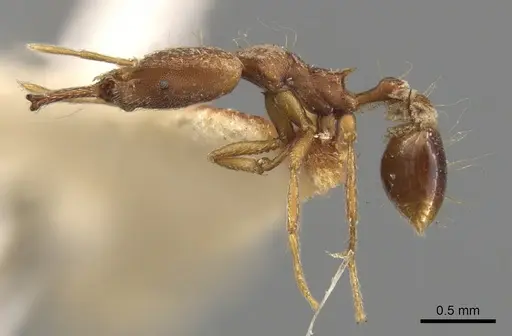
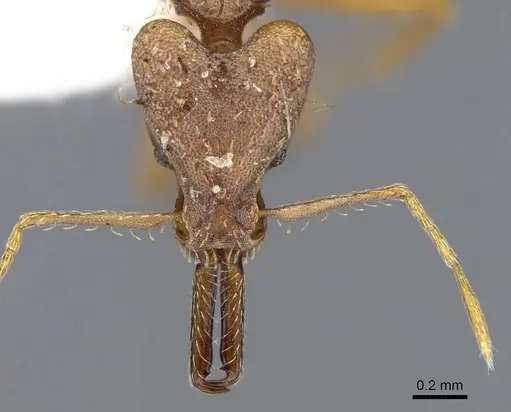
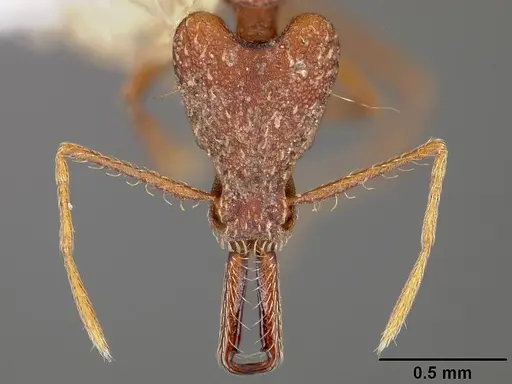
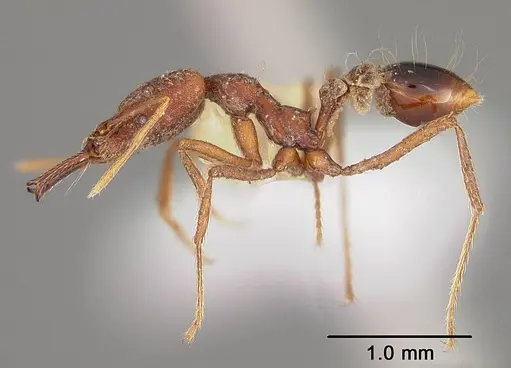
Strumigenys precava is a predatory dacetine ant native to the Neotropics, found from Costa Rica through Panama, Colombia, Ecuador, Peru, Brazil, Guyana, Bolivia, and Venezuela . Workers are relatively large for a Strumigenys species, measuring 3.1–3.8 mm in total length, with a distinctive deeply concave head shape in front of the eyes and long, wispy (flagellate) hairs on the gaster . They nest in red- or chocolate-rotten logs on the forest floor and are specialized hunters of tiny arthropods, especially springtails .
Quick Summary
- Difficulty: Medium
- Origin & Habitat: Tropical rainforests of Central and South America. In the wild, they nest in rotting (red- or chocolate-rotten) logs on the forest floor [7]. They are leaf-litter ants typically found in humid forest environments.
- Colony Type: Unconfirmed – likely single queen based on typical Strumigenys patterns, but no direct evidence of colony structure has been published.
- Size & Growth:
- Queen: unknown – no measurements available
- Worker: 3.1–3.8 mm (total length) [7]
- Colony: Up to over 1000 workers in established colonies [7]
- Growth: Moderate – based on typical dacetine development patterns
- Development: Estimated 6–8 weeks at optimal tropical temperatures (based on genus-level data for Strumigenys) (Development time is estimated from related species – direct measurements for Strumigenys precava are not available)
- Antkeeping:
- Temperature: 24–28°C – these are tropical ants requiring warm, stable conditions [7]. Room temperature may be sufficient in warm homes, otherwise use a heating cable on one side of the nest.
Report an Issue
The current care sheet is based fully on literature. See inconsistencies, or something that's incorrect? Please , it will be resolved after review from an admin. Contributing to the blogs tab also helps providing information, to make us be able to further improve the caresheets. Thank you for your support!
References

This caresheet is licensed under CC BY-SA 4.0 .
Community Blogs
CASENT0631554
View on AntWeb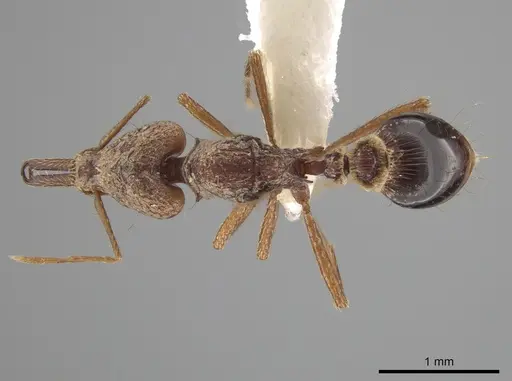
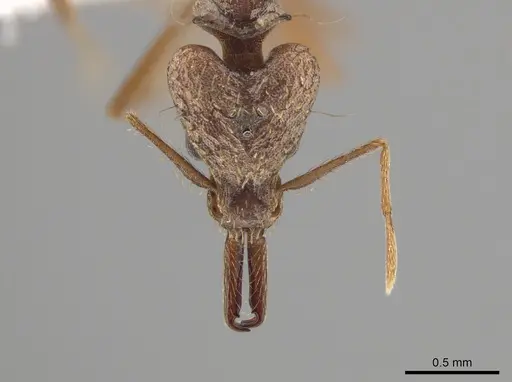
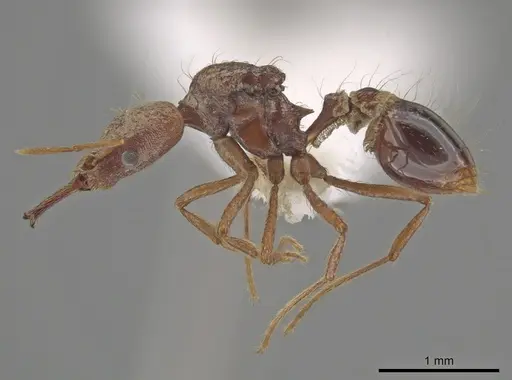
CASENT0900441
View on AntWeb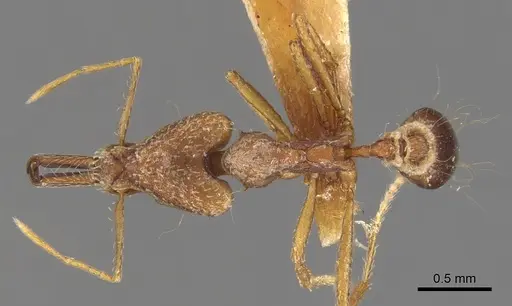
CASENT0914750
View on AntWeb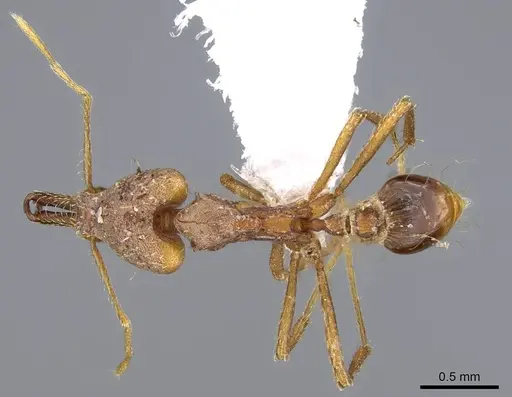
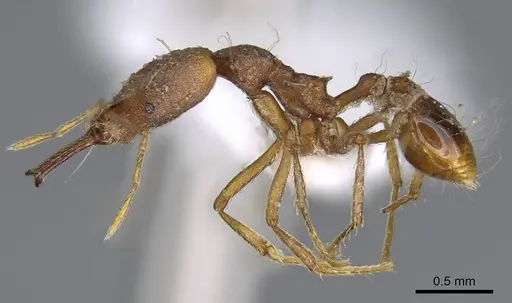
CASENT4036105
View on AntWeb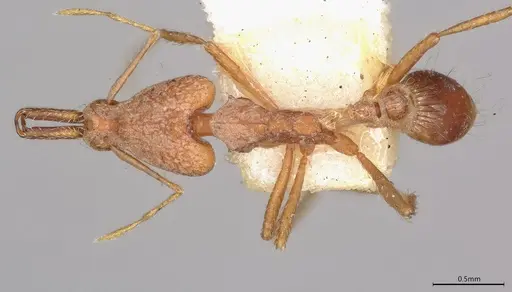
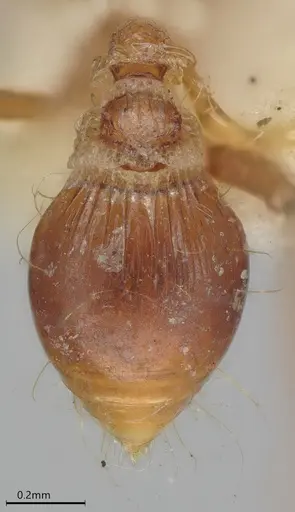
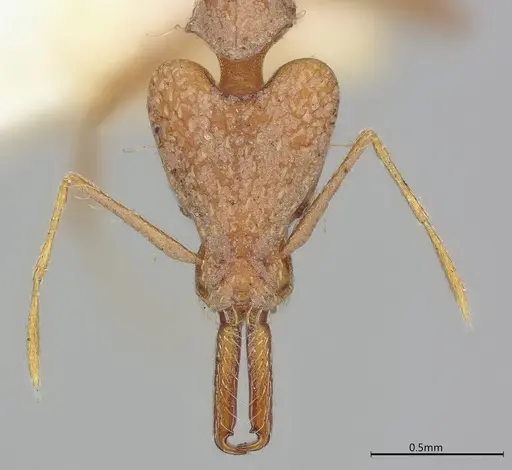
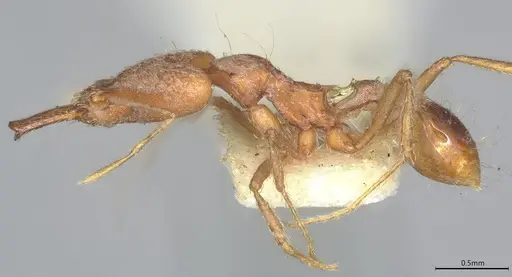
FMNHINS0000057158
View on AntWeb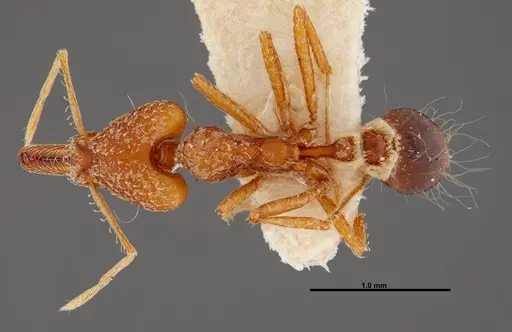
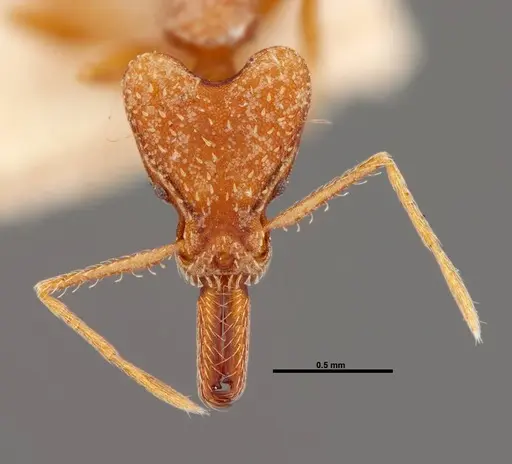
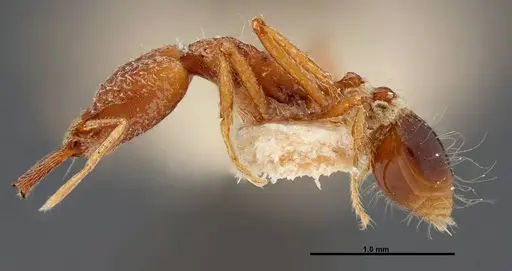
INBIOCRI001283750
View on AntWeb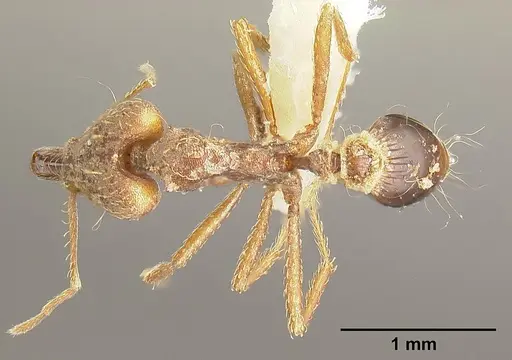
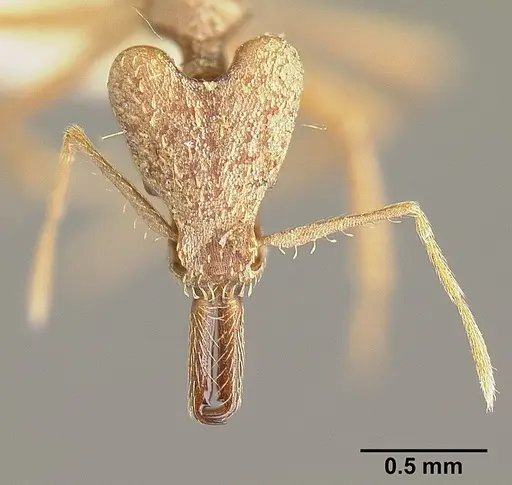
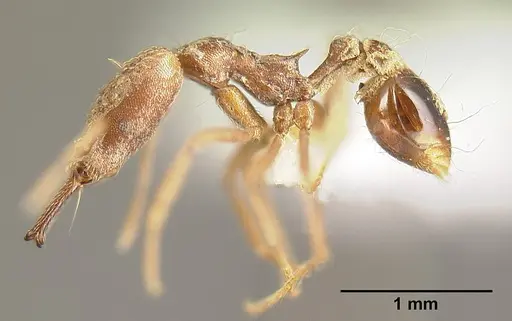
USNMENT00441682
View on AntWeb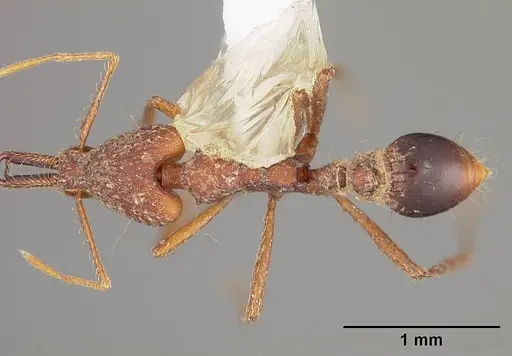
Literature
Loading distribution map...Loading products...