
Strumigenys petiolata
- Sci. Name
- Strumigenys petiolata
- Tribe
- Attini
- Subfamily
- Myrmicinae
- Author
- Bernard, 1953
- Distribution
- Found in 8 countries
Introduction
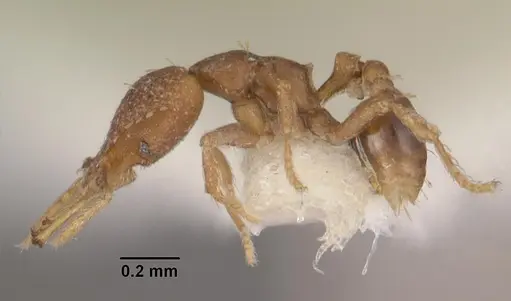
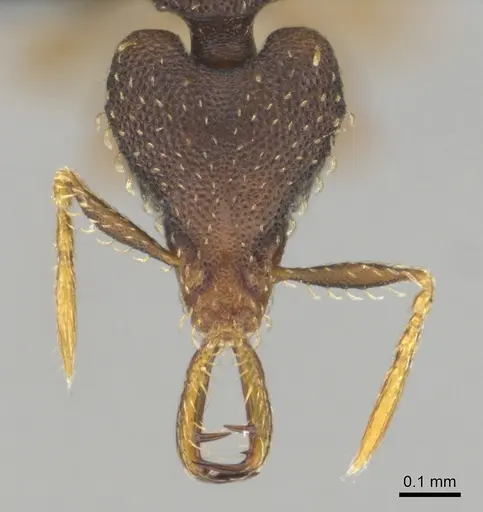
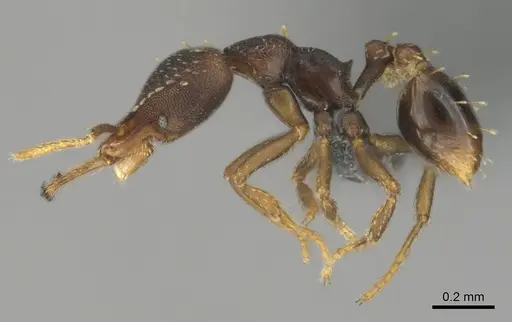
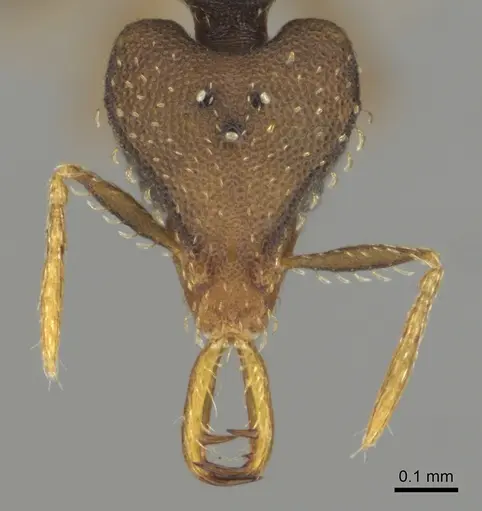
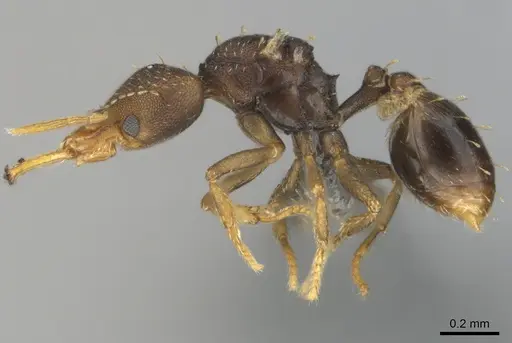
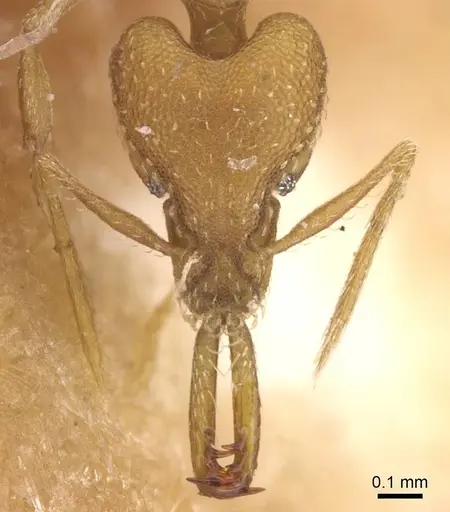
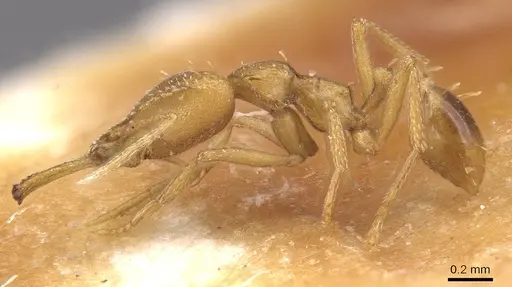
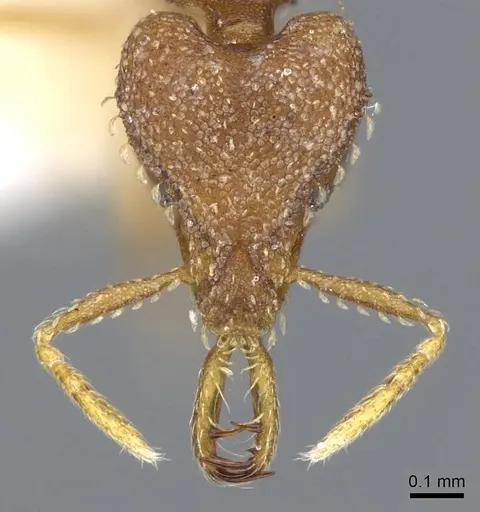
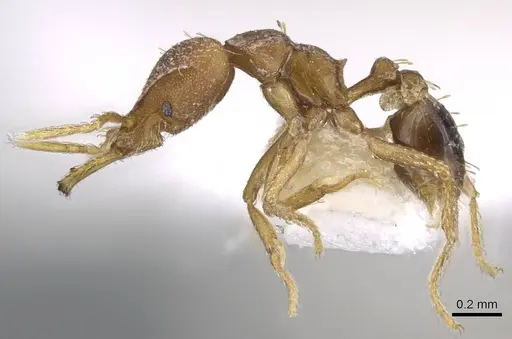
Strumigenys petiolata is a tiny predatory ant, workers measure 2.0-2.5 mm in total length . Their color ranges from yellow to dark brown or blackish brown . They have distinctive spoon‑shaped hairs on the antennae and a strongly developed preocular notch on the head . This species is one of the most widespread Strumigenys across the Afrotropical region, occurring from Guinea and Ghana to Kenya and the Democratic Republic of Congo . It nests in rotten wood, under bark, in log mould, and sometimes directly in soil, and forages singly through leaf litter and topsoil . Its specialized mandibles are adapted for capturing tiny prey like springtails, making it a fascinating solitary hunter.
Quick Summary
- Difficulty: Medium
- Origin & Habitat: Found across the Afrotropical region including Guinea, Ghana, Nigeria, Cameroon, Democratic Republic of Congo, Gabon, Kenya, Uganda, and other West African nations [1][2]. It inhabits rotten wood, under bark of fallen timber, in log mould, and sometimes directly in soil in forest environments [1]. Recorded at elevations of 110-375 m in Gabon [3].
- Colony Type: Unconfirmed, likely single‑queen (monogyne) based on typical Strumigenys patterns, but no specific literature confirms.
- Size & Growth:
- Queen: Unknown, estimated ~3-4 mm based on genus patterns.
- Worker: 2.0-2.5 mm total length [1].
- Colony: Unknown, estimated up to several hundred workers based on typical dacetine colonies.
- Growth: Slow
- Development: Estimated 8-12 weeks based on related dacetine species, not specifically documented. (Keep at warm temperatures (24-28 °C) for optimal development. Expect slower growth than generalist ants.)
- Antkeeping:
- Temperature: Keep at 24-28 °C, derived from tropical forest habitat [1]. Avoid drops below 22 °C.
- Humidity: High humidity essential, these ants live in damp leaf litter and rotting wood [1]. Keep substrate consistently moist but not waterlogged.
- Diapause: No, as an Afrotropical species, no hibernation required. Keep warm year‑round.
- Nesting: Naturally nest in rotten wood, under bark, in log mould [1]. Provide a naturalistic setup with moist substrate (soil/peat mix) and pieces of decaying wood. Y‑tong nests with tight chambers and high humidity also work well.
- Behavior: They possess a functional stinger (subfamily Myrmicinae, tribe Attini) but are docile and rarely use it on humans. Workers forage singly and are not aggressive [1]. Due to their tiny size (2 mm), escape risk is high, use fine mesh (≤1 mm gaps) and tight barriers.
- Common Issues: escape prevention critical, any gap larger than 1 mm can allow escape, use fine mesh and seal all openings., require a constant supply of live prey (springtails, fruit flies), sugar sources are generally not accepted., high humidity needs can lead to mold if ventilation is poor, ensure airflow while maintaining dampness., colonies grow very slowly, avoid overdisturbance and be patient., wild‑caught colonies may contain parasites or fail due to stress, quarantine and observe closely.
Housing and Nest Setup
Provide a naturalistic setup that mimics their native leaf‑litter and rotting‑wood habitat. Use a container filled with a moist substrate (soil, peat, and decaying wood pieces). The substrate should be consistently damp but not waterlogged [1]. Add pieces of rotten wood or bark for nesting [1]. Tight chambers (scaled to their tiny size) or pre‑made tunnels work well. Because workers are only 2 mm long, escape prevention is critical, use fine mesh (≤1 mm openings) on ventilation holes and seal all connections. A test tube setup can be used for a founding colony, but as the colony grows you will need to move them into a larger, humidity‑controlled formicarium. Y‑tong nests with a water reservoir maintain high humidity well.
Feeding and Diet
Strumigenys petiolata are specialized predators that require live prey [1]. In the wild they hunt small arthropods such as springtails (Collembola) in leaf litter. In captivity, culture live springtails or flightless fruit flies (Drosophila) as a staple. Offer prey 2-3 times per week, removing uneaten items after 24-48 hours to prevent mold. Tiny insects like booklice or dust mites may also be accepted. Sugar sources (honey, sugar water) are generally not taken, these ants are obligate carnivores. Do not rely on sugar feeders.
Temperature and Humidity
This Afrotropical species needs consistently warm conditions. Keep the nest area at 24-28 °C year‑round [1][3]. Avoid temperatures below 22 °C. Use a heating cable on one side of the nest to create a gentle gradient. High humidity is vital, aim for 70-85% relative humidity. The substrate should feel moist to the touch. Mist the outworld occasionally if needed, but avoid standing water. Good ventilation prevents mold while maintaining humidity.
Colony Development
Colony growth is slow compared to common ant species. A founding queen likely seals herself in a chamber (claustral founding, inferred from genus) and raises the first brood on stored reserves. The first workers (nanitics) appear after an estimated 8-12 weeks under optimal conditions. Do not disturb the queen during this period once she is sealed. Colony size remains modest, likely a few hundred workers at most (estimated from related Strumigenys). Expect several years to reach maximum size. Patience is essential, avoid frequent disturbance. [1]
Behavior and Observation
Workers forage alone, methodically searching leaf litter and rot tunnels for small prey [1]. Their specialized mandibles snap shut quickly when capturing prey. They are docile and will retreat if disturbed. Although they possess a functional stinger (subfamily Myrmicinae), it is rarely used against humans and is not medically significant. Because they are so small, observe during feeding times to see hunting behavior. Use a red film or sheet over the container to reduce light disturbance. Do not expect raiding or swarming, they are solitary foragers.
Frequently Asked Questions
How long does it take for Strumigenys petiolata to produce first workers?
Expect an estimated 8-12 weeks from egg to first worker at optimal temperature (24-28 °C). This is slower than many common ant species, be patient with founding colonies and avoid disturbing them [1].
What do Strumigenys petiolata eat?
They are specialized predators that need live prey. Culture springtails or flightless fruit flies for regular feeding. Tiny insects like booklice and dust mites may also be accepted. Sugar sources are generally not taken, they are obligate carnivores [1].
Can I keep Strumigenys petiolata in a test tube?
A test tube works for founding a colony, but as the colony grows they will need a more spacious, humid setup with moist substrate. A naturalistic formicarium with soil/peat mix and decaying wood is ideal long‑term [1].
How big do Strumigenys petiolata colonies get?
Colony sizes are unknown but likely modest, estimated up to a few hundred workers at maturity based on related dacetine ants. Growth is slow, so expect several years to reach maximum size.
Do Strumigenys petiolata need hibernation?
No, they are an Afrotropical species from warm West African forests. Keep them at warm temperatures (24-28 °C) year‑round, no cooling period is needed [1].
Are Strumigenys petiolata good for beginners?
Rated Medium difficulty. They are not aggressive but have specific needs: live prey must be cultured, high humidity maintained, and colonies grow slowly. Beginners should be prepared for these demands before acquiring this species.
Why are my Strumigenys petiolata dying?
Common causes: too low temperature (keep above 22 °C), too dry (maintain high humidity), lack of live prey (cannot survive on sugar alone), or escape through tiny gaps (use fine mesh). Also check for parasites in wild‑caught colonies.
When should I move my colony to a formicarium?
Move when the test tube or founding setup becomes crowded, typically when you have 30‑50 workers. Ensure the new setup maintains high humidity and has moist substrate [1].
Can I keep multiple Strumigenys petiolata queens together?
Unconfirmed, likely this species is monogyne (single queen per colony). No evidence supports keeping multiple queens together. Do not attempt to combine unrelated queens.
Report an Issue
The current care sheet is based fully on literature. See inconsistencies, or something that's incorrect? Please , it will be resolved after review from an admin. Contributing to the blogs tab also helps providing information, to make us be able to further improve the caresheets. Thank you for your support!
References

This caresheet is licensed under CC BY-SA 4.0 .
Community Blogs
CASENT0093810
View on AntWeb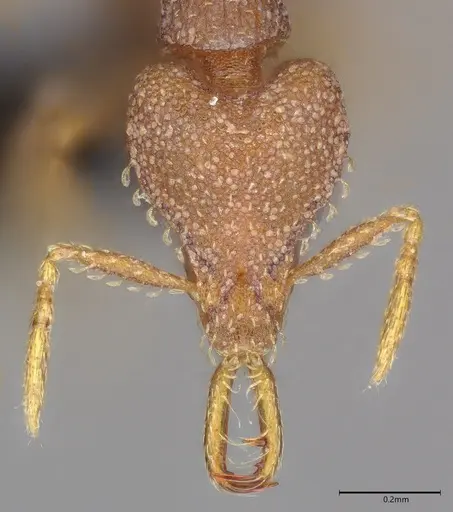
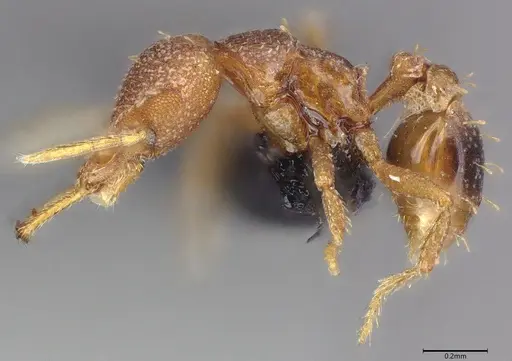
CASENT0102584
View on AntWeb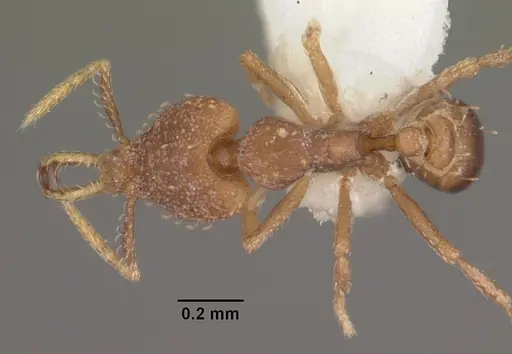
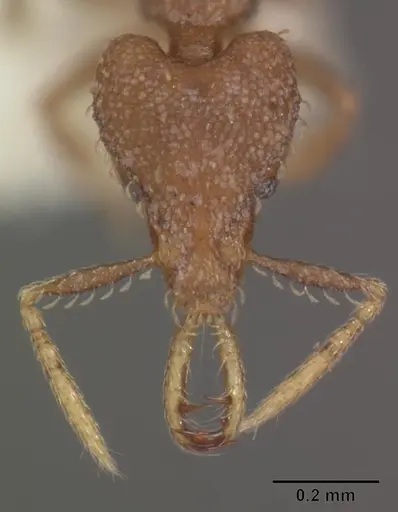
CASENT0355679
View on AntWeb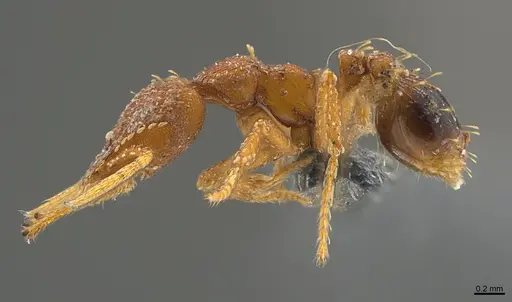
CASENT0815850
View on AntWeb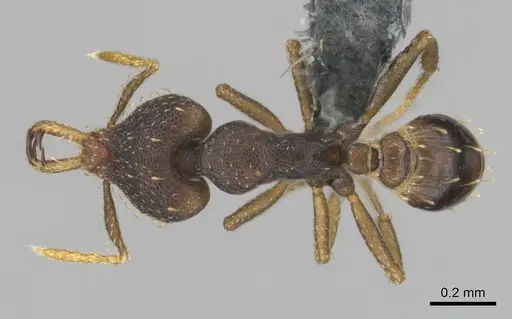
CASENT0815852
View on AntWeb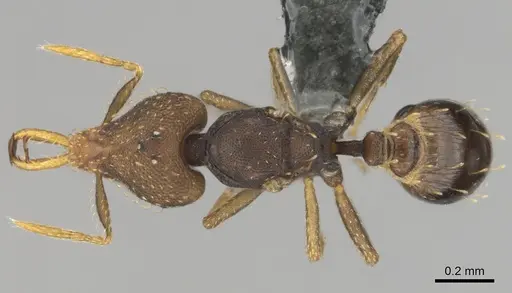
CASENT0913611
View on AntWeb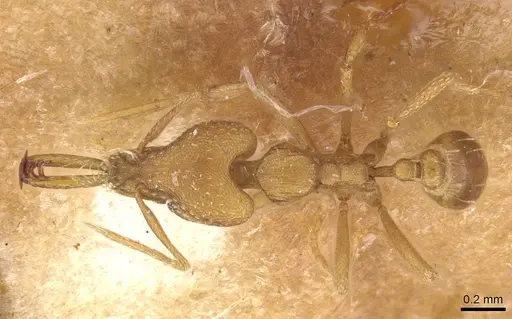
CASENT0914773
View on AntWeb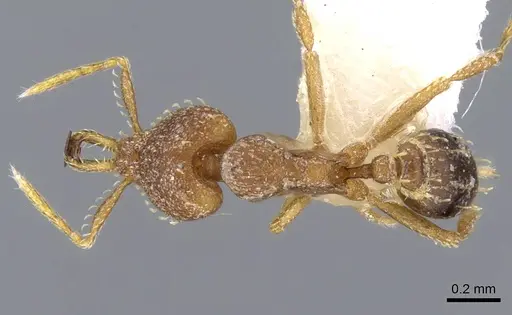
Literature
Loading distribution map...Loading products...