
Strumigenys perparva
- Sci. Name
- Strumigenys perparva
- Tribe
- Attini
- Subfamily
- Myrmicinae
- Author
- Brown, 1958
- Distribution
- Found in 7 countries
Introduction
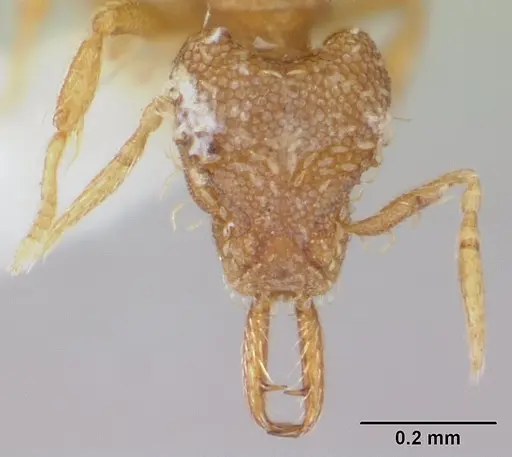
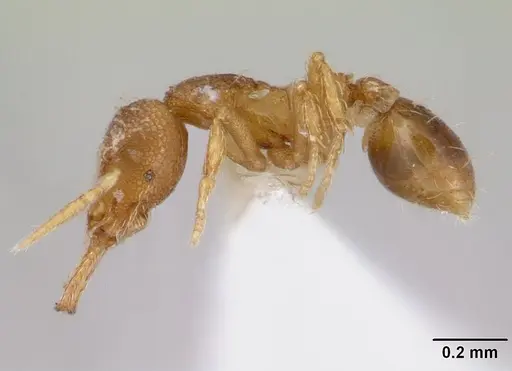
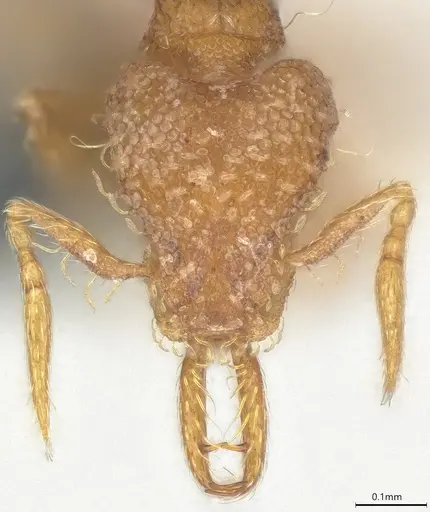
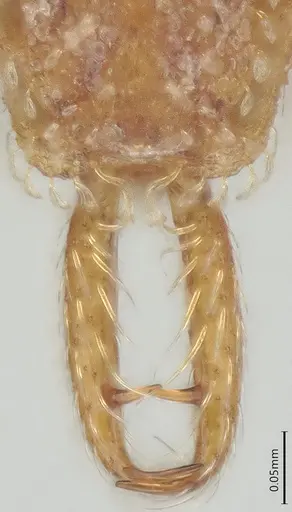
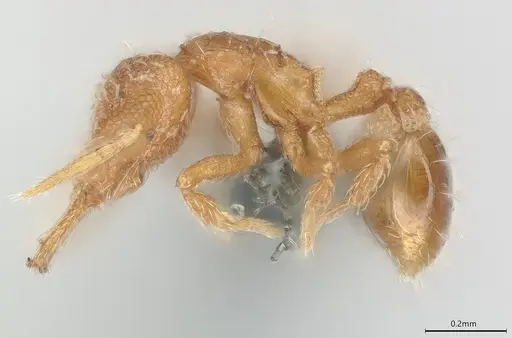
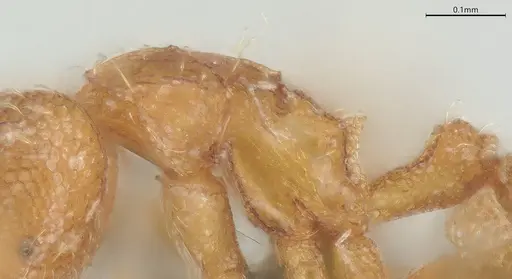
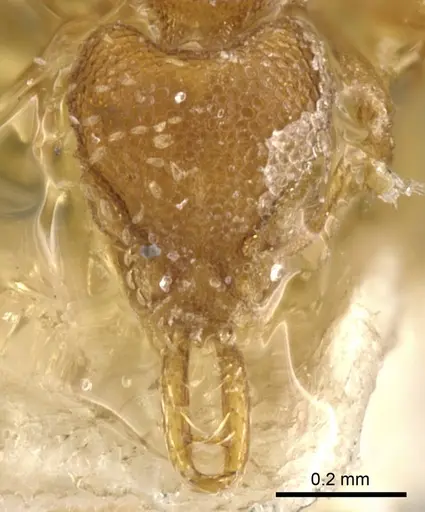
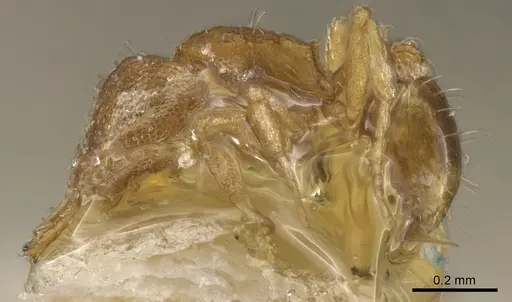
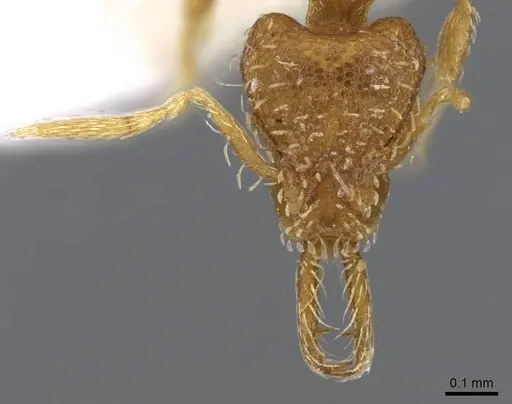
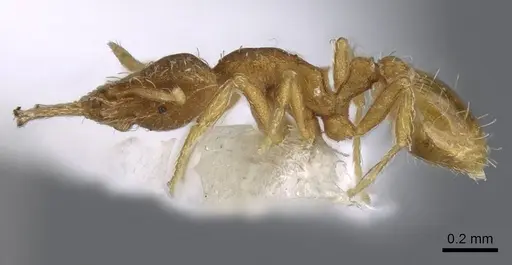
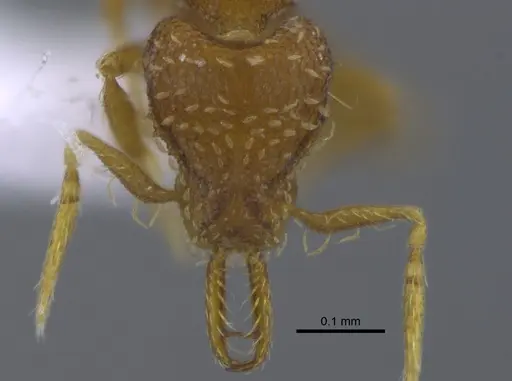
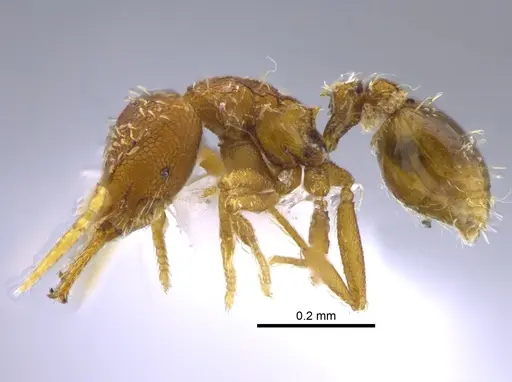
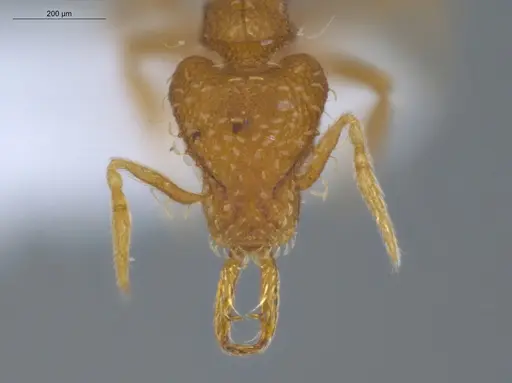
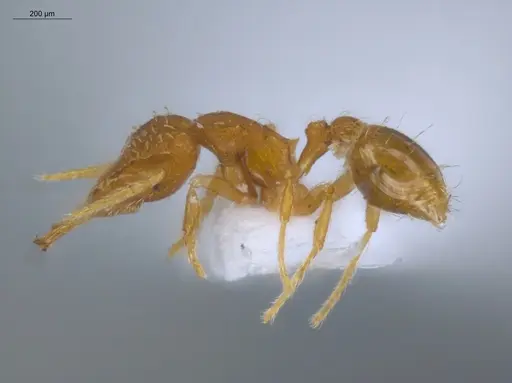
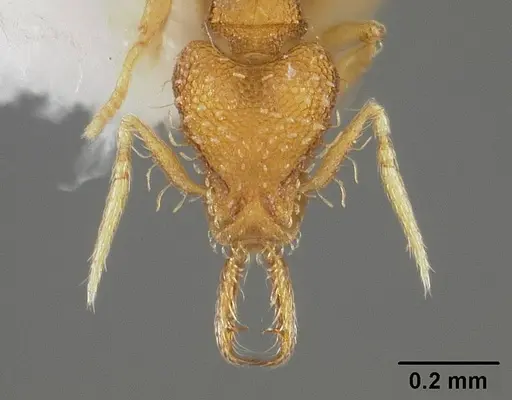
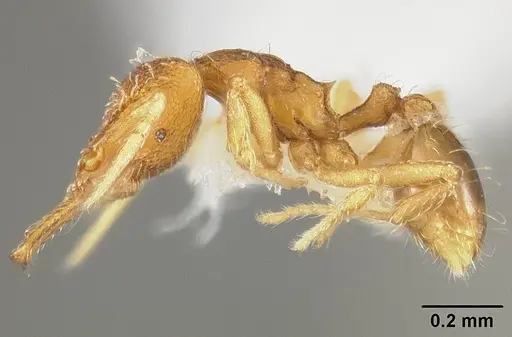
Strumigenys perparva is a tiny predatory ant. Workers measure just 1.6-1.8 mm in total length, making them one of the smallest ants you'll come across . Queens are about 1.7 mm . A key identification feature is the row of spoon-shaped hairs along the upper edge of the antenna scrobe that curve backwards - unique among related species . They live in leaf litter across the Neotropical region, from Panama down through Colombia, Venezuela, Guyana, Suriname, Brazil, Bolivia, Peru, and Ecuador . Their habitat includes rainforests, tropical dry forests, and cloud forests at elevations from near sea level up to 1280 m . What makes S. perparva special is its specialized predatory lifestyle. Like other dacetine ants (now placed in tribe Attini), they are skilled hunters that target tiny prey like springtails in the leaf litter layer . Their short mandibles with a single preapical tooth are built for capturing equally tiny micro-arthropods . This species is a forest-floor specialist, living entirely in the humid micro-environment of decomposing leaves and soil - you'll rarely see them foraging out in the open.
Quick Summary
- Difficulty: Medium
- Origin & Habitat: Neotropical region: Trinidad, Venezuela, Colombia, Guyana, Suriname, Brazil, Bolivia, Panama, Peru, Ecuador. Found in leaf litter in rainforests, tropical dry forests, and cloud forests at 600-1280 m elevation [5][4][3].
- Colony Type: Unknown, colony structure is not documented for this species. Likely single-queen colonies based on many Strumigenys, but no direct evidence.
- Size & Growth:
- Queen: 1.7 mm total length [1]
- Worker: 1.6-1.8 mm total length [1]
- Colony: Unknown, not recorded in literature. Based on the genus, typically small colonies likely under 100 workers, but this is an estimate.
- Growth: Slow
- Development: Not documented for this species. Based on related dacetine ants, likely several weeks to over a month at warm temperatures. (Development is probably slow due to their small size and specialized feeding needs.)
- Antkeeping:
- Temperature: Keep at a stable tropical warmth, aim for 22-26°C. This is based on their natural habitat in humid forests [5]. If they seem sluggish, check temperature.
- Humidity: High humidity is essential. They live in damp leaf litter. Keep the nest substrate consistently moist but not waterlogged. Provide a humidity gradient if possible, drier area for the outworld, moist area for the nest.
- Diapause: No, they come from tropical regions without strong seasonal changes. Keep them warm year-round, no hibernation needed.
- Nesting: A naturalistic setup works best: a deep layer of moist substrate (soil, sand, crushed leaf litter) that mimics their forest floor. You can also use a small plaster or Y-tong nest with tight chambers, but add a layer of leaf litter for foraging. Avoid open designs, these ants need cover. A test tube is fine for founding.
- Behavior: Shy, cryptic ants that stay hidden in the leaf litter. They are not aggressive and will flee if disturbed. Due to their tiny size (under 2 mm), they can slip through gaps smaller than 1 mm, escape prevention is critical. They are specialized predators that hunt micro-arthropods in the substrate.
- Common Issues: tiny size makes escape likely without fine mesh or tight seals, specialized diet can be challenging, need a steady supply of live micro-prey like springtails, high humidity requirements can lead to mold if ventilation is poor, slow colony growth tests patience, wild-caught colonies may carry parasites or suffer from collection stress
Housing and Nest Setup
Strumigenys perparva is a leaf-litter specialist, so your setup should mimic that humid, decomposing environment. A naturalistic terrarium-style formicarium works best, fill it with a moist substrate mixture of soil, sand, and crushed leaf litter. This gives them hunting ground and maintains humidity. Alternatively, a small plaster or Y-tong nest with tight chambers and a water reservoir can work, but always add a layer of substrate they can forage through. The key is scale, these ants are tiny, so chambers should be small and passages narrow. Use a test tube setup for founding colonies, with a cotton barrier and water reservoir, placed inside a humid container. Whatever setup you choose, excellent escape prevention is mandatory, these ants can squeeze through gaps smaller than 1 mm. Apply fluon to all edges and use fine mesh on any ventilation holes [6][1].
Feeding and Diet
These are specialized predators that hunt micro-arthropods. In captivity, their primary food should be live springtails, these are the perfect size and are readily accepted by most Strumigenys species. You can culture your own springtail colony to ensure a constant supply. Other suitable prey includes tiny isopods, booklice (psocids), and other minute arthropods. They are unlikely to accept sugar water or honey, dacetine ants are carnivorous specialists, not sugar-seekers. Feed every 2-3 days, offering small amounts of live prey. Remove any uneaten prey after 48 hours to prevent mold. A well-fed colony will have workers that appear plump and active. Do not attempt to feed them standard ant foods like fruit flies or mealworms, these are generally too large. Their tiny mandibles are designed for catching equally tiny prey [1].
Temperature and Humidity
Being tropical forest ants, S. perparva needs warm and humid conditions. Keep temperatures in a stable range around 22-26°C, stable warmth promotes activity and brood development. A heating mat on one side of the nest can create a gentle gradient, but always ensure there's an unheated area they can move to if they overheat. Humidity is critical: the substrate should feel consistently damp but never soggy. Use a moisture-retaining substrate like a soil-sand mix and mist occasionally if needed. However, balance humidity with adequate ventilation to prevent mold growth. A layer of leaf litter in the setup helps maintain micro-humidity and gives them hunting ground. If you see condensation constantly forming on the nest walls, that's too wet, back off on watering. Their natural habitat is moist leaf litter in rainforests and cloud forests [5].
Behavior and Colony Life
This is a cryptic species that spends most of its time hidden in the leaf litter layer. Workers are rarely seen foraging in the open, they hunt by patrolling through the substrate, using their specialized mandibles to snap up tiny prey. Colonies are small and slow-growing, though exact colony sizes are not documented. Queens are dealate (wingless) after mating and establish colonies in small chambers within the substrate. Workers are non-aggressive and will retreat from threats rather than engage. Because of their tiny size and cryptic nature, observing them can be challenging, you may need to carefully sift through the substrate to check on them. The colony's activity level increases with warmth and humidity, so adjust conditions if they seem sluggish [1].
Frequently Asked Questions
How long does it take for Strumigenys perparva to raise their first workers?
Development time is not documented for this species. Based on related dacetine ants, it likely takes several weeks to over a month from egg to worker at optimal temperatures (around 24°C).
Can I keep Strumigenys perparva in a test tube?
Yes, test tubes work well for founding colonies. Use a small test tube with a water reservoir sealed with cotton, and keep the tube inside a humid container like a plastic storage box. However, you'll eventually need to move them to a more naturalistic setup with substrate where they can hunt.
What do Strumigenys perparva eat?
They are specialized predators that need live micro-prey. Feed them live springtails, these are the ideal food and can be cultured at home. They may also accept tiny isopods, booklice, and other minute arthropods. They do not accept sugar sources.
Are Strumigenys perparva good for beginners?
No, this species is not ideal for beginners. Their tiny size makes housing and escape prevention challenging, and their specialized diet of live micro-prey requires more effort than typical ant foods. They also need high humidity at all times.
How big do Strumigenys perparva colonies get?
Colony size is not documented in the wild or in captivity. Based on the genus Strumigenys, colonies are typically small, possibly under 100 workers. This is an estimate.
Do Strumigenys perparva need hibernation?
No, they come from tropical regions without strong seasonal changes and do not require hibernation. Keep them warm year-round around 22-26°C.
Why are my Strumigenys perparva dying?
Common causes include: too low humidity (they need consistently damp conditions), escape (check for tiny gaps), starvation (they need live micro-prey regularly), or temperatures that are too cool. Also check for parasites which can be common in wild-caught colonies.
When should I move my colony to a formicarium?
Move them when the test tube becomes crowded or the water reservoir needs frequent refilling. For this small species, a naturalistic setup with moist substrate works better than typical formicariums.
Can I keep multiple queens together?
There is no information on polygyny in this species. It is safest to start with a single queen, as combining unrelated queens of most Strumigenys species typically leads to aggression.
Report an Issue
The current care sheet is based fully on literature. See inconsistencies, or something that's incorrect? Please , it will be resolved after review from an admin. Contributing to the blogs tab also helps providing information, to make us be able to further improve the caresheets. Thank you for your support!
References

This caresheet is licensed under CC BY-SA 4.0 .
Community Blogs
CASENT0178638
View on AntWeb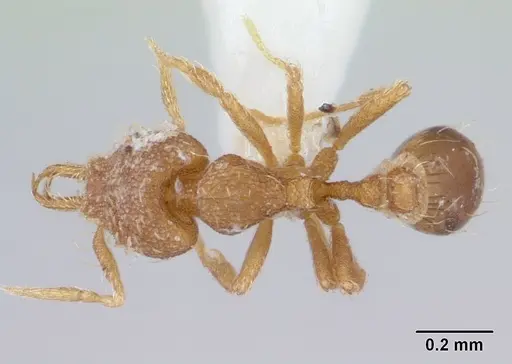
CASENT0372327
View on AntWeb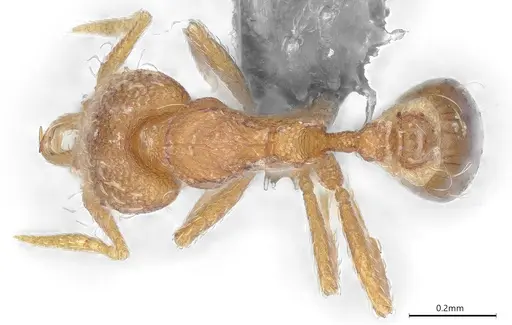
CASENT0900473
View on AntWeb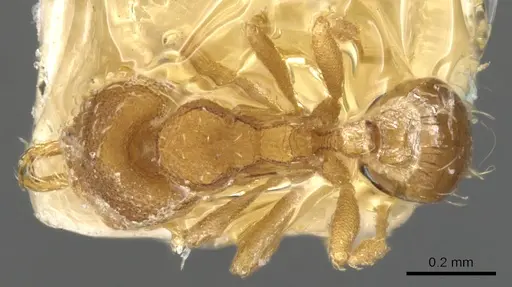
CASENT0914749
View on AntWeb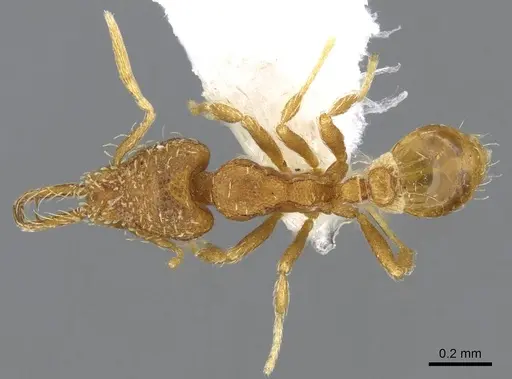
CBUMAGENT41693
View on AntWeb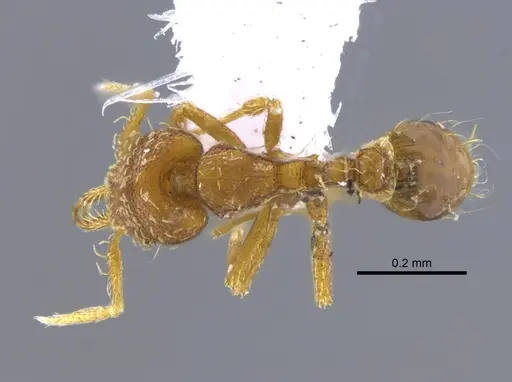
ECOFOG-IT14-0102-87
View on AntWeb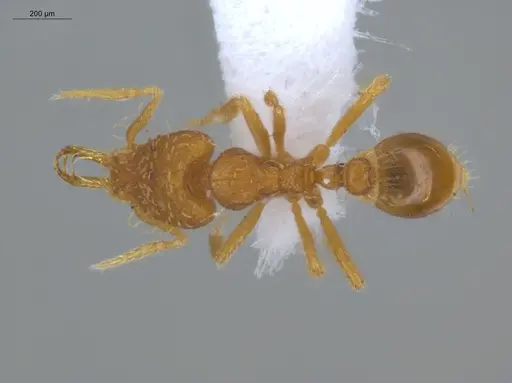
USNMENT00538764
View on AntWeb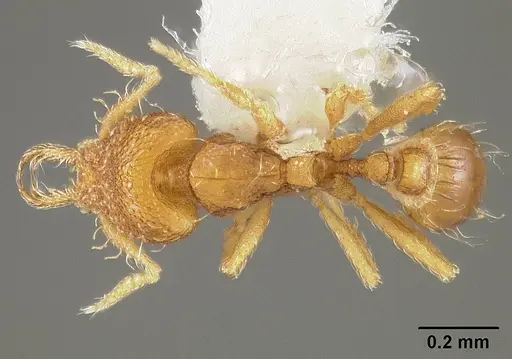
Literature
Loading distribution map...Loading products...