
Strumigenys panopla
- Sci. Name
- Strumigenys panopla
- Tribe
- Attini
- Subfamily
- Myrmicinae
- Author
- Bolton, 2000
- Distribution
- Found in 0 countries
Introduction
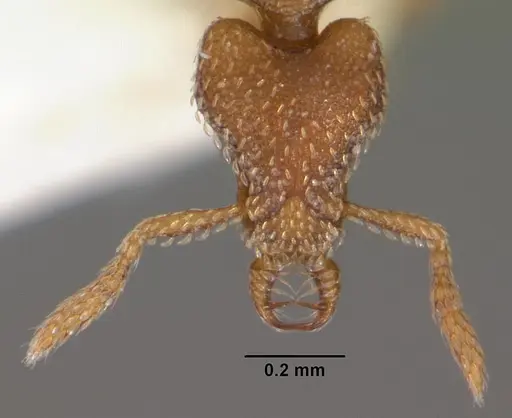
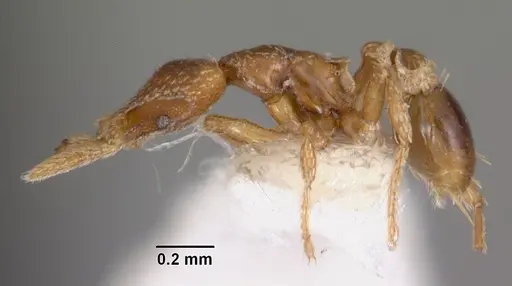
Strumigenys panopla is a tiny ant, with workers measuring 1.8mm in total length . It belongs to the prosopis-complex within the Strumigenys lyroessa group and has distinctive spoon-shaped hairs along the head margin and two pairs of erect hairs on the first gastral tergite . The species was originally described from the Genting Highlands of West Malaysia at 950m elevation and has since been recorded from Sumatra, Indonesia at around 1400m in disturbed secondary forest leaf litter . Like other Strumigenys, these ants are predatory trap-jaw specialists that hunt tiny soil arthropods, especially springtails. Nothing is known about the bionomics (biology or behavior) of S. panopla specifically , but the genus is known for slow-growing colonies and a micro-prey diet. This is a species for experienced keepers who can provide the precise, humid conditions these delicate ants need.
Quick Summary
- Difficulty: Expert
- Origin & Habitat: Native to the Indomalaya region, specifically West Malaysia (Pahang, Genting Highlands) and Sumatra, Indonesia. Found in leaf litter layers of disturbed secondary forest at elevations around 950-1400m [2].
- Colony Type: Colony structure is unconfirmed. Based on typical Strumigenys patterns, likely single-queen (monogyne) colonies with small colony sizes.
- Size & Growth:
- Queen: Unknown, the queen has not been described [1]
- Worker: 1.8mm total length (TL) [1]
- Colony: Unknown, based on typical Strumigenys colony sizes, likely under 100 workers
- Growth: Slow
- Development: Unknown, estimated 8-12 weeks based on related species patterns (Development timeline is unconfirmed for S. panopla. Strumigenys generally develop slowly compared to many Myrmicinae ants.)
- Antkeeping:
- Temperature: Estimated from native habitat: keep around 22-24°C. Avoid temperatures above 28°C or below 18°C. These are forest floor ants from tropical highlands [2].
- Humidity: High humidity needed, keep nest substrate consistently moist but not waterlogged. These ants come from humid leaf litter environments [2].
- Diapause: Unknown, as a tropical species from Malaysia and Sumatra, formal hibernation is probably not required. No confirmed information [2].
- Nesting: Prefers naturalistic setups with moist substrate. Y-tong (AAC) or plaster nests work well. Provide tight, small chambers scaled to their tiny size, standard test tube setups may have too much air space [1].
- Behavior: Very docile and non-aggressive. Workers are slow-moving and spend most of their time hunting micro-prey. They have a functional sting, though it is too small to affect humans. Escape prevention is critical due to their extremely small size, they can squeeze through gaps that larger ants cannot. They are specialized predators that hunt springtails and other tiny arthropods [1].
- Common Issues: escape prevention is critical, their tiny 1.8mm size lets them escape through standard barriers that work for larger ants, slow growth can tempt keepers to overfeed or disturb the colony, leading to mold or stress, specialized diet needs live springtails or other micro-prey, not standard ant foods, high humidity creates mold risk if ventilation is insufficient, wild-caught colonies may carry parasites that are hard to treat in captivity
Housing and Escape Prevention
Strumigenys panopla is an extremely small ant (1.8mm workers), which creates unique housing challenges [1]. Standard test tube setups often have gaps that these ants can squeeze through. Use Y-tong (AAC) nests with tight-fitting chambers, or plaster nests with very small chambers. If you use test tubes, pack the cotton very tightly and apply a fluon barrier on the rim. The nest should have chambers sized appropriately for their tiny body size, large chambers can stress them. Provide a small outworld that is easy to secure. Because of their size, even standard escape prevention measures may fail. Inspect connections between nest and outworld regularly, and consider a double-barrier system. This is not a beginner species partly because of the escape challenge [1].
Feeding and Diet
Strumigenys panopla is a specialized predator that hunts tiny arthropods [1]. In captivity, their primary food should be live springtails, these match the size of their 1.8mm workers and their natural prey in leaf litter. Other small live prey may be accepted experimentally, such as booklice, dust mites, and newly hatched fruit fly larvae. Do not feed them standard ant foods like mealworms or honey, those are far too large. Sugar sources are unlikely to be accepted as Strumigenys are obligate predators. Feed small amounts of live prey every few days, removing any uneaten prey promptly to prevent mold. A well-established springtail culture in the outworld can provide a natural food source [1].
Temperature and Humidity
Based on their native habitat, keep the nest at 22-24°C [2]. Avoid temperatures above 28°C, which can stress and kill colonies. A slight temperature gradient helps workers regulate. Humidity should be high, keep the nest substrate consistently moist but not waterlogged [2]. Their leaf litter origin means they are sensitive to drying out. Monitor substrate moisture regularly and rehydrate before the surface fully dries. Room temperature within the low-to-mid 20s°C is acceptable if your home stays in that range [2].
Colony Development and Growth
Expect very slow growth. Strumigenys colonies are known for gradual development [1]. A founding colony may take several months to produce its first nanitic workers, and reaching 50 workers can take a year or more. The first workers will be smaller than fully developed workers. Do not overfeed to speed growth, excess prey can mold and harm the colony. Patience is essential. Colony size likely stays small, probably under 100 workers even at maturity. Slow growth is normal, not a sign of poor health. Founding type is unconfirmed, do not disturb the queen during founding [1].
Behavior and Temperament
Strumigenys panopla is extremely docile and poses no threat to keepers. Workers are slow-moving and non-aggressive. They have a functional sting, but it is too small to affect humans [1]. The species is not territorial or aggressive toward other colonies. Workers spend most of their time hunting in the nest and outworld for tiny prey. They do not form raiding columns or display aggressive swarming. The main behavior concern is their ability to escape, their small size means they can find gaps that larger ants cannot. They are not a display species but an interesting observation species for patient keepers who enjoy watching hunting behavior. Colonies are quiet and unobtrusive [1].
Frequently Asked Questions
How long does it take for Strumigenys panopla to produce first workers?
The exact timeline is unconfirmed for this species. Based on typical Strumigenys patterns, expect 8-12 weeks from egg to first worker at optimal temperature (22-24°C). Growth is very slow [1].
Can I keep Strumigenys panopla in a test tube?
Standard test tubes are not recommended due to their extremely small 1.8mm size. They can easily escape through gaps around standard cotton plugs. Use a Y-tong (AAC) nest with tight chambers or a plaster nest designed for tiny ants. If you must use test tubes, pack cotton very tightly and apply fluon barriers [1].
What do Strumigenys panopla eat?
They are specialized predators that need live micro-prey. Feed them live springtails as their primary food, these are the ideal size and match their natural diet. Other tiny live prey like booklice, dust mites, or fruit fly larvae may be accepted. They will not eat standard ant foods, mealworms, or sugar sources [1].
Are Strumigenys panopla good for beginners?
No, this is an expert-level species. Their tiny size creates significant escape prevention challenges, they require specialized live prey diets, they grow extremely slowly, and they need high humidity. Beginners should start with more forgiving species like Lasius or Messor [1].
How big do Strumigenys panopla colonies get?
Colony size is unconfirmed but likely remains small, probably under 100 workers at maturity. Strumigenys colonies are typically much smaller than many other ant genera [1].
Do Strumigenys panopla need hibernation?
Diapause requirements are unconfirmed. As a tropical species from Malaysia and Sumatra, they likely do not need formal hibernation. This has not been documented [2].
Why are my Strumigenys panopla escaping?
Their tiny 1.8mm size allows them to squeeze through gaps that larger ants cannot. Review all connections, use fluon barriers, and consider switching to a nest designed for tiny ants. Check that cotton plugs are packed extremely tight [1].
Can I keep multiple queens together?
This has not been documented for this species. Based on typical Strumigenys behavior, single-queen colonies are most likely. Do not attempt to combine unrelated queens [1].
What temperature should I keep Strumigenys panopla at?
Keep the nest at 22-24°C. Avoid temperatures above 28°C or below 18°C. This matches their native tropical highland environment [2].
Why is my colony not growing?
Slow growth is normal for Strumigenys. Colonies may take months to produce first workers and years to reach moderate size. Ensure you are providing live springtails, maintaining high humidity (moist substrate), and keeping temperatures stable at 22-24°C [1].
Where is Strumigenys panopla native to?
It is native to the Indomalaya region, originally described from West Malaysia (Pahang, Genting Highlands at 950m) and recently recorded from Sumatra, Indonesia at approximately 1400m elevation in secondary forest leaf litter [2].
Report an Issue
The current care sheet is based fully on literature. See inconsistencies, or something that's incorrect? Please , it will be resolved after review from an admin. Contributing to the blogs tab also helps providing information, to make us be able to further improve the caresheets. Thank you for your support!
References

This caresheet is licensed under CC BY-SA 4.0 .
Community Blogs
CASENT0102577
View on AntWeb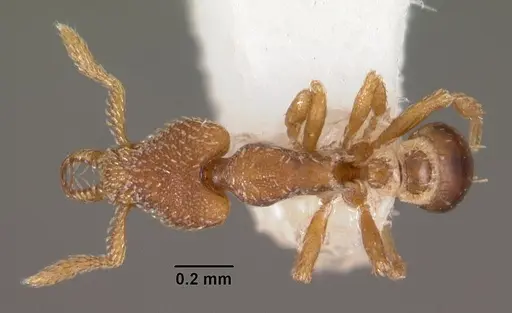
Literature
Loading distribution map...Loading products...