
Strumigenys olsoni
- Sci. Name
- Strumigenys olsoni
- Tribe
- Attini
- Subfamily
- Myrmicinae
- Author
- Bolton, 2000
- Distribution
- Found in 1 countries
Introduction
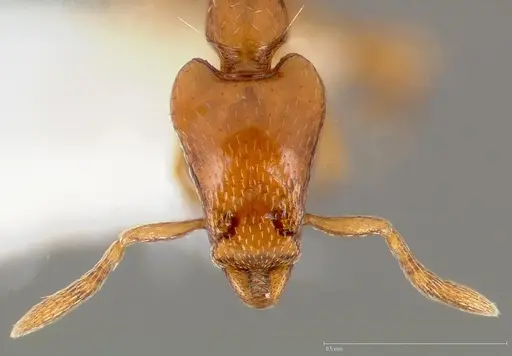
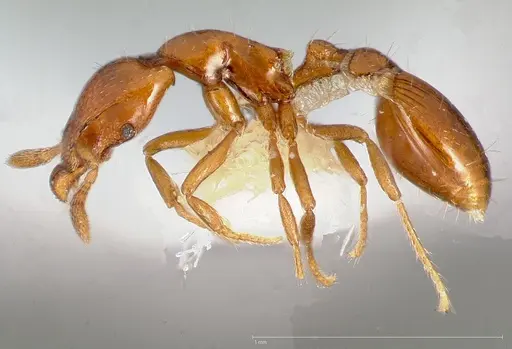
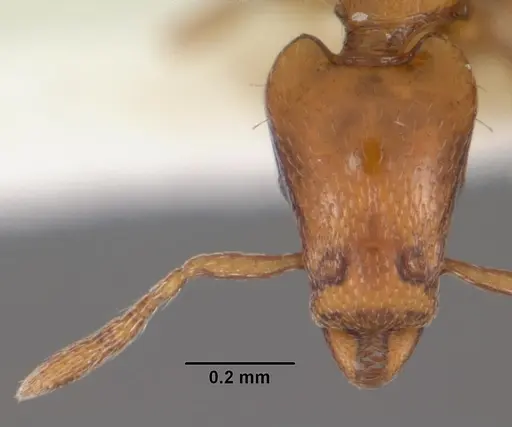
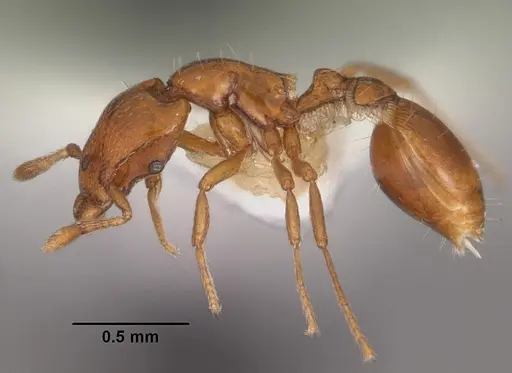
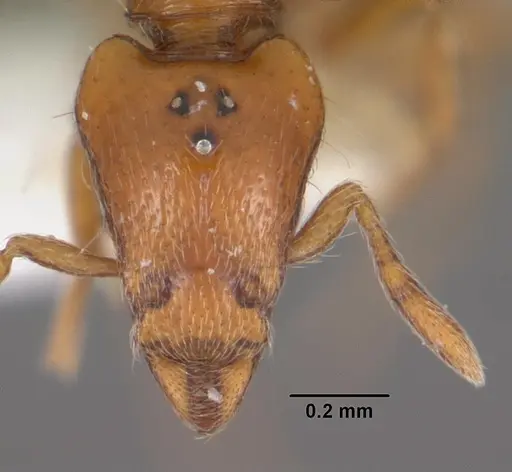
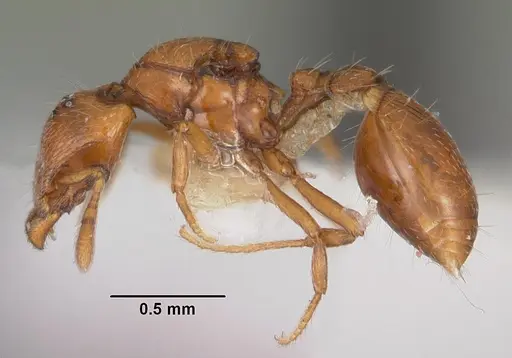
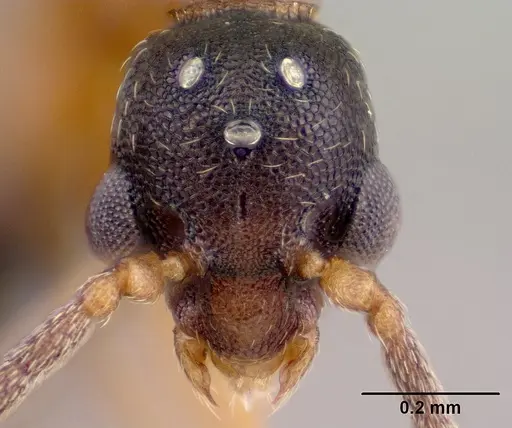
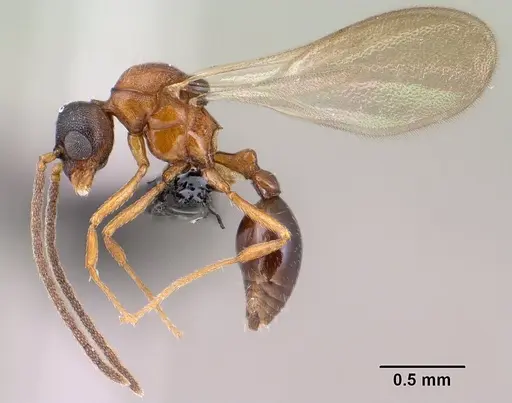
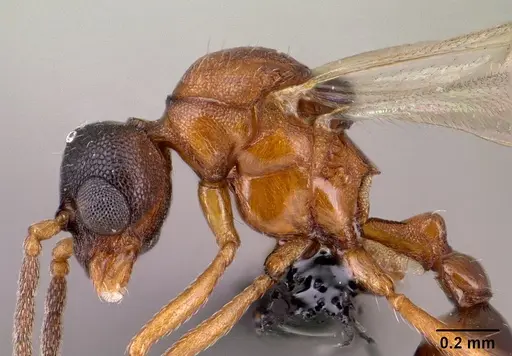
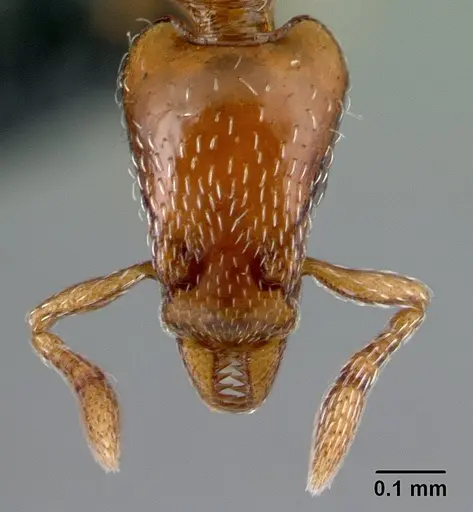
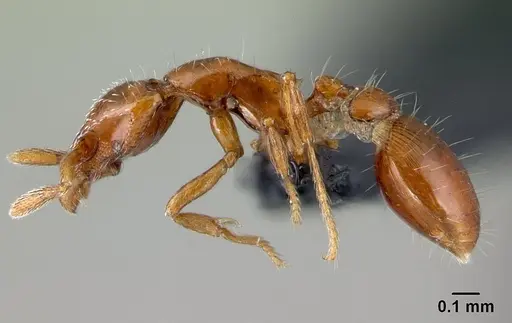
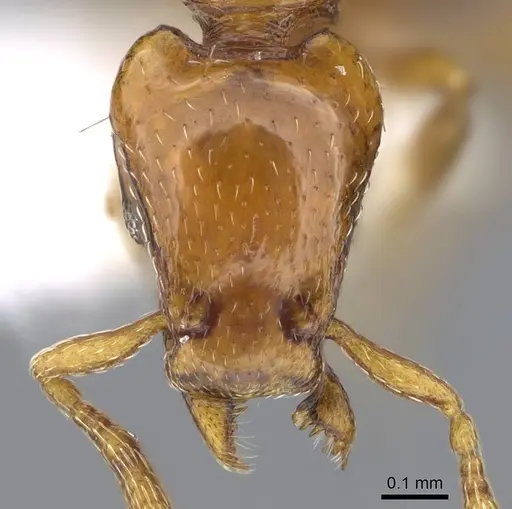
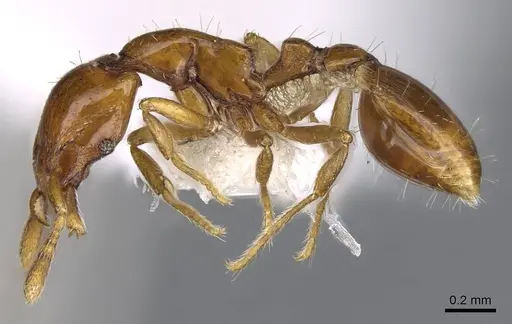
Strumigenys olsoni is a tiny predatory ant with workers measuring 2.2-2.3 mm in total length, native to Madagascar . Workers have a glossy head and body, with erect hairs on the pronotum, waist segments, and first gastral tergite. They belong to the genus Strumigenys, known for trap‑jaw mandibles that snap shut quickly on tiny prey. This species is the sole member of the S. olsoni group and was originally described as Pyramica olsoni before being moved to Strumigenys . These ants are specialized springtail predators, hunting in leaf litter. They occur across Madagascar in habitats ranging from grassland to rainforest, and are most often collected from leaf litter samples or rotten stumps . Their minute size and specialized diet make them a challenging species for experienced keepers only.
Quick Summary
- Difficulty: Expert
- Origin & Habitat: Madagascar, widely distributed across the island, from grassland to rainforest. Typically found in leaf litter and rotten stumps, recorded at 400 m elevation [2][3][1]. Habitat coding indicates they are terricolous (ground‑dwelling) and prefer dry, light conditions [3].
- Colony Type: Unconfirmed, based on typical Strumigenys patterns, likely monogyne (single queen), but no direct data for this species.
- Size & Growth:
- Queen: Size data unavailable, no measurements recorded.
- Worker: 2.2-2.3 mm (total length) [1]
- Colony: Likely very small, typical Strumigenys colonies have fewer than 100 workers, but exact maximum is unknown.
- Growth: Slow, specialist predators with limited prey availability.
- Development: Estimated 8-12 weeks based on related Strumigenys at warm temperatures, not directly documented for this species. (Development is slow, small colony size and specialized diet mean patience is required.)
- Antkeeping:
- Temperature: Keep at 22-26 °C, mimicking warm tropical leaf litter conditions. Exact requirements are unconfirmed, observe colony behavior.
- Humidity: High, maintain the nest substrate consistently moist but not waterlogged. A hydration system (e.g., test tube cotton plug) helps simulate humid forest floor conditions.
- Diapause: No, as a tropical Madagascar species, true diapause is not required. Activity may slow at cooler temperatures, but no winter treatment is needed.
- Nesting: Y‑tong (AAC) nests with tight chambers, test tube setups, or naturalistic containers with leaf litter work well. Because ants are only 2 mm, seal all gaps with fine mesh and barrier (Fluon) to prevent escape.
- Behavior: Very docile and non‑aggressive toward keepers. They have a functional stinger but rarely use it defensively. Escape prevention is critical due to their minute size, they can squeeze through gaps that hold back larger ants. They move slowly but their trap‑jaw mandibles can capture springtails in milliseconds.
- Common Issues: escape prevention is critical, their 2 mm size means standard barriers may not work, use fine mesh and Fluon., specialized diet makes feeding difficult, a steady culture of live springtails is essential, they will not accept sugar or typical protein., high humidity requirements can lead to mold if ventilation is poor, balance moisture and airflow., slow growth and small colony size mean colonies can stagnate if prey is scarce., wild‑caught colonies may carry parasites that spread quickly in captivity.
Housing and Nest Setup
Strumigenys olsoni needs tight, enclosed spaces. Y‑tong or plaster nests with narrow chambers (1-2 mm high) work well, as do simple test tube setups with a water reservoir. Because the ants are only 2 mm, they can escape through the tiniest gaps, use fine mesh on all ventilation holes and apply Fluon or PTFE barrier to the nest rims and outworld edges. A naturalistic setup with a layer of moist leaf litter on top of a hydration base mimics their forest floor habitat. Avoid tall, open outworlds, they prefer low, cluttered spaces where they can hunt springtails undisturbed. [1]
Feeding and Diet
This is the hardest part of keeping Strumigenys olsoni. They are specialist springtail predators and will ignore sugar water, honey, and most protein sources. You must maintain a constant culture of small springtails (e.g., Folsomia candida) to feed them. Offer a few springtails every 2-3 days, placing them directly in the foraging area. Remove any uneaten prey after 24 hours to prevent mold. Some keepers report success with other micro‑arthropods like booklice, but springtails should be the main food. Never rely on ant‑keeping staples like syrup or crushed insects, these ants will not eat them. [1]
Temperature and Humidity
Maintain temperatures around 22-26 °C. A small heat mat on one side of the nest can create a gentle gradient, but avoid overheating (above 28 °C). Humidity must be high, the nest substrate should be consistently moist but not soaked. A test tube cotton plug or a plaster hydration chamber works well. Mist the outworld lightly if it seems dry, but ensure good ventilation to prevent mold. Avoid placing the setup near drafts, air conditioners, or radiators that cause rapid moisture loss. [1]
Behavior and Colony Dynamics
Workers are slow and deliberate, but their trap‑jaw mandibles can snap shut extremely fast when springtails are detected. They are not defensive toward keepers and rarely use their stinger. Colonies remain very small, exact sizes are unknown but likely under 100 workers. The queen probably raises the first brood without foraging (claustral founding is common in Strumigenys, but not confirmed for this species). Workers hunt individually through the substrate, and they do not tolerate foreign ants. Never combine colonies, keep only one queen per setup.
Growth and Development
Growth is slow. Based on related Strumigenys, the first worker (nanitic) may appear after 8-12 weeks if temperature and humidity are optimal. After that, the colony adds perhaps one to a few workers per month. A healthy colony may eventually contain 50-100 workers, but many stay even smaller. Do not disturb the queen during founding, and avoid overfeeding, excess prey can rot and cause mold. Patience is essential, this species is not for keepers who want rapid colony expansion.
Frequently Asked Questions
How long does it take for Strumigenys olsoni to produce first workers?
Expect first workers after approximately 8-12 weeks based on related Strumigenys, but this has not been directly documented for this species. Keep temperatures warm and stable to speed development.
What do Strumigenys olsoni ants eat?
They are specialist springtail predators. You must culture live springtails (Folsomia candida or similar) and feed them regularly. They will not accept sugar water, honey, or typical ant protein foods. Some keepers also use booklice, but springtails are the primary diet.
Can I keep Strumigenys olsoni in a test tube?
Yes, a test tube with a water plug works very well. The key is escape prevention, seal the entrance with fine mesh or cotton and apply Fluon to the rim. Because they are only 2 mm, they can squeeze through gaps that seem closed.
Are Strumigenys olsoni good for beginners?
No. This is an expert‑level species due to their specialized springtail diet, tiny size requiring meticulous escape prevention, and high humidity needs. They are not recommended without experience culturing live micro‑prey.
How big do Strumigenys olsoni colonies get?
Colonies remain very small, typical Strumigenys colonies have under 100 workers. Exact maximum is unknown for this species, but expect fewer than 50-100 even in well‑established colonies.
Do Strumigenys olsoni need hibernation?
No. As a tropical Madagascar species, they do not require a diapause period. They may slow down in cooler conditions, but no special winter care is needed beyond maintaining normal temperature.
Why are my Strumigenys olsoni dying?
Most common causes: lack of live springtails (starvation), escape through tiny gaps, mold from overwatering, or parasites from wild‑caught colonies. Ensure you have a steady springtail culture, seal all openings, and maintain good ventilation before acquiring this species.
When should I move my colony to a formicarium?
You generally do not need to move them. A test tube or small Y‑tong nest works for the entire colony life. Only consider moving if the test tube is heavily soiled or the colony has outgrown the current space, but be very careful to avoid escape during the transfer.
Can I keep multiple queens together?
Not recommended. Strumigenys are typically monogyne (single queen). Combining queens has not been documented and would likely lead to fighting. If you have multiple queens, keep them separately.
Report an Issue
The current care sheet is based fully on literature. See inconsistencies, or something that's incorrect? Please , it will be resolved after review from an admin. Contributing to the blogs tab also helps providing information, to make us be able to further improve the caresheets. Thank you for your support!
References

This caresheet is licensed under CC BY-SA 4.0 .
Community Blogs
CASENT0005455
View on AntWeb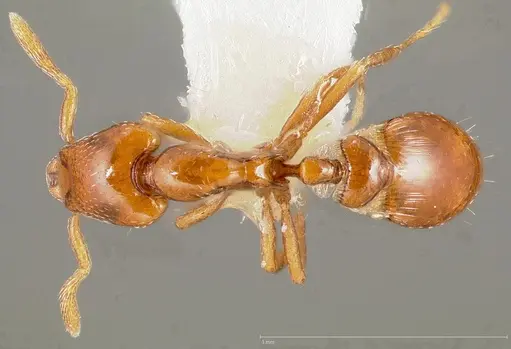
CASENT0102263
View on AntWeb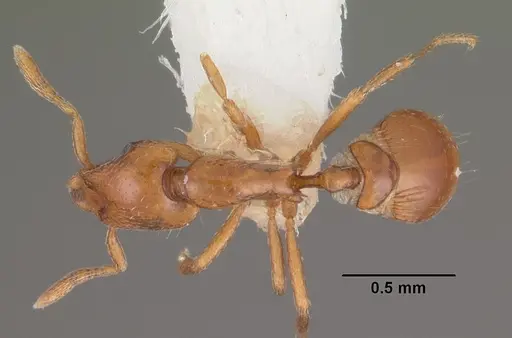
CASENT0102264
View on AntWeb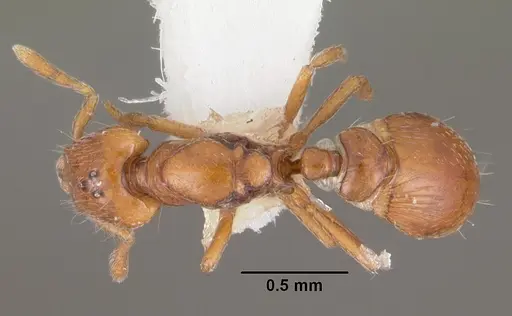
CASENT0135583
View on AntWeb
CASENT0141982
View on AntWeb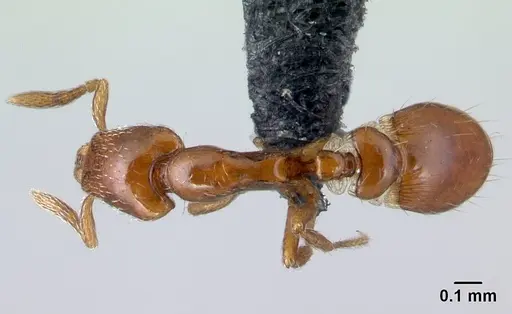
CASENT0914711
View on AntWeb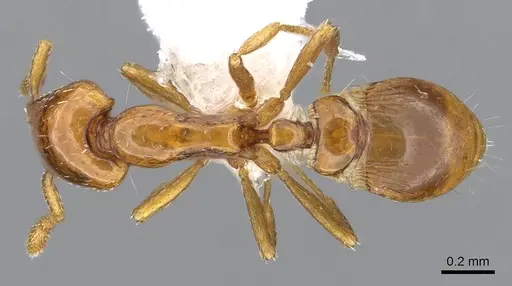
Literature
Loading distribution map...Loading products...