
Strumigenys ninda
- Sci. Name
- Strumigenys ninda
- Tribe
- Attini
- Subfamily
- Myrmicinae
- Author
- Bolton, 1983
- Distribution
- Found in 5 countries
Introduction
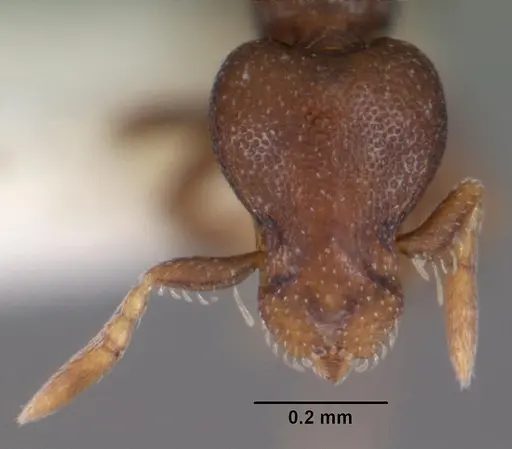
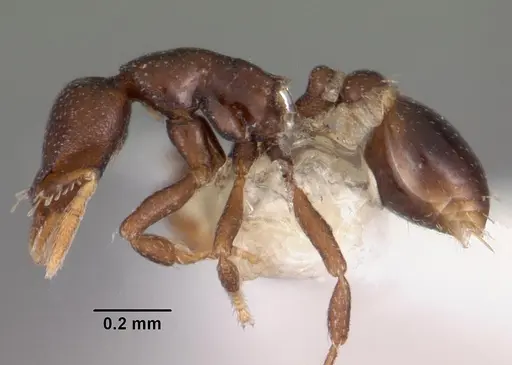
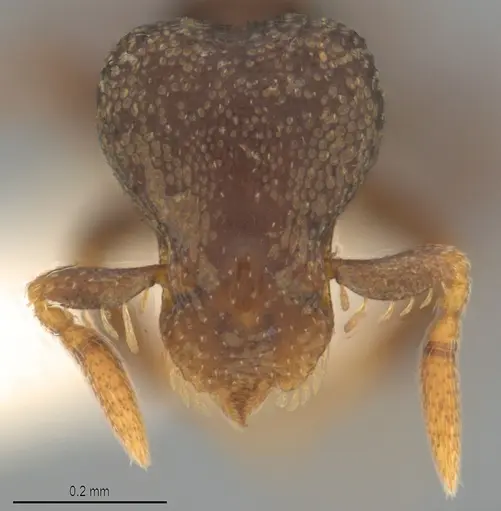
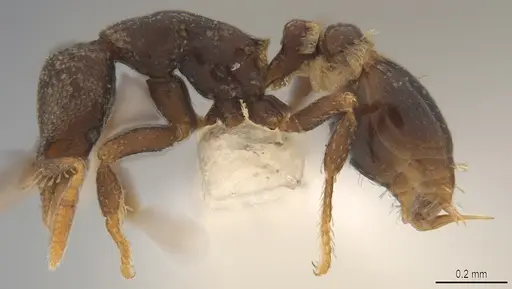
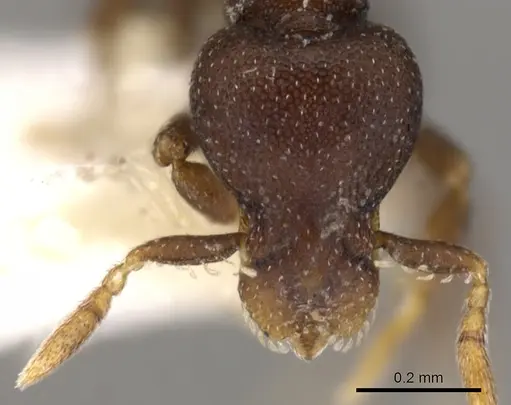
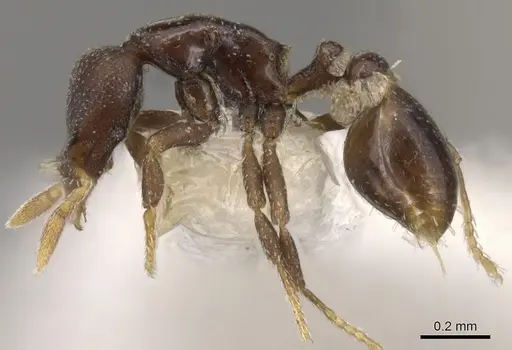
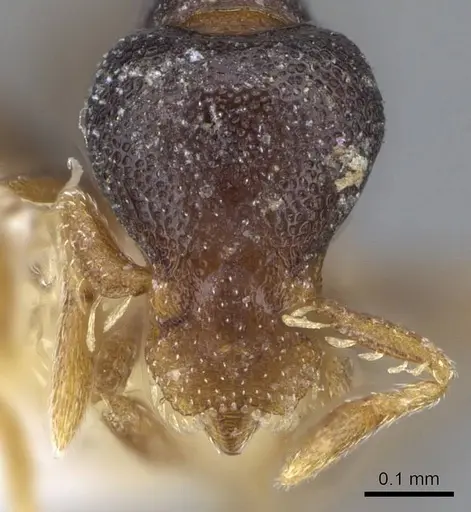
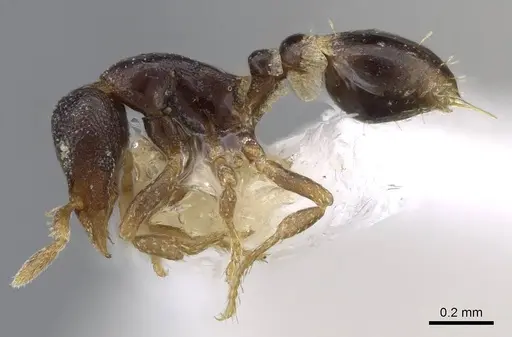
Strumigenys ninda is a tiny predatory ant from West and Central Africa . Workers measure about 1.7-1.8 mm and are dark brown to blackish . They live in leaf litter in both natural and disturbed forests . Known from Cameroon, Ghana, Ivory Coast, Nigeria, Gabon, Central African Republic, Chad, and the Democratic Republic of Congo . Very little is known about their colony life and behavior - only workers have been described.
Quick Summary
- Difficulty: Hard
- Origin & Habitat: West and Central Africa, leaf litter in natural and disturbed forests [1][2].
- Colony Type: Unknown, only workers have been described. No information on queen number or social structure.
- Size & Growth:
- Antkeeping:
- Temperature: Likely warm tropical conditions around 24-28°C based on origin, but no specific data available.
- Humidity: High humidity from leaf litter habitat. Keep nest substrate moist but not waterlogged. No exact data.
- Diapause: No, tropical species, no hibernation needed.
- Nesting: Tiny ants need very small chambers. A Y‑tong (AAC) or plaster nest with fine passages works, or a naturalistic setup with damp soil and leaf litter. No specific nesting data available.
- Behavior: Shy and non‑aggressive. Extremely small size makes escape prevention critical. Likely individual foragers feeding on tiny soil arthropods. Little else is known about their behavior.
- Common Issues: escape prevention is critical, at 1.7 mm they can squeeze through tiny gaps., need live micro‑prey, they won't survive on sugar water alone., high humidity can cause mold if ventilation is poor., colony development and founding are completely unknown, establishing a colony is a shot in the dark.
Housing and Nest Setup
Because workers are only 1.7 mm, a standard formicarium is far too roomy. Use a Y‑tong (AAC) nest with very narrow chambers or a plaster nest with fine, tight passages. A naturalistic setup with a thin layer of damp soil and leaf litter on top mimics their forest‑floor home. Keep the nest dark and cover all ventilation holes with fine mesh, these ants will escape through any gap their head can fit through. A small outworld (about 10-15 cm²) helps you manage feeding and lowers stress. [1]
Feeding and Diet
Strumigenys ninda are predators. In the wild they likely hunt tiny soil arthropods like springtails, mites, and booklice. In captivity you'll need a steady supply of live springtails (Collembola), culture them separately and offer a few every 2-3 days. Very small fruit flies (Drosophila melanogaster) may also be accepted. They won't touch sugar water or honey. Remove any uneaten prey after 24 hours to prevent mold. [1]
Temperature and Humidity
These ants come from tropical Africa, so keep temperatures warm, aim for 24-28°C. Use a small heating cable on one side of the nest to create a gentle gradient, but never put heat directly on the nest chamber (it dries out too fast). Humidity should be high, like a damp forest floor. The nest substrate should feel moist to the touch but not have standing water. A water reservoir in the nest helps maintain stable moisture. Good ventilation is needed to stop mold while keeping humidity up, this balance takes practice. [2]
Behavior and Colony Dynamics
Almost nothing is known about the colony life of Strumigenys ninda. Only workers have been collected and described. Based on the genus, colonies are probably small (tens to maybe a few hundred workers) and queens likely raise the first brood alone (claustral founding), but none of this is confirmed. Workers are shy and flee when disturbed, they rely on speed and their small size to avoid threats. They have a functional sting, as is typical for Myrmicinae, but it is far too small to harm humans. Expect very slow colony growth, patience is essential. [1]
Frequently Asked Questions
How long until Strumigenys ninda produces first workers?
This is unknown. No one has reported a successful captive founding. Based on related tiny dacetine ants, expect at least several months, but this is pure guesswork.
What do Strumigenys ninda eat?
They are predators and need live micro‑prey. Springtails are the best option. They may also accept tiny fruit flies. Do not offer sugar water, they won't eat it.
Are Strumigenys ninda good for beginners?
No. Their tiny size, unknown founding behavior, specialized diet, and need for high humidity make them an expert‑level species. Only try them if you have experience with other small, hard‑to‑keep ants.
How big do Strumigenys ninda colonies get?
Unknown. Only individual workers have ever been collected. Based on the genus, colonies are probably small, but no data exists.
Can I keep Strumigenys ninda in a test tube?
A test tube with damp cotton might work for a founding queen, but since no one has confirmed their founding method, this is speculation. If you get a queen, try a test tube setup and hope for the best.
Do Strumigenys ninda need hibernation?
No, they are tropical ants from Africa and do not require hibernation. Keep them warm year‑round.
Why are my Strumigenys ninda dying?
Most likely causes: temperature too low (below 22°C), substrate too dry, lack of live prey, mold from poor ventilation, or escape. Check all these factors.
What temperature do Strumigenys ninda need?
Aim for 24-28°C. Being tropical, they need stable warmth. A small heat mat on one side of the nest helps, but don't let the nest dry out.
How often should I feed Strumigenys ninda?
Offer a few springtails every 2-3 days. Remove uneaten prey after 24 hours to avoid mold. They have small appetites, so don't overfeed.
Report an Issue
The current care sheet is based fully on literature. See inconsistencies, or something that's incorrect? Please , it will be resolved after review from an admin. Contributing to the blogs tab also helps providing information, to make us be able to further improve the caresheets. Thank you for your support!
References

This caresheet is licensed under CC BY-SA 4.0 .
Community Blogs
CASENT0102550
View on AntWeb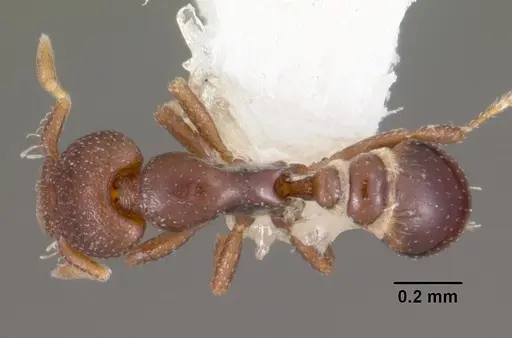
CASENT0411382
View on AntWeb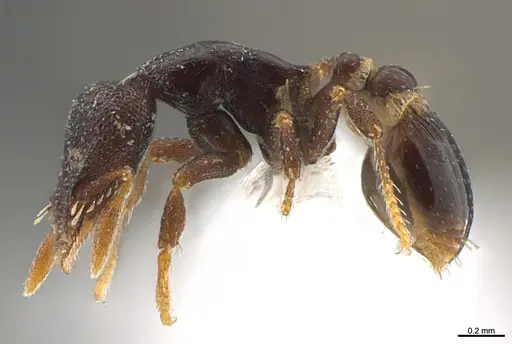
CASENT0840692
View on AntWeb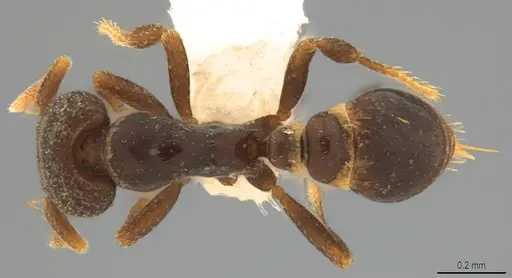
CASENT0900068
View on AntWeb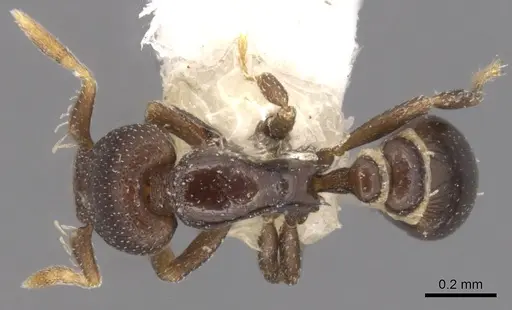
CASENT0914712
View on AntWeb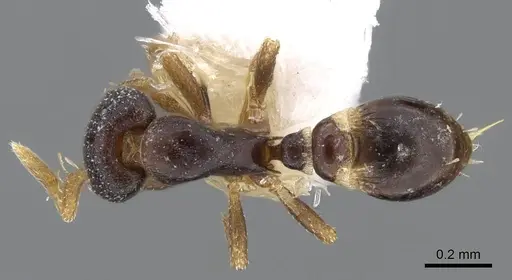
Literature
Loading distribution map...Loading products...