
Strumigenys nevermanni
- Sci. Name
- Strumigenys nevermanni
- Tribe
- Attini
- Subfamily
- Myrmicinae
- Author
- Brown, 1959
- Distribution
- Found in 4 countries
Introduction
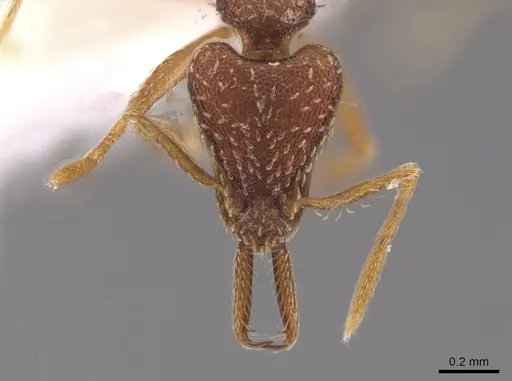
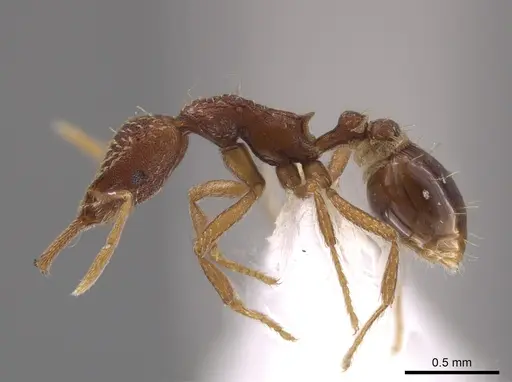
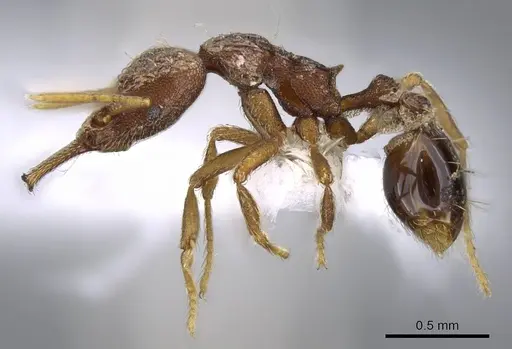
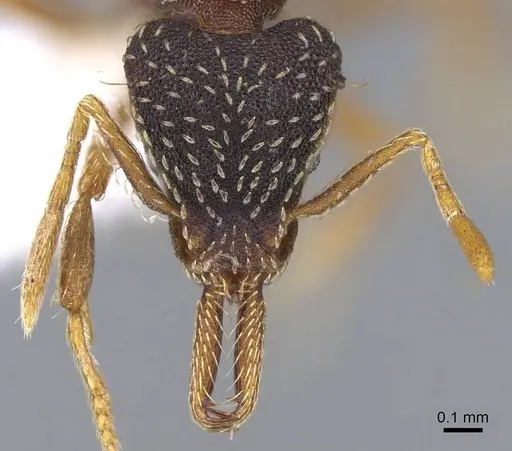
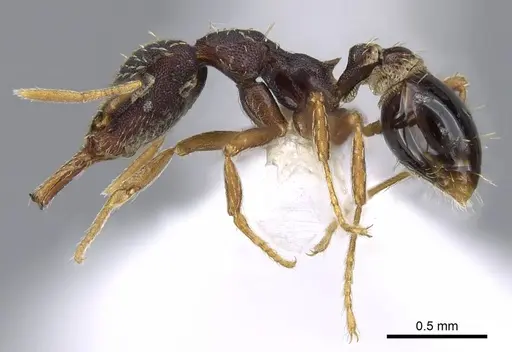
Strumigenys nevermanni is a tiny ant from the tribe Attini (subfamily Myrmicinae). Like others in the genus, it has trap-jaw mandibles used to catch small prey. The species is recorded from Mexico, but no specific locality is known . Its natural habitat is likely humid leaf litter and rotting wood in forests, similar to other Strumigenys. Specific biological details for this species are poorly documented, so most care advice is based on related species and general genus knowledge.
Quick Summary
- Difficulty: Hard
- Origin & Habitat: Recorded in Mexico from a checklist [1]. No precise locality data. Presumably inhabits humid forest leaf litter and decaying wood, as typical for the genus.
- Colony Type: Unconfirmed. Most Strumigenys species are monogyne (single queen) with small colonies, but no data exists for this species specifically.
- Size & Growth:
- Queen: Size data unavailable. Strumigenys queens are typically 3-4 mm based on genus averages.
- Worker: Size data unavailable. Workers of related Strumigenys are 2-3 mm.
- Colony: Unknown. Strumigenys colonies are usually under 100 workers, but this is not confirmed for this species.
- Growth: Unconfirmed. Presumed slow based on related species, but no data.
- Development: Unknown (No published data on development time for this species. Keepers should expect slow progress typical of the genus.)
- Antkeeping:
- Temperature: Likely warm and stable, around 24-28°C, typical for tropical forest floor species. Not confirmed.
- Humidity: Very high humidity is critical. The nest substrate should be consistently damp (not waterlogged). This is inferred from the genus preference for moist leaf litter.
- Diapause: No true diapause needed. Being from a tropical region, they likely remain active year-round. However, activity may drop in cooler conditions.
- Nesting: Prefers naturalistic setups with deep leaf litter, rotting wood, or soil. Test tubes can work if humidity is kept very high. Y-tong or plaster nests with high moisture are also suitable.
- Behavior: Extremely cryptic and docile. They rely on a functional stinger (as in other Attini) but are not aggressive to large threats and will flee. Their trap‑jaw mandibles are used only for capturing tiny prey. Workers are slow and spend most time in the substrate. Escape risk is low due to their small size and not being strong climbers.
- Common Issues: drying out is the primary risk, constant high humidity is essential, specialized diet means springtails must be cultured, as standard ant foods are often rejected, slow development can lead keepers to overfeed or disturb the nest, wild-caught colonies may have parasites or be stressed, so patience is needed
Housing and Nest Setup
Because specific nesting preferences for Strumigenys nevermanni are unknown, follow general guidelines for leaf‑litter Strumigenys. Use a plastic container with a deep layer of moist substrate (coco fiber or a mix of soil and rotting wood). Add leaf litter to maintain humidity and provide hunting grounds. Test tubes can work but need careful water management, the cotton plug should stay damp without flooding. Keep the nest in a dark place, these ants avoid light and will not forage openly in bright conditions. Provide a small outworld for feeding.
Feeding and Diet
Strumigenys nevermanni is a specialist predator of tiny arthropods, especially springtails. In captivity you must culture springtails to ensure a steady food supply. They may also accept fruit flies, pinhead crickets, or microworms, but springtails should be the staple. They rarely take sugar water or honey. Offer small prey every 2-3 days and remove leftovers after 24 hours to prevent mold. Do not rely on standard ant foods like seeds or jelly.
Temperature and Humidity
Maintain a warm, stable temperature around 24-28°C. A heat mat on one side can create a gentle gradient. Humidity is the most critical factor, aim for 70-85% relative humidity in the nest area. The substrate should feel damp but never waterlogged. Mist the setup regularly or use a water reservoir in the nest. Never let the substrate dry out completely, even briefly.
Colony Development
Development details for this species are unknown. For most Strumigenys, the queen founds the colony alone (claustral or semi‑claustral) and the first workers appear after several months. Do not disturb the queen during early stages. Once workers arrive, the colony grows slowly and may eventually reach 50-100 workers, but this is not confirmed for this species. Be patient and minimize disturbance.
Behavior and Temperament
These ants are very docile. They have a functional stinger (as in other Attini), but it is not used against humans. Their trap‑jaw mandibles are for hunting, not defense. Workers move slowly and hide in the substrate, they rarely forage in the open. They are not aggressive even when disturbed. Escape risk is low, but use a barrier if you want extra safety.
Frequently Asked Questions
What do Strumigenys nevermanni ants eat?
They are specialist predators that primarily eat springtails. They also accept other tiny arthropods like fruit flies, but springtails should be the main food. They do not eat sugar or honey.
How long does it take for Strumigenys nevermanni to produce first workers?
Unknown. For related Strumigenys, development from egg to worker takes several months, but no data exists for this species.
Do Strumigenys ants need hibernation?
No. Being from a tropical region, they likely do not require diapause. Keep them warm year‑round at 24-28°C.
Can I keep Strumigenys nevermanni in a test tube?
Yes, but humidity management is critical. Use a small water reservoir and keep the tube in a dark, humid environment. A naturalistic setup often works better.
Are Strumigenys nevermanni good for beginners?
No. They require specialized care (high humidity, live springtail prey) and are slow to develop. They are best for experienced keepers with established springtail cultures.
How big do Strumigenys nevermanni colonies get?
Unknown. Strumigenys colonies are typically small (under 100 workers), but there is no confirmed data for this species.
Why is my Strumigenys colony dying?
The most common cause is drying out. Ensure constant high humidity and correct prey (springtails). Other causes include starvation if prey is too large, or mold from overfeeding.
When should I move Strumigenys to a formicarium?
Move them only when the current nest becomes too small. They prefer small, humid spaces. A naturalistic setup can serve as both nest and foraging area.
What humidity do Strumigenys nevermanni need?
High humidity (70-85% relative humidity) is essential. The substrate should be consistently damp but not waterlogged. Mist regularly or use a water reservoir.
Report an Issue
The current care sheet is based fully on literature. See inconsistencies, or something that's incorrect? Please , it will be resolved after review from an admin. Contributing to the blogs tab also helps providing information, to make us be able to further improve the caresheets. Thank you for your support!
References

This caresheet is licensed under CC BY-SA 4.0 .
Community Blogs
CASENT0246145
View on AntWeb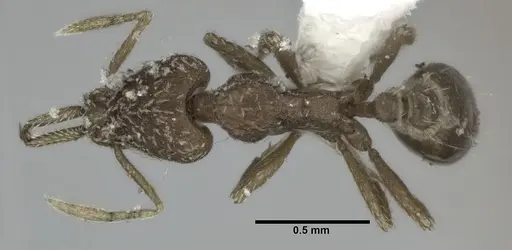
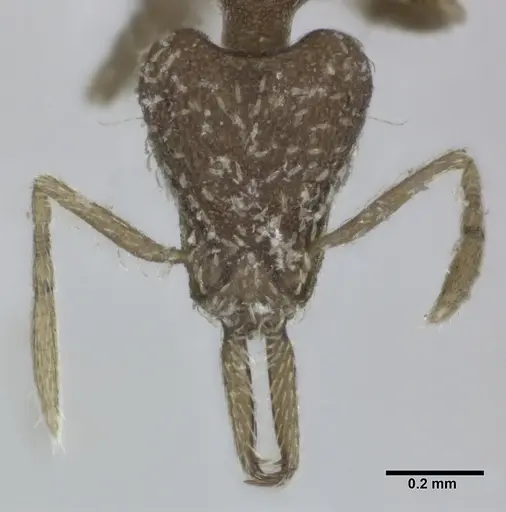
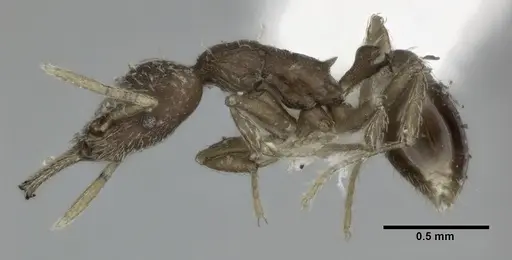
CASENT0651739
View on AntWeb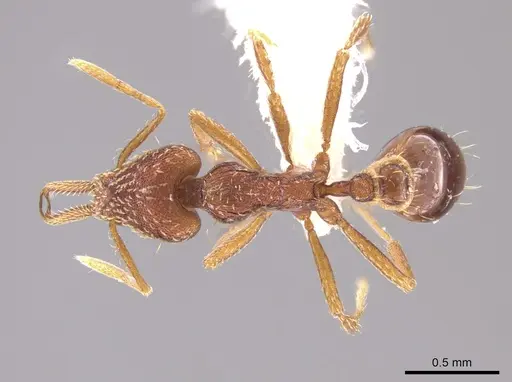
CASENT0914747
View on AntWeb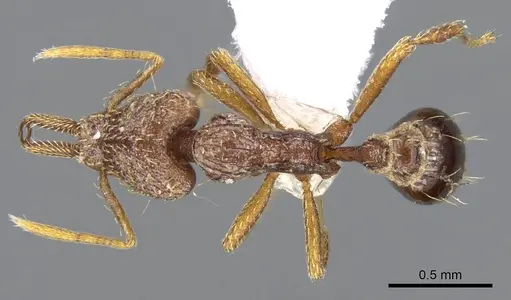
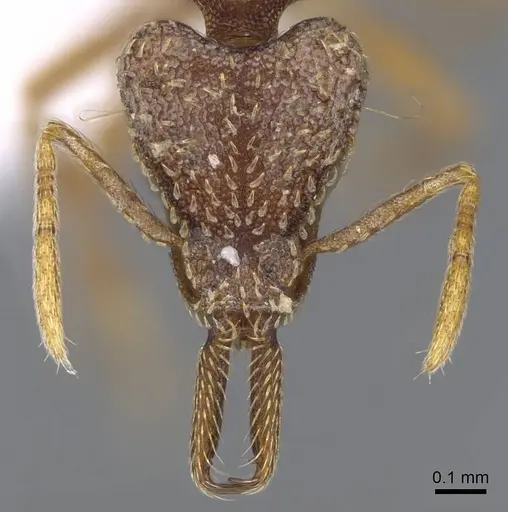
CASENT0914748
View on AntWeb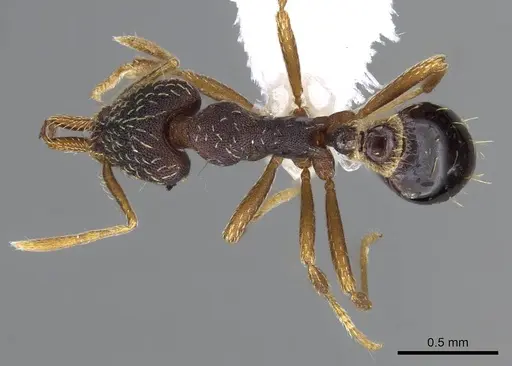
Literature
Loading distribution map...Loading products...