
Strumigenys nambao
- Sci. Name
- Strumigenys nambao
- Tribe
- Attini
- Subfamily
- Myrmicinae
- Author
- Fisher, 2000
- Distribution
- Found in 1 countries
Introduction
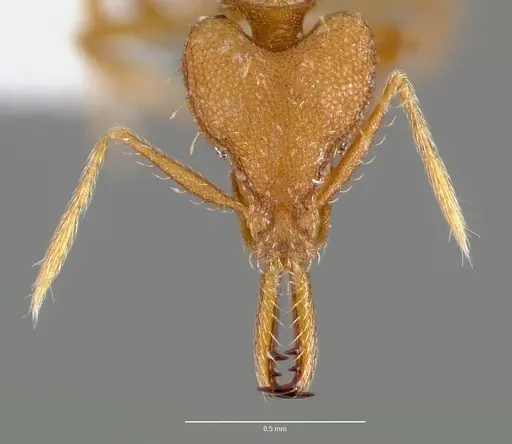
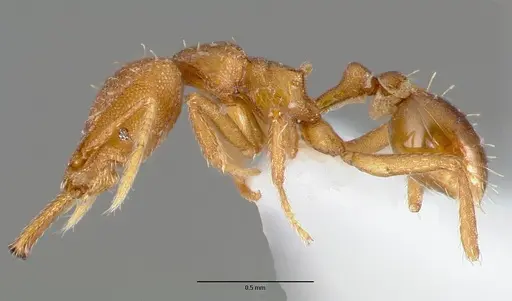
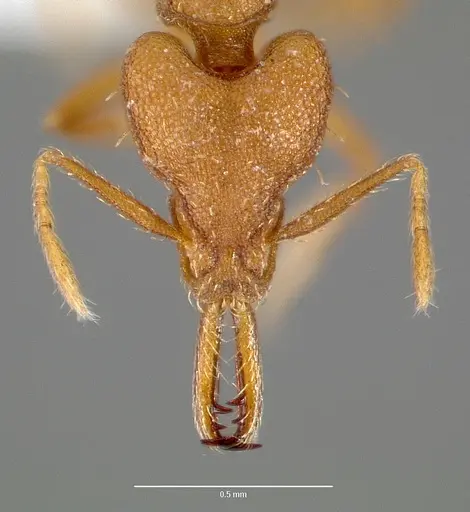
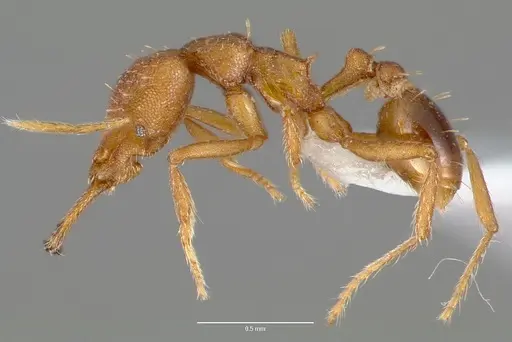
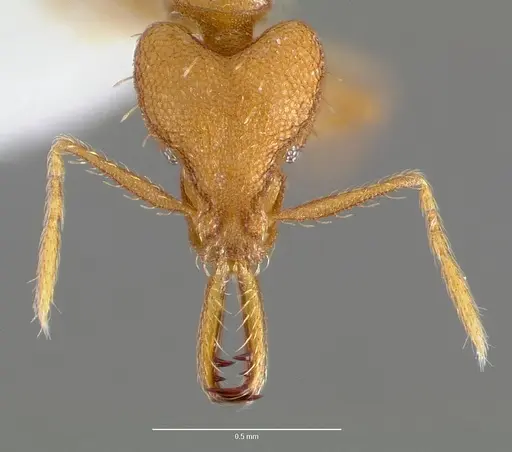
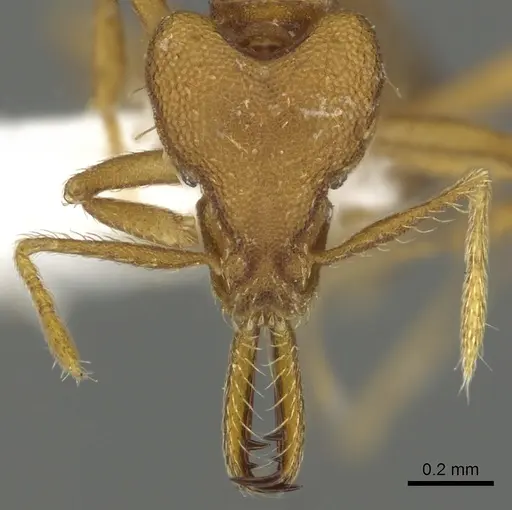
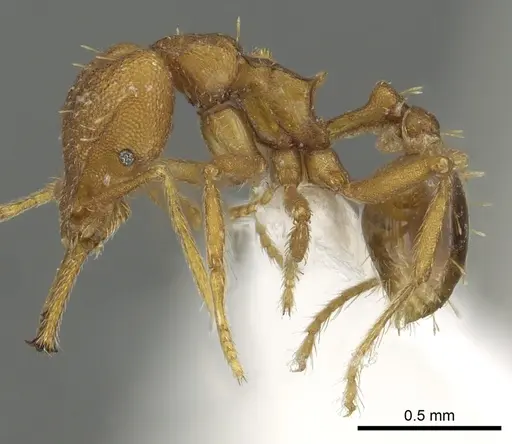
Strumigenys nambao is a tiny predatory ant native to Madagascar. Workers are estimated at 2-3mm based on genus patterns and have the characteristic trap-jaw mandibles that define the Strumigenys genus - these specialized mandibles snap shut rapidly to capture prey. They have a pale yellowish to light brown coloration. This species was collected in the Réserve Spéciale de Manongarivo at elevations between 400 and 780m, indicating it prefers humid forest floor conditions in Madagascar's eastern highlands . The genus Strumigenys contains over 800 species worldwide, all specialized predators that primarily hunt springtails and other tiny soil arthropods.
Quick Summary
- Difficulty: Hard
- Origin & Habitat: Madagascar, specifically collected in leaf litter in the Réserve Spéciale de Manongarivo at 400m and 780m elevation [1]. This elevational range suggests preference for humid, shaded forest floor microhabitats.
- Colony Type: Unconfirmed. Based on genus patterns, likely single-queen colonies (monogyne), but this has not been documented for this specific species.
- Size & Growth:
- Queen: Estimated 4-5mm based on genus Strumigenys morphology patterns
- Worker: Estimated 2-3mm based on genus Strumigenys morphology patterns
- Colony: Unknown for this species. Related Strumigenys species typically form colonies up to 500 workers.
- Growth: Likely slow to moderate, specialized predators typically grow more slowly than omnivorous ants.
- Development: Estimated 8-12 weeks based on typical Strumigenys development patterns at tropical temperatures (Development time is inferred from genus-level data, not directly studied for this species. Temperature-dependent, warmer conditions may accelerate development.)
- Antkeeping:
- Temperature: Keep in the low-to-mid 20s°C (22-26°C is a good starting range). Based on the Madagascar highland location (400-780m elevation), they likely prefer warm but not hot conditions. Avoid temperatures above 28°C and direct sunlight.
- Humidity: High humidity is essential, these are forest floor ants from humid Madagascar habitats. Keep the nest substrate consistently moist but not waterlogged. Aim for high ambient humidity in the nest area.
- Diapause: Likely no true diapause. As a tropical species from Madagascar, they probably remain active year-round with slightly reduced activity in cooler months.
- Nesting: In nature they nest in leaf litter and rotting wood fragments on the forest floor. In captivity, a naturalistic setup with moist substrate (like a terrarium style) or a well-humidified plaster, Y-tong, or soil nest works best. They need tight chambers and minimal open space. Avoid acrylic or glass nests as they do not hold humidity well.
- Behavior: Strumigenys nambao is a specialized predator that hunts using its trap-jaw mandibles. They are not aggressive and rarely sting, their primary defense is escape into substrate. Workers are slow-moving and spend most of their time hunting through leaf litter and soil. Because of their tiny size, escape prevention is critical, they can squeeze through remarkably small gaps. They are cryptobiotic, preferring to stay hidden in humid microenvironments rather than forage in open spaces.
- Common Issues: specialized diet makes them difficult to keep, they need live springtails or other tiny arthropods, which are hard to culture and source., high humidity requirements make them prone to mold problems if ventilation is poor., tiny size means escape prevention must be excellent, use fine mesh (0.3mm or smaller) on ventilation and gaps., slow growth and small colony sizes make them less rewarding for beginners expecting rapid expansion., they are not active foragers, prey must be placed near workers or they may not detect it.
Housing and Nest Setup
Strumigenys nambao requires a setup that maintains high humidity while providing hunting opportunities. A naturalistic terrarium-style setup works best, use a shallow container filled with moist soil or coconut fiber, with leaf litter and small pieces of rotting wood on top. This mimics their natural forest floor habitat. Alternatively, a small plaster, Y-tong, or soil nest with consistently moist chambers can work, but ensure the chambers are appropriately sized for their tiny 2-3mm workers. The nest area should have minimal open space, these ants feel secure in tight crevices. Cover any ventilation holes with fine mesh (at least 0.3mm) to prevent escapes. [1]
Feeding and Diet
This is the biggest challenge with keeping Strumigenys nambao. They are obligate predators that specialize in hunting springtails (Collembola) and other tiny soil arthropods. Unlike many ants that accept a variety of foods, Strumigenys cannot survive on sugar water or protein scraps alone. You will need to culture live springtails or obtain them regularly. Other potential prey includes tiny booklice (psocids), dust mites, and other micro-arthropods. Place prey directly on the substrate near workers, as they are not active foragers and may not detect food placed far away. Do not offer standard ant foods like mealworms or honey, these are far too large.
Temperature and Seasonal Care
Maintain temperatures in the low-to-mid 20s°C (22-26°C is a good range). The species was collected at 400-780m elevation in Madagascar, which suggests they prefer warm but not extreme conditions. Room temperature in most homes should work, but you may need a small heating mat on one side of the nest during cooler months. They do not require hibernation or diapause, as a tropical species, they remain active year-round. However, you may notice reduced activity during winter if room temperatures drop significantly. Avoid temperatures above 28°C and direct sunlight, which can quickly dry out their humid habitat.
Behavior and Handling
Strumigenys nambao workers are slow-moving and non-aggressive. Their primary defense mechanism is their trap-jaw mandibles, which they use to snap shut on prey, these mandibles give the genus its name. They will not bite humans aggressively and rarely attempt to sting. However, because of their tiny size, they can easily escape through gaps that would hold larger ants. Always use fine mesh on any ventilation and check for gaps in your setup. Workers spend most of their time hunting through the substrate rather than climbing on decorations, so you may not see them frequently. This is normal behavior, they are cryptobiotic ants that prefer dark, humid microhabitats.
Frequently Asked Questions
Can I keep Strumigenys nambao in a test tube?
A test tube setup is not ideal for this species. They require high humidity and a naturalistic hunting environment. A small naturalistic terrarium or a humidified plaster or soil nest works better. If using a test tube, you would need to provide a moist cotton ball and add leaf litter or small substrate pieces for hunting surfaces, but this setup is challenging to maintain long-term.
What do Strumigenys nambao eat?
They are specialized predators that need live springtails or other tiny arthropods. Standard ant foods like honey or mealworms are not appropriate. You will need to culture springtails or purchase them regularly. Place prey directly on the substrate near workers.
How long until first workers in Strumigenys nambao?
Based on typical Strumigenys development, expect 8-12 weeks from egg to first worker at warm temperatures (24-26°C). This is an estimate as development has not been directly studied for this species. Growth is typically slow compared to omnivorous ant species.
Are Strumigenys nambao good for beginners?
No, this species is not recommended for beginners. Their specialized diet (requiring live springtails), high humidity needs, and tiny size make them challenging to keep successfully. They are best suited for experienced antkeepers who can provide the specific conditions they require.
How big do Strumigenys nambao colonies get?
Colony size is not documented for this species. Based on related Strumigenys species, colonies likely reach up to 500 workers at maturity. They are not large colony-forming ants.
Do Strumigenys nambao need hibernation?
No, they likely do not require hibernation. As a tropical species from Madagascar, they probably remain active year-round with slightly reduced activity during cooler periods.
Why are my Strumigenys nambao dying?
The most common causes are: improper diet (not providing live springtails), low humidity, or escapes due to inadequate barriers. Also check for mold issues from overwatering. These ants have specific requirements that must be met consistently.
When should I move Strumigenys nambao to a formicarium?
Wait until the colony is well-established, e.g., several dozen workers, before considering any move. Foraging space can be minimal, a small naturalistic setup often works well even for established colonies. Avoid disturbing them frequently.
Can I keep multiple queens together?
Colony structure has not been documented for this species. Based on typical Strumigenys behavior, single-queen colonies are most likely. Combining unrelated queens is not recommended as it has not been studied for this species.
Report an Issue
The current care sheet is based fully on literature. See inconsistencies, or something that's incorrect? Please , it will be resolved after review from an admin. Contributing to the blogs tab also helps providing information, to make us be able to further improve the caresheets. Thank you for your support!
References

This caresheet is licensed under CC BY-SA 4.0 .
Community Blogs
CASENT0005609
View on AntWeb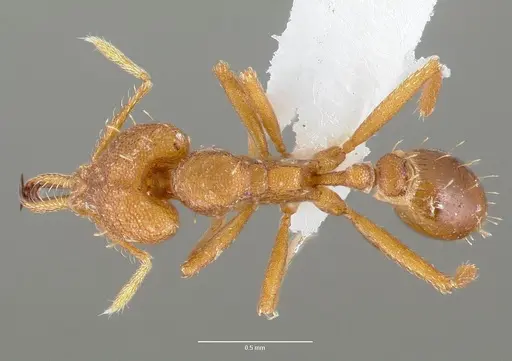
CASENT0005610
View on AntWeb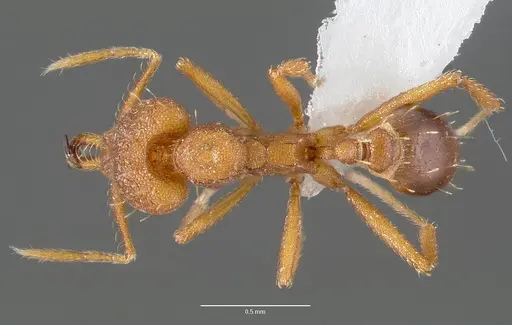
CASENT0005611
View on AntWeb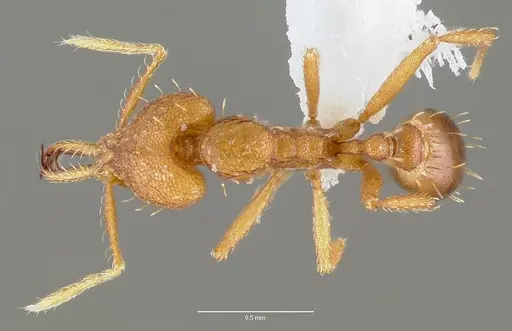
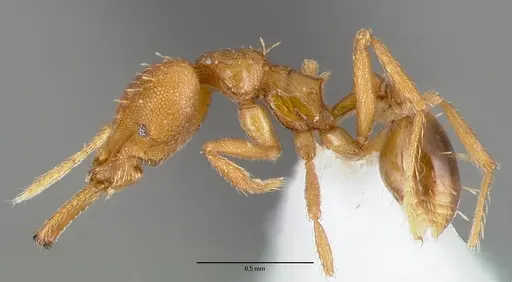
CASENT0005612
View on AntWeb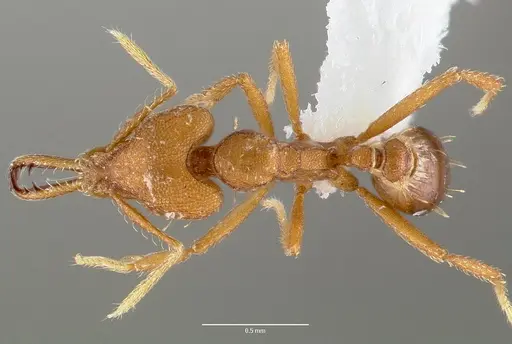
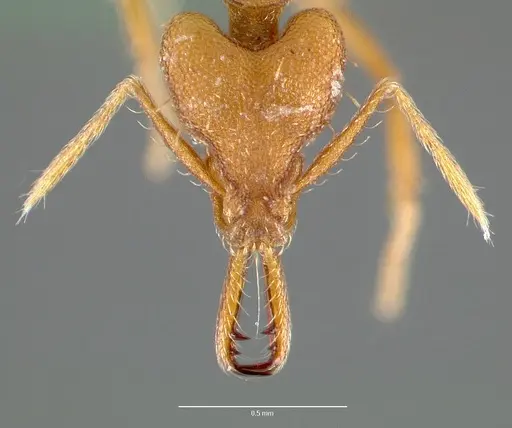
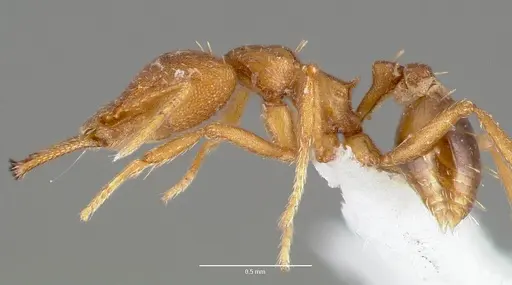
CASENT0900710
View on AntWeb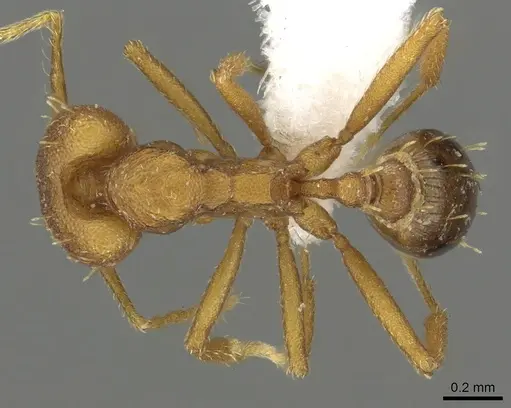
Literature
Loading distribution map...Loading products...