
Strumigenys minutula
- Sci. Name
- Strumigenys minutula
- Tribe
- Attini
- Subfamily
- Myrmicinae
- Author
- Terayama & Kubota, 1989
- Distribution
- Found in 2 countries
Introduction
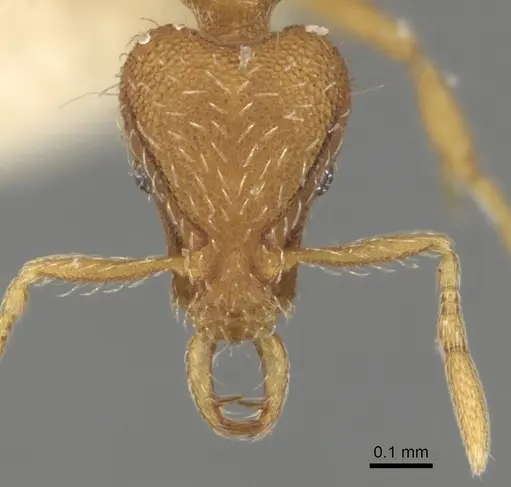
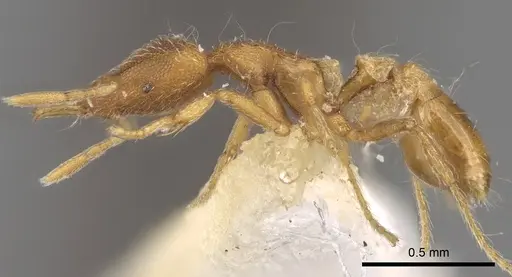
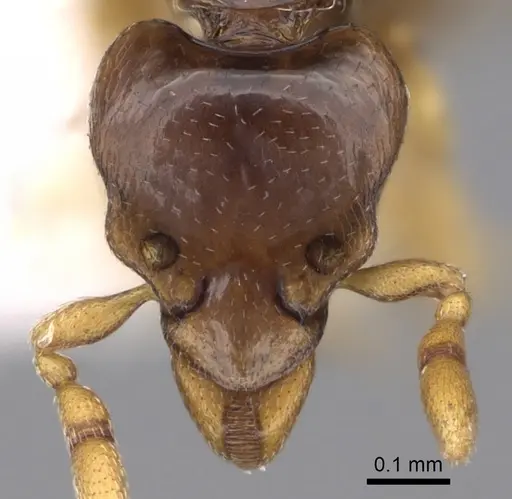
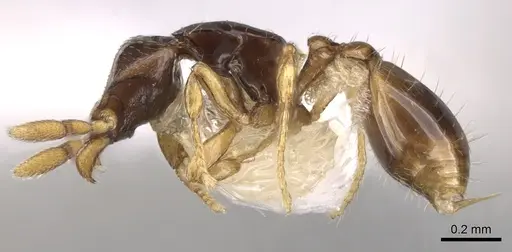
Strumigenys minutula is a tiny predatory ant from the tribe Attini. Workers measure just 1.5-2 mm in length, with a brown body and relatively short, strongly convex mandibles that give them a distinctive look under magnification . They are native to East Asia, with confirmed populations in Japan (Ryukyu Islands), Taiwan, Hong Kong, Macau, and southern China, where they live in forests, grasslands, sugarcane fields, and leaf litter at elevations from 29 to 475 m . What makes this species stand out is its polygynous colony structure - multiple queens coexist in a single nest, and wild colonies can reach around 300 workers . They are specialized predators that hunt tiny invertebrates like springtails using rapid mandible strikes. Research has also shown that unfertilized queens can produce male offspring through parthenogenesis, though this is not a typical reproduction strategy .
Quick Summary
- Difficulty: Expert
- Origin & Habitat: East Asia, Japan (Ryukyu Islands), Taiwan, Hong Kong, Macau, and southern China. Found in forests, grasslands, sugarcane fields, and leaf litter at elevations 29-475 m [1][3][4].
- Colony Type: Polygynous, multiple dealate queens coexist and work together in a single nest, with functional polygyny confirmed from wild colonies [3][5].
- Size & Growth:
- Queen: Size data unavailable for queens. Workers measure 1.5-2 mm [1][2].
- Worker: 1.5-2 mm [1][2]
- Colony: Up to 300 workers in mature colonies [3][5]
- Growth: Slow
- Development: Estimated 8-12 weeks based on related Strumigenys species (Exact development time unconfirmed for S. minutula. Expect slower growth than many Myrmicinae due to small colony size and specialized biology.)
- Antkeeping:
- Temperature: Based on their subtropical native habitat, keep at 24-28°C. Provide a gentle heating gradient so the colony can regulate [1].
- Humidity: High humidity preferred, keep the nest substrate consistently moist but not waterlogged, mimicking damp forest floor conditions [1].
- Diapause: No, this species is active year-round in its subtropical range. Maintain warm conditions throughout the year [1][4].
- Nesting: In nature they nest under stones or in soil [1]. In captivity, a plaster or Y-tong nest with tight, humid chambers scaled to their tiny size works well. Avoid dry conditions.
- Behavior: These ants are specialized predators that hunt micro-arthropods. They are generally docile and non-aggressive toward keepers. They have a functional stinger (common to the Attini tribe) but rarely use it defensively due to their small size. Escape prevention is critical, their minute size means they can squeeze through standard barriers, so use fine mesh and tight-fitting lids.
- Common Issues: escape prevention is critical, they are extremely small and can slip through tiny gaps, specialized diet requires live micro-prey, they will not accept sugar water or dead protein, slow colony growth can frustrate keepers expecting rapid development, wild-caught colonies may carry mites or parasites, a mite was found attached to a queen in Macau [5], overfeeding with inappropriate prey can cause mold issues in small humid nests
Housing and Nest Setup
Because S. minutula is so tiny, careful housing is needed. A test tube setup works for founding, but you may need to use smaller tubes or pack cotton tightly to prevent flooding. For established colonies, use a plaster or Y-tong nest with tight, low-ceiling chambers scaled to their 1.5-2 mm body size. The nest must maintain high humidity, think damp forest floor conditions. Avoid large open spaces, these ants feel secure in compact chambers. Cover any ventilation holes with fine mesh, as they can squeeze through standard mesh. Connect a small outworld for feeding without disturbing the nest. [3][5]
Feeding and Diet
This is the most critical part of keeping S. minutula. They are specialized predators that hunt live micro-arthropods, primarily springtails and tiny soil mites found in leaf litter [1]. They will NOT accept sugar water, honey, or dead protein. Their mandibles are designed for capturing small moving prey. Offer live springtails every few days in amounts the colony can consume within 24-48 hours to prevent mold. Some keepers also use fruit flies if they are small enough. Never overfeed, excess prey dying in the nest creates serious mold problems in these tiny colonies.
Temperature and Seasonal Care
Keep your colony at 24-28°C year-round. These subtropical ants come from warm regions in Japan, Taiwan, and southern China where temperatures rarely drop significantly [4]. Unlike temperate species, they do not need hibernation or diapause. Maintain consistent warmth, avoid cold drafts and keep the nest away from windows in winter. A small heating cable on one side can create a gentle gradient, but make sure it does not dry out the substrate. Room temperature in a heated home (around 24-26°C) is often suitable. Monitor humidity closely when using heat.
Colony Structure and Growth
S. minutula is polygynous, colonies naturally have multiple queens. Documented wild colonies contain 2-3 dealate queens working together, and colony sizes can reach 300 workers [3][5]. A colony collected in Hong Kong had 3 queens,47 workers,97 pupae, and 80 larvae [3]. Another in Macau had 2 queens,135 workers,8 larvae, and 12 pupae [5]. Multiple egg-layers may speed growth, but overall development remains slow relative to common ant species. Expect colony growth over months and years rather than weeks.
Handling and Temperament
These ants are docile and rarely aggressive. They have a functional stinger (common to the Attini tribe) but due to their tiny size the sting is barely noticeable to humans, more a brief prick than real pain. They are not defensive and will typically flee rather than attack. Their small size makes them fragile, so avoid direct handling. When you need to move them, use gentle techniques like coaxing them into a test tube. They are best as 'watch from a distance' ants, the most interesting behavior is watching them hunt springtails with rapid mandible strikes.
Common Problems and Solutions
The biggest challenge is their specialized diet, you MUST provide live micro-prey, especially springtails. Second, escape prevention requires fine mesh and tight seals because they are so small. Third, mold is a serious issue in humid nests, remove uneaten prey promptly and ensure ventilation. Fourth, wild colonies may carry mites, a mite was found on a queen in Macau [5]. Quarantine new colonies before placing them near established setups. Finally, patience is essential, these are slow-growing ants.
Frequently Asked Questions
Can I keep Strumigenys minutula in a test tube?
Yes, test tubes work well for founding colonies. However, because they are so tiny you may need smaller tubes or pack cotton tightly to create a smaller water reservoir and prevent flooding. As the colony grows, move them to a plaster or Y-tong nest with tight chambers.
What do Strumigenys minutula ants eat?
They eat live micro-arthropods, primarily springtails and tiny soil mites. They will NOT accept sugar water, honey, fruit, or dead protein. Their mandibles are designed for capturing small moving prey. Offer live springtails every few days and remove uneaten prey within 48 hours to prevent mold.
How long does it take for Strumigenys minutula to produce first workers?
Exact timing is unconfirmed, but based on related Strumigenys species, expect 8-12 weeks from egg to worker at 24-28°C. Colony growth is slow, it may take many months to reach 10-20 workers and years to reach 100+.
Are Strumigenys minutula good for beginners?
No, they are not recommended for beginners. Their live-prey diet, tiny size (requiring excellent escape prevention), and slow growth make them challenging. They are best for experienced keepers who can provide consistent warmth, high humidity, and a steady supply of live springtails.
How big do Strumigenys minutula colonies get?
Wild colonies can reach about 300 workers [3][5]. In captivity, expect similar maximums over time with proper care. They are polygynous, so multiple queens help sustain larger populations.
Do Strumigenys minutula need hibernation?
No, they do not need hibernation. As subtropical ants from Japan, Taiwan, and southern China, they are active year-round. Keep them warm (24-28°C) throughout the year without a cooling period [4].
Why are my Strumigenys minutula dying?
Most likely causes: incorrect diet (not live prey), escape and desiccation, mold from overfeeding or poor ventilation, or stress from disturbance. Ensure you are feeding live springtails, maintain high humidity, seal all gaps, and minimize nest disturbances. Wild colonies may also carry parasites or mites [5].
Can I keep multiple queens together in Strumigenys minutula?
Yes, this species is naturally polygynous. Wild colonies have 2-3 dealate queens co-existing [3][5]. You do not need to separate them, keeping them together is normal.
When should I move Strumigenys minutula to a formicarium?
Move them when the test tube becomes crowded or the water reservoir is depleted, typically when the colony reaches 20-30 workers. Use a small, tight-chambered nest (plaster or Y-tong) that maintains high humidity. Avoid large open spaces.
What is the best nest type for Strumigenys minutula?
Plaster or Y-tong nests with tight, low-ceiling chambers work best. They need small, humid spaces scaled to their 1.5-2 mm size. Test tubes work for founding but can flood due to their tiny proportions. Avoid large open areas.
Report an Issue
The current care sheet is based fully on literature. See inconsistencies, or something that's incorrect? Please , it will be resolved after review from an admin. Contributing to the blogs tab also helps providing information, to make us be able to further improve the caresheets. Thank you for your support!
References

This caresheet is licensed under CC BY-SA 4.0 .
Community Blogs
CASENT0280739
View on AntWeb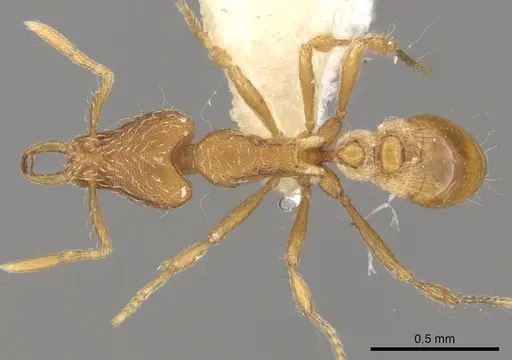
CASENT0281948
View on AntWeb
Literature
Loading distribution map...Loading products...