
Strumigenys mayri
- Sci. Name
- Strumigenys mayri
- Tribe
- Attini
- Subfamily
- Myrmicinae
- Author
- Emery, 1897
- Distribution
- Found in 3 countries
Introduction
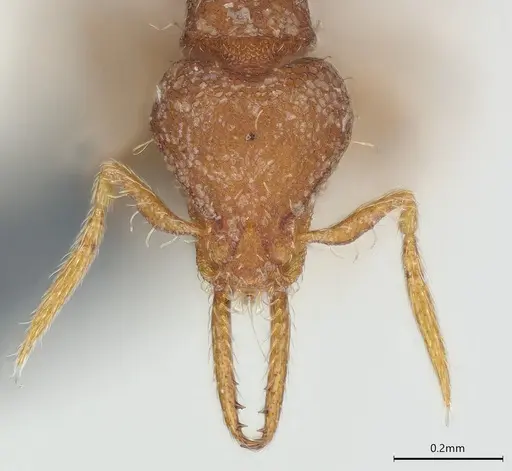
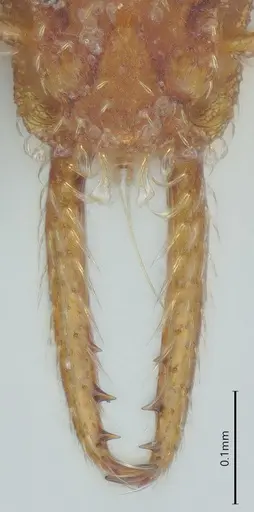
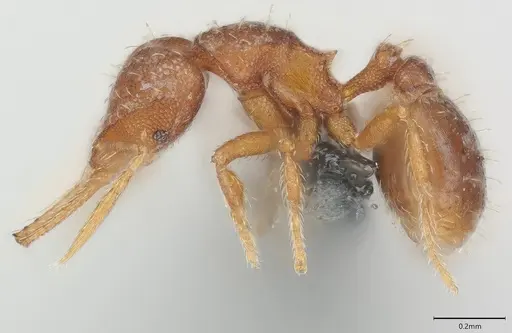
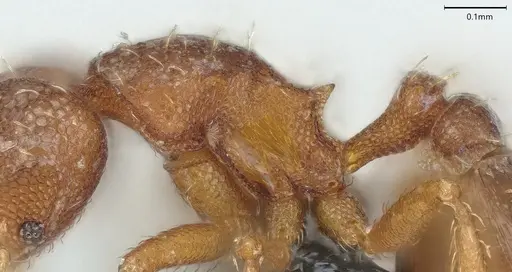
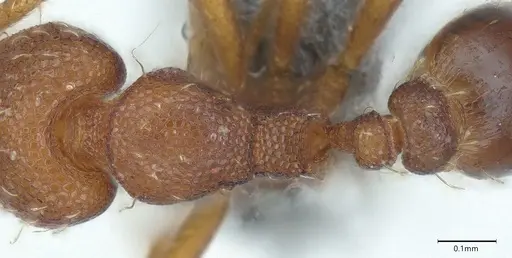
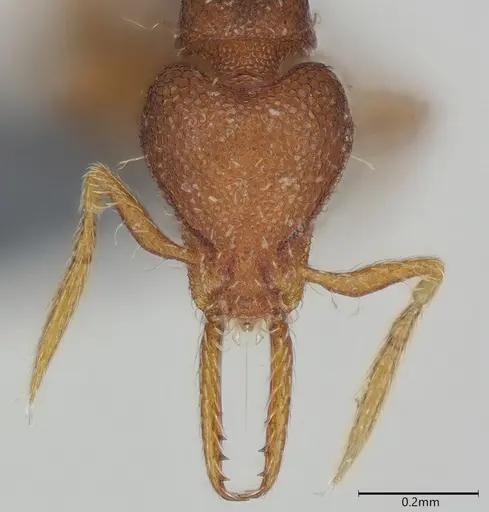
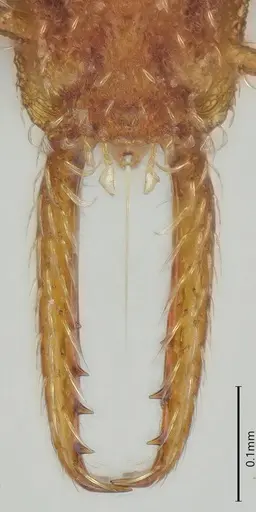
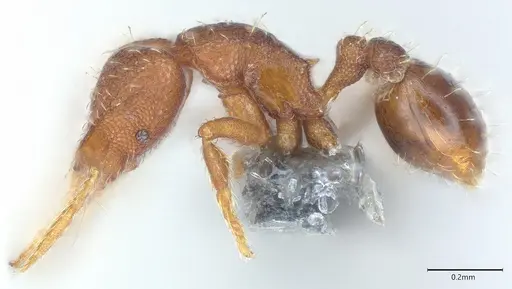
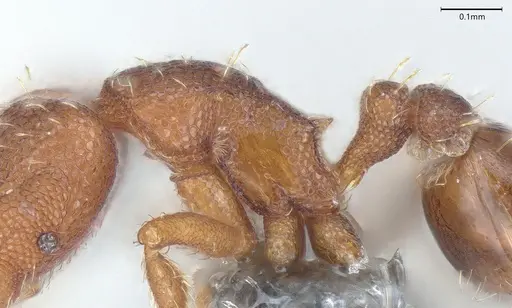
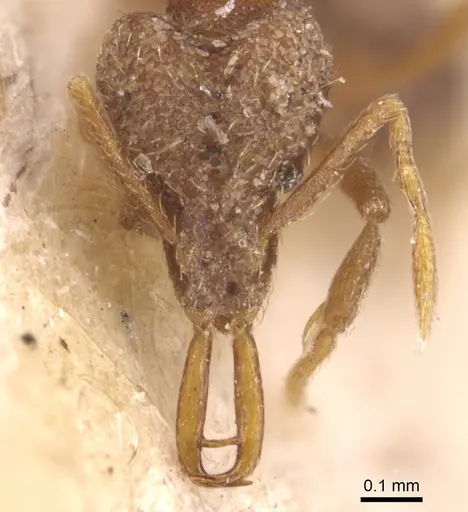
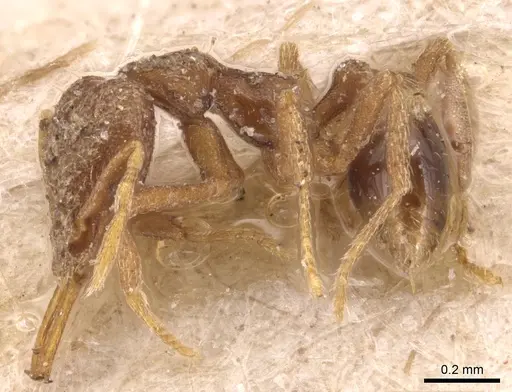
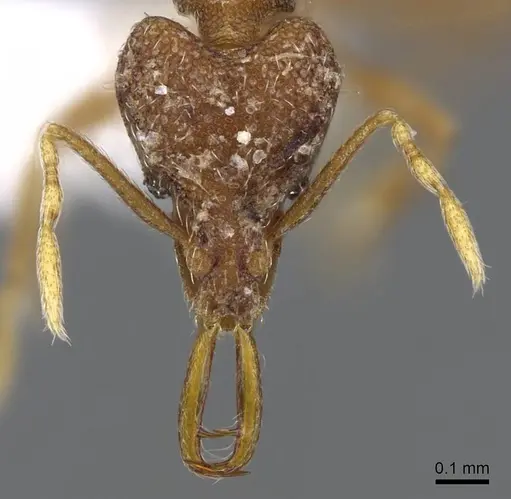
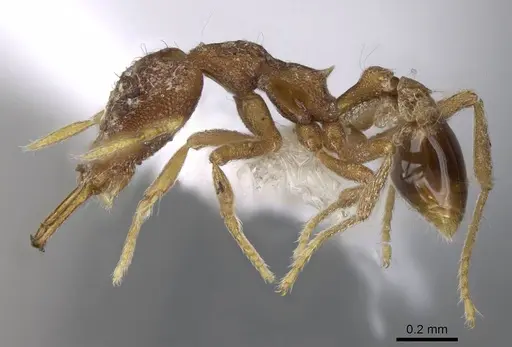
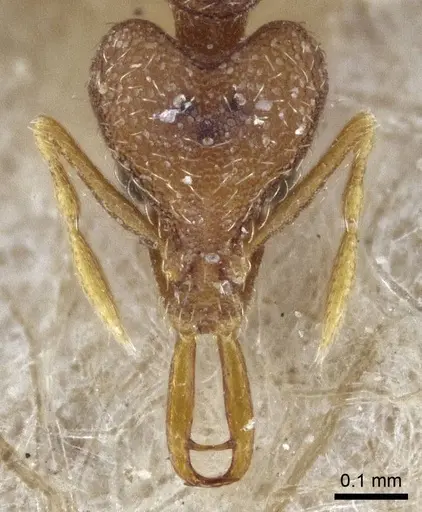
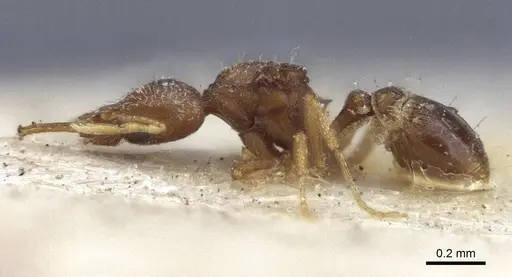
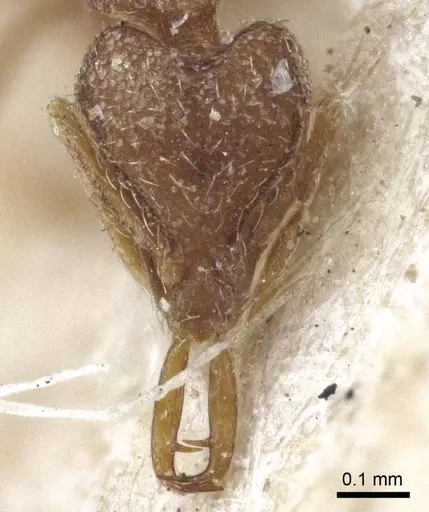
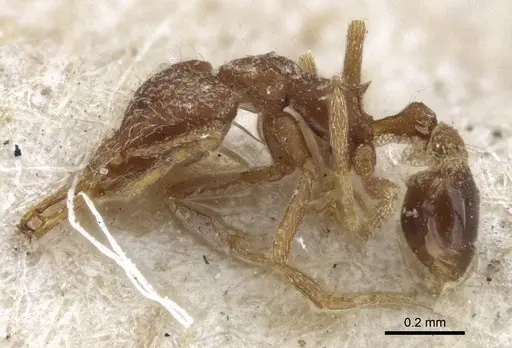
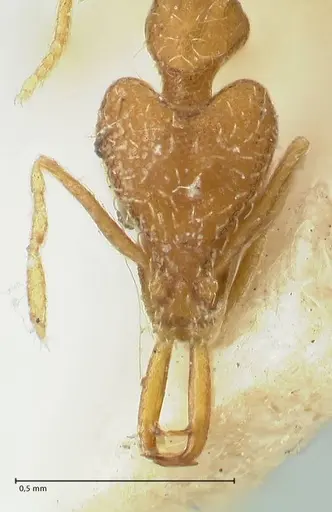
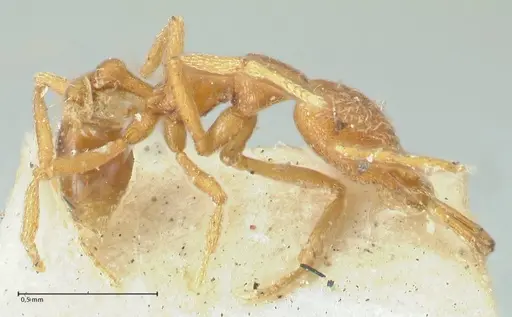
Strumigenys mayri is a tiny predatory ant native to the Australasian region, including New Guinea, northern Australia, and Micronesia. Workers measure 1.7-2.5 mm depending on population, with highland samples being the largest . The species shows considerable variation in size and coloration across its range: head and body are typically light to medium ferruginous (reddish-brown), though some highland populations are concolorous dark reddish-brown . They have distinctive fine erect hairs on the head, mesonotum, and gaster that vary from blunt-tipped to long and flagelliform depending on the population . This species belongs to the dacetine group, which are trap-jaw ants specialized for hunting small prey. Little is known about their natural history beyond their habitat and distribution, so much of their captive care is inferred from related species.
Quick Summary
- Difficulty: Expert
- Origin & Habitat: Native to New Guinea, northern Australia (Cape York Peninsula), and Micronesia (Truk, FSM Chuuk) [3][1]. In their natural range they inhabit rain forest leaf litter and rotten logs at low elevations, build nests under moss-covered rocks in moist soil at middle altitudes (around 1300 m), and are found in forest litter at high elevations (2000 m+) [1]. They prefer damp, shaded environments and have also been recorded as an introduction in Bogor Botanical Gardens, Java [2].
- Colony Type: Unknown. Likely monogyne (single queen colony) based on typical Strumigenys patterns, but not confirmed. Colony size is unknown, a few hundred workers is a plausible maximum, but no estimates exist in the literature.
- Size & Growth:
- Queen: Queen size is not documented. Based on worker sizes (1.7-2.5 mm), queens are likely slightly larger but no measurements are available [1][2].
- Worker: 1.7-2.5 mm depending on population, highland samples are largest [1][2].
- Colony: Unknown. A few hundred workers is a reasonable estimate based on typical Strumigenys colony sizes [1].
- Growth: Slow, dacetine ants develop slowly compared to many Myrmicinae.
- Development: Unknown. Based on related dacetine species, development likely takes several weeks at stable warm temperatures, but exact times are not documented. (Development is likely slow, these are small ants with specialized feeding requirements, but no captive data exists.)
- Antkeeping:
- Temperature: Unknown. Based on their tropical/subtropical origin, stable warm temperatures around 24-26°C are likely suitable. Provide a temperature gradient and observe. Avoid extremes below 20°C or above 30°C [1].
- Humidity: High humidity is essential, they come from moist leaf litter and soil [1]. Keep the nest substrate consistently damp but not waterlogged. Aim for conditions similar to a damp forest floor.
- Diapause: Unknown. As a tropical/subtropical species, they likely do not require winter hibernation, but this has not been confirmed. Maintain stable temperatures year-round.
- Nesting: Provide a moist nest with tight chambers. Test tubes with water reservoirs or plaster nests work well. Natural nests are in rotting wood, under moss-covered rocks, and in leaf litter [1]. Avoid dry, airy setups.
- Behavior: These ants are tiny and docile, relying on their small size and cryptic behavior for defense. Workers move slowly and forage individually through leaf litter. Their sting is present but not medically significant (subfamily Myrmicinae, tribe Attini). Escape prevention is critical, they can squeeze through gaps as small as 0.5 mm.
- Common Issues: tiny size means escapes are likely without fine mesh barriers, desiccation is a major risk, they need high humidity at all times, slow growth can frustrate beginners who overfeed or disturb the colony, dietary requirements are unknown, they likely need tiny live prey, but feeding must be trial-and-error, wild-caught colonies may have parasites or unknown pathogens
Housing and Nest Setup
Strumigenys mayri requires a humid nest setup. In the wild they nest in rotten logs, under moss-covered rocks, and in leaf litter [1]. Test tubes with water reservoirs work well for small colonies, the moisture wicks through the cotton and maintains humidity. For larger colonies, a plaster nest or a soil-based setup with a water chamber can be used. Chambers should be small and tight-fitting, these ants feel secure in compact spaces. Avoid large open areas that can cause stress or escape. Cover all ventilation holes with fine mesh (gaps smaller than 0.5 mm) as these ants are tiny escape artists. Keep the nest dark or covered, as they prefer dim conditions similar to their natural leaf litter habitat.
Feeding and Diet
Dietary habits are not documented for Strumigenys mayri. As a dacetine trap-jaw ant, it likely preys on small soil arthropods. Offer tiny live prey such as springtails, booklice, or fruit fly larvae, and observe acceptance. It is unknown whether they accept sugar sources. Do not rely on standard ant foods, provide a varied diet of live microinvertebrates and monitor what they take. Remove uneaten prey after 24-48 hours to prevent mold. Foundress queens may need feeding once workers are present, but no specific guidance exists. Keepers should be prepared for trial and error.
Temperature and Humidity
Specific temperature requirements are unknown. Based on their natural habitats in moist leaf litter and under moss-covered rocks in tropical and subtropical regions [1], stable warmth around 24-26°C is likely optimal. Use a heating cable on one side to create a gradient, but avoid temperatures above 30°C or below 20°C for extended periods. Humidity is critical, maintain high humidity (substrate consistently damp, not waterlogged). Mist the outworld occasionally but avoid flooding the nest. A water source in the outworld helps maintain humidity through evaporation. These ants desiccate quickly in dry conditions.
Behavior and Observation
Strumigenys mayri is a docile, slow-moving ant. Workers forage individually, using their trap-jaw mandibles to capture tiny prey. They are not aggressive toward keepers and their sting is not medically significant (subfamily Myrmicinae, tribe Attini). Colonies stay clustered in the nest, with foragers emerging to hunt in the outworld. Males have been collected in wild nests [1], but colony reproduction is poorly understood. Their small size and slow movement make them fascinating to observe, but extreme care must be taken to prevent escapes through tiny gaps.
Colony Founding
Colony founding behavior is unknown for this species. Most dacetine ants are thought to found independently (claustral), but this has not been confirmed for Strumigenys mayri. If a queen is found, keep her in a humid, dark setup (e.g., test tube with water reservoir) and do not disturb her. It is unknown whether queens need feeding during founding. Patience is essential, development times are not documented. Handle all wild queens carefully, as they may be stressed by unnatural conditions.
Frequently Asked Questions
Can I keep Strumigenys mayri in a test tube?
Test tubes work well for small colonies. Use a water reservoir and seal the opening with fine mesh to prevent escapes. Keep the tube dark and humid [1].
How long until first workers with Strumigenys mayri?
This is unknown. Development time has not been documented. Based on related species, it may take several weeks, but no precise estimate exists.
What do Strumigenys mayri eat?
Diet is unconfirmed. They likely hunt tiny arthropods such as springtails and booklice. Offer a variety of live microinvertebrates and observe acceptance. Their response to sugars is unknown.
Are Strumigenys mayri good for beginners?
No, they are expert-level. Their tiny size, unknown dietary needs, high humidity requirement, and poor understanding of their biology make them unsuitable for beginners.
How big do Strumigenys mayri colonies get?
Unknown. A few hundred workers is a reasonable estimate based on related dacetine species, but no colony size has been recorded in the wild or captivity.
Do Strumigenys mayri need hibernation?
Unknown. As a tropical/subtropical species, they likely do not require winter diapause, but this has not been studied. Keep temperatures stable year-round.
Why are my Strumigenys mayri dying?
Common causes in unknown species include desiccation (too dry), starvation (inappropriate diet), or stress. Ensure high humidity, offer varied tiny live prey, and avoid disturbing the colony. No specific diagnosis is possible.
When should I move Strumigenys mayri to a formicarium?
Unknown. Keep them in a test tube until it becomes crowded, but no guidelines exist. Use a small, humid setup with tight chambers when upgrading.
Can I keep multiple queens together?
Unknown. Polygyny has not been recorded for this species. It is safest to keep single queens or wild-collected multi-queen colonies as found, but do not combine unrelated queens.
Report an Issue
The current care sheet is based fully on literature. See inconsistencies, or something that's incorrect? Please , it will be resolved after review from an admin. Contributing to the blogs tab also helps providing information, to make us be able to further improve the caresheets. Thank you for your support!
References

This caresheet is licensed under CC BY-SA 4.0 .
Community Blogs
CASENT0374684
View on AntWeb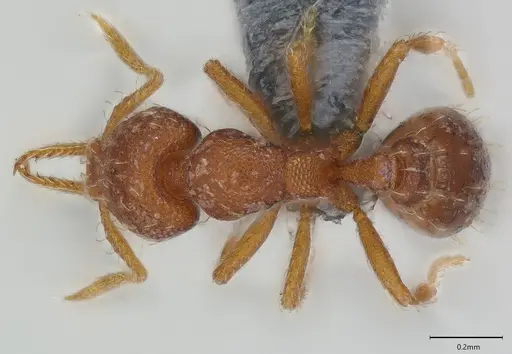
CASENT0374950
View on AntWeb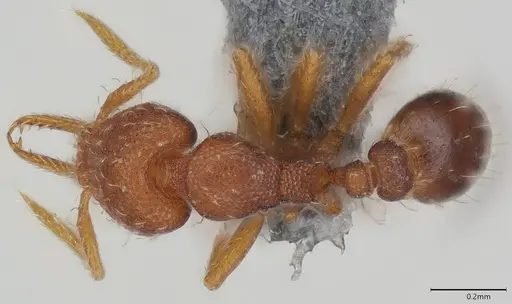
CASENT0904945
View on AntWeb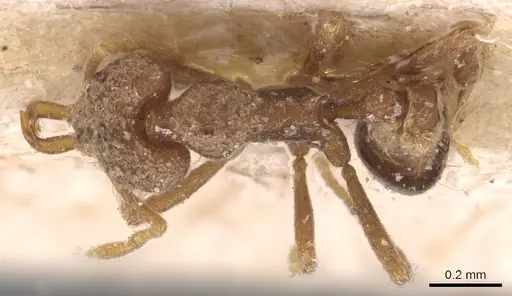
CASENT0914846
View on AntWeb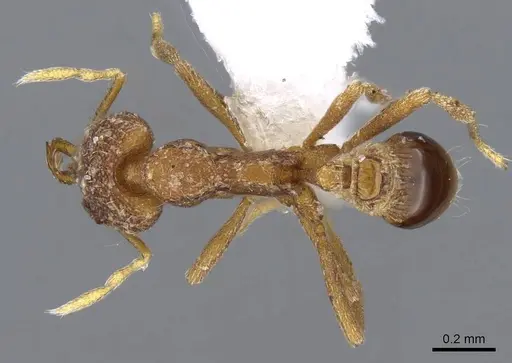
CASENT0916688
View on AntWeb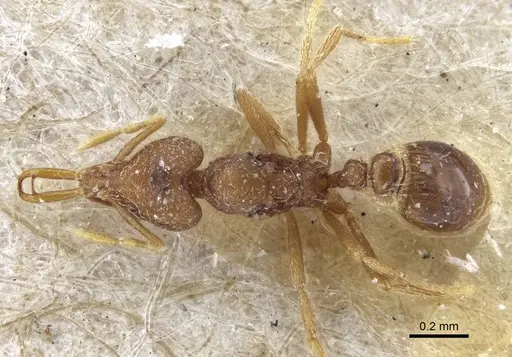
CASENT0916689
View on AntWeb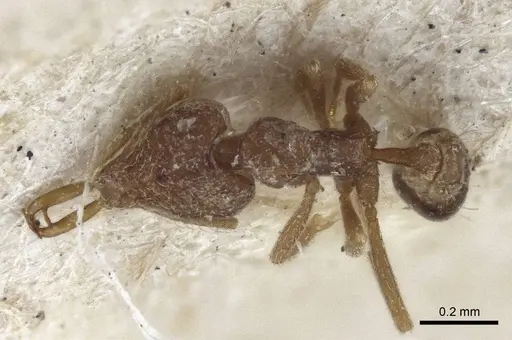
FOCOL2157
View on AntWeb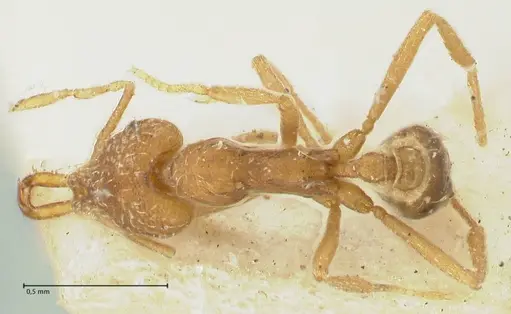
Literature
Loading distribution map...Loading products...