
Louisiana Pygmy Snapping Ant
Strumigenys louisianae
- Sci. Name
- Strumigenys louisianae
- Tribe
- Attini
- Subfamily
- Myrmicinae
- Author
- Roger, 1863
- Common Name
- Louisiana Pygmy Snapping Ant
- Distribution
- Found in 10 countries
Introduction
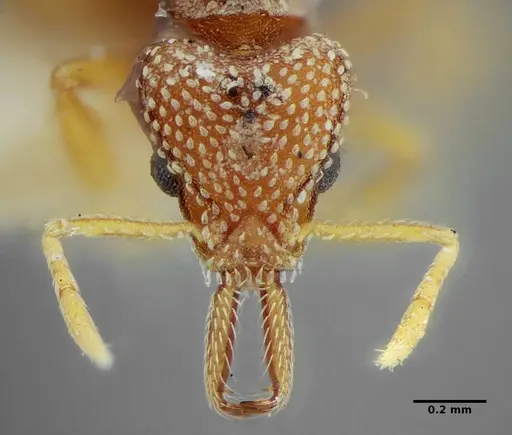
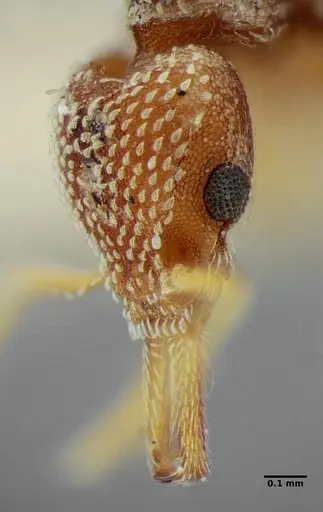
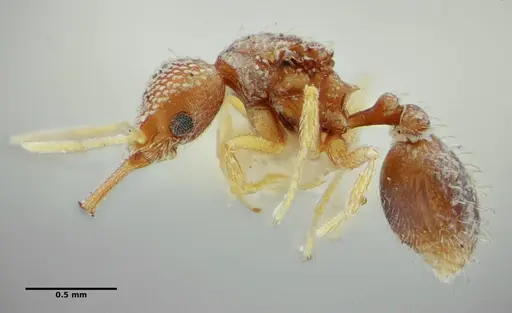
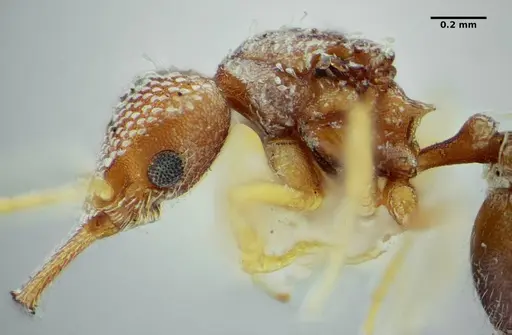
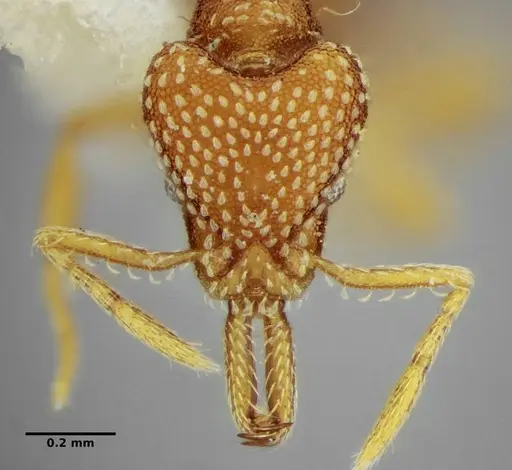
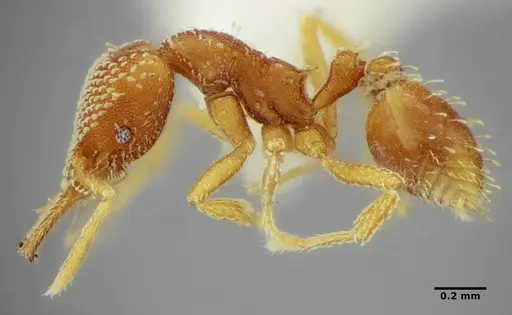
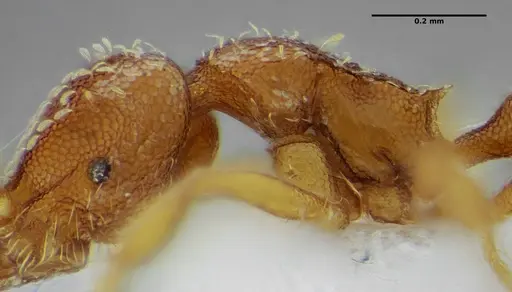
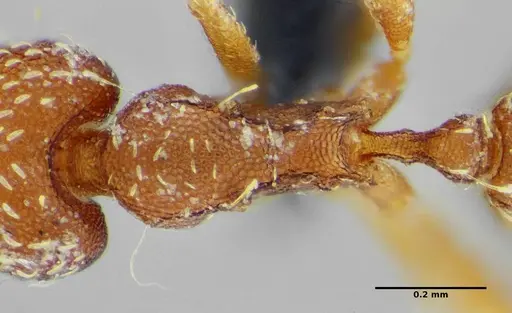
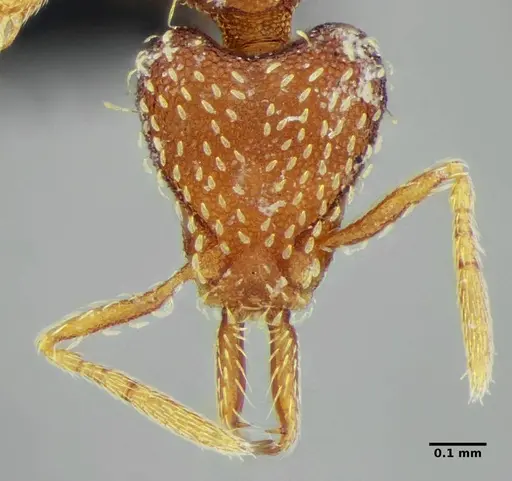
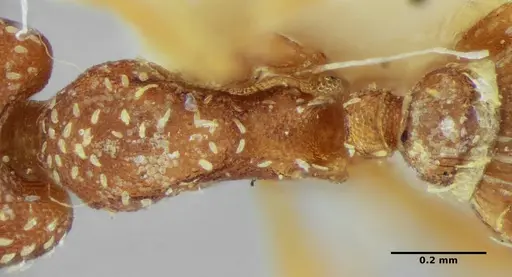
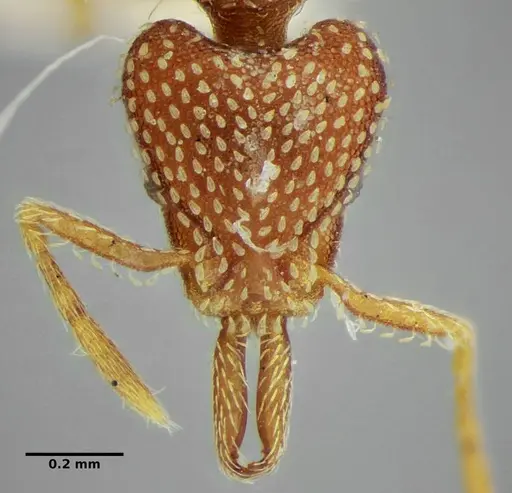
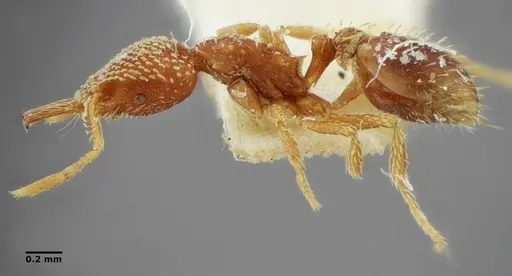
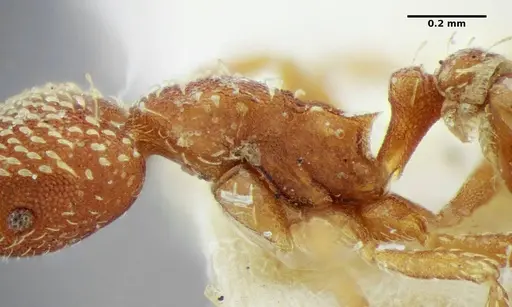
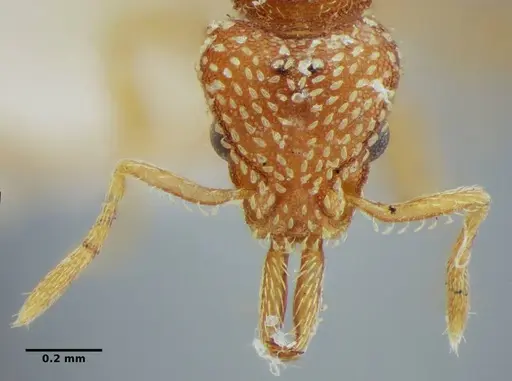
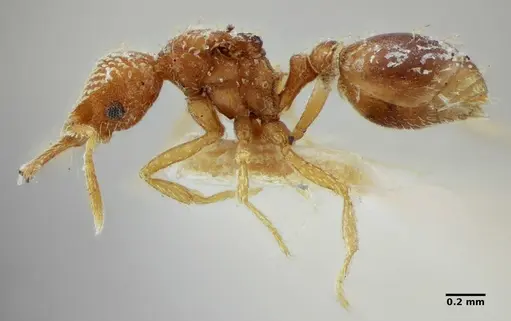
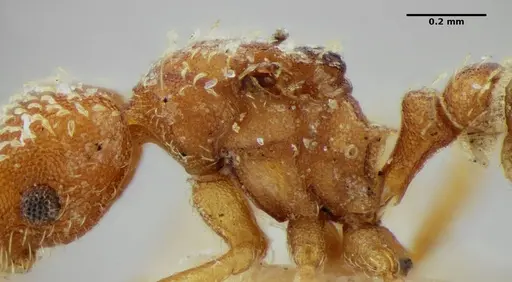
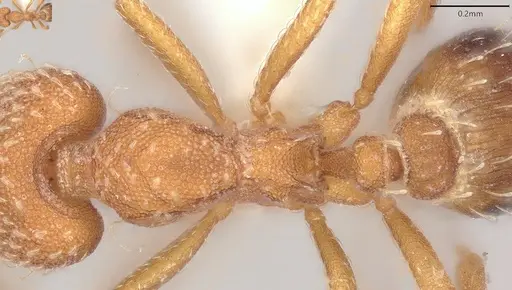
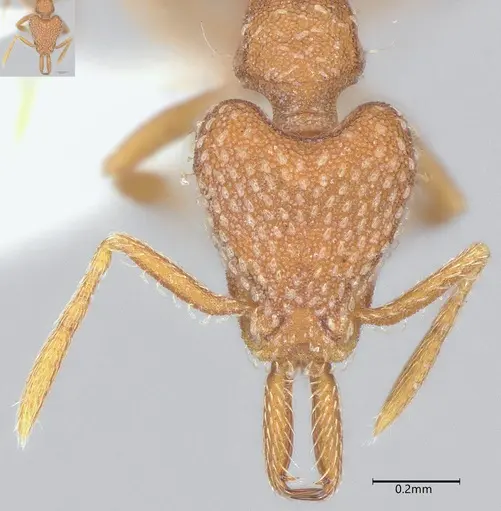
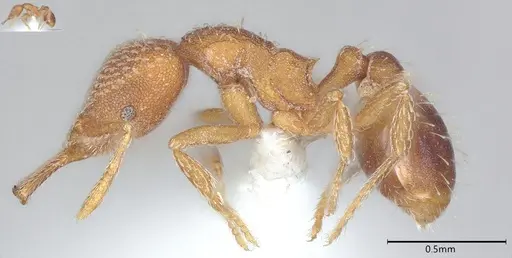
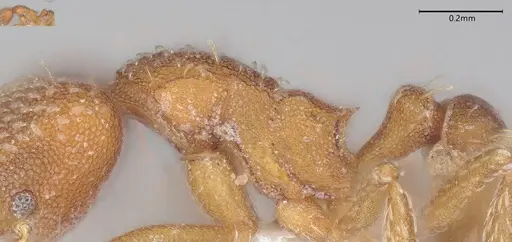
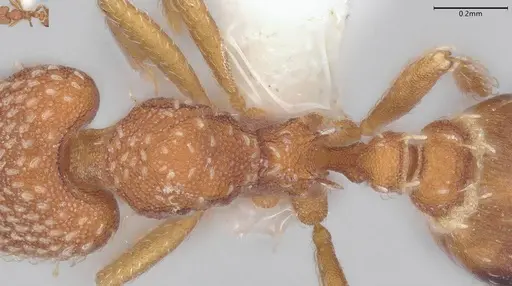
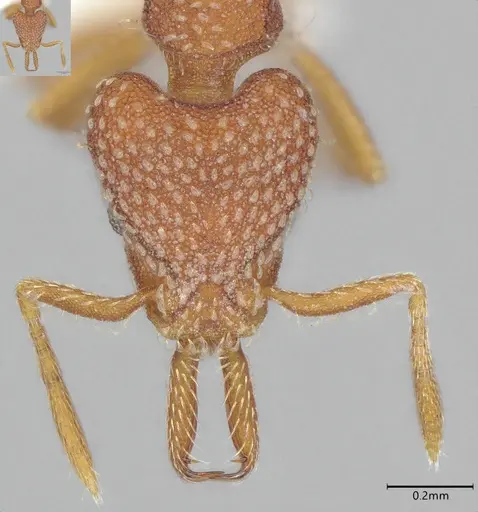
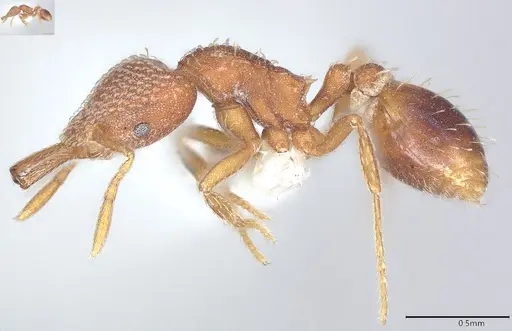
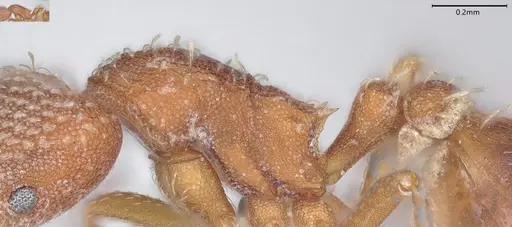
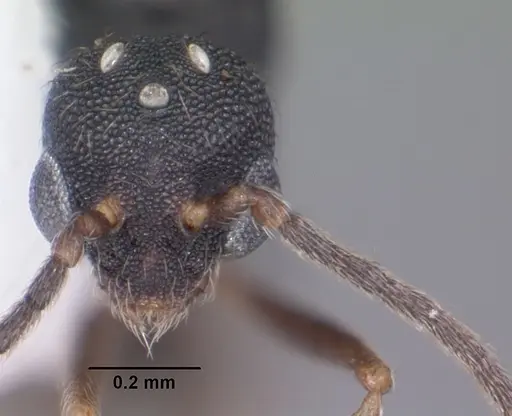
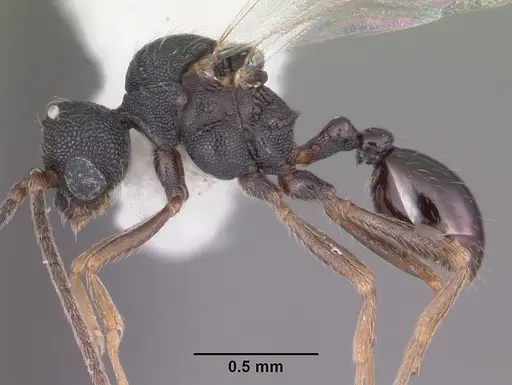
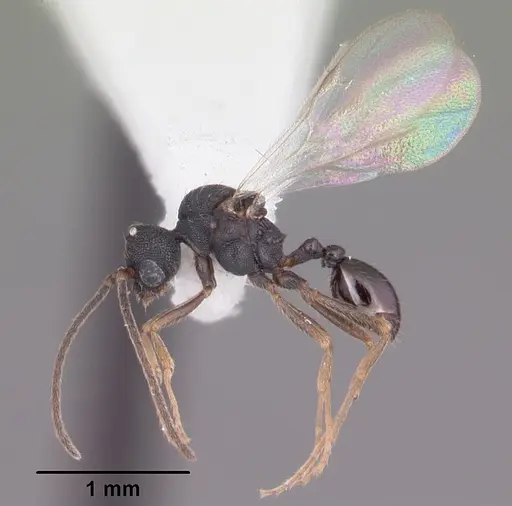
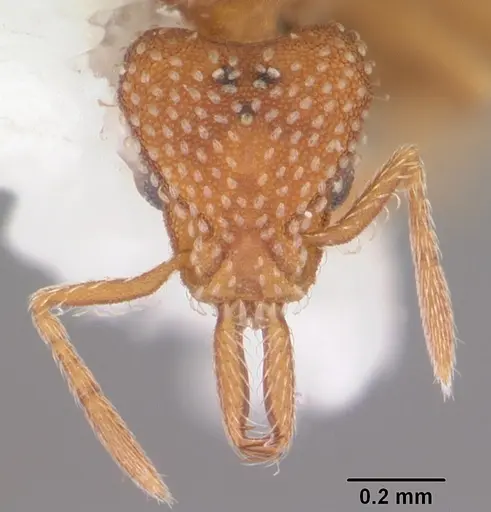
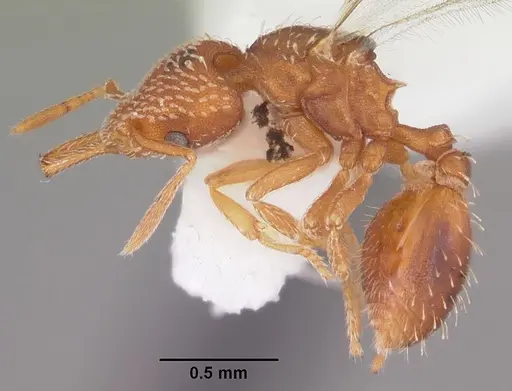
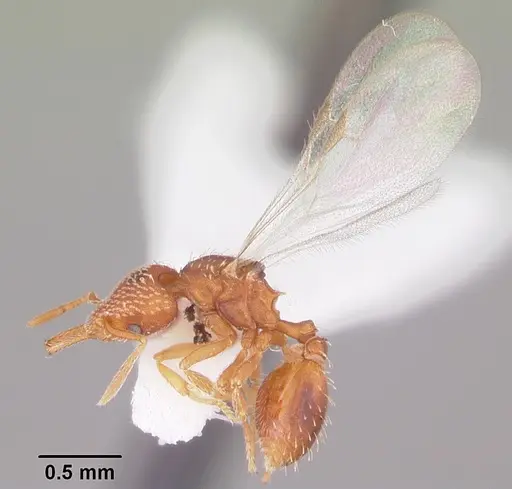
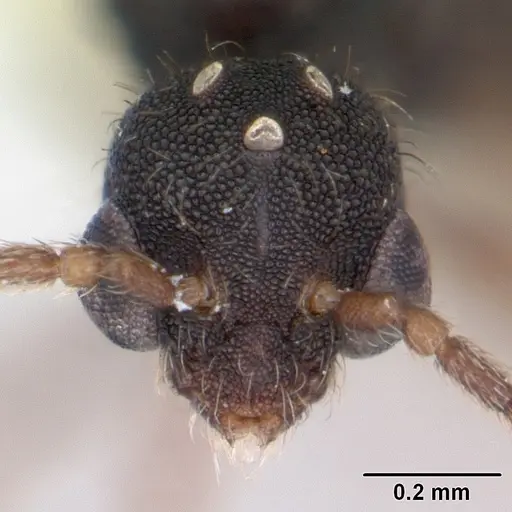
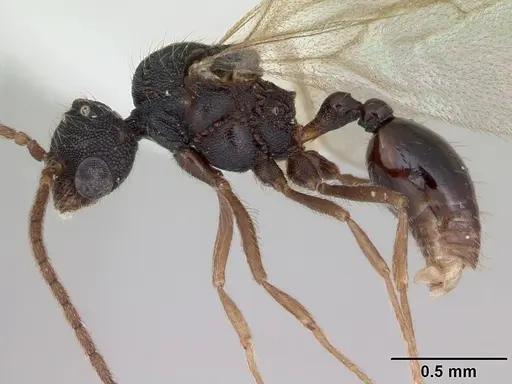
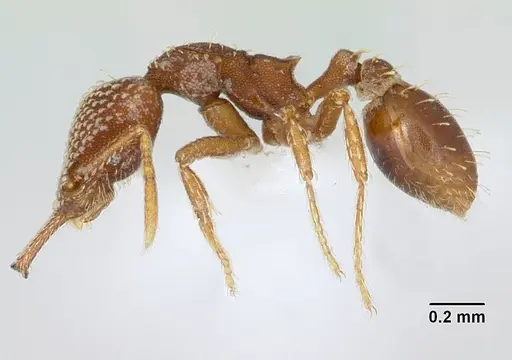
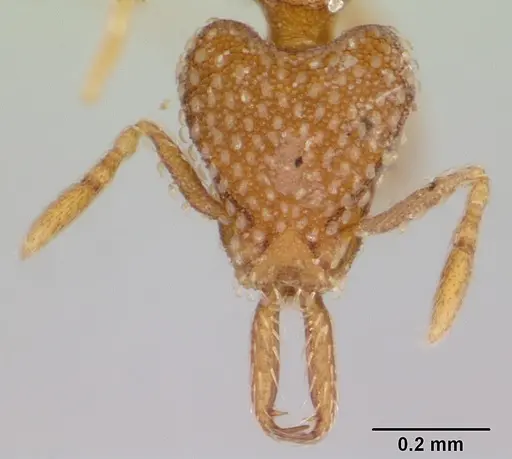
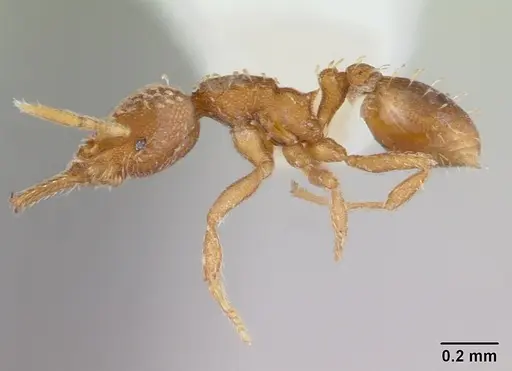
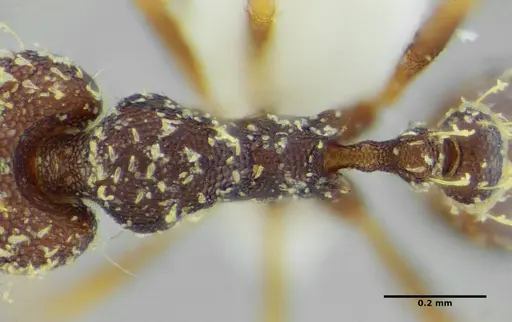
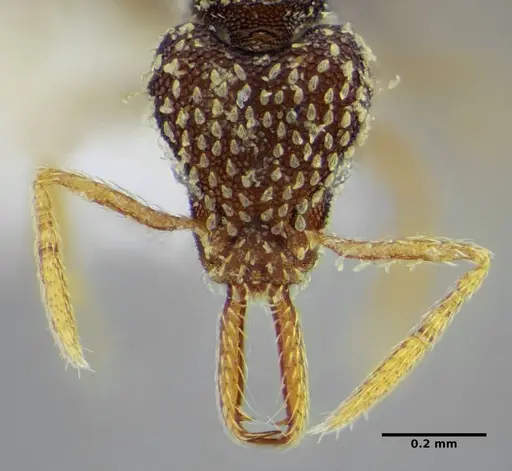
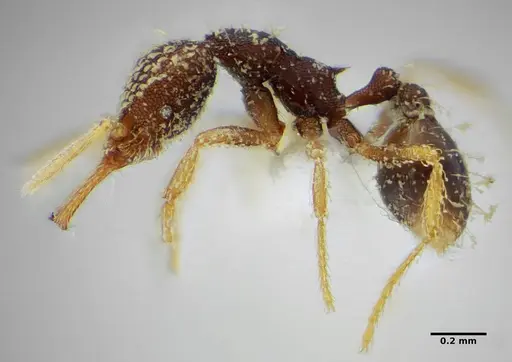
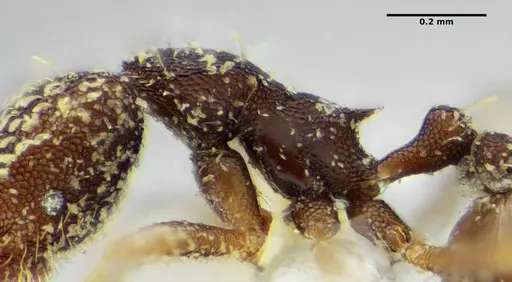
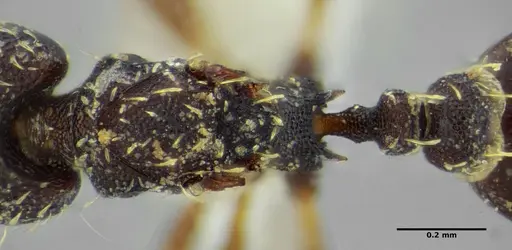
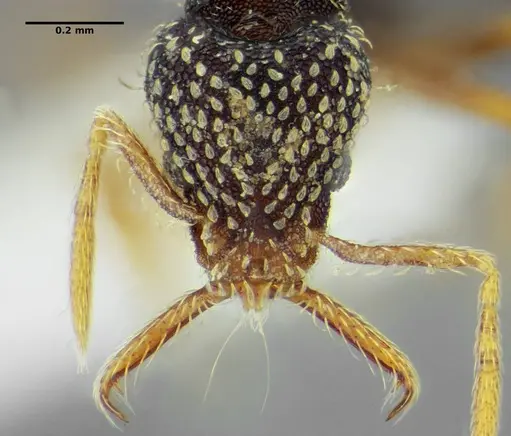
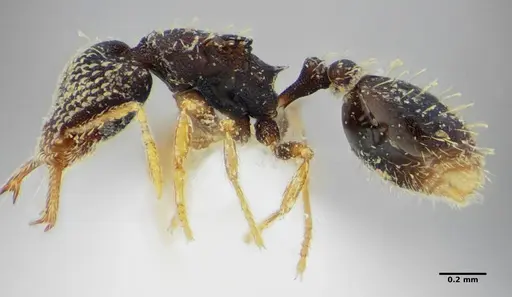
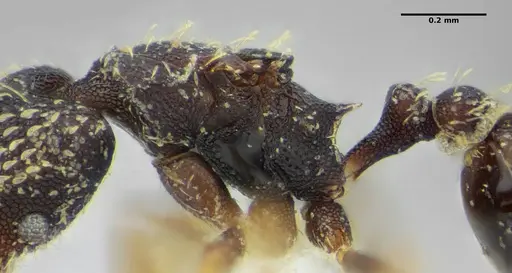
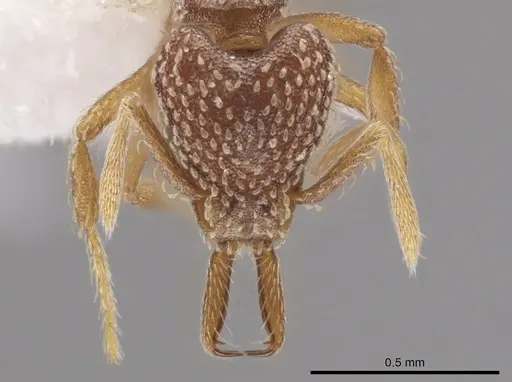
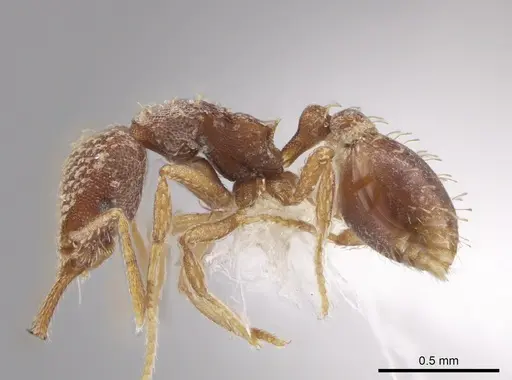
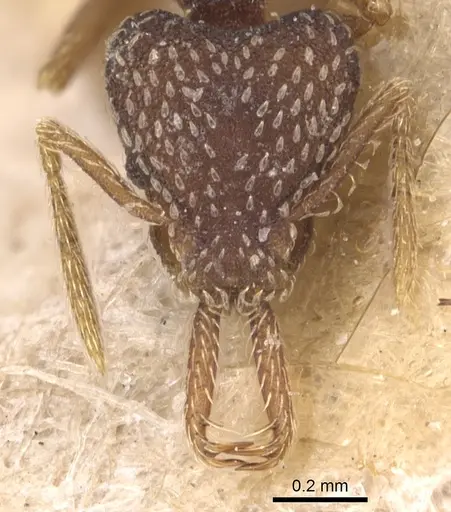
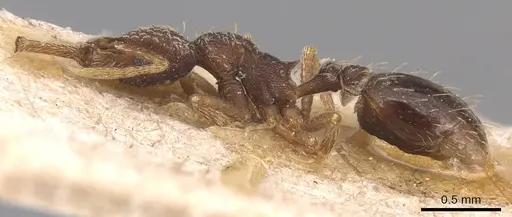
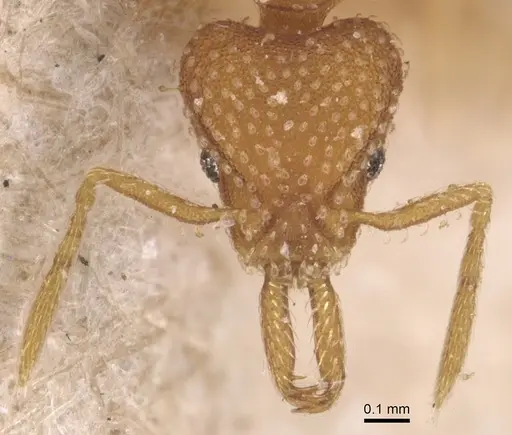
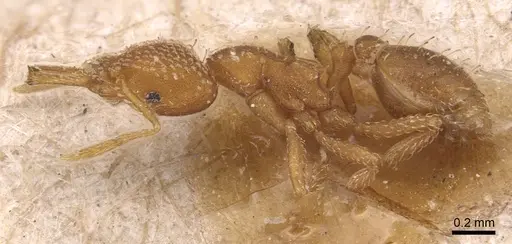
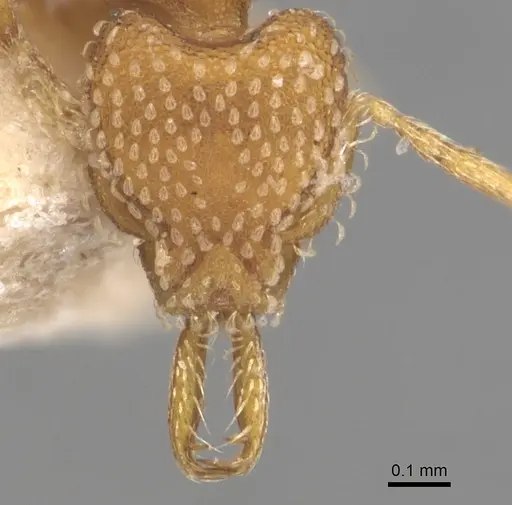
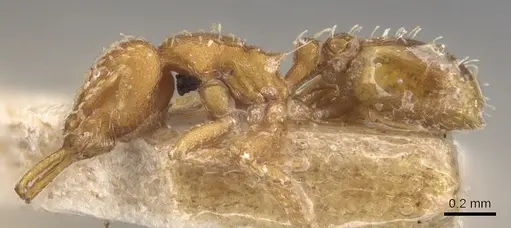
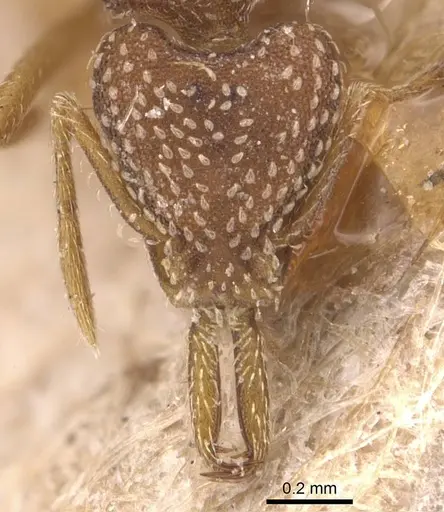
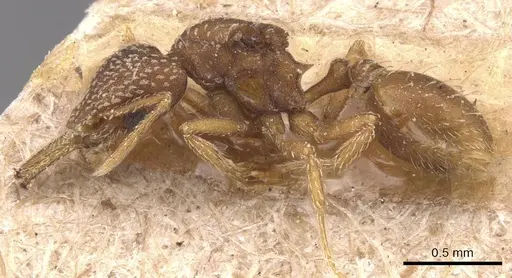
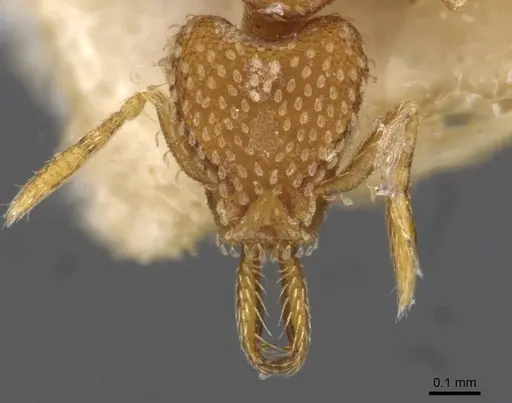
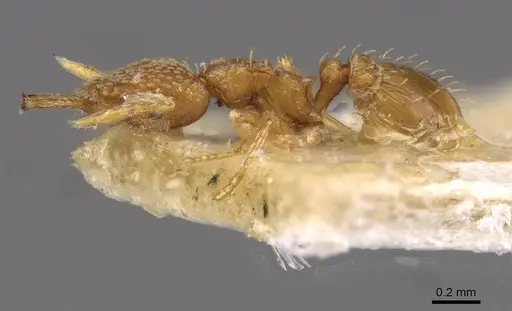
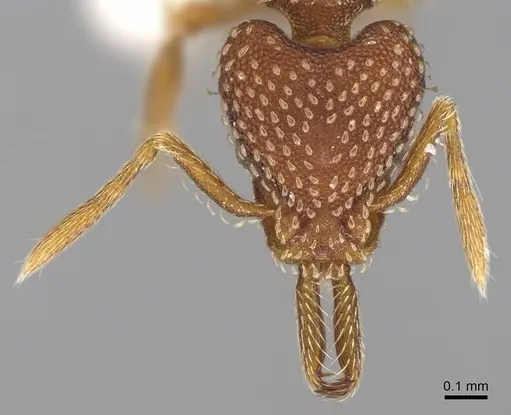
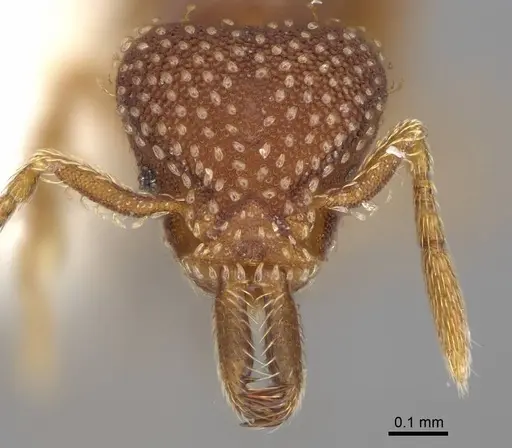
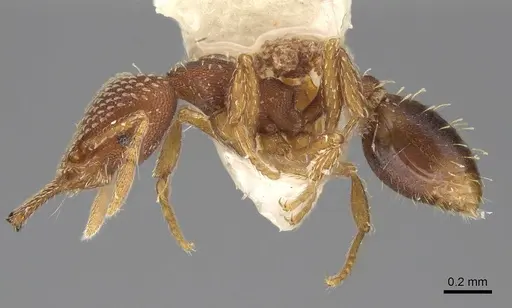
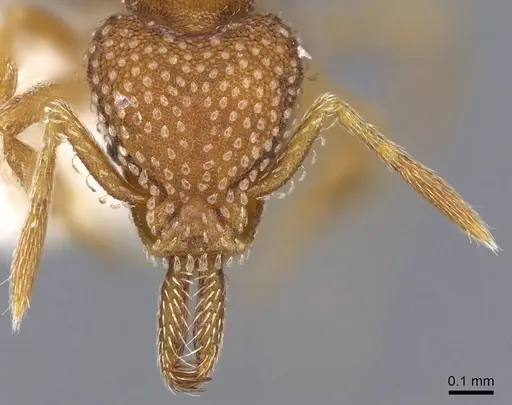
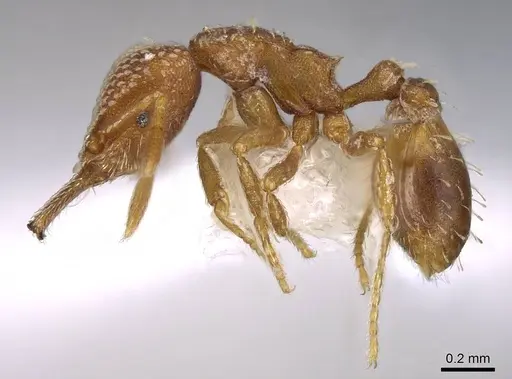
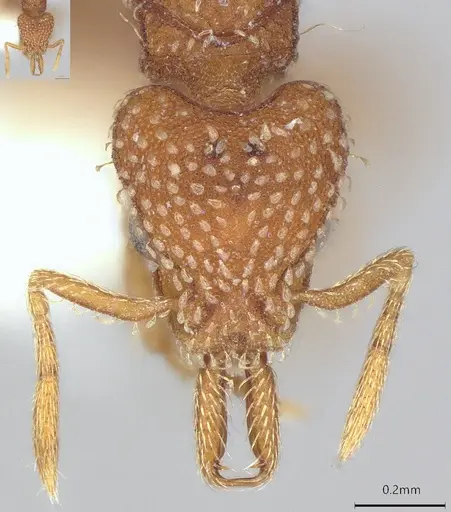
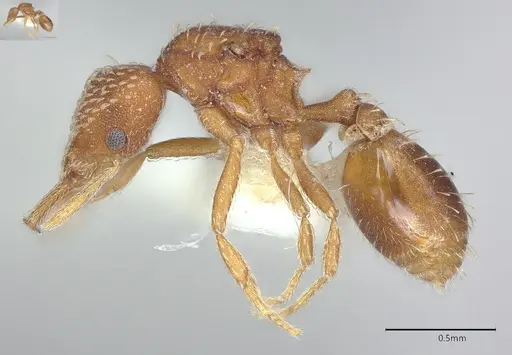
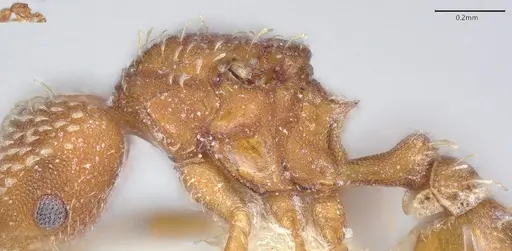
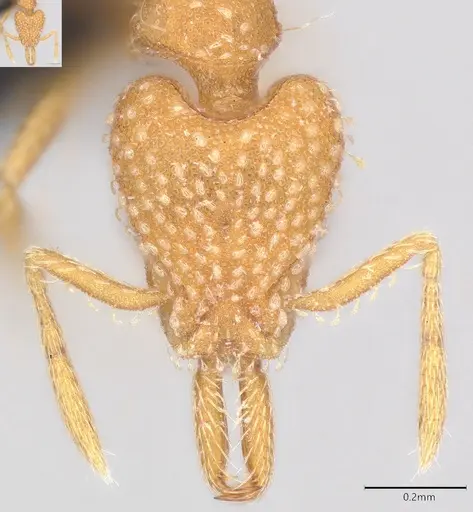
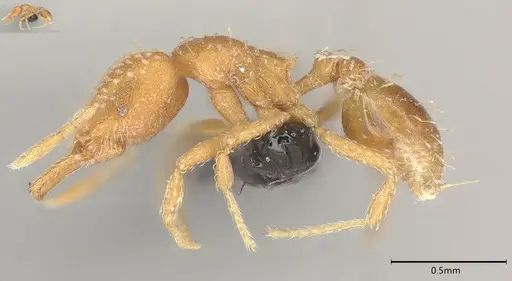
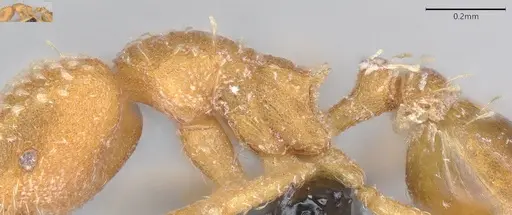
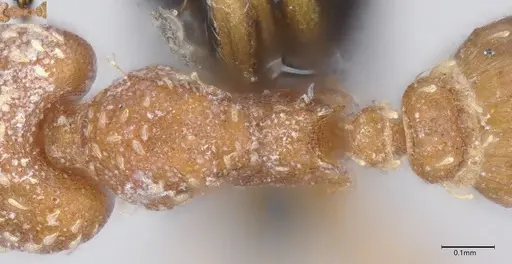
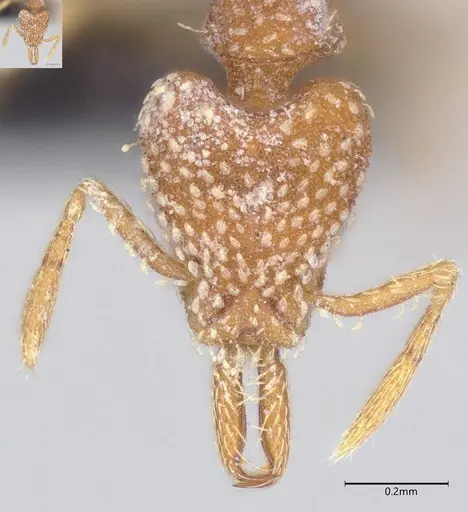
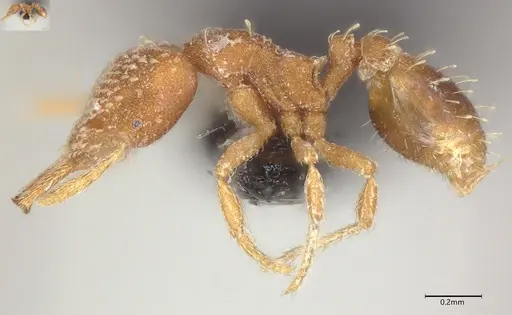
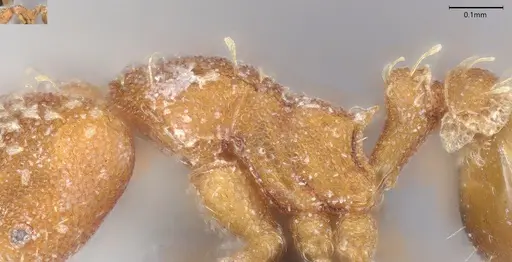
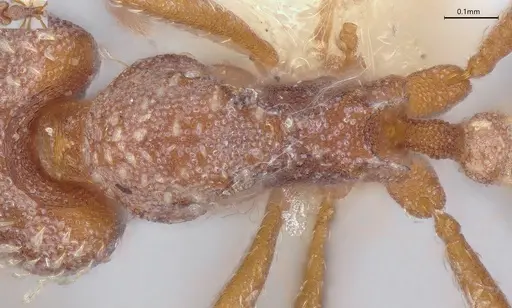
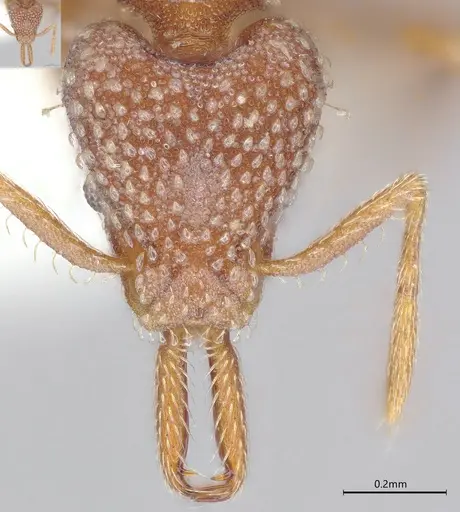
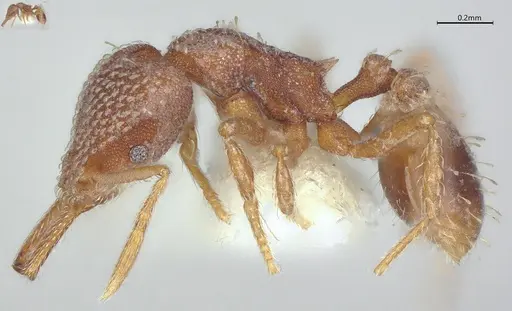
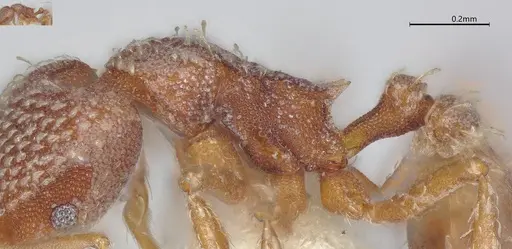
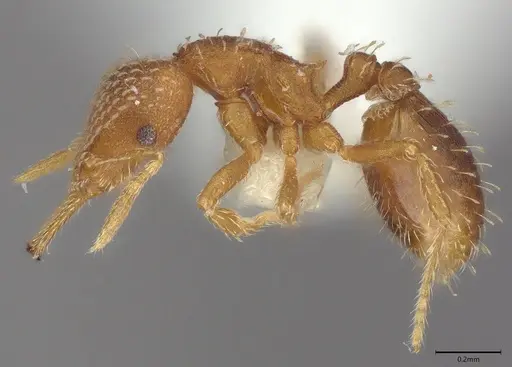
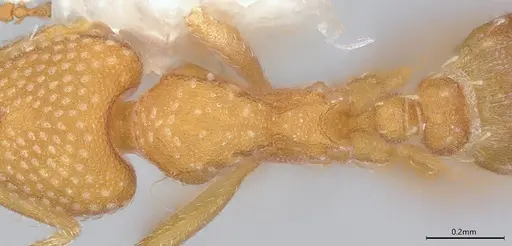
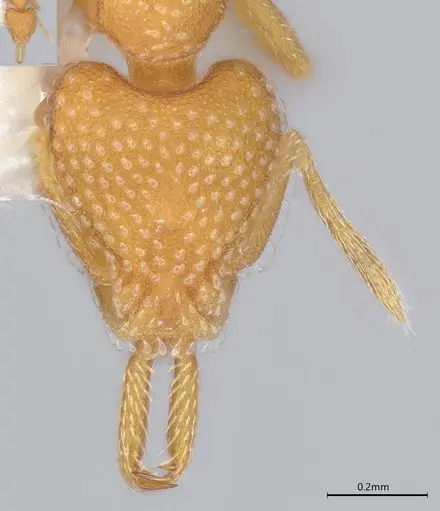
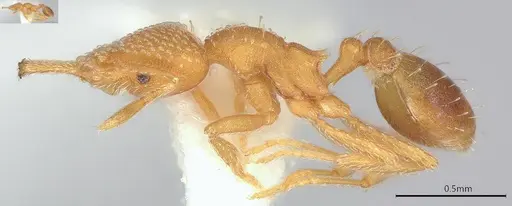
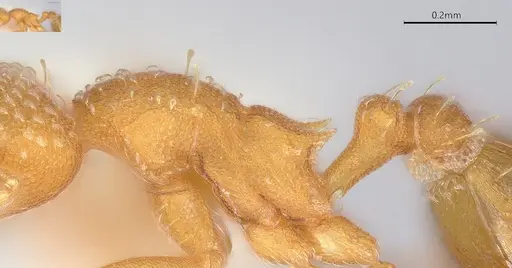
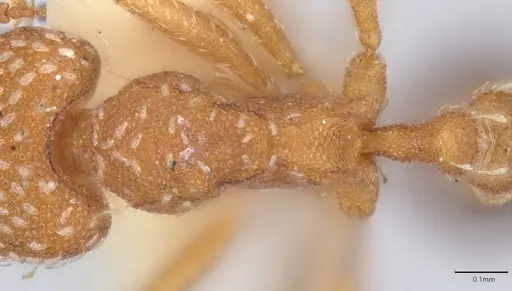
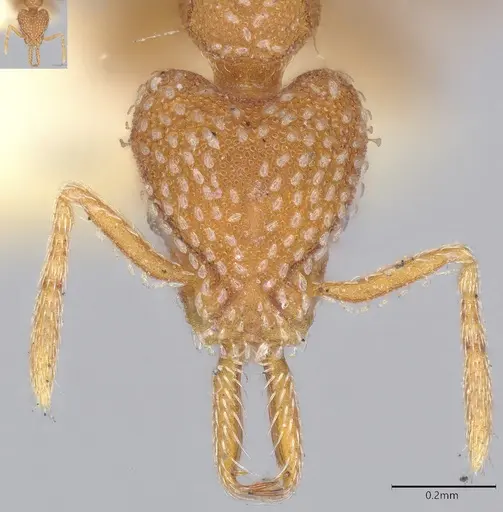
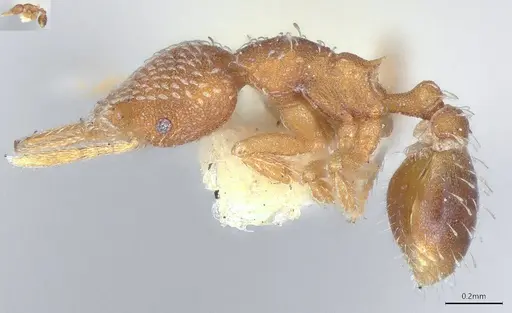
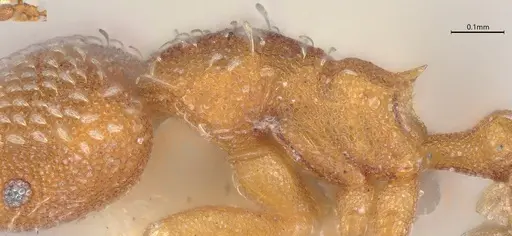
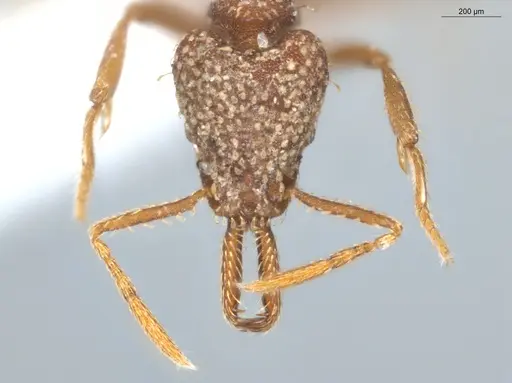
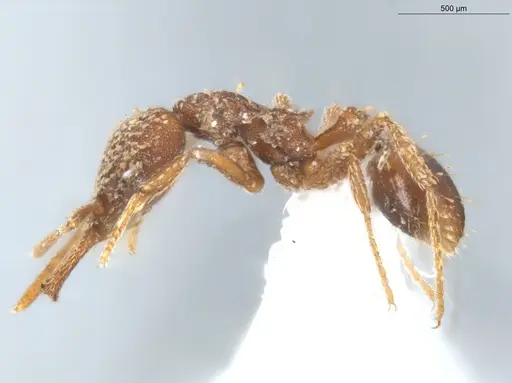
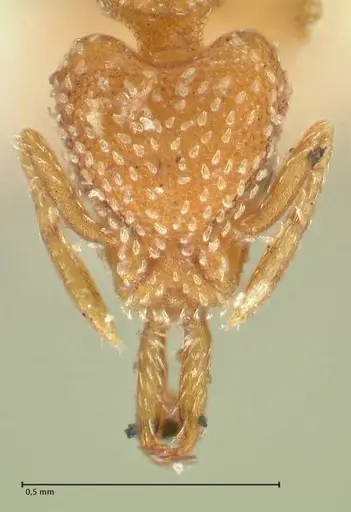
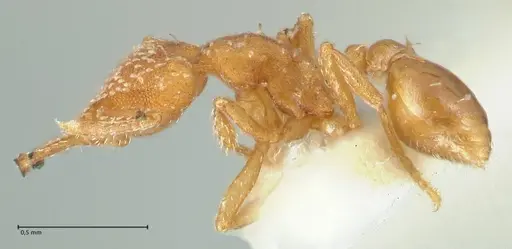
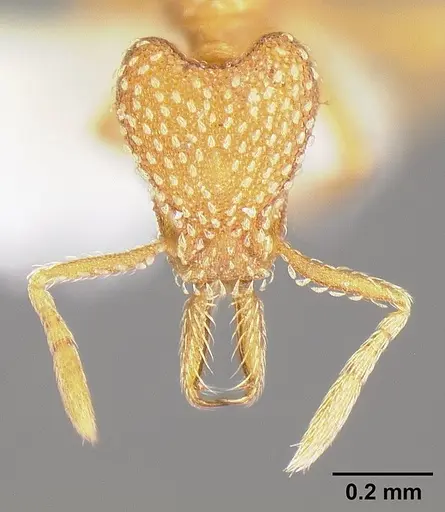
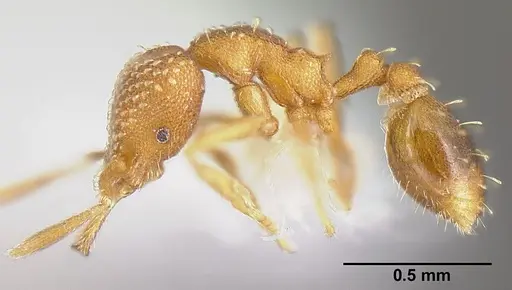
Strumigenys louisianae is a tiny trap-jaw ant with workers measuring 1.8–3.4 mm in total length and extraordinarily long, slender mandibles that can open nearly 180 degrees . Workers are golden to reddish-brown with distinctive spongy tissue on their waist segments. It has one of the largest continuous native ranges of any Strumigenys species, stretching from the southern United States down to Argentina, and is the most commonly encountered long-mandibled trap-jaw ant north of Florida . It lives in a wide variety of habitats including mesic forest, swamp forest edges, rotten wood, leaf litter, and under stones . This species is a specialized predator that hunts almost exclusively on springtails (Collembola). It uses trigger hairs on its labrum to detect prey, then snaps its mandibles shut like a miniature bear trap . It also holds the lowest chromosome number of any Neotropical ant (2n = 4 in some populations) and one of the lowest known for any ant . Strumigenys louisianae is considered introduced in the Galápagos Islands, the Caribbean, and parts of the USA, where it may impact native ant communities .
Quick Summary
- Difficulty: Expert
- Origin & Habitat: Widespread across the Americas from southern USA to Argentina. Prefers seasonally dry and synanthropic habitats, but also found in mesic forest, swamp forest edges, rotten wood, under stones, and in leaf litter [1][3]. In the Galápagos it inhabits Transition and Humid Zones, including disturbed areas and gardens [6].
- Colony Type: Likely monogyne (single queen) based on typical Strumigenys patterns, but evidence is limited. Colonies are small, seldom exceeding 100 workers [7].
- Size & Growth:
- Antkeeping:
- Temperature: Keep at 22–26°C. This is a warm-climate species that thrives in typical subtropical to tropical temperatures. Northern populations may tolerate brief cooler periods but avoid prolonged cold [1][8].
- Humidity: High humidity required – keep the nest substrate consistently moist (like forest floor after rain) and provide a layer of leaf litter to retain moisture. Use a water reservoir or moist plaster section. Avoid waterlogging [4][1].
- Diapause: No documented diapause, but northern populations may experience winter slowdown. Maintain warm temperatures year-round for best activity, if cooling, keep above 18°C.
- Nesting: Best kept in a naturalistic terrarium with moist soil substrate, leaf litter, and small pieces of rotting wood. Y-tong (AAC) or plaster nests with small chambers also work. Test tubes can be used for founding but require careful humidity control and small foraging areas. Never use acrylic nests: they do not maintain humidity well and are too large for this tiny species [4][7].
- Behavior: Extremely cryptic and shy. Workers move very deliberately, almost stealthily, and spend most of their time hidden in the substrate [4]. They are not aggressive and will flee rather than fight. Their trap-jaw mandibles are specialized for hunting tiny prey, not for defense. Has a mild sting but it is rarely used on humans [9]. Escape prevention is critical due to their tiny size – use fine mesh (0.5 mm or smaller) on all openings.
- Common Issues: tiny size makes escape likely without fine mesh barriers – they can squeeze through standard mesh., specialized diet – will starve if not provided live springtails (Collembola), maintain a springtail culture., slow growth can frustrate keepers, colonies may take a year to reach 20–30 workers., colonies remain small even when healthy – under 100 workers is normal., sensitive to drying out – requires consistently humid conditions, substrate must never dry completely., this species is considered introduced in the Galápagos, Caribbean, and parts of the USA, if kept in non-native regions, extreme precautions must be taken to prevent escape and ecological damage [5][1].
Housing and Setup
Strumigenys louisianae requires a setup that mimics its natural leaf-litter habitat. Use a naturalistic terrarium with a moist soil substrate, a layer of leaf litter, and small pieces of rotting wood. The substrate should be kept consistently damp but not waterlogged. Because they are tiny and cryptic, they need small, tight spaces – standard formicarium chambers will be too open. Consider a small plastic container with moist plaster or soil, decorated with leaf litter and tiny hiding spots. Escape prevention is critical: use fine mesh (0.5 mm or smaller) on any openings, as these ants can squeeze through gaps that seem impossibly small [4]. Never use acrylic nests, they fail to maintain the required humidity and have chambers too spacious for this species.
Feeding and Diet
This is the most critical aspect of keeping S. louisianae. They are extreme specialists feeding almost exclusively on live springtails (Collembola) [AntWiki
Report an Issue
The current care sheet is based fully on literature. See inconsistencies, or something that's incorrect? Please , it will be resolved after review from an admin. Contributing to the blogs tab also helps providing information, to make us be able to further improve the caresheets. Thank you for your support!
References

This caresheet is licensed under CC BY-SA 4.0 .
Community Blogs
ANTWEB1038232
View on AntWeb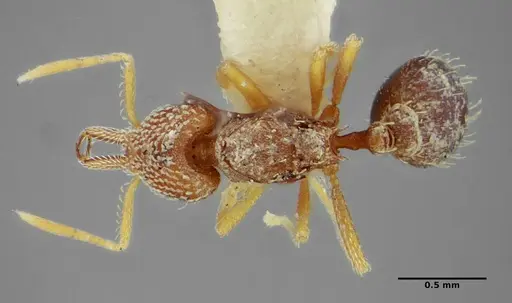
ANTWEB1038234
View on AntWeb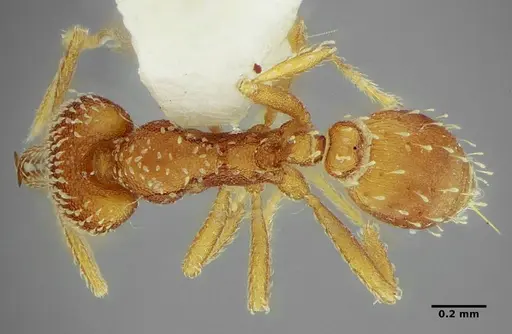
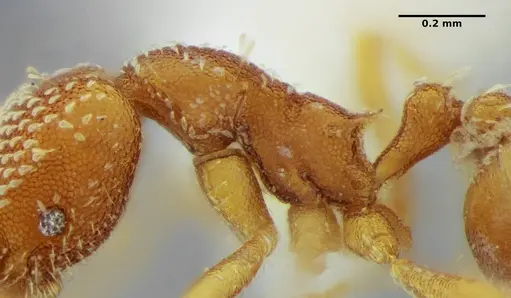
ANTWEB1038235
View on AntWeb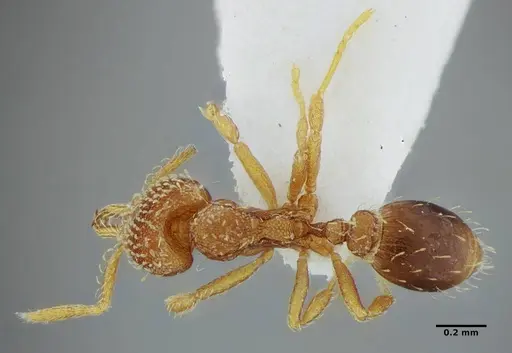
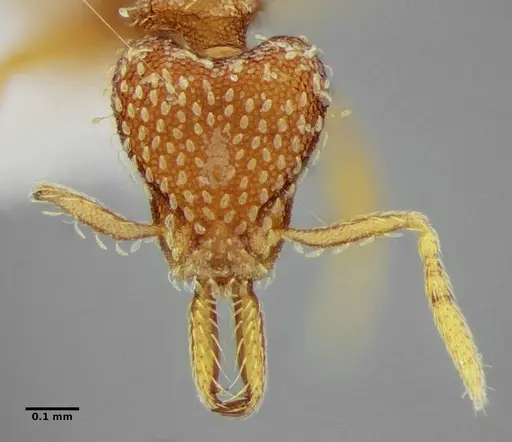
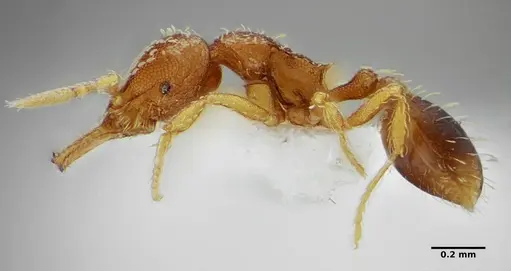
ANTWEB1038237
View on AntWeb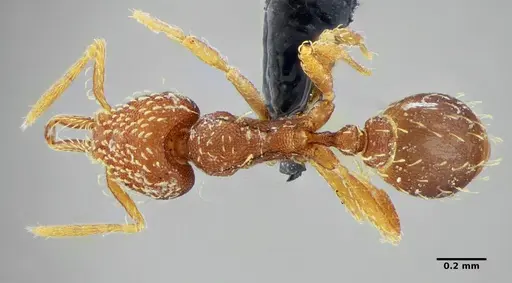
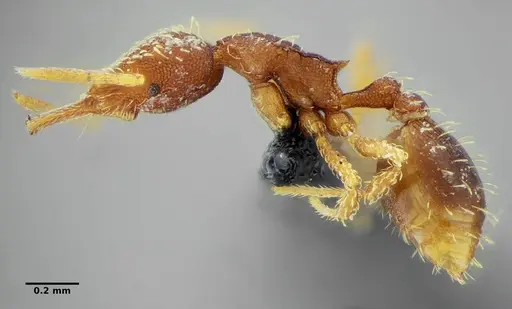
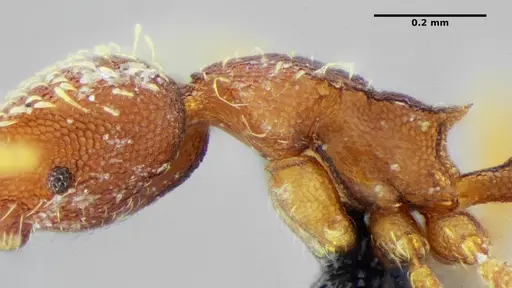
ANTWEB1038243
View on AntWeb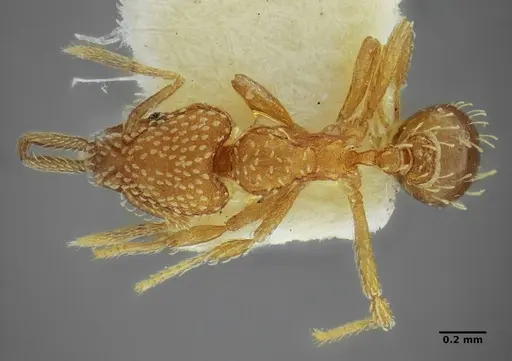
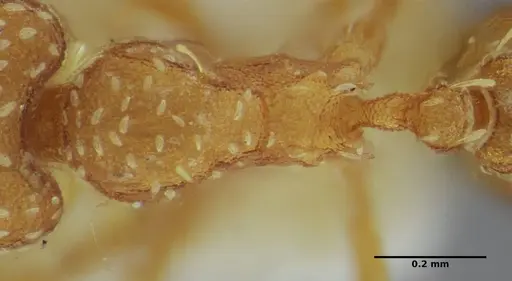
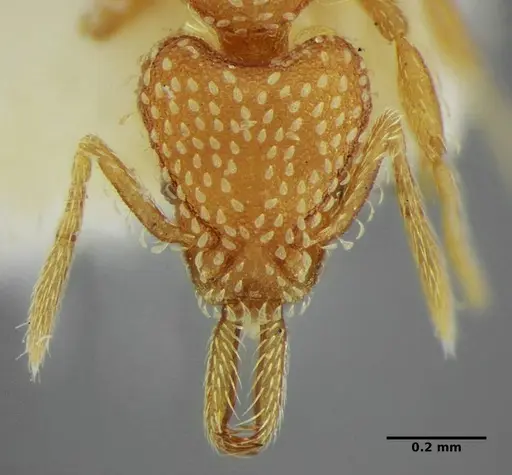
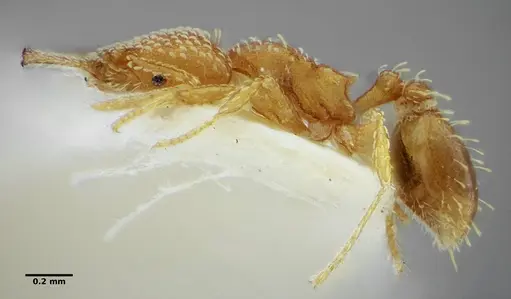
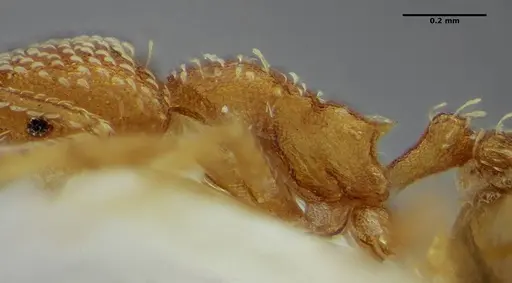
ANTWEB1038244
View on AntWeb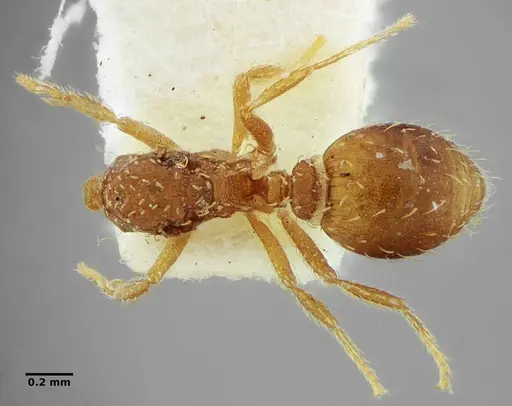
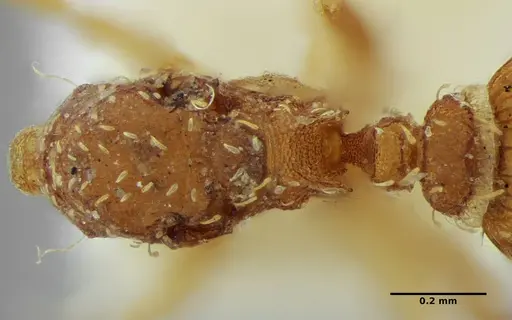
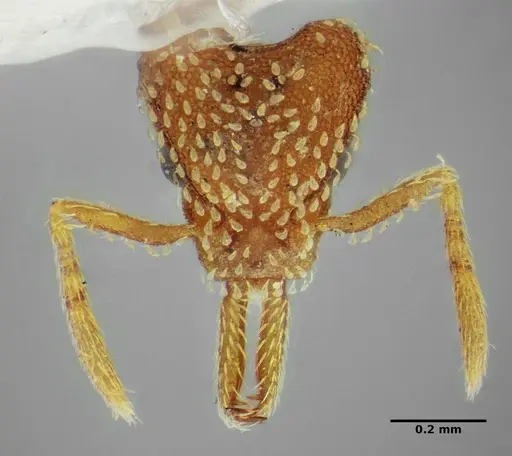
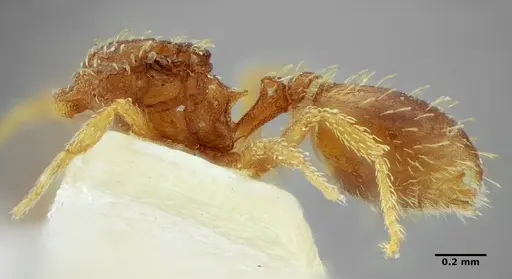
ANTWEB1038246
View on AntWeb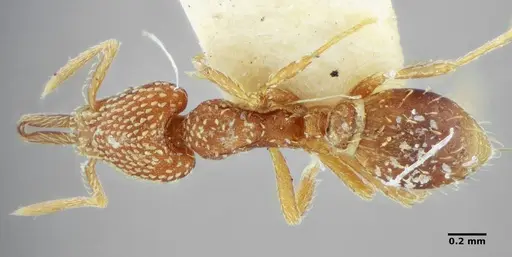
ANTWEB1038247
View on AntWeb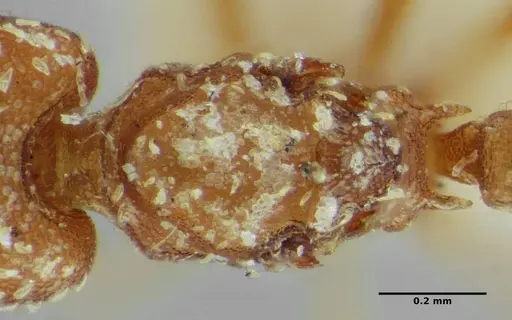
ANTWEB1038314
View on AntWeb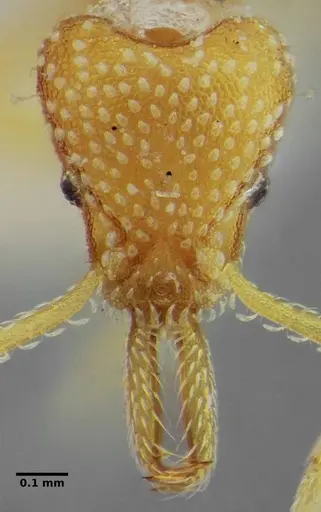
CASENT0000315
View on AntWeb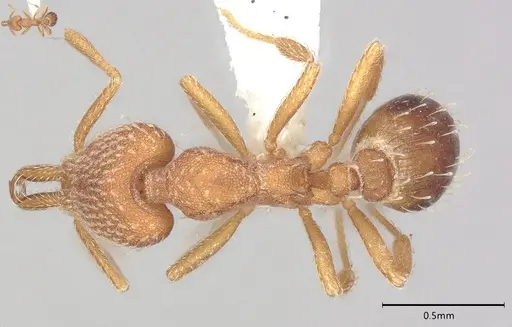
CASENT0000317
View on AntWeb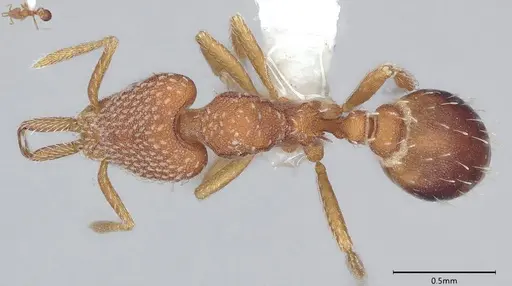
CASENT0001972
View on AntWeb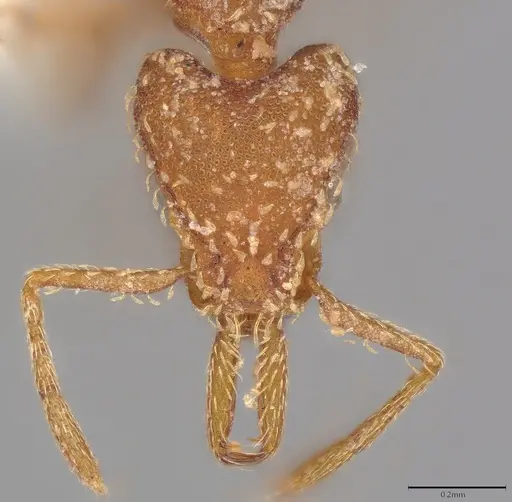
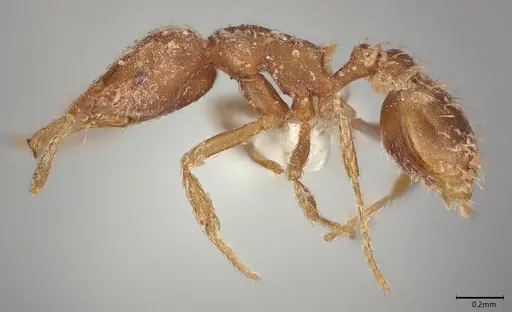
CASENT0003321
View on AntWeb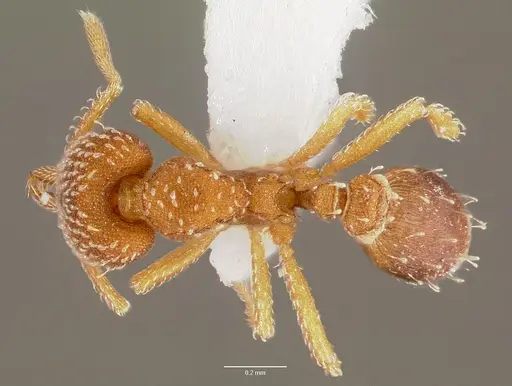
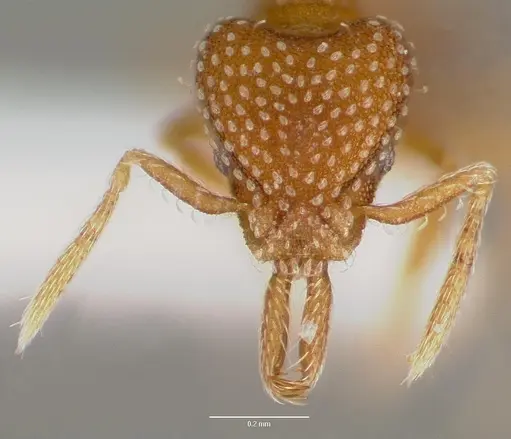
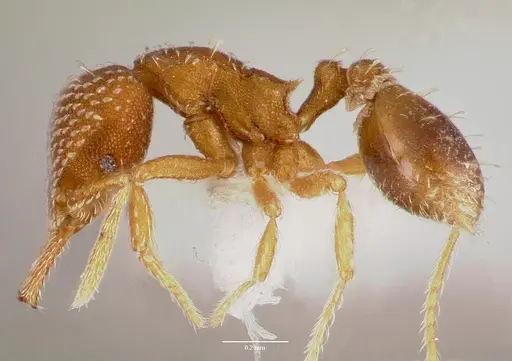
CASENT0104199
View on AntWeb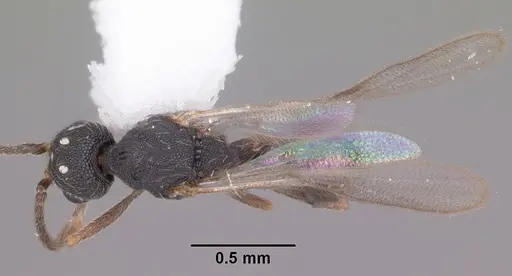
CASENT0104527
View on AntWeb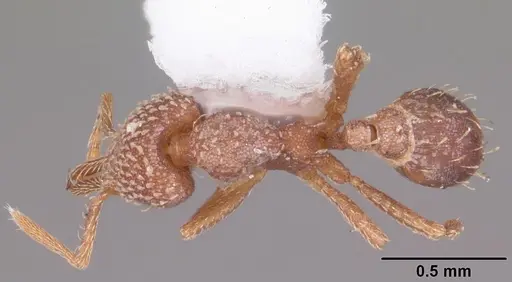
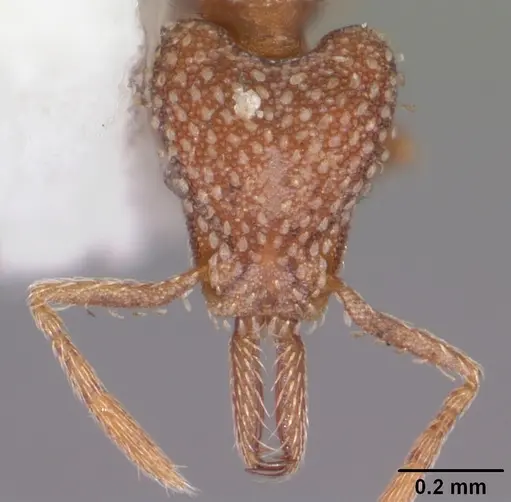
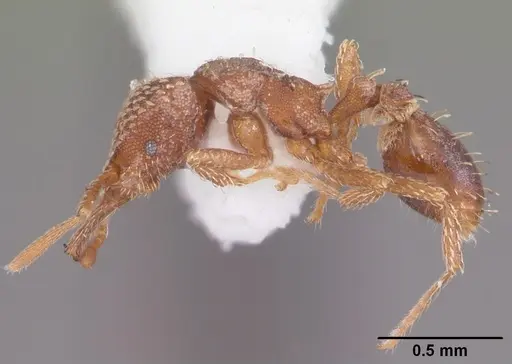
CASENT0104528
View on AntWeb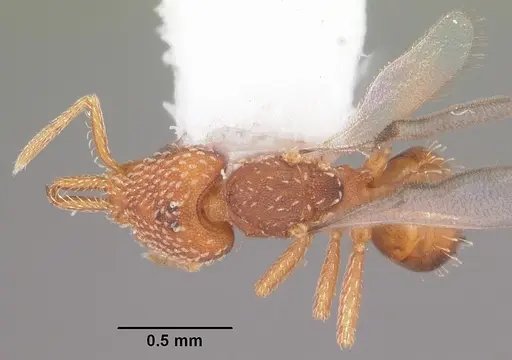
CASENT0173255
View on AntWeb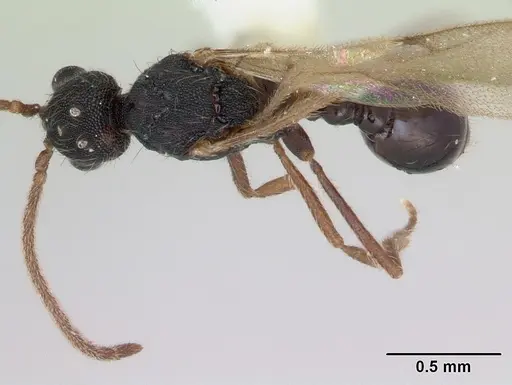
CASENT0173256
View on AntWeb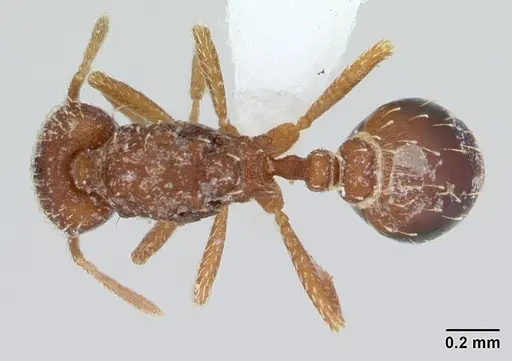
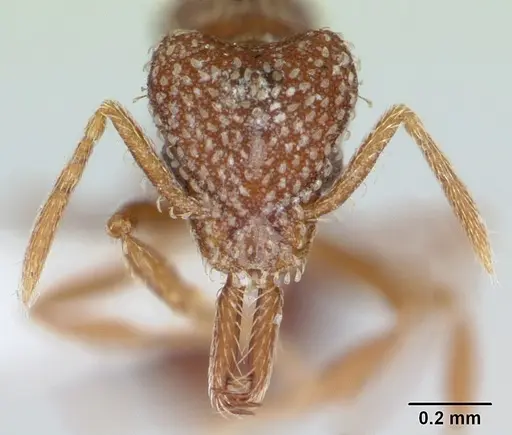
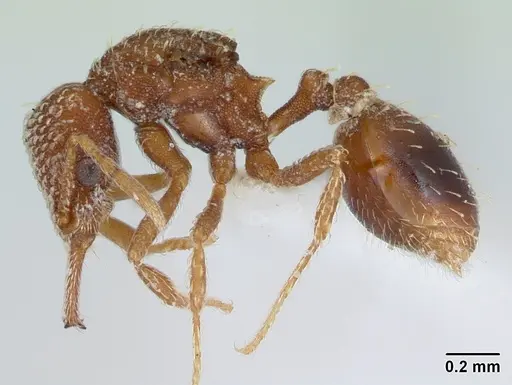
CASENT0173257
View on AntWeb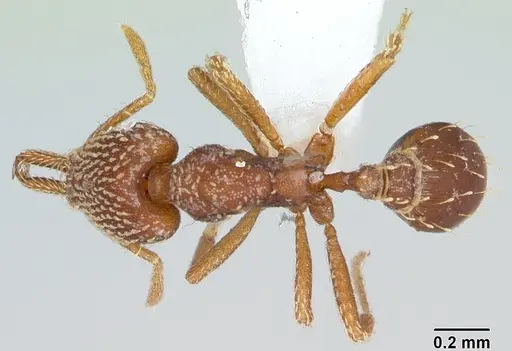
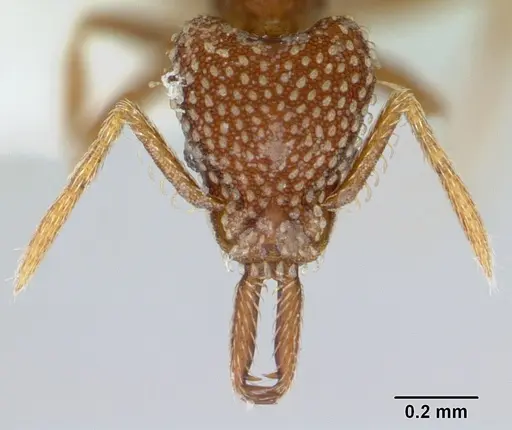
CASENT0178126
View on AntWeb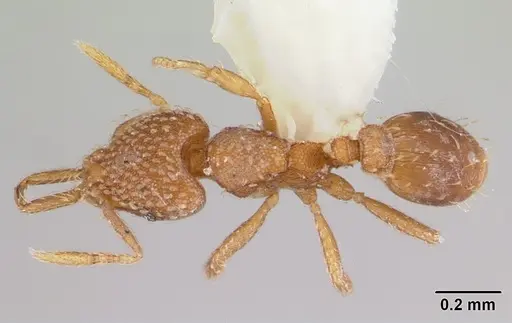
CASENT0634061
View on AntWeb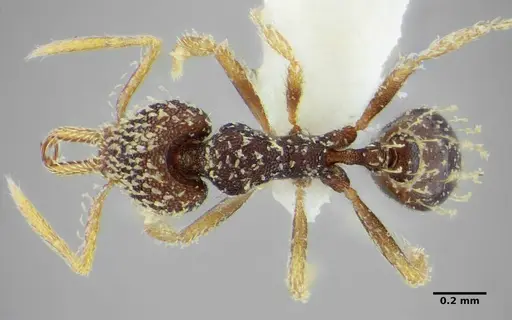
CASENT0634062
View on AntWeb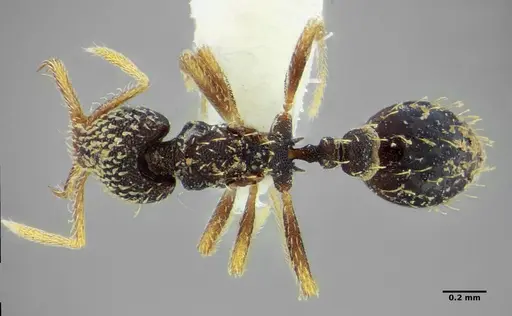
CASENT0648376
View on AntWeb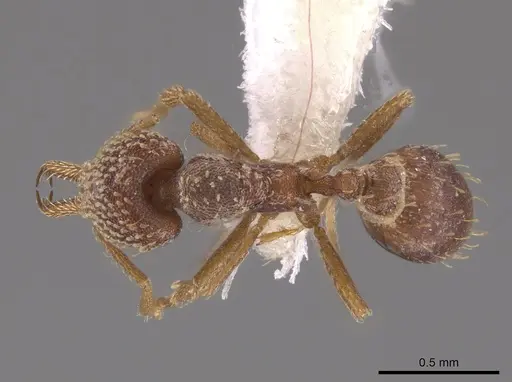
CASENT0904934
View on AntWeb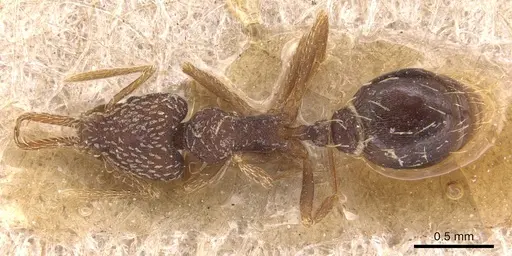
CASENT0904935
View on AntWeb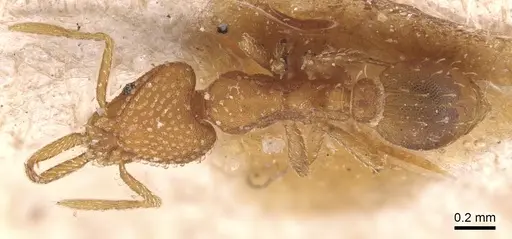
CASENT0904939
View on AntWeb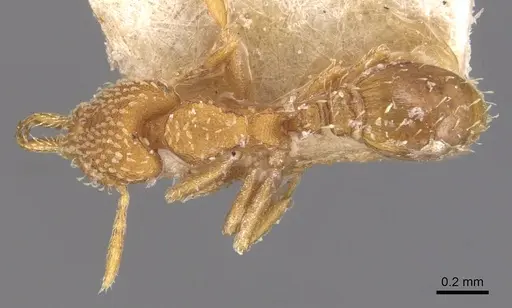
CASENT0905785
View on AntWeb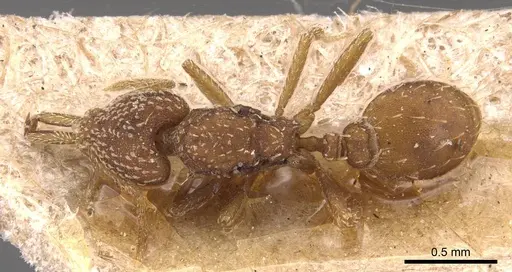
CASENT0909323
View on AntWeb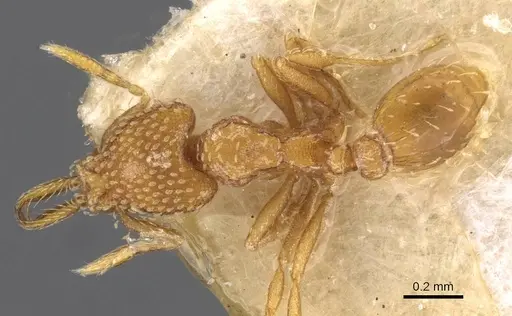
CASENT0914505
View on AntWeb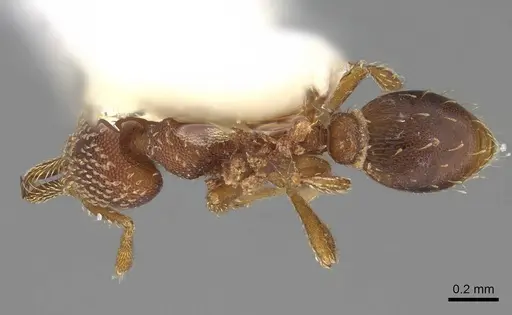
CASENT0914742
View on AntWeb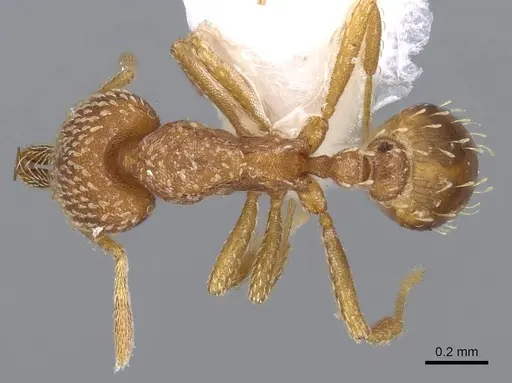
CASENT0915694
View on AntWeb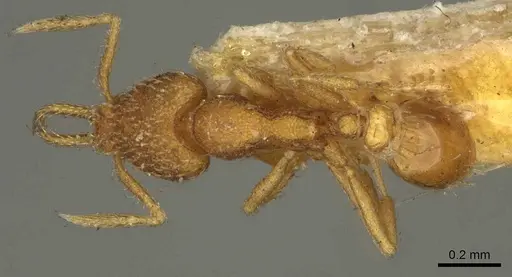
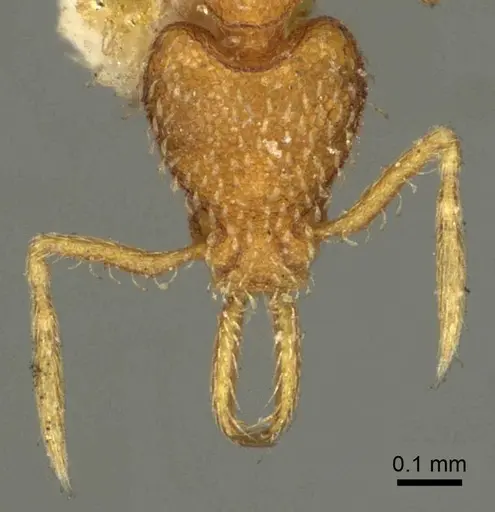
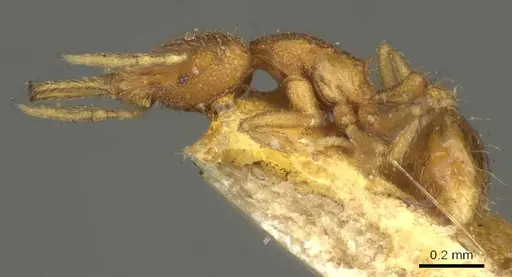
CASENT4036206
View on AntWeb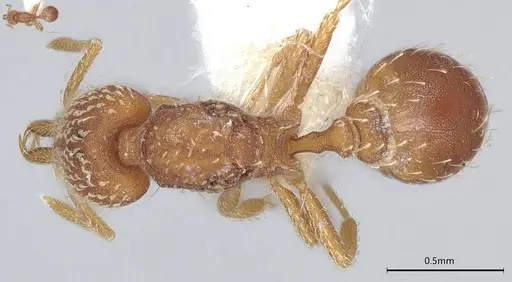
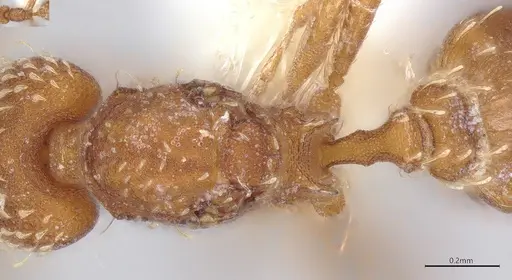
CASENT4036209
View on AntWeb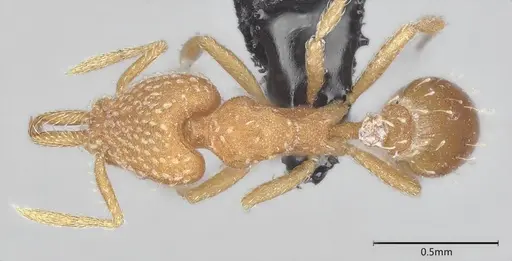
CASENT4036210
View on AntWeb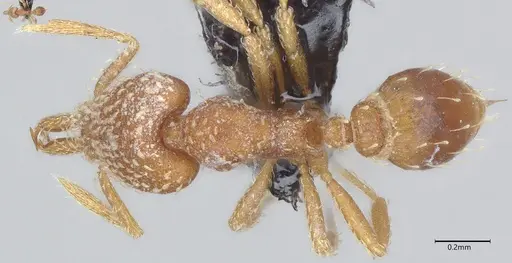
CASENT4036211
View on AntWeb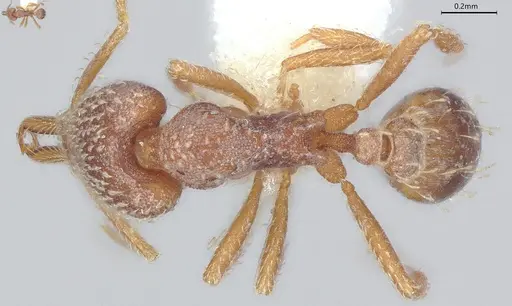
CASENT4036212
View on AntWeb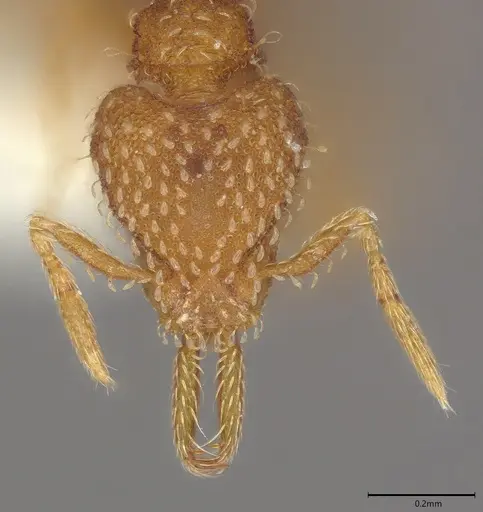
CASENT4036213
View on AntWeb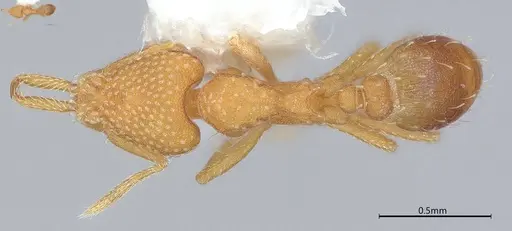
CASENT4036214
View on AntWeb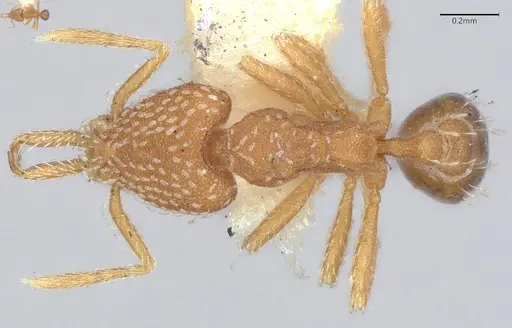
ECOFOG-CGR20-0078-19
View on AntWeb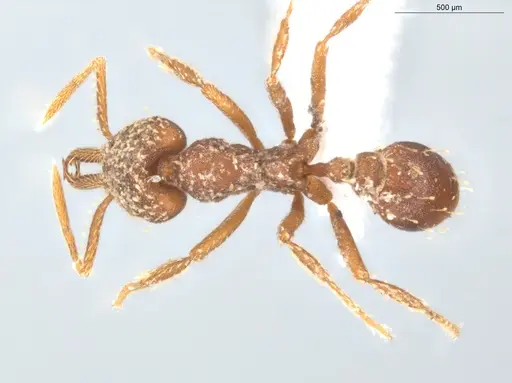
FOCOL2163
View on AntWeb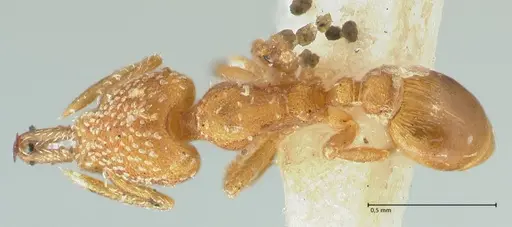
FOCOL2164
View on AntWeb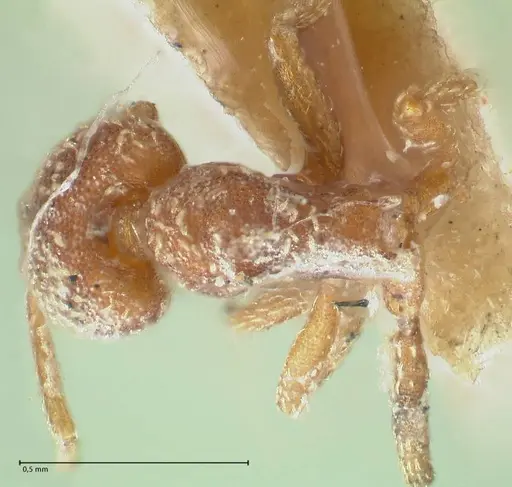
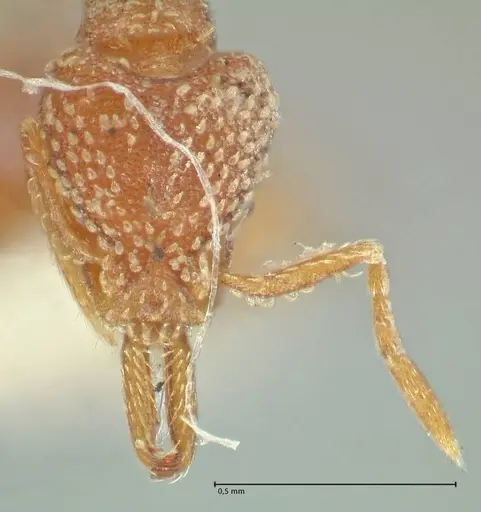
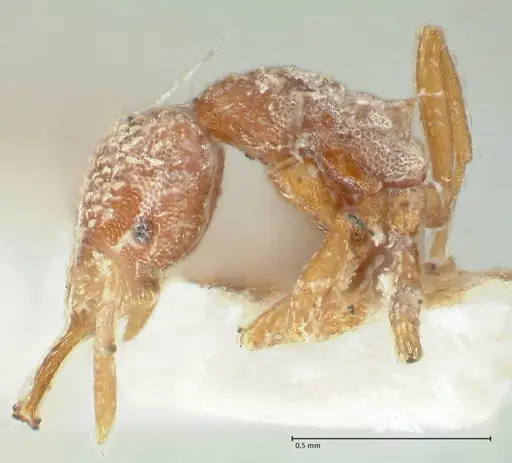
IAVH-E-264030
View on AntWeb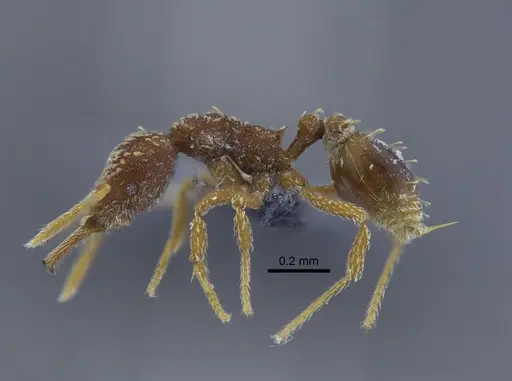
JTLC000006423
View on AntWeb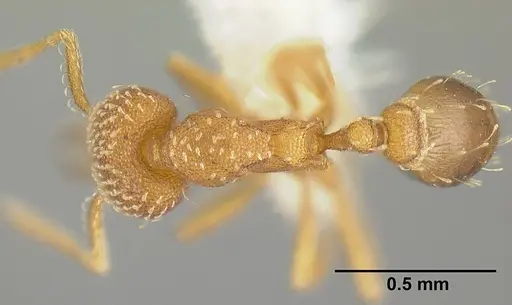
Literature
Loading distribution map...Loading products...