
Strumigenys longispinosa
- Sci. Name
- Strumigenys longispinosa
- Tribe
- Attini
- Subfamily
- Myrmicinae
- Author
- Brown, 1958
- Distribution
- Found in 3 countries
Introduction
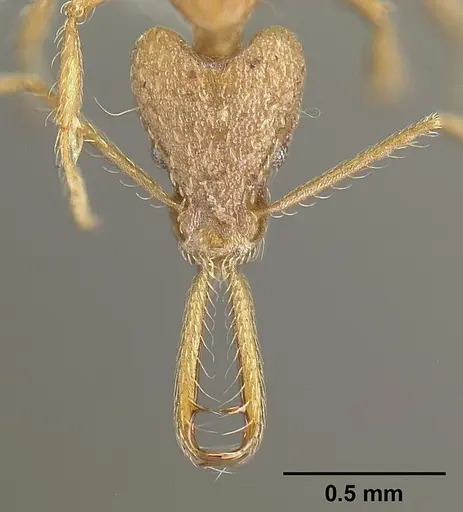
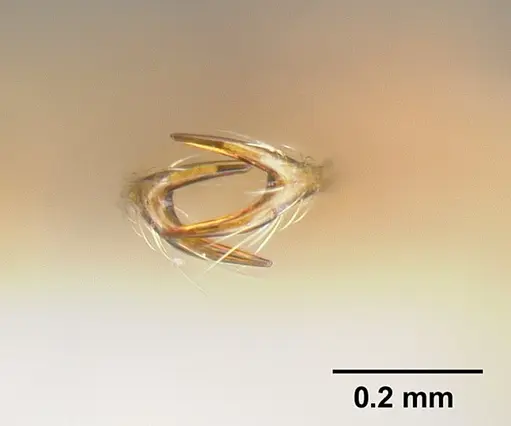
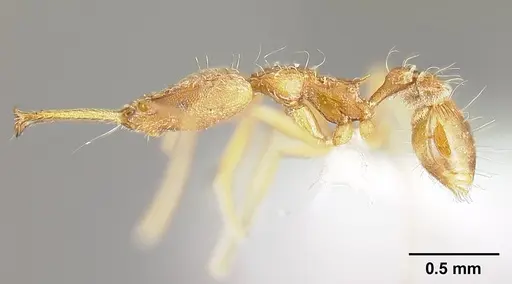
Strumigenys longispinosa is a tiny ant, with workers measuring just 2.8–3.3 mm in total length . Found across the Neotropics, including Costa Rica, Panama, Colombia, Ecuador, and Peru, it lives in lowland wet forest . These ants spend most of their time hidden in the leaf litter, hunting small arthropods. Their most distinctive features are long, slender propodeal spines and a gaster covered in long, flagellate (whip-like) hairs . They nest in rainforest soil, with the entrance often topped by a small crater .
Quick Summary
- Difficulty: Expert
- Origin & Habitat: Lowland wet forests from Costa Rica to Peru. They live beneath the leaf litter in rainforest soil, often near small craters marking the nest entrance [2][3][4][1].
- Colony Type: Colony structure is unconfirmed. Based on typical Strumigenys patterns, colonies are likely monogyne (single queen) and remain small.
- Size & Growth:
- Queen: Unconfirmed – no queen measurements are available for this species.
- Worker: 2.8–3.3 mm total length [1]
- Colony: Likely under 200 workers, as is typical for Strumigenys.
- Growth: Slow – based on typical Dacetini development patterns.
- Development: Estimated 8–12 weeks at tropical temperatures (25–28°C), but not directly documented for this species. (Development is slow compared to many common ant species. All estimates are based on related Dacetini.)
- Antkeeping:
- Temperature: Keep at 24–28°C. Warm, stable conditions are essential for this lowland tropical ant. Slight gradients are fine, but avoid drops below 22°C [1].
- Humidity: High humidity is critical – keep the substrate consistently moist to the touch. Aim for a damp, but not waterlogged, environment, mimicking the forest floor [1].
- Diapause: No hibernation needed. Keep warm year-round, cold can be fatal.
- Nesting: Use a naturalistic setup with a deep soil layer (at least 3–4 cm). A plaster or soil-based formicarium works, but nest chambers must be very small to match their tiny size. Provide tight spaces and narrow passages.
- Behavior: These ants are cryptobiotic – they spend nearly all their time hidden in the substrate. They hunt by ambush, waiting motionless for tiny prey. Workers are non-aggressive and retreat rather than fight. Escape prevention is extremely important because of their tiny size – they can slip through gaps less than a millimeter wide.
- Common Issues: escapes are the biggest risk – use mesh ventilation with holes under 0.3 mm and seal all seams, hygiene and humidity – colonies dry out quickly, the substrate must stay damp, specialized diet – they refuse standard ant foods, only live micro-prey (springtails, small fruit flies) works, slow growth – months may pass with little visible change, testing keeper patience, parasites in wild-caught colonies – quarantine new queens or colonies for several months
Housing and Nest Setup
Strumigenys longispinosa needs a setup that mimics its natural forest floor habitat. A naturalistic terrarium-style formicarium with a deep soil layer (at least 3–4 cm) is ideal. Use a moisture‑retaining substrate like a mix of coco fiber, peat moss, and sand. The substrate must stay damp but not waterlogged – squeeze out excess water before use [1]. Because workers are only 2.8–3.3 mm long, escape prevention is absolutely critical. Use fine mesh (holes no larger than 0.3 mm) on all ventilation openings and seal every joint with silicone or tape. Even the tiniest gap will let them out. A test tube can work for founding, but you must block the opening with fine mesh. Most keepers eventually switch to naturalistic setups because these ants naturally burrow and create chamber systems in soil.
Feeding and Diet
These ants are obligate predators that hunt live micro‑arthropods in the leaf litter [1]. In captivity, their main food should be live springtails (e.g., Folsomia candida). You can also offer small fruit flies (Drosophila), booklice, and other tiny arthropods. They generally ignore larger prey, sugar water, or dead insects. Feed every 2–3 days, giving prey items about the same size as the ants or smaller. Remove any uneaten prey after 24 hours to prevent mold. A well‑fed colony will show workers with noticeably distended gasters.
Temperature and Humidity
As a lowland tropical species, Strumigenys longispinosa requires both warmth and high humidity [1]. Keep the temperature between 24–28°C. A heating cable on one side of the nest can create a gentle gradient, but avoid letting the warm side exceed 30°C. Drops below 22°C can slow development significantly. Humidity is even more critical: the substrate must stay moist to the touch at all times. Mist the enclosure regularly, and consider adding a water reservoir under the substrate. Standing water must be avoided, as it can drown the colony. A good test: if the substrate feels dry a few hours after misting, increase humidity immediately.
Colony Establishment
Founding behavior is unconfirmed for this species. If you find a dealate (wingless) queen, place her in a test tube with a water reservoir, as you would for claustral founding. Many Dacetini seal themselves in and rear the first brood without feeding, but we cannot be certain for Strumigenys longispinosa. After workers (nanitics) emerge, do not disturb the colony for several weeks. Then begin offering tiny live prey like springtails. Wild‑caught colonies may have parasites, so quarantine them and watch closely for the first few months. Colony growth is slow: expect 6–12 months before you see noticeable population increase.
Behavior and Observation
Strumigenys longispinosa is cryptobiotic – workers spend almost all their time hidden in the substrate, hunting by ambush. They emerge briefly to capture tiny prey that wanders close. When disturbed, they retreat rather than fight. To watch them, use a red filter on your flashlight (red light doesn’t bother ants) and observe during evening hours. Colonies are peaceful and not territorial. This is not a species for keepers who want constant above‑ground activity, instead it rewards those who appreciate subtle, hidden behavior. [1]
Frequently Asked Questions
How long does it take for Strumigenys longispinosa to produce first workers?
Based on typical Dacetini development, expect 8–12 weeks from egg to first worker at optimal temperatures (25–28°C). Nanitics (first workers) will be very small – around 2 mm or less.
Can I keep Strumigenys longispinosa in a test tube?
Test tubes can work for founding colonies if you provide a water reservoir and block the opening with fine mesh. However, these ants need high humidity and a naturalistic setup for long‑term success. Most keepers move the colony to a soil‑based formicarium once it reaches 10–20 workers.
What do Strumigenys longispinosa eat?
They are obligate predators and need live prey: springtails, small fruit flies, booklice, and other tiny arthropods. They will not accept sugar water, honey, or dead insects. Prey must be smaller than the ants themselves.
Are Strumigenys longispinosa good for beginners?
No – this species is rated Expert difficulty. Their specialized diet (only live micro‑prey), extreme escape risk, high humidity needs, and slow growth make them unsuitable for beginners. They are best for experienced keepers who can meet their specific requirements.
Why are my Strumigenys longispinosa escaping?
Their tiny size (under 3.3 mm) means they can squeeze through gaps invisible to the naked eye. Check all ventilation openings: use mesh with holes no larger than 0.3 mm. Seal every seam with silicone. Even a hair‑width gap is enough. Review your entire setup with a magnifying glass to find potential escape routes.
Do Strumigenys longispinosa need hibernation?
No – as a tropical species from lowland Neotropical forests, they do not require hibernation or seasonal cooling. Keep them warm year‑round at 24–28°C. Temperatures below 20°C can be harmful and may kill the colony.
How big do Strumigenys longispinosa colonies get?
Based on typical Strumigenys colonies, expect a mature colony to stay relatively small – likely under 200 workers. Growth is slow, and reaching 50 workers may take a year or more.
Can I keep multiple Strumigenys longispinosa queens together?
Combining unrelated queens has not been documented for this species and is not recommended. Based on typical Strumigenys behavior, they are likely monogyne (single queen). House any dealate queens you find separately.
Why is my colony not growing?
Common causes include: insufficient humidity (most likely), lack of appropriate live prey, temperatures too low, or stress from frequent disturbance. Review all care parameters. Also note that they are cryptobiotic – you may not see them even when the colony is doing well. Do not disturb the colony more than absolutely necessary.
Report an Issue
The current care sheet is based fully on literature. See inconsistencies, or something that's incorrect? Please , it will be resolved after review from an admin. Contributing to the blogs tab also helps providing information, to make us be able to further improve the caresheets. Thank you for your support!
References

This caresheet is licensed under CC BY-SA 4.0 .
Community Blogs
CASENT0631352
View on AntWeb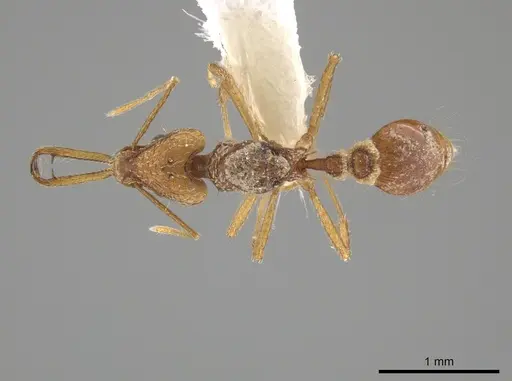
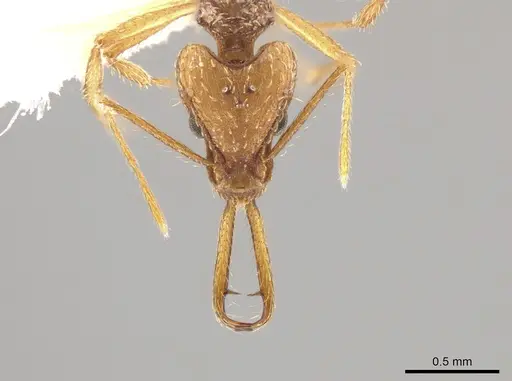
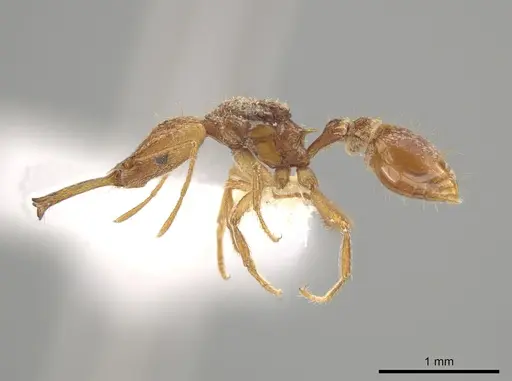
INBIOCRI001283440
View on AntWeb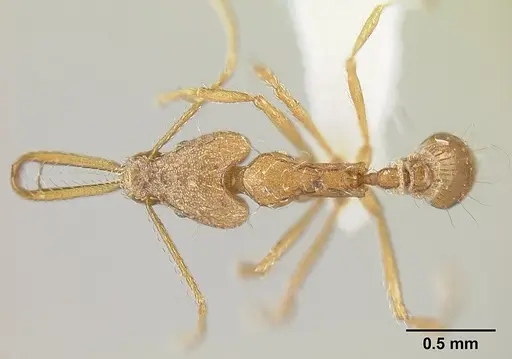
Literature
Loading distribution map...Loading products...