
Woolly Pygmy Snapping Ant
Strumigenys lanuginosa
- Sci. Name
- Strumigenys lanuginosa
- Tribe
- Attini
- Subfamily
- Myrmicinae
- Author
- Wheeler, 1905
- Common Name
- Woolly Pygmy Snapping Ant
- Distribution
- Found in 10 countries
Introduction
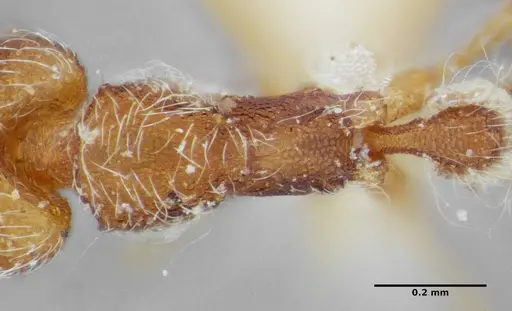
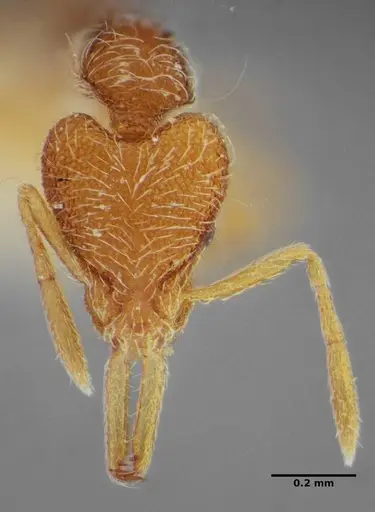
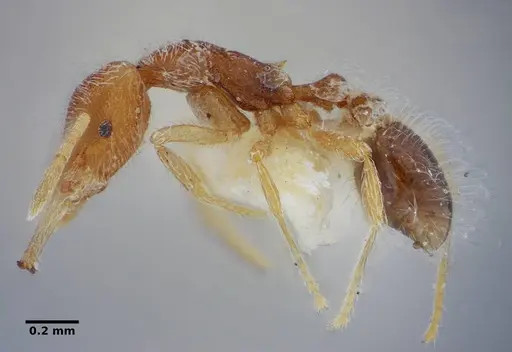
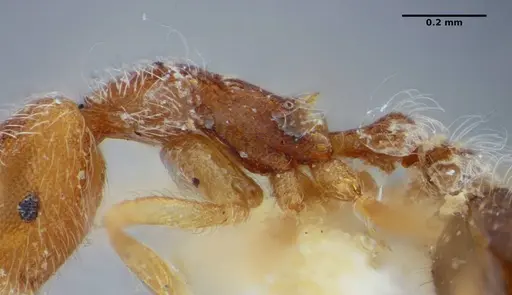
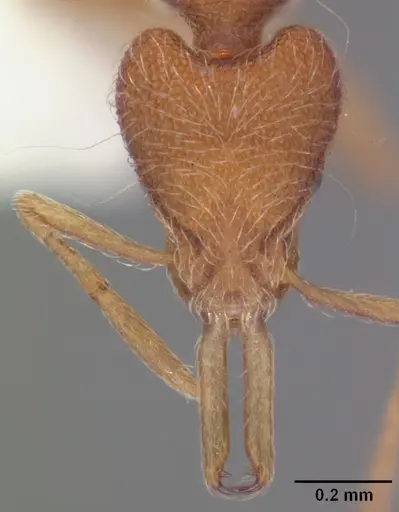
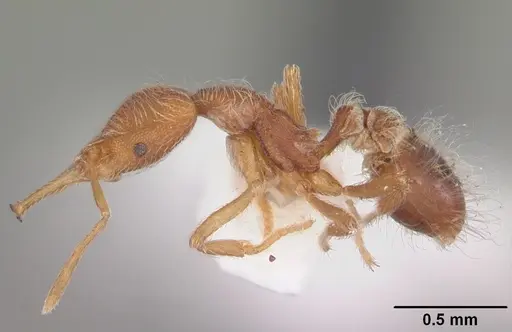
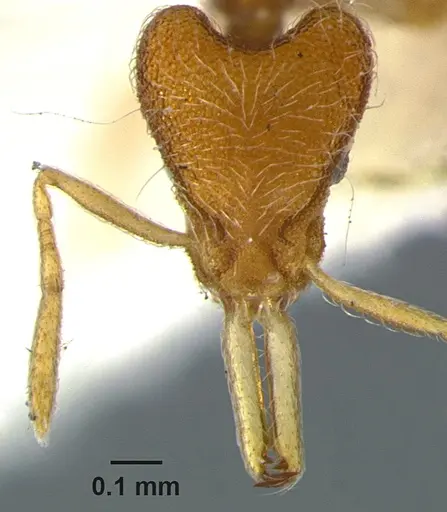
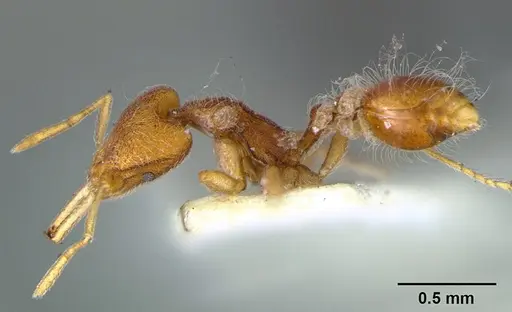
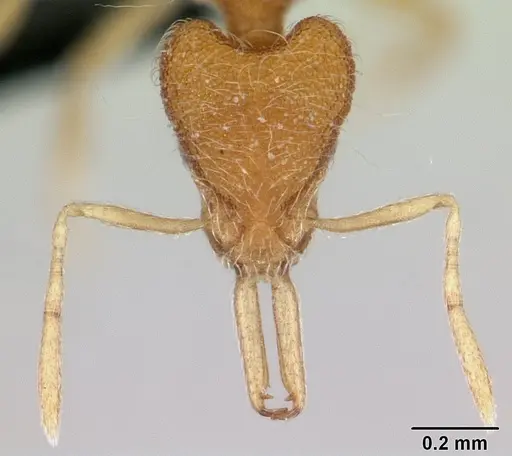
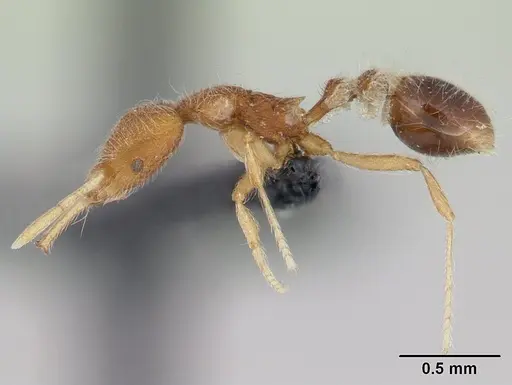
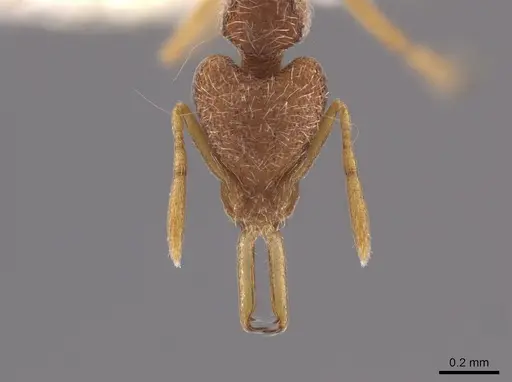
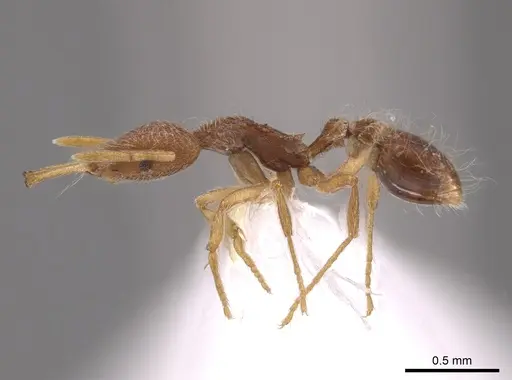
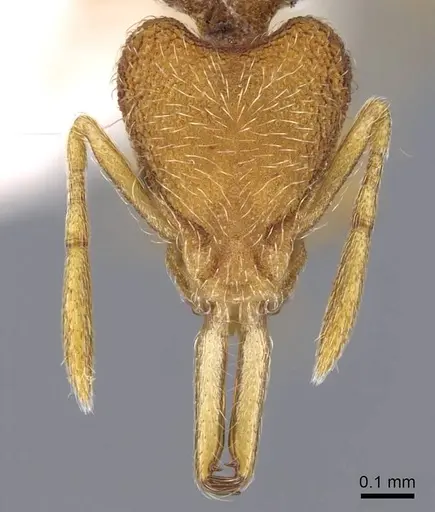
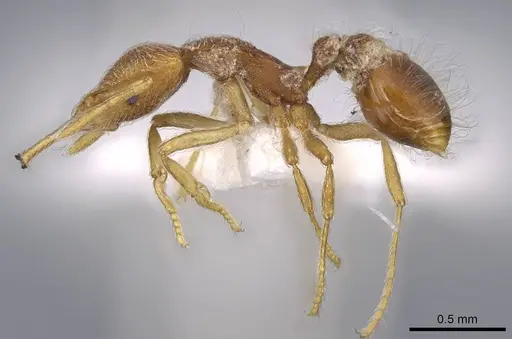
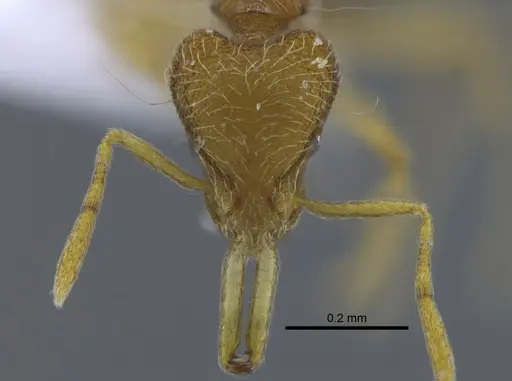
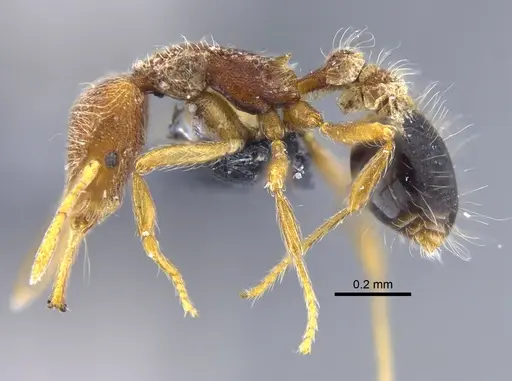
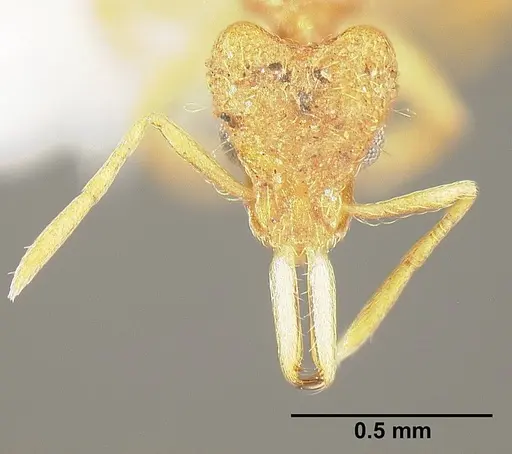
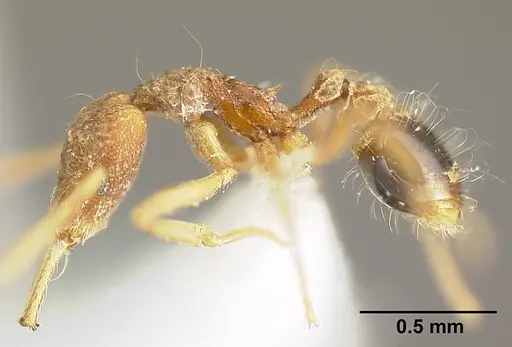
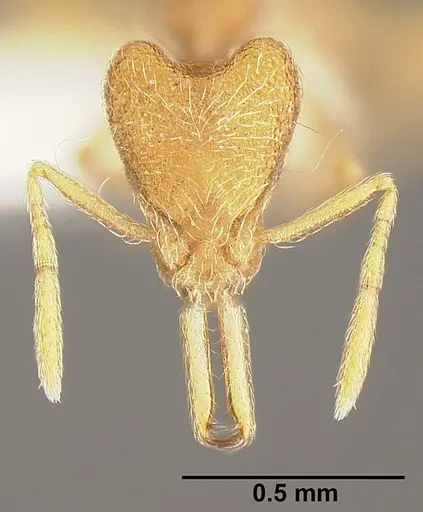
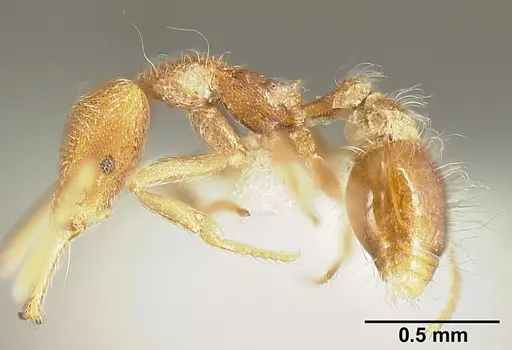
Strumigenys lanuginosa is a tiny predatory ant that lives in leaf litter. Workers measure 2.3-2.6 mm and queens 2.5-2.8 mm . They have long, yellowish hairs covering their bodies, spongy tissue on the waist, and a unique kinetic hunting mechanism in their mandibles . This species is native to the Caribbean, Central America, and northern South America. It has been introduced to southern Florida . Found in wet and dry forests, dry scrub, and even urban gardens . Nests are built in dead wood on the ground .
Quick Summary
- Difficulty: Medium
- Origin & Habitat: Native to the Caribbean (Bahamas, Cuba, Hispaniola, Dominican Republic), Central America (Mexico, Guatemala, Costa Rica, Panama), and northern South America (Colombia, Venezuela, French Guiana). Introduced populations in southern Florida (Dade, Lee, Monroe counties) [3]. Inhabits wet and dry forests, dry scrub, and urban gardens. Nests in dead wood on the ground [4][1].
- Colony Type: Colony structure is not well documented. Single-queen colonies are likely based on typical Strumigenys patterns, but multiple queens have not been ruled out.
- Size & Growth:
- Queen: 2.5-2.8 mm [1]
- Worker: 2.3-2.6 mm [1]
- Colony: Unknown. Based on their cryptic, solitary lifestyle, colonies likely remain small (perhaps under 100 workers), but no reliable data exists.
- Growth: Slow
- Development: Estimated 6-10 weeks at warm temperatures (24-28°C), inferred from related Dacetini species. (Development likely depends on a consistent supply of live tiny prey.)
- Antkeeping:
- Temperature: Keep at 24-28°C year-round. These tropical ants need warmth and cannot handle extended cold. Room temperature (~22°C) may slow activity and growth. Avoid drops below 20°C [1].
- Humidity: Moderate to high. The nest substrate should be lightly moist but not waterlogged. Provide a drier area in the outworld. Their natural leaf-litter habitat stays humid but well-drained [4].
- Diapause: No. As a tropical species, they do not require hibernation. Keep warm year-round [1].
- Nesting: Natural nests are in dead wood on the ground. In captivity, a test tube setup with a cotton water reservoir works for founding. For established colonies, a small naturalistic setup with soil, leaf litter, and pieces of rotten wood is best. They prefer tight, dark chambers.
- Behavior: Shy, cryptic, and slow-moving. Workers spend most of their time hidden in leaf litter and soil, hunting tiny prey. They have a functional stinger (typical of Myrmicinae) but it is weak and not a threat to humans. Escape prevention is critical due to their tiny size, they can slip through gaps smaller than 1 mm. They are most active in dim light.
- Common Issues: escape through tiny gaps, use fine mesh (0.5 mm) on all openings, starvation if live micro-prey (springtails, mites) is not provided, they ignore sugar water and commercial foods, mold and decay from overfeeding or excess moisture, remove uneaten prey after 24 hours, stress from disturbance during founding, avoid checking the queen often, slow colony growth can be mistaken for colony failure, patience is required
Housing and Setup
A test tube setup is ideal for founding: fill a test tube one-third with water, plug with cotton to create a reservoir, then add a second dry cotton plug at the far end for the queen to nest in. Keep the tube horizontal in a dark, quiet spot. For established colonies, a small naturalistic terrarium works best. Use a shallow container with 2-3 cm of soil, pieces of dead wood, leaf litter, and moss. Avoid large open spaces, these ants thrive in compact, cluttered environments. Cover all ventilation holes with fine mesh (0.5 mm or smaller) to prevent escapes [4][1].
Feeding and Diet
Strumigenys lanuginosa is a specialized predator that needs live micro-prey. The best staple food is live springtails (Collembola). They also accept tiny mites, booklice (psocids), and other micro-arthropods. They do not eat sugar water, honey, or typical ant food. Offer a few prey items every 3-4 days. Remove any uneaten prey after 24 hours to prevent mold and decay [2].
Temperature and Care
Maintain nest temperatures between 24-28°C. A small heating cable on one side can create a gradient, but ensure there is a cooler area (around 22°C) so the ants can thermoregulate. Avoid prolonged exposure below 20°C. No hibernation period is needed [1]. Keep the nest substrate lightly moist, not wet. Check daily that the cotton plug in a test tube setup stays fresh, replace if mold grows.
Behavior and Temperament
These ants are timid and spend most of their time hidden. Workers move slowly and rely on camouflage and secrecy to avoid threats. They have a functional stinger (typical of the subfamily Myrmicinae) but it is small and poses no danger to humans, they rarely attempt to sting even when handled. Their primary defense is to stay still or flee. They use a kinetic snap of their mandibles to capture prey [2]. They are most active at night or under dim light. Because of their tiny size, they are expert escape artists, always seal enclosures carefully.
Colony Founding
The exact founding method is not confirmed. Wheeler (1905) found queens under stones near nests of other ant species, suggesting they may start colonies in pre-existing cavities, perhaps with temporary assistance. A claustral founding (queen fasting alone) is possible, but not proven. In captivity, offer a queen a test tube with a dark chamber and disturb her as little as possible. Do not expect rapid progress, the first workers may take several months to appear [1].
Growth and Development
Colony growth is slow. A mature colony likely stays under 100 workers, but this is an estimate based on related leaf-litter Strumigenys species. The spongiform tissue on the petiole and postpetiole may serve as a food storage organ [5]. Workers are probably long-lived for ants of this size, helping the colony survive with low birth rates.
Frequently Asked Questions
Can I keep Strumigenys lanuginosa in a test tube?
Yes, test tubes work well for founding. Use a standard setup with a water reservoir and dry cotton nesting area. Keep it horizontal in a dark, quiet location. For established colonies, a small naturalistic setup with soil and leaf litter is better for hunting [1].
What do Strumigenys lanuginosa ants eat?
They eat live micro-prey only. Springtails are ideal. They also take tiny mites, booklice, and other small arthropods. They do not accept sugar water or typical ant food [2].
How long until first workers appear?
Expect 6-10 weeks from egg to first worker at 24-28°C, based on related species. Development is slow and dependent on steady warmth and food [1].
Are Strumigenys lanuginosa good for beginners?
No. Their specialized diet (live micro-prey only), tiny size (high escape risk), and slow growth make them challenging. Best for experienced keepers who can provide consistent live food and secure enclosures.
Do Strumigenys lanuginosa need hibernation?
No. They are tropical and need warmth year-round (24-28°C). Temperatures below 20°C can stress or kill the colony [1].
How big do Strumigenys lanuginosa colonies get?
The precise size is unknown. Based on their tiny size and leaf-litter lifestyle, colonies probably stay under 100 workers, but no reliable data exists.
Why are my Strumigenys lanuginosa dying?
Common reasons: escape and subsequent desiccation, starvation (no live prey), mold from overfeeding or too-wet conditions, and temperature stress (too cold). Secure all openings, feed live springtails, maintain moderate moisture, and keep warm.
When to move Strumigenys lanuginosa to a larger setup?
Wait until the colony has at least 20-30 workers before moving to a small naturalistic terrarium. They do best in compact spaces with natural materials like soil, dead wood, and leaf litter. Avoid large formicariums with open spaces.
Report an Issue
The current care sheet is based fully on literature. See inconsistencies, or something that's incorrect? Please , it will be resolved after review from an admin. Contributing to the blogs tab also helps providing information, to make us be able to further improve the caresheets. Thank you for your support!
References

This caresheet is licensed under CC BY-SA 4.0 .
Community Blogs
ANTWEB1032495
View on AntWeb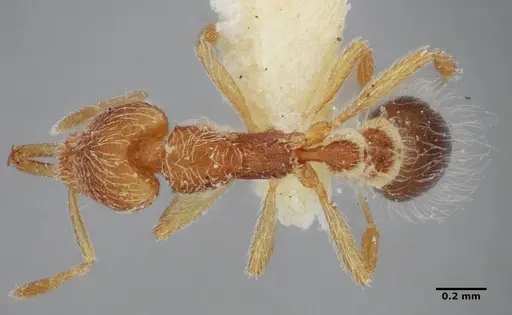
CASENT0104517
View on AntWeb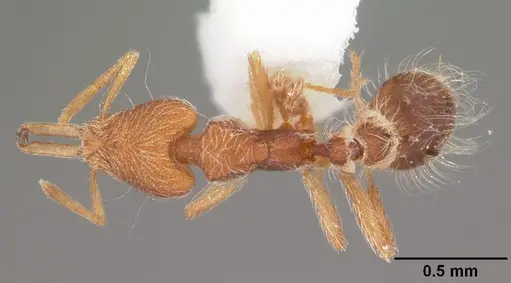
CASENT0105875
View on AntWeb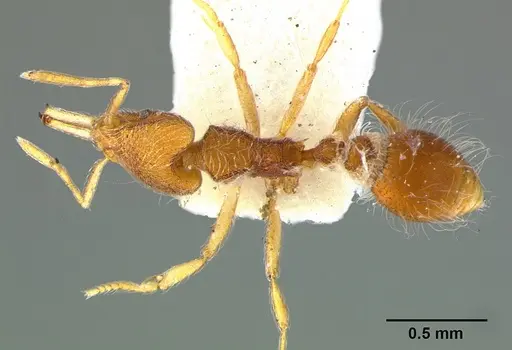
CASENT0178644
View on AntWeb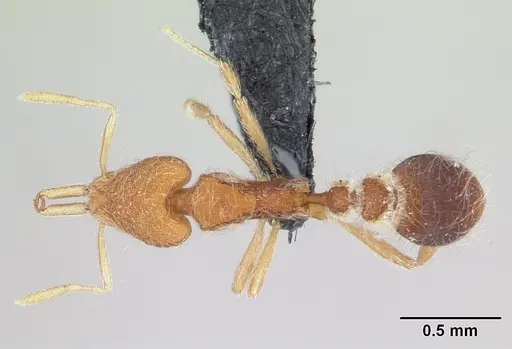
CASENT0641112
View on AntWeb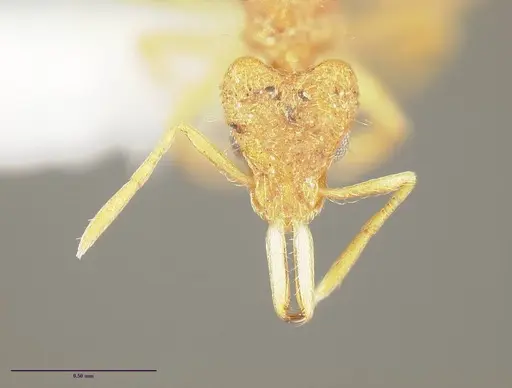
CASENT0648715
View on AntWeb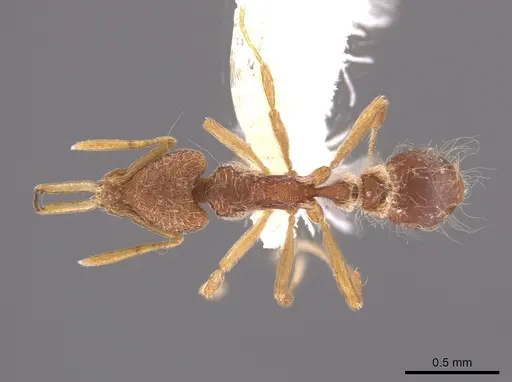
CASENT0914741
View on AntWeb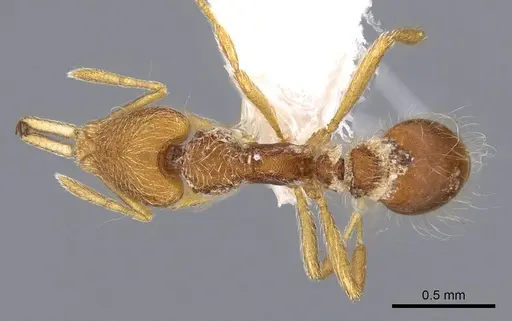
CBUMAGENT41689
View on AntWeb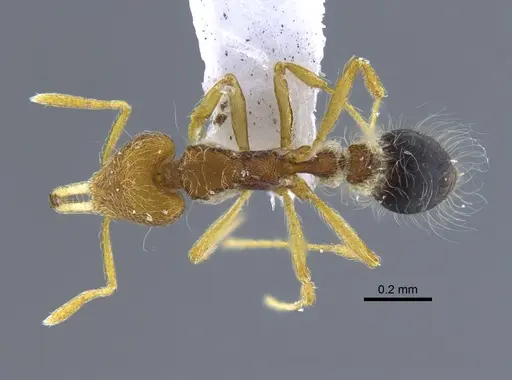
INB0003692957
View on AntWeb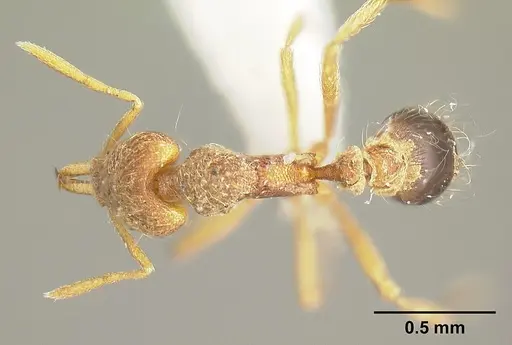
INBIOCRI001281641
View on AntWeb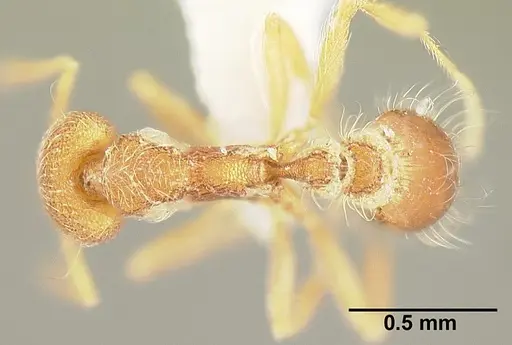
Literature
Loading distribution map...Loading products...