
Strumigenys karawajewi
- Sci. Name
- Strumigenys karawajewi
- Tribe
- Attini
- Subfamily
- Myrmicinae
- Author
- Brown, 1948
- Distribution
- Found in 5 countries
Introduction
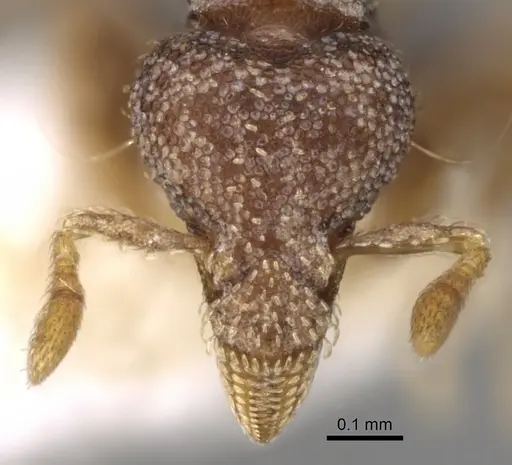
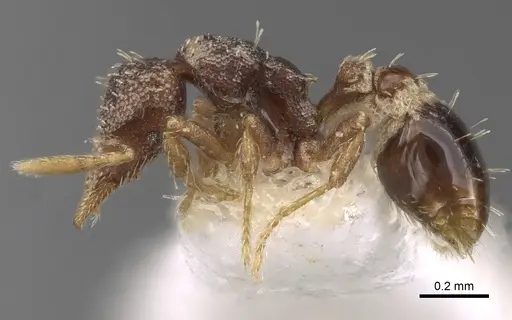
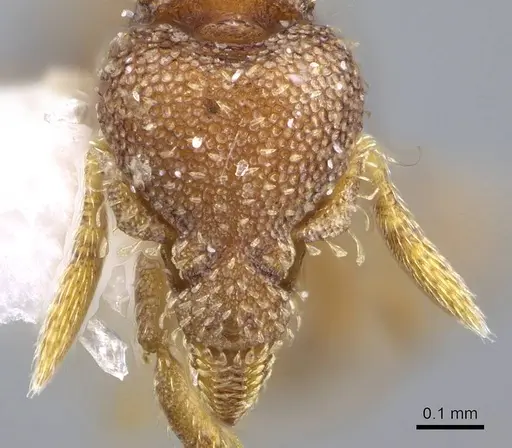
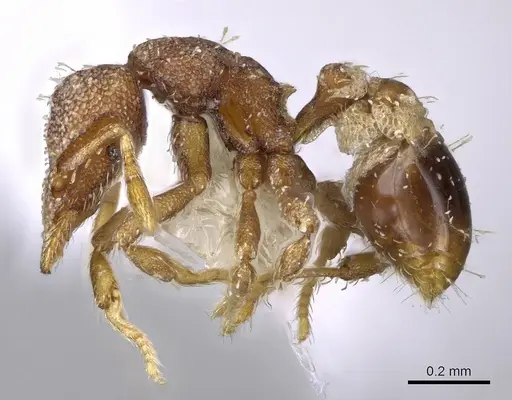
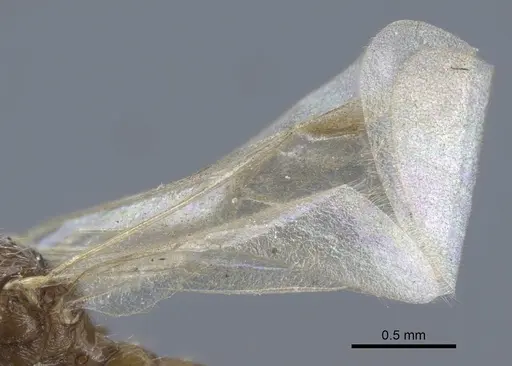
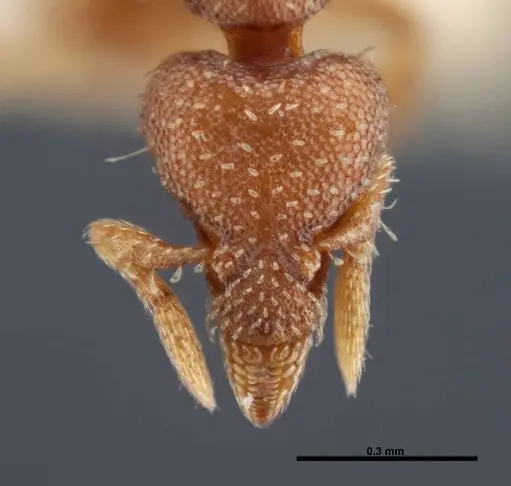
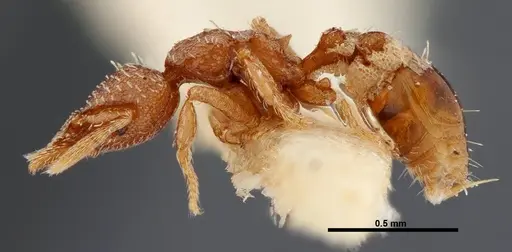
Strumigenys karawajewi is a tiny predatory ant with workers measuring 1.8-2.1 mm total length . It belongs to the Myrmicinae subfamily and Attini tribe. Workers have distinctive long flagellate hairs on the head and pronotum, and a smooth, glossy postpetiole disc . This species is part of the Strumigenys capitata group, closely related to Strumigenys dohertyi, and is widely distributed across the Malesian region from Sumatra and Borneo to New Guinea, Australia, and several Pacific islands . Unlike their fungus‑growing relatives in Attini, Strumigenys are specialized predators that use trap‑jaw mandibles to hunt tiny soil arthropods like springtails. Their natural habitat is tropical rainforest leaf litter and soil .
Quick Summary
- Difficulty: Hard
- Origin & Habitat: Native to the Malesian region (Sumatra, Borneo, Indonesia, Malaysia, Philippines, New Guinea, Australia, Micronesia, Palau, Solomon Islands, Tonga) where they inhabit tropical rainforest leaf litter and soil [1][2].
- Colony Type: Single‑queen colonies are typical for Strumigenys, though specific data for this species is lacking, likely monogyne based on related species.
- Size & Growth:
- Queen: Size data unavailable, queen described but no measurements recorded in available literature.
- Worker: 1.8-2.1 mm total length [1]
- Colony: Unknown, estimated under 100 workers based on related Strumigenys species
- Growth: Slow, based on typical Strumigenys patterns
- Development: No specific data available, inferred from related Strumigenys to be 6-8 weeks at warm temperatures (24-28°C) (Development time is an estimate, direct measurements not published for this species.)
- Antkeeping:
- Temperature: Because the species originates from tropical rainforests [1], aim for 24-28°C. A temperature gradient is recommended so ants can choose their comfort zone.
- Humidity: High humidity is essential, replicate damp forest floor conditions. Keep the nest substrate consistently moist but not waterlogged, and provide a gradient of moisture levels [1].
- Diapause: Unlikely to require diapause as they are tropical. However, activity may slow during cooler spells, no hibernation needed [1].
- Nesting: A naturalistic setup with moist soil, peat, and leaf litter works best because they naturally nest in leaf litter and soil [1]. Test tubes are possible but challenging due to their tiny size.
- Behavior: These ants are slow‑moving, non‑aggressive, and spend most of their time foraging in the substrate. They pose no threat to humans. Due to their extremely small size (under 2.2 mm), escape prevention is critical, standard barriers often fail. They are cryptic and best observed under magnification [1].
- Common Issues: escape prevention is critical, they slip through tiny gaps and standard barriers, use fluon and fine mesh, humidity management, too dry stresses the colony, too wet causes mold, require damp but not waterlogged conditions, finding suitable food, they need live prey such as springtails, not interested in sugar or scavenged items, slow colony growth, typical for the genus, unrealistic expectations may lead to disappointment, parasites from wild colonies can devastate captive setups
Housing and Setup
Since Strumigenys karawajewi naturally inhabits leaf litter and soil in tropical rainforests [1], a naturalistic terrarium‑style formicarium is recommended. Use a mix of moist peat, coco fiber, and decomposed leaf litter as substrate. Keep the substrate consistently damp but not waterlogged. A layer of dry leaf litter on top helps maintain humidity and provides foraging cover. Because of their tiny size (workers
Feeding and Diet
No specific dietary studies exist for Strumigenys karawajewi, but related Strumigenys are specialized predators of tiny soil arthropods. Springtails are the ideal prey and likely the natural food. Offer live springtails every 2-3 days, or maintain a culture in the formicarium. They may also accept minute soil mites or very small beetle larvae. Sugar sources and dead insects are generally ignored. Adjust portion size to prevent leftovers from molding, remove uneaten prey after 24 hours.
Temperature and Care
This species originates from tropical rainforests [1], so warmth is critical. Maintain a temperature range of 24-28°C, a gentle heat mat placed on one side of the enclosure creates a gradient. Below 22°C activity and brood development may slow. Avoid direct heat that dries the substrate. They do not require hibernation [1]. Monitor substrate moisture daily, as heat can quickly dry it out. Stable temperatures, free from drafts, are best.
Humidity Management
High humidity is essential to replicate damp forest floor conditions [1]. Keep the substrate moist like a wrung‑out sponge, not dripping wet. Mist the setup occasionally if needed, but avoid standing water. A glass or acrylic formicarium helps you monitor condensation levels. Provide a moisture gradient by watering one side more than the other, allowing ants to self‑regulate. Adding leaf litter and organic material aids moisture retention. Check daily and rehydrate based on need, not a fixed schedule.
Behavior and Temperament
Strumigenys karawajewi is a calm, non‑aggressive ant. They are slow movers and spend most of their time under the substrate, hunting prey. Their tiny size (under 2.2 mm) makes them excellent escape artists, fluon barriers and fine mesh are essential. They rarely sting when handled, and their sting is not medically significant (as typical for Myrmicinae). Colonies are small and grow slowly, which is normal for the genus. Observation is best with a magnifying lens or microscope to see their trap‑jaw hunting behavior [1].
Frequently Asked Questions
How long does it take for Strumigenys karawajewi to produce first workers?
No precise data exists for this species. Based on related Strumigenys, first workers (nanitics) likely appear about 6-8 weeks after egg‑laying, provided temperatures are kept warm (24-28°C).
Can I keep Strumigenys karawajewi in a test tube?
Test tubes are challenging because of the ant’s tiny size and high humidity needs. If you try, use very tightly packed cotton and apply fluon barriers. A naturalistic setup with moist substrate is usually more successful.
What do Strumigenys karawajewi ants eat?
They are specialized predators that require live tiny prey. Springtails are ideal, they will also eat minute soil mites and small beetle larvae. They do not accept sugar or dead insects.
Are Strumigenys karawajewi good for beginners?
This species is rated as hard. The main challenges are escape prevention due to their tiny size, the need for specialized live prey (springtails), and precise humidity management. Beginners may find these requirements difficult.
How big do Strumigenys karawajewi colonies get?
Colony size is not recorded for this species. Based on related Strumigenys, colonies are small (likely under 100 workers). Growth is slow.
Do Strumigenys karawajewi need hibernation?
No. Being a tropical rainforest species, they do not require diapause. Keep warm year‑round (24-28°C).
Why are my Strumigenys karawajewi escaping?
Their tiny size (under 2.2 mm) allows them to slip through gaps you cannot see. Apply fluon barriers to all enclosure edges, use fine mesh on vents, and ensure lids seal tightly.
When should I move Strumigenys karawajewi to a formicarium?
Start with a founding setup (test tube or small container with moist substrate). Move to a larger naturalistic setup once the colony reaches roughly 15-20 workers. A setup that mimics leaf litter is better than a traditional formicarium.
Can I keep multiple Strumigenys karawajewi queens together?
Not recommended. Strumigenys are typically single‑queen (monogyne). Combining unrelated queens risks fighting and colony failure. This is based on genus‑level patterns, not confirmed for this species.
Report an Issue
The current care sheet is based fully on literature. See inconsistencies, or something that's incorrect? Please , it will be resolved after review from an admin. Contributing to the blogs tab also helps providing information, to make us be able to further improve the caresheets. Thank you for your support!
References

This caresheet is licensed under CC BY-SA 4.0 .
Community Blogs
CASENT0280700
View on AntWeb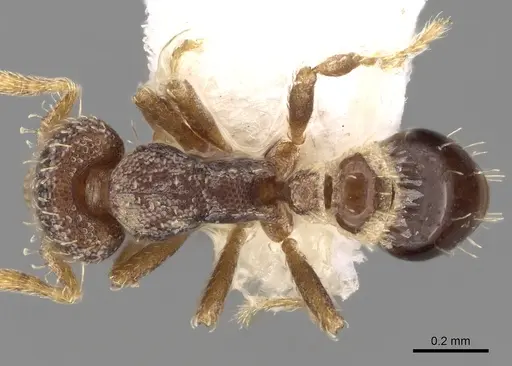
CASENT0914625
View on AntWeb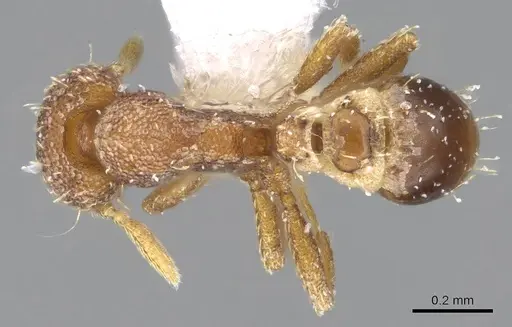
CASENT0917088
View on AntWeb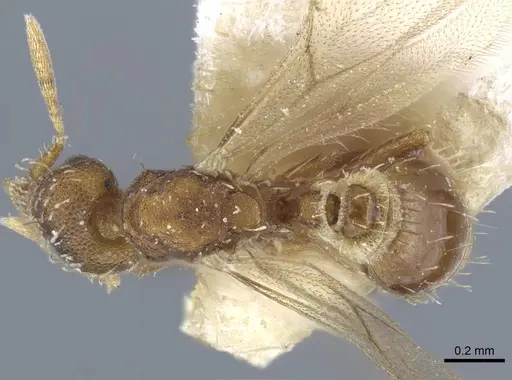
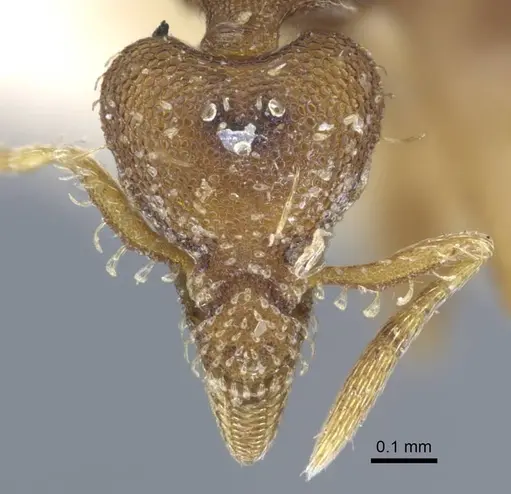
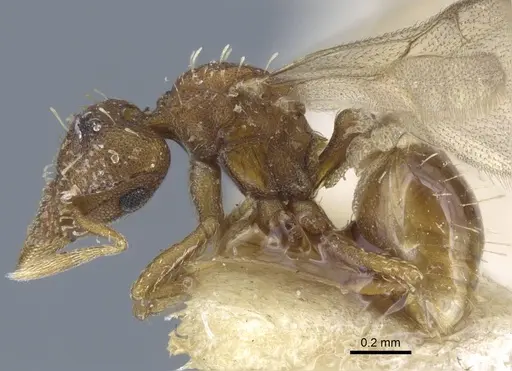
CASENT0917090
View on AntWeb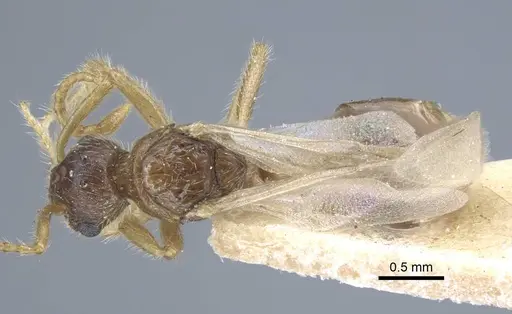
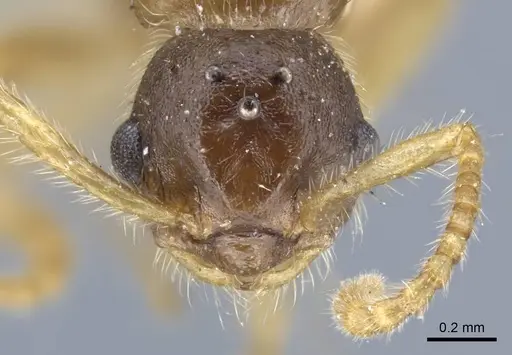
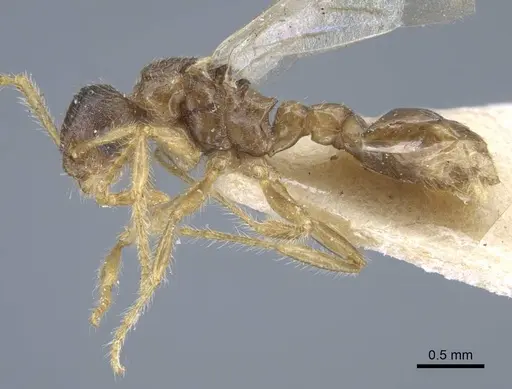
FMNHINS0000042997
View on AntWeb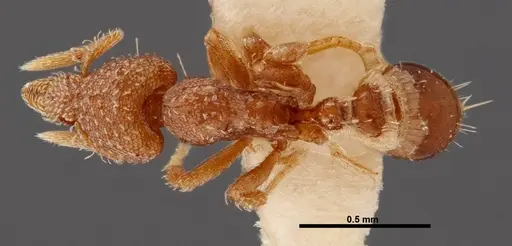
Literature
Loading distribution map...Loading products...