
Strumigenys inhonesta
- Sci. Name
- Strumigenys inhonesta
- Tribe
- Attini
- Subfamily
- Myrmicinae
- Author
- Bolton, 2000
- Distribution
- Found in 1 countries
Introduction
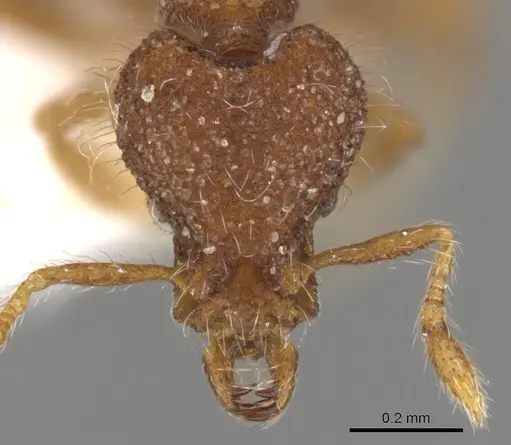
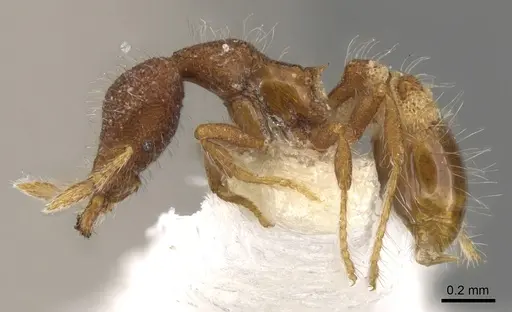
Strumigenys inhonesta is an extremely tiny predatory ant. Workers measure just 2.2-2.3mm in total length . They have specialized mandibles for capturing springtails and other small prey . The species belongs to the akalles group and features fine hairs on the scapes and curved hairs on the head margin . This species is native to Southeast Asia, found across Indonesia (Borneo, Sulawesi), Malaysia, the Philippines, and recently confirmed in Thailand . They inhabit wet forests, including old secondary forest and leaf litter, with one nest collected from a clay bank . The Thailand record extends the known range 1500km eastward and is the first confirmed presence on continental Asia .
Quick Summary
- Difficulty: Expert
- Origin & Habitat: Southeast Asia, Indonesia (Borneo, Sulawesi), Malaysia, Philippines, and Thailand. Inhabits wet forest environments including old secondary forest, leaf litter, and clay banks [1][2].
- Colony Type: Colony structure is unconfirmed. Based on typical Strumigenys patterns, likely single-queen colonies with small colony sizes [2].
- Size & Growth:
- Queen: Unconfirmed, no documented measurements
- Worker: 2.2-2.3mm total length [1]
- Colony: Likely small, typical for Strumigenys species, probably under 100 workers [2]
- Growth: Unknown, likely slow based on small colony sizes
- Development: Unconfirmed, estimated 6-10 weeks based on related Dacetini species (No direct development data exists for this species. Estimates are based on genus-level patterns for small Myrmicinae in tropical conditions.)
- Antkeeping:
- Temperature: Keep at 24-28°C, these are tropical forest ants requiring warm, stable conditions. A gentle gradient helps workers self-regulate.
- Humidity: High humidity is essential, think damp forest floor. Keep the nest substrate consistently moist but not waterlogged. Provide a water reservoir.
- Diapause: No, this is a tropical species without documented hibernation requirements [1].
- Nesting: Prefers tight, humid chambers. Test tubes with water reservoirs work well, or small plaster/soil nests with moist substrate. The clay bank collection suggests they nest in confined spaces [2].
- Behavior: Specialized predators that hunt springtails and other micro-arthropods using rapid mandibles. Workers are extremely small (2.2mm) and can squeeze through tiny gaps, escape prevention must be excellent. They have a functional sting but it is weak and rarely used on humans. Foraging is done individually through leaf litter. They are generally non-aggressive toward keepers [2].
- Common Issues: escape prevention is critical, their tiny 2.2mm size means they can squeeze through standard test tube barriers, specialized diet makes them difficult to feed, they need live springtails or similar micro-prey, high humidity requirements can lead to mold if ventilation is poor, slow growth and small colony sizes mean colonies may appear stagnant for long periods, wild-caught colonies may harbor hard-to-detect parasites
Housing and Nest Setup
Strumigenys inhonesta needs careful housing due to its extremely small size. Workers measure just 2.2-2.3mm [1]. Use test tubes with small water reservoirs or mini plaster/soil nests with tight-fitting barriers. Standard cotton stoppers may need extra protection, add fine mesh or fluon barriers because these ants can squeeze through tiny gaps.
The nest chamber should be small and confined, these ants naturally nest in clay banks and tight spaces [2]. Avoid large, open formicaria. Keep the nest humid but provide a dry escape area in the outworld. A small outworld with a hunting area is enough.
Feeding and Diet
This is a specialized predator. Strumigenys are equipped with rapid mandibles for hunting springtails and other tiny arthropods in leaf litter [2]. In captivity, their primary food should be live springtails. Other small live prey like booklice (psocids), fruit flies, and tiny isopods may be accepted.
Do not rely on sugar sources, these are predatory ants, not sugar-seekers. Some workers may occasionally sip honey or sugar water, but protein from live prey is essential for brood development. Feed small amounts of live prey every few days, removing uneaten prey within 24 hours to prevent mold.
Temperature and Humidity
Keep these tropical ants warm at 24-28°C. They come from wet forests in Southeast Asia and need stable, warm conditions [1]. A heating cable on one side of the nest creates a gentle gradient, but avoid direct heat on the nest chamber.
Humidity is critical, aim for 70-80% relative humidity inside the nest. The substrate should feel consistently damp but never waterlogged. These ants are found in wet forest leaf litter and clay banks, indicating they need constant moisture [2]. A water tube with a cotton plug provides humidity and gives workers access to drinking water.
Colony Development
Colony development is likely slow, typical of small Strumigenys species. Expect small first broods, nanitics will be even tinier than normal workers. The colony will stay small, likely under 100 workers at maturity [2].
There is no documented development timeline for this species, but based on related Dacetini, expect 6-10 weeks from egg to worker at optimal temperature. Patience is essential, these colonies grow slowly and may appear stagnant for months between worker increases.
Behavior and Temperament
Workers forage individually through leaf litter, hunting for springtails and other micro-arthropods. Their rapid mandibles snap shut when prey is detected [2]. They are not aggressive toward humans and have a weak sting that is rarely used.
The main behavioral concern is escape risk. At 2.2mm, these are among the smallest ants in the hobby. Standard barrier methods may fail. Use fine mesh on ventilation, apply fluon to test tube rims, and check for gaps regularly. Despite their small size, they are active hunters and will explore extensively.
Frequently Asked Questions
How long does it take for Strumigenys inhonesta to raise first workers?
The exact timeline is unknown for this species, but based on related Dacetini, expect 6-10 weeks from egg to first worker at optimal temperature (24-28°C). Growth is typically slow, and nanitics will be very small.
What do Strumigenys inhonesta ants eat?
They are specialized predators that need live springtails as their primary food. They may also accept other tiny live prey like booklice, fruit flies, and small isopods. Sugar water may be occasionally sipped but should not be a primary food source.
Can I keep Strumigenys inhonesta in a test tube?
Yes, test tubes work well for this species. Use a small tube with a water reservoir and tight-fitting barrier. However, escape prevention must be excellent, their tiny 2.2mm size means they can squeeze through standard cotton plugs. Add fine mesh or fluon as extra protection.
How big do Strumigenys inhonesta colonies get?
Colony size is likely small, probably under 100 workers at maturity. This is typical for Strumigenys species, which maintain small colonies rather than massive supercolonies seen in some Myrmicinae.
Do Strumigenys inhonesta need hibernation?
No, this is a tropical species from Southeast Asia without documented hibernation requirements [1]. Keep them warm year-round at 24-28°C.
Are Strumigenys inhonesta good for beginners?
No, this species is rated expert difficulty. Their specialized diet (live springtails), tiny size requiring excellent escape prevention, high humidity needs, and slow growth make them challenging even for experienced keepers.
Why are my Strumigenys inhonesta dying?
Common causes include: escape through tiny gaps, starvation (needing live springtails, not dead prey), too dry conditions, temperatures below 24°C, or stress from too much handling. Check that escape barriers are secure and that live prey is being offered.
When should I move Strumigenys inhonesta to a formicarium?
Given their small colony size and preference for tight spaces, test tube setups work well long-term. Only consider moving if the colony exceeds 50+ workers and the test tube becomes too cramped. Use a small plaster or soil nest with appropriate humidity control.
Can I keep multiple queens together?
Colony structure is unconfirmed for this species. Combining unrelated queens has not been documented and is not recommended. Based on typical Strumigenys behavior, they are likely single-queen colonies.
Report an Issue
The current care sheet is based fully on literature. See inconsistencies, or something that's incorrect? Please , it will be resolved after review from an admin. Contributing to the blogs tab also helps providing information, to make us be able to further improve the caresheets. Thank you for your support!
References

This caresheet is licensed under CC BY-SA 4.0 .
Community Blogs
CASENT0202533
View on AntWeb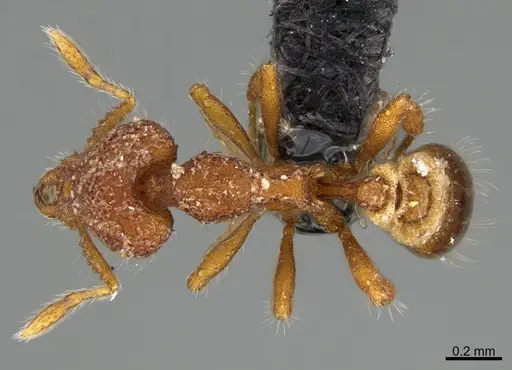
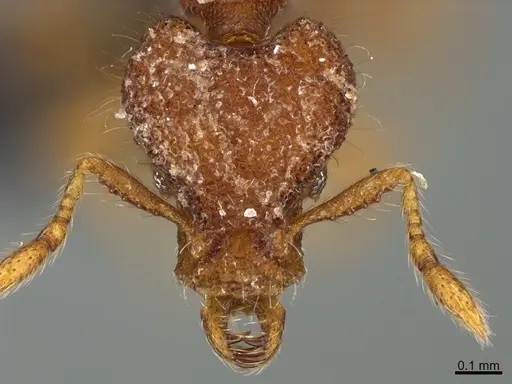
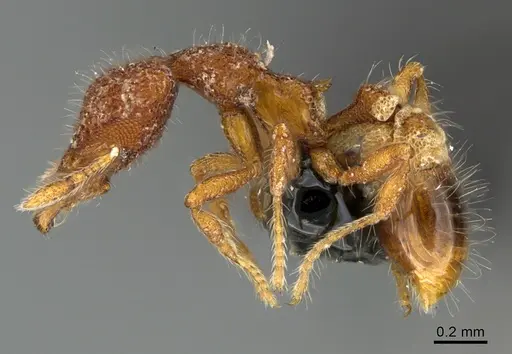
CASENT0900780
View on AntWeb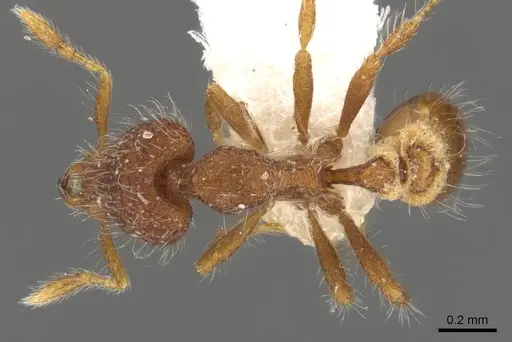
Literature
Loading distribution map...Loading products...