
Strumigenys inatos
- Sci. Name
- Strumigenys inatos
- Tribe
- Attini
- Subfamily
- Myrmicinae
- Author
- Fisher, 2000
- Distribution
- Found in 1 countries
Introduction
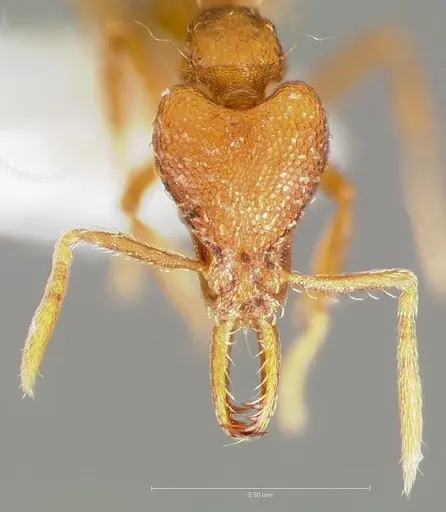
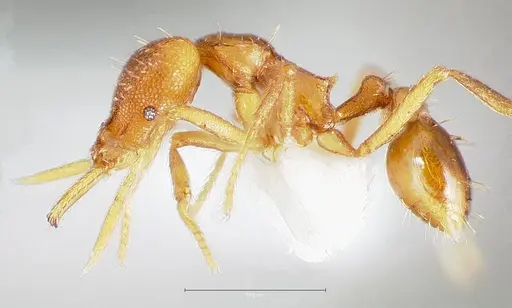
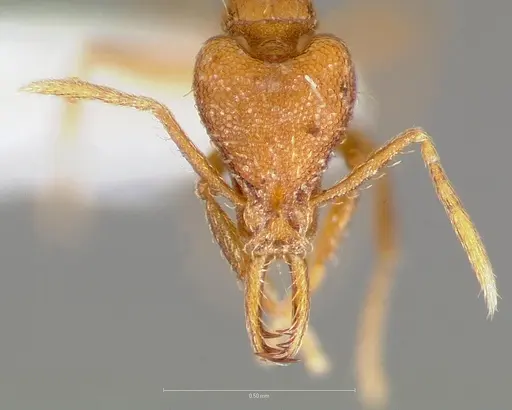
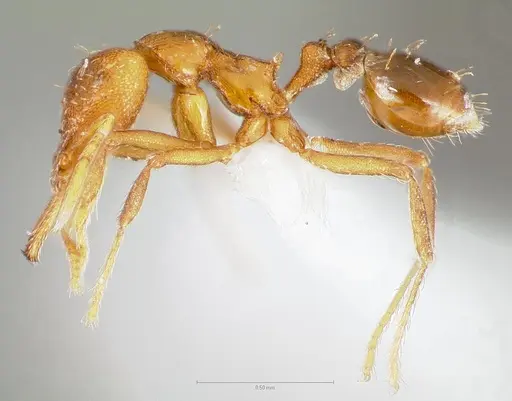
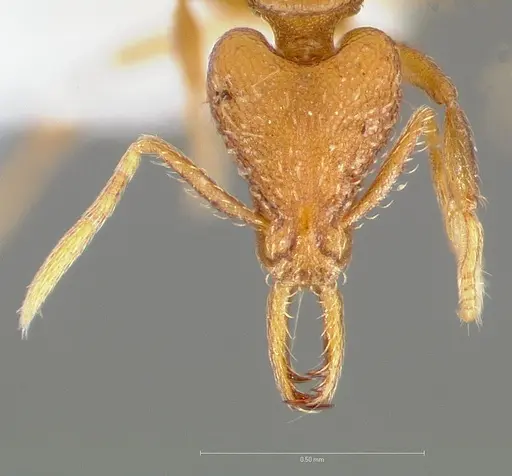
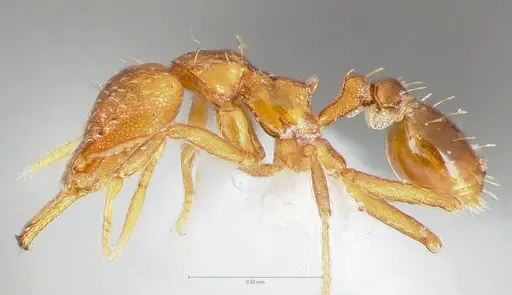
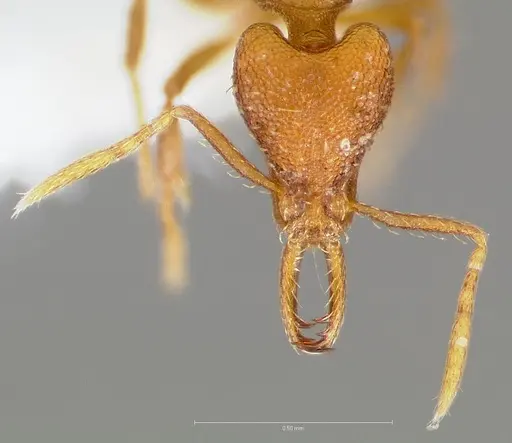
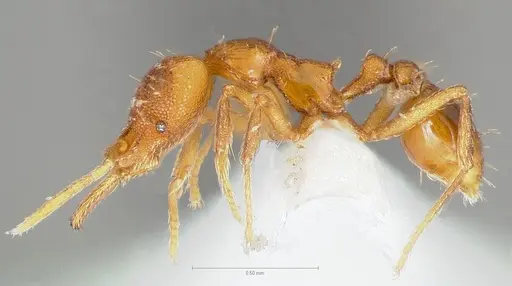
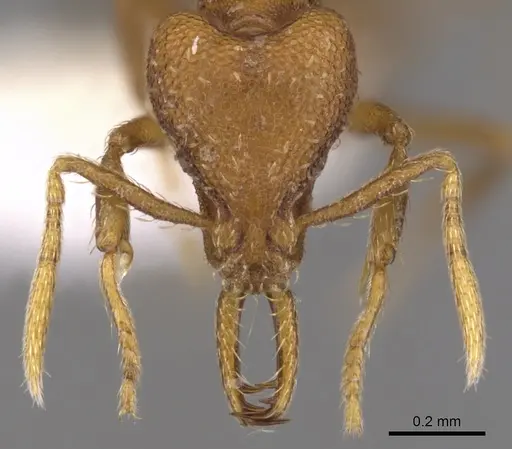
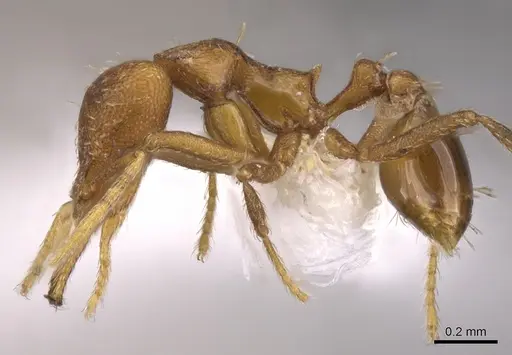
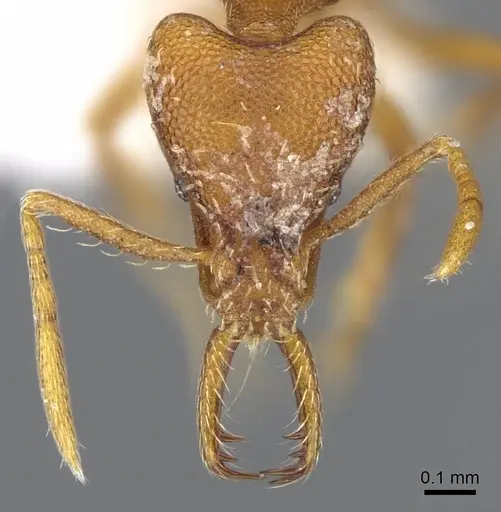
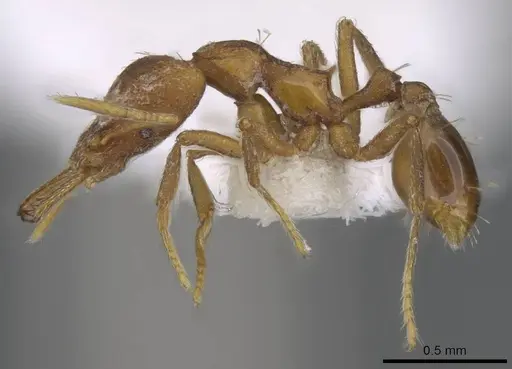
Strumigenys inatos is a tiny predatory ant native to Madagascar, measuring just 2.2-2.5mm in total length . This species belongs to the Strumigenys scotti group and features the genus' characteristic trap-jaw mandibles - specialized snapping jaws used to catch tiny prey like springtails . Workers have a light brown coloration with distinctive spatulate hairs on the head and a reticulate-punctate surface texture on the alitrunk . The species is relatively well-documented for a Strumigenys, having been collected from various forest habitats including rotten logs, sticks, leaf litter, and ground nests at elevations ranging from 780m to 1860m . What makes S. inatos interesting is its elevational flexibility - it's found across multiple habitat zones in Madagascar's montane rainforests . Like other Strumigenys, these ants are cryptobiotic, spending most of their time hidden in the leaf litter and soil layer where they hunt prey . They have specialized mandibles that can snap shut in milliseconds to capture prey, though their secretive nature means you'll see little of that in captivity.
Quick Summary
- Difficulty: Hard
- Origin & Habitat: Madagascar, found in montane rainforest habitats at elevations between 780m and 1860m. Samples taken from rotten logs, sticks, leaf litter, and ground nests [2][1].
- Colony Type: Colony structure is unconfirmed. Based on typical Strumigenys patterns, likely single-queen colonies.
- Size & Growth:
- Queen: Size data unavailable for queens [1].
- Worker: 2.2-2.5mm total length [1].
- Colony: Unknown, based on genus patterns, likely under 200 workers [1].
- Growth: Slow (inferred from related Strumigenys) [1].
- Development: Unknown for this species, based on related Strumigenys, estimated 8-12 weeks [1]. (Development unconfirmed for this species. Expect slow progress.)
- Antkeeping:
- Temperature: 22-26°C (inferred from montane forest habitat) [2]. Avoid prolonged exposure below 20°C or above 30°C.
- Humidity: High, keep substrate consistently moist, similar to damp leaf litter [1]. Avoid waterlogging.
- Diapause: Likely no true diapause. Madagascar has mild seasonal variation, a slight temperature reduction in winter may be safe but not required [2].
- Nesting: Mimic natural habitat: Y-tong or plaster nest with a layer of moist substrate (coco fiber, peat moss, leaf litter). Provide tight, enclosed spaces [1].
- Behavior: Very secretive and slow-moving. Workers hunt individually for tiny prey in the leaf litter layer. Not aggressive and rarely leave the nest area. Escape prevention is critical due to their tiny size, they can squeeze through standard mesh barriers. They are specialized predators on micro-arthropods. Not a display species, you'll spend more time looking at the nest than watching active foraging [1].
- Common Issues: tiny size makes escape likely without fine mesh barriers., specialized diet requires constant supply of live springtails, starvation risk., slow growth can lead to overfeeding and mold if uneaten prey accumulates., wild-caught colonies often harbor parasites that can kill the colony., difficulty maintaining stable prey populations in captive setups.
Housing and Nest Setup
Strumigenys inatos needs a setup that mimics their natural forest floor habitat. A Y-tong or plaster nest works well, but you should add a layer of moist substrate (coco fiber, peat moss, or a mix) on top of the nest chambers to create the damp leaf litter environment they naturally inhabit [1]. The nest should have tight chambers and narrow passages scaled to their tiny size, these ants feel exposed in large open spaces. A naturalistic setup with a soil layer, leaf litter, and small pieces of rotting wood on top of a formicarium also works and encourages natural hunting behaviors. Use excellent escape prevention, these ants are tiny enough to squeeze through standard test tube cotton and regular mesh. Fine mesh or Fluon on container rims is essential [1].
Feeding and Diet
This is the most challenging aspect of keeping S. inatos. They are specialized predators on tiny micro-arthropods, primarily springtails (collembola) and other soil-dwelling invertebrates [1]. In captivity, their main food should be live springtails, these are essential and you'll need a steady supply. Culture your own springtail colony to ensure this. Other small live prey like booklice (psocids), dust mites, and fruit fly larvae may be accepted, but success varies. Do not rely on sugar sources, honey, or protein jelly, these ants are strict predators and typically ignore carbohydrate foods. Offer prey every 2-3 days, removing any uneaten prey after 24 hours to prevent mold. Watch for hunting behavior: they use their trap-jaw mandibles to snap shut on prey in milliseconds [1].
Temperature and Humidity
As a Madagascar montane forest species, S. inatos prefers warm, humid conditions [2]. Maintain temperatures between 22-26°C, avoid prolonged periods below 20°C or above 30°C. A small heating cable on one side of the nest can help maintain stable temperatures, but always provide a gradient so the ants can self-regulate. Humidity is critical, keep the nest substrate consistently moist but never waterlogged. The substrate should feel damp to the touch. Mist the outworld occasionally and consider a water reservoir in the nest setup. Poor humidity leads to desiccation and colony loss [1].
Colony Care and Maintenance
Strumigenys colonies grow slowly and remain small. Don't expect rapid population explosion. A mature colony might reach under 200 workers, based on genus patterns [1]. Keep the nest setup clean and mold-free by removing uneaten prey promptly. Since they live in damp conditions, check regularly for mold growth and replace substrate if needed. Avoid disturbing the colony unnecessarily, these are shy, secretive ants that stress easily. When moving them, do so gently. Watch for escape attempts during feeding, their tiny size means they'll explore every seam and gap in the enclosure [1].
Acquiring and Founding Colonies
S. inatos is not a common species in the antkeeping hobby. Wild-collected colonies may be available occasionally from specialized dealers or during field collection in Madagascar. If acquiring a colony, quarantine and monitor closely, wild-caught colonies often harbor parasites that can devastate captive colonies. For founding colonies, founding behavior is unconfirmed, but if a queen founds alone, she will likely seal herself in a small chamber and raise the first workers without feeding. Be patient, founding colonies are fragile and should be left undisturbed until workers emerge [1].
Frequently Asked Questions
Can I keep Strumigenys inatos in a test tube?
Unknown. Based on their natural habitat, a test tube with moist substrate may work for founding, but for established colonies a Y-tong or plaster nest with a soil layer is better. Escape prevention is critical regardless [1].
What do Strumigenys inatos eat?
They are specialized predators that need live springtails as their primary food. Other tiny live prey like booklice, dust mites, and fruit fly larvae may be accepted. They do not eat sugar, honey, or protein jelly. Culturing your own springtail colony is highly recommended [1].
How long does it take for Strumigenys inatos to develop from egg to worker?
The exact timeline is unknown for this species. Based on related Strumigenys, expect about 8-12 weeks at optimal temperature. Growth is slow [1].
Are Strumigenys inatos good for beginners?
No, this is an advanced species. Their specialized diet (live springtails only), tiny size requiring excellent escape prevention, high humidity needs, and slow growth make them challenging. Better for experienced keepers [1].
How big do Strumigenys inatos colonies get?
Unknown, based on typical Strumigenys patterns, colonies likely remain under 200 workers at maturity [1].
Do Strumigenys inatos need hibernation?
Likely no true hibernation. As a Madagascar montane species from relatively stable elevational habitats, a cold diapause is not required. A slight temperature reduction during winter may be appropriate but is not necessary [2].
Why are my Strumigenys inatos dying?
Common causes: escape (they're tiny and squeeze through barriers), insufficient live prey (starvation), low humidity (need damp conditions), or parasites from wild-caught colonies. Check each factor. Their slow growth means problems may take weeks to become obvious [1].
When should I move my colony to a formicarium?
Move to a proper nest setup (Y-tong, plaster, or naturalistic) once the colony has multiple workers and needs more space. Use a pre-moistened substrate layer to maintain humidity [1].
Can I keep multiple queens together?
Combining unrelated queens of this species has not been documented. Based on typical Strumigenys behavior, single-queen colonies are most likely. Stick to one queen per setup [1].
Report an Issue
The current care sheet is based fully on literature. See inconsistencies, or something that's incorrect? Please , it will be resolved after review from an admin. Contributing to the blogs tab also helps providing information, to make us be able to further improve the caresheets. Thank you for your support!
References

This caresheet is licensed under CC BY-SA 4.0 .
Community Blogs
CASENT0005556
View on AntWeb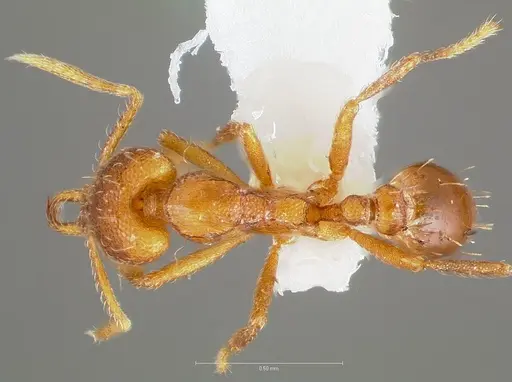
CASENT0005557
View on AntWeb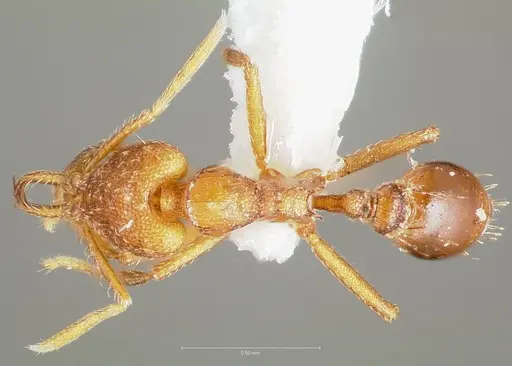
CASENT0005558
View on AntWeb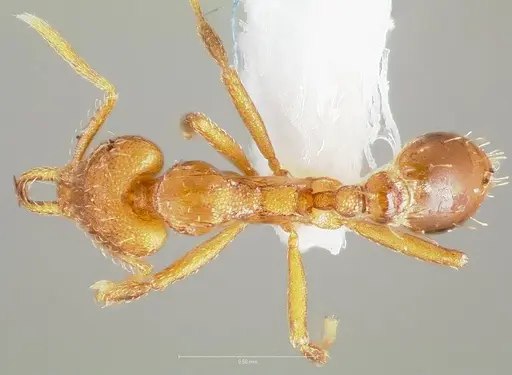
CASENT0005559
View on AntWeb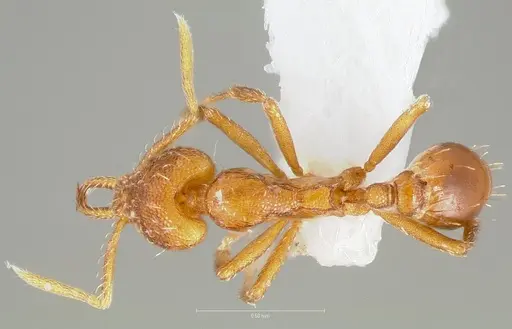
CASENT0900724
View on AntWeb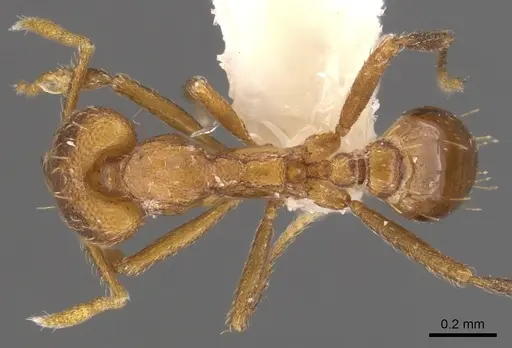
CASENT0914766
View on AntWeb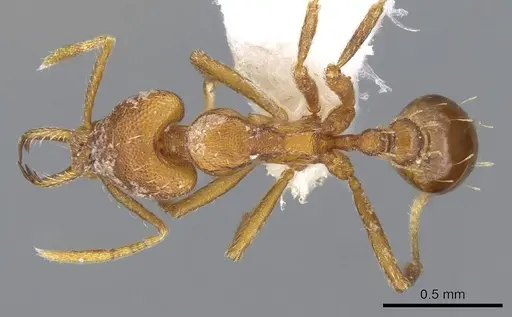
Literature
Loading distribution map...Loading products...