
Strumigenys ignota
- Sci. Name
- Strumigenys ignota
- Tribe
- Attini
- Subfamily
- Myrmicinae
- Author
- Bolton, 2000
- Distribution
- Found in 1 countries
Introduction
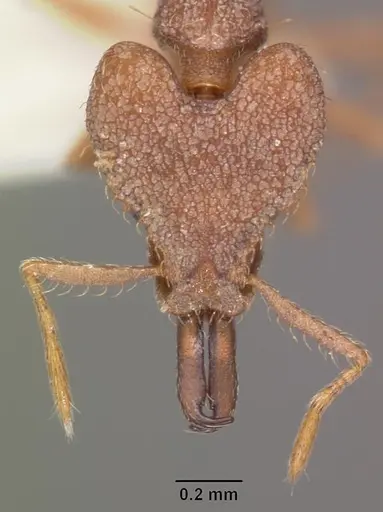
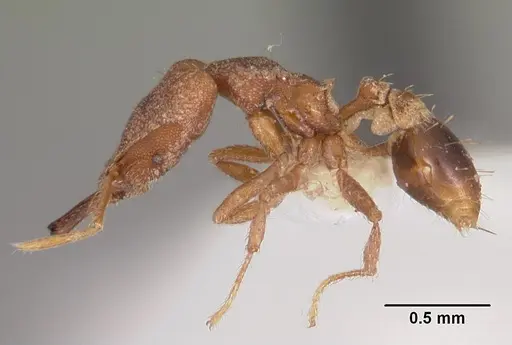
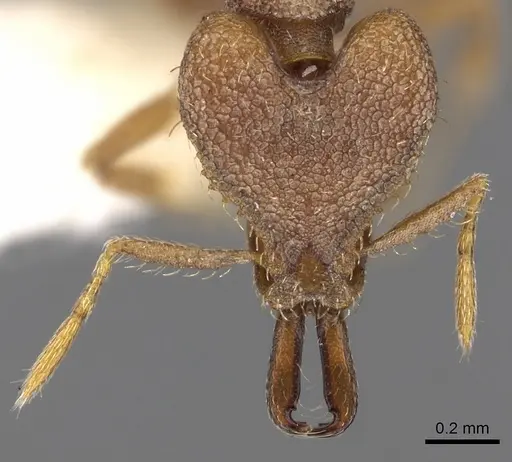
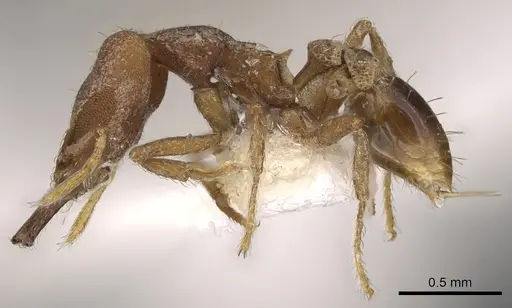
Strumigenys ignota is a tiny predatory ant measuring about 2.8 mm in total length . It belongs to the koningsbergeri group within the genus Strumigenys, which are known for their specialized predatory mandibles. This species is found only in Borneo, Indonesia, and Malaysia, where it inhabits the leaf litter layer of tropical rainforests . The single specimen available from a trophic study was collected in limestone forest . Very little is known about the biology of this species. Based on related Strumigenys, it is likely a specialized predator that hunts small soil invertebrates such as springtails. Keepers should be prepared to work with extremely limited information.
Quick Summary
- Difficulty: Expert
- Origin & Habitat: Borneo, Indonesia, and Malaysia, tropical rainforest leaf litter layer [1]. One specimen was collected from limestone forest using Winkler extraction [2].
- Colony Type: Unknown. Colony structure has not been studied for this species.
- Size & Growth:
- Queen: Unknown, queen has not been described.
- Worker: ~2.8 mm total length (very small) [1].
- Colony: Unknown, likely under 100 workers based on genus patterns, but unconfirmed.
- Growth: Unknown, likely slow based on genus patterns.
- Development: Unconfirmed, estimate of 6-10 weeks based on typical Strumigenys is speculation. (No direct data exists. The timeline is purely an inference from related species.)
- Antkeeping:
- Temperature: Keep at 24-26°C with minimal fluctuation. Do not allow temperatures below 22°C. Use a gentle heat gradient if needed.
- Humidity: Keep substrate consistently moist but not waterlogged. High humidity (70-80%) is critical, mimicking rainforest leaf litter. Mist regularly and ensure good air flow to prevent mold.
- Diapause: No, tropical species from Borneo. No winter dormancy needed [1].
- Nesting: A naturalistic setup with moist substrate (soil/peat) and leaf litter works best. Use a Y-tong or plaster nest with small chambers. Ensure excellent escape prevention due to tiny size.
- Behavior: This species has a functional sting (like other Myrmicinae), but it is not medically significant to humans. They are not aggressive toward keepers. Their main defense is to flee or hide. Escape prevention is critical, at 2.8 mm, they can squeeze through standard barriers. Use fine mesh and tight-fitting lids [1].
- Common Issues: escape prevention is critical due to tiny size, standard barriers may not work, specialized diet may require live springtails, readily accepted prey is unconfirmed, high humidity needed can cause mold if ventilation is poor, very limited biological data makes troubleshooting difficult, all care is experimental, unknown founding behavior means queen rearing is uncertain
Housing and Enclosure
Strumigenys ignota requires excellent escape prevention due to its tiny size (~2.8 mm) [1]. Standard test tube setups may work but need fine mesh barriers and tight-fitting cotton plugs or Fluon coating. A naturalistic terrarium with moist substrate and leaf litter mimics their rainforest floor habitat and helps maintain high humidity. If using a formicarium, choose Y-tong or plaster nests with small chambers (avoid tall open spaces). Provide multiple hiding spots. A small water reservoir connected to the nest can stabilize humidity without flooding. Ensure all lids and joints are sealed.
Feeding and Diet
Based on stable isotope analysis, Strumigenys ignota is a specialized predator [2]. In captivity, live springtails (collembola) should be the primary food source, they are the natural prey of related Strumigenys. Other tiny live prey such as booklice (psocids) or fruit flies may be accepted experimentally. Do not rely on sugar water or honey, as Strumigenys are not attracted to sugars. Feed small amounts of live prey every few days and remove any uneaten prey to prevent mold. The diet is unstudied, so observe closely and adjust.
Temperature and Humidity
As a tropical Borneo species, Strumigenys ignota requires warm, humid conditions [1]. Maintain temperatures between 24-26°C with minimal fluctuation. Room temperature may be sufficient in warm homes, otherwise use a low-level heating cable on one side of the enclosure. Never allow temperatures below 22°C for extended periods. High humidity (70-80%) is critical. Keep the substrate consistently moist but not waterlogged. Mist regularly but ensure adequate air flow to prevent mold. A gradient of moisture within the nest can allow ants to choose their preferred conditions.
Behavior and Temperament
Very little is known about the behavior of this species. Like other Strumigenys, it is a specialized predator [2]. Workers move slowly when foraging but likely have fast mandible strikes for capturing prey. They are not aggressive toward keepers. Their primary defense is to avoid threats, and their sting is weak. Colonies likely stay small. Observation is challenging due to their tiny size and secretive nature. Provide plenty of hiding places and dim lighting for natural foraging.
Finding and Acquiring
Strumigenys ignota is rarely available in the antkeeping hobby due to its restricted range (Borneo only) and lack of biological data. Wild colonies would need to be collected from leaf litter in Bornean rainforests using specialized methods like Winkler extraction [2]. This species is not commonly traded. If acquired, it is for expert keepers interested in rare, specialized species. Expect to isolate queens or colony fragments without any guaranteed founding success.
Frequently Asked Questions
How long does it take for Strumigenys ignota to produce first workers?
The development timeline is unconfirmed. Based on typical Strumigenys patterns, an estimate of 6-10 weeks from egg to worker is used, but this is pure speculation. No data exists for this species [1].
What do Strumigenys ignota ants eat?
Stable isotope analysis shows this species is a specialized predator [2]. In captivity, offer live springtails (collembola) as the primary food. Other tiny live prey like booklice or fruit flies may be accepted. Avoid sugar-based foods.
Can I keep Strumigenys ignota in a test tube setup?
Yes, but escape prevention is critical. At ~2.8 mm, they can squeeze through standard cotton plugs. Use fine mesh, Fluon barriers, and tight-fitting lids. A naturalistic setup with moist substrate may better maintain humidity [1].
Are Strumigenys ignota good for beginners?
No. This species is rated expert due to unknown biology, specialized diet, high humidity needs, tiny size (escape risk), and unconfirmed founding. Beginners should start with more documented species.
Do Strumigenys ignota need hibernation?
No. As a tropical species from Borneo, they do not require hibernation. Keep warm year-round at 24-26°C [1].
How big do Strumigenys ignota colonies get?
Colony size is unknown. Based on typical Strumigenys patterns, colonies likely remain under 100 workers, but this is unconfirmed.
Can I keep multiple Strumigenys ignota queens together?
Not recommended. Colony structure is unconfirmed, and combining queens has not been documented. Strumigenys are generally monogyne (single-queen) based on genus patterns.
Why is my Strumigenys ignota colony declining?
Without biological data, diagnosis is difficult. Common issues: lack of live prey, low humidity, temperature below 22°C, escape, or mold. Carefully check all environmental conditions.
What is the best nest type for Strumigenys ignota?
A naturalistic setup with moist substrate and leaf litter works best, mimicking their rainforest floor habitat. If using a formicarium, choose Y-tong or plaster with small chambers and excellent moisture retention [2].
Where is Strumigenys ignota found in the wild?
Only in Borneo, Indonesia, and Malaysia. It inhabits the leaf litter layer of tropical rainforests, including limestone forests [2][1].
Report an Issue
The current care sheet is based fully on literature. See inconsistencies, or something that's incorrect? Please , it will be resolved after review from an admin. Contributing to the blogs tab also helps providing information, to make us be able to further improve the caresheets. Thank you for your support!
References

This caresheet is licensed under CC BY-SA 4.0 .
Community Blogs
CASENT0102610
View on AntWeb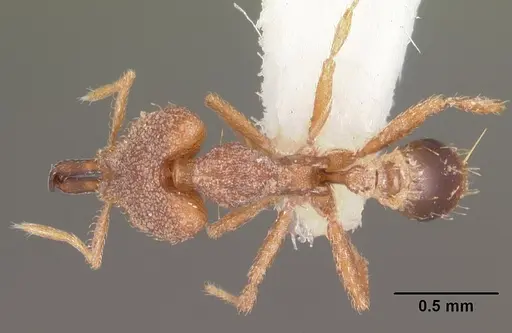
CASENT0900872
View on AntWeb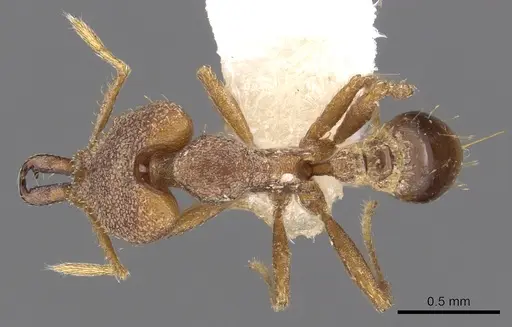
Literature
Loading distribution map...Loading products...