
Strumigenys heteropha
- Sci. Name
- Strumigenys heteropha
- Tribe
- Attini
- Subfamily
- Myrmicinae
- Author
- Bolton, 2000
- Distribution
- Found in 1 countries
Introduction
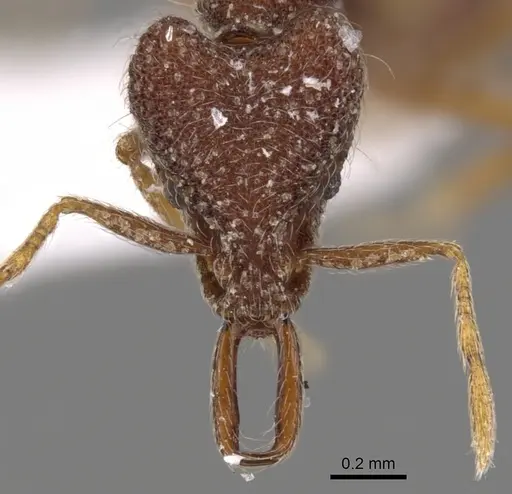
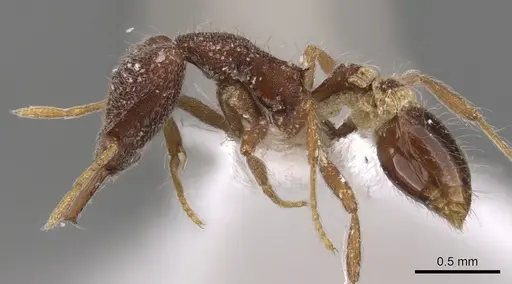
Strumigenys heteropha is a tiny predatory ant measuring 3.2mm in total length . It belongs to the tribe Attini, but unlike fungus-growing relatives, it is an obligate predator that hunts small soil arthropods. Workers have distinctive morphology: a smooth katepisternum, small narrowly triangular propodeal teeth, and a petiole node longer than wide . The head and alitrunk show fine reticulate-rugulose sculpture, and workers carry characteristic flagellate hairs on various body parts . This species is native to southern China (Hong Kong, Hainan) and northern Vietnam, where it inhabits closed-canopy forests, secondary forests, rubber plantations, and tree plantations at elevations between 106-367 meters . A member of the Strumigenys caniophanes group, S. heteropha has trap-jaw mandibles that can strike extremely fast to capture prey. Like other Strumigenys, it is a specialized predator that requires live micro-arthropods in captivity. Their small size and specific needs make them a challenge to keep, but their unusual hunting behavior is rewarding to observe .
Quick Summary
- Difficulty: Hard
- Origin & Habitat: Native to southern China (Hong Kong, Hainan) and northern Vietnam. Found in closed-canopy habitats including tree plantations of Lophostemon confertus, secondary forests, Feng Shui woods, primary forests, and rubber plantations at elevations of 106-367 meters [3][4].
- Colony Type: Colony structure is unconfirmed. Most Strumigenys species are single-queen colonies, but specific data for S. heteropha is lacking.
- Size & Growth:
- Queen: Size data unavailable, queen not described in literature.
- Worker: 3.2mm total length [1]
- Colony: Unknown, no colony size data available for this species
- Growth: Unknown, no development timing data available for this species
- Development: Inferred from related Strumigenys: possibly 6-10 weeks at warm temperatures [3]. (Development timeline is unconfirmed. Related Strumigenys species typically produce small first broods.)
- Antkeeping:
- Temperature: Keep at 22-26°C. This species comes from subtropical Hong Kong and Vietnam where temperatures are warm year-round. A gentle heating gradient allows workers to self-regulate [3].
- Humidity: High humidity required, aim for 70-85%. These ants live in forest floor environments with consistent moisture. Keep the nest substrate moist but not waterlogged, with some drier areas available [3][4].
- Diapause: Unknown for this species. Hong Kong has mild winters, but the extent of dormancy is unconfirmed. Consider a slight cool period (15-18°C) during winter months but monitor for stress.
- Nesting: Prefers naturalistic setups with moist substrate. Y-tong (AAC) nests or plaster nests work well. Provide a deep soil layer or substrate that holds moisture well. Multiple connected chambers allow for proper colony organization [3].
- Behavior: These are tiny, slow-moving ants that rely on stealth rather than aggression. Workers have trap-jaw mandibles capable of extremely rapid strikes to capture small prey. They are not aggressive toward humans but possess a functional stinger (common to the tribe Attini), however it is weak and not a concern. Escape prevention is critical due to their very small size, they can easily slip through standard barrier setups. Use fine mesh and tight-fitting lids. Colonies are likely nocturnal or crepuscular, becoming more active during darker hours [3][1].
- Common Issues: tiny size means escapes are likely without fine mesh barriers, specialized diet makes feeding challenging, they need small live prey, high humidity requirements can lead to mold problems if ventilation is poor, wild-caught colonies may have parasites that are difficult to detect
Housing and Nest Setup
Strumigenys heteropha requires a setup that maintains high humidity while providing space for their small colonies. A Y-tong (AAC) nest with narrow chambers works well, or you can use a naturalistic setup with a deep soil layer (at least 3-4cm) that holds moisture consistently. Plaster nests are another good option as they help maintain humidity levels. The outworld should be simple, a small foraging area connected to the nest chamber. Because they are tiny, use a test tube setup for founding colonies with a water reservoir that won't flood the chamber. Escape prevention is critical: standard fluon barriers may not work due to their small size. Use fine mesh (at least 0.5mm) on all openings and ensure lids fit tightly [3][4].
Feeding and Diet
Strumigenys heteropha is an obligate predator that requires live small arthropods as their primary food source. In captivity, offer small live prey such as springtails, fruit flies, tiny isopods, and other micro-arthropods. They are unlikely to accept pre-killed prey or sugar sources, Strumigenys have specialized trap-jaw mandibles designed for hunting live, struggling prey. Feed small prey items every 2-3 days, adjusting based on colony size and consumption. A founding queen will not need food, claustral species (if confirmed) survive on stored fat reserves until first workers emerge. Once workers are present, they will hunt small prey in the foraging area. Do not overfeed, excess prey can die and cause mold issues in the humid setup they require [3][1].
Temperature and Seasonal Care
Maintain temperatures between 22-26°C for optimal colony health and activity. This species comes from subtropical Hong Kong and northern Vietnam, where temperatures remain warm throughout most of the year. A heating cable on one side of the nest can create a temperature gradient, allowing ants to self-regulate. Place the heating element on top of the nest, not underneath, to prevent excessive drying. During winter, you may reduce temperatures slightly (15-18°C) but monitor colony behavior closely. Unlike temperate species, they may not enter true diapause but could show reduced activity. Avoid sudden temperature changes, gradual transitions are safer. Room temperature within their range is acceptable if your home stays consistently warm [3][4].
Humidity Management
High humidity is essential for this species, aim for 70-85% relative humidity within the nest. Their natural habitat in Hong Kong and Vietnam forests has consistently moist conditions. Keep the nest substrate damp but never waterlogged. Standing water can kill colonies through drowning or promoting harmful mold. Use a water reservoir connected to the nest via cotton to provide consistent moisture without flooding. Monitor for condensation, some condensation is normal and indicates good humidity, but excessive water droplets can drown small workers. Good ventilation is also important to prevent stagnant air and mold growth, but avoid placing the nest in direct airflow that could dry it out quickly [3][4].
Behavior and Colony Dynamics
Strumigenys heteropha workers are small, slow-moving ants that rely on stealth to capture prey rather than aggressive swarming. Their trap-jaw mandibles can strike extremely fast when hunting small soil arthropods. Workers are likely nocturnal or crepuscular, becoming more active during darker hours when prey is more active. Colonies appear to be small even at maturity, related species typically have colonies of only dozens to a few hundred workers. Queens (when found) will be larger than workers and should be housed in a claustral setup (if confirmed) with a small chamber connected to a water source. Workers have a functional stinger (typical of the Attini tribe) but it is weak and not a concern for humans. The main behavioral concern for keepers is their escape risk due to tiny size, they can slip through gaps that would contain larger ants [3][1].
Frequently Asked Questions
How long does it take for Strumigenys heteropha to produce first workers?
The exact timeline is unconfirmed for this species. Based on typical Strumigenys development patterns, expect first workers (nanitics) approximately 6-10 weeks after the queen lays eggs, assuming temperatures around 24-26°C. Development is temperature-dependent, cooler temperatures will slow growth significantly [3].
What do Strumigenys heteropha ants eat?
They are obligate predators that require live small arthropods. Offer springtails, fruit flies, tiny isopods, and other micro-arthropods. They are unlikely to accept pre-killed prey or sugar sources. This makes them more challenging to feed than typical ant species that accept protein and sugar [3][1].
Can I keep Strumigenys heteropha in a test tube?
Yes, a test tube setup works well for founding colonies. Use a small test tube with a water reservoir sealed with cotton, this provides humidity without flooding the chamber. Ensure the cotton is packed firmly enough to prevent the queen from escaping but loose enough to allow moisture transfer. Once the colony grows beyond 20-30 workers, consider moving to a larger setup like a Y-tong nest or naturalistic setup.
Are Strumigenys heteropha good for beginners?
This species is rated as hard difficulty and is not ideal for beginners. Their primary challenges include specialized dietary requirements (needing live small prey), high humidity needs, and escape prevention due to their tiny size. If you have experience keeping other Myrmicinae species successfully, this can be a rewarding species to try [3].
What temperature do Strumigenys heteropha need?
Keep them at 22-26°C. This subtropical species comes from Hong Kong and Vietnam where temperatures are warm year-round. A heating cable on top of the nest can create a gradient, but room temperature within this range is acceptable. Avoid temperatures below 18°C or above 30°C [3][4].
How big do Strumigenys heteropha colonies get?
Colony size is unconfirmed for this specific species. Based on related Strumigenys species, colonies likely reach dozens to a few hundred workers rather than the thousands seen in some larger ant species. They are naturally small colonies even at maturity.
Do Strumigenys heteropha need hibernation?
Diapause requirements are unknown for this species. Hong Kong has mild winters, so they may not require true hibernation. Consider providing a slight cool period (15-18°C) during winter months rather than a full hibernation, and monitor for signs of stress [3].
Why are my Strumigenys heteropha dying?
Common causes include: escape through tiny gaps (use fine mesh), mold from overwatering or poor ventilation, prey items dying and contaminating the nest, temperatures too low or too high, and stress from excessive disturbance. Check your setup first, ensure escape prevention is adequate and humidity is appropriate but not excessive.
When should I move my colony to a formicarium?
Move from a test tube to a larger setup when the colony reaches 20-30 workers or when the test tube shows signs of drying out despite refilling the water reservoir. A Y-tong or naturalistic setup with moist substrate works well for continued growth. Do not disturb the colony during the move, allow them to walk into the new setup rather than shaking them out.
Report an Issue
The current care sheet is based fully on literature. See inconsistencies, or something that's incorrect? Please , it will be resolved after review from an admin. Contributing to the blogs tab also helps providing information, to make us be able to further improve the caresheets. Thank you for your support!
References

This caresheet is licensed under CC BY-SA 4.0 .
Community Blogs
CASENT0900791
View on AntWeb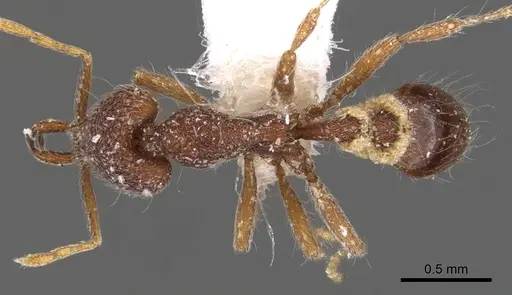
Literature
Loading distribution map...Loading products...