
Strumigenys hensekta
- Sci. Name
- Strumigenys hensekta
- Tribe
- Attini
- Subfamily
- Myrmicinae
- Author
- Bolton, 1983
- Distribution
- Found in 3 countries
Introduction
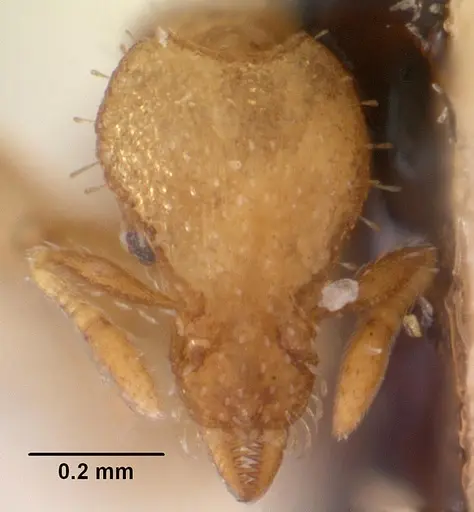
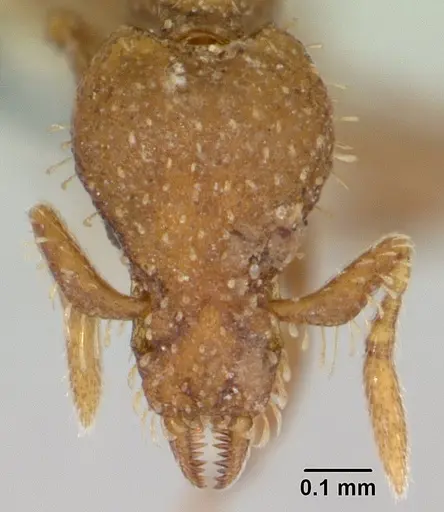
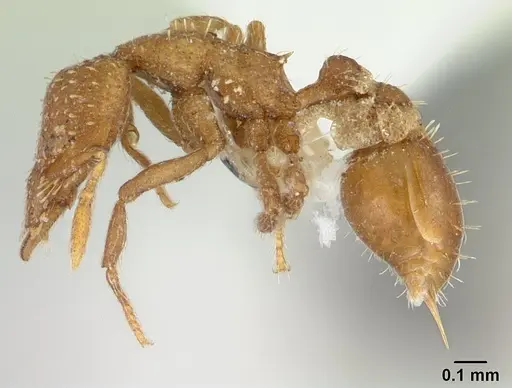
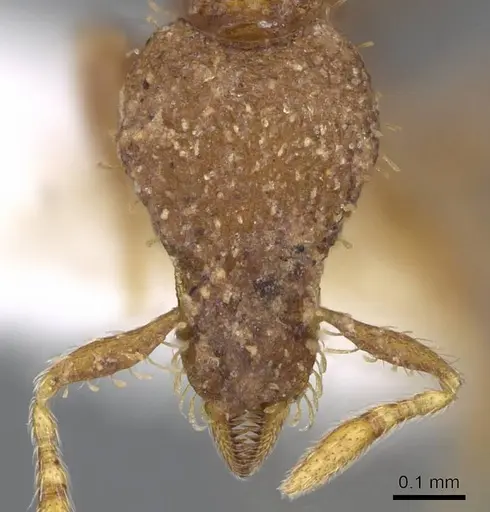
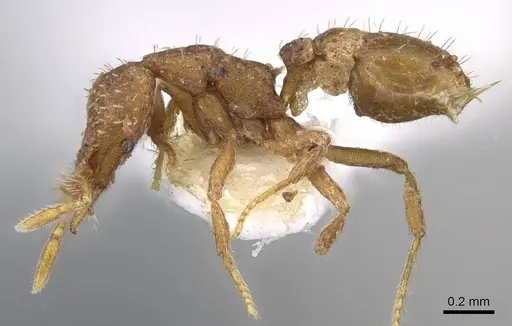
Strumigenys hensekta is a tiny predatory ant measuring just 2.0-2.2 mm in total length (TL). It belongs to the Myrmicinae subfamily and is part of the Strumigenys emarginata group, hensekta complex. Workers have a dull yellow color and are covered with numerous standing hairs on the head, thorax, and first gastral tergite, with 6-7 pairs of stout erect hairs on the dorsal thorax. The pronotal humeri each have a laterally projecting stout hair . This species is found across West and Central Africa, including Ghana, Ivory Coast, Cameroon, Gabon, Democratic Republic of Congo, Uganda, Kenya, and Angola, where it inhabits wet forest leaf litter . Strumigenys are specialized predators that hunt tiny arthropods in the leaf litter, making them challenging but fascinating to keep.
Quick Summary
- Difficulty: Expert
- Origin & Habitat: Wet forest habitats in West and Central Africa, collected from leaf litter samples in shaded, moist environments. Found in Ghana, Ivory Coast, Cameroon, Gabon, Democratic Republic of Congo, Uganda, Kenya, and Angola [1][2].
- Colony Type: Unconfirmed. Based on typical Strumigenys patterns, likely single-queen colonies but not documented for this species.
- Size & Growth:
- Queen: Size data unavailable. Queens of Strumigenys are typically similar in size to workers, slightly larger at ~2-3 mm (inferred from genus).
- Worker: 2.0-2.2 mm total length (TL) [1]
- Colony: Likely under 100 workers, typical for small Strumigenys colonies (inferred).
- Growth: Slow
- Development: Unknown, based on related species, likely 8-12 weeks (inferred). Not directly studied. (Development has not been directly studied for this species. Strumigenys generally develop slowly compared to other Myrmicinae.)
- Antkeeping:
- Temperature: 22-26°C with stable warmth. Originates from wet tropical forests, so warmth and humidity are key [1]. A gentle heat gradient allows workers to self-regulate.
- Humidity: High humidity is critical. Keep the nest substrate consistently moist but not waterlogged. Provide a water tube and avoid dry conditions [1].
- Diapause: Unknown, likely no true diapause given tropical origin, but may show reduced activity during cooler periods.
- Nesting: Y-tong (AAC) or plaster nests with tight chambers scaled to their minute size work well. Avoid dry open environments. Naturalistic setups with leaf litter and moist substrate are also suitable.
- Behavior: Shy, reclusive ants that spend most of their time in the nest. They have a functional stinger but are not aggressive toward humans and rarely use it defensively. Workers are tiny and pale yellow, requiring extreme escape prevention, they can squeeze through gaps smaller than 0.5 mm. They are specialized predators, hunting individually in the leaf litter for springtails and other micro-arthropods. Do not confuse low activity with illness.
- Common Issues: escape prevention is critical, their tiny size means they can escape through gaps invisible to the naked eye, specialized diet makes feeding challenging, they need live springtails or other micro-arthropods, slow growth tests keeper patience and may lead to overfeeding attempts, high humidity requirements can lead to mold if ventilation is poor, wild-caught colonies may contain parasites that can devastate captive colonies
Housing and Nest Setup
Due to their minute size, housing must be escape-proof. Y-tong (AAC) or plaster nests with very tight chambers are ideal. Test tubes can work for founding but may feel too spacious. The most critical factor is escape prevention, seal all gaps and use Fluon or similar barriers, as these ants can escape through openings as small as 0.5 mm. The nest must maintain high humidity, so keep the substrate moist and consider a water tube. An outworld with leaf litter and vertical surfaces gives foragers a natural hunting area.
Feeding and Diet
Feeding is the biggest challenge. Strumigenys hensekta is a specialized predator that primarily hunts springtails (Collembola) in the wild. You must culture your own springtail colony or obtain them regularly. Offer springtails multiple times per week. Other small live prey like booklice (psocids), tiny mites, or fruit fly larvae may be accepted, but springtails are the most reliable. Sugar sources (honey, sugar water) are unlikely to be accepted, they are obligate predators. Feed conservatively to avoid mold and pests.
Temperature and Humidity
Originating from wet tropical forests in West and Central Africa, Strumigenys hensekta needs warm, humid conditions. Target 22-26°C with stable warmth. A heating cable on top of the nest (not underneath) creates a gradient without drying the substrate. Humidity is critical, keep the nest substrate consistently moist but never waterlogged. Provide a water tube for drinking. In the outworld, occasional misting helps, but avoid standing water. Good ventilation prevents mold while maintaining humidity [1].
Behavior and Temperament
These are shy, reclusive ants that rarely display aggression. They have a functional stinger but it is not a medical concern and they seldom use it on humans. Their main defense is retreat. Workers forage individually in the leaf litter, hunting for springtails. They do not recruit in large numbers to food. Colony activity is low compared to many ants, this is normal. The biggest risk is escape due to their tiny size, always use excellent barrier protection.
Colony Establishment
Establishing a colony requires patience. Founding behavior is unconfirmed for this species, but many Strumigenys queens hunt during founding (semi-claustral), so provide live prey regularly. Use a small founding setup like a test tube with moist substrate. Growth is very slow, a healthy colony may reach 50-100 workers only after several years. Wild-caught colonies are more common than captive-bred but may carry parasites. Quarantine and observe new colonies carefully.
Frequently Asked Questions
Can I keep Strumigenys hensekta in a test tube?
Test tubes can work for founding colonies but may be too large for comfort. A Y-tong (AAC) nest with small chambers is better. The most important thing is escape prevention, these tiny ants will escape through any gap.
What do Strumigenys hensekta ants eat?
They are specialized predators that need live springtails as their primary food. They will not accept sugar or honey. Other small live prey may be accepted experimentally, but springtail cultures are essential for long-term success.
How long does it take for Strumigenys hensekta to produce first workers?
The exact timeline is unknown, but based on related Strumigenys species, expect 8-12 weeks from egg to worker. Growth is slow, do not expect rapid colony expansion.
Are Strumigenys hensekta good for beginners?
No, this is an expert-level species. Their specialized diet (live springtails), tiny size requiring excellent escape prevention, and high humidity needs make them challenging even for experienced antkeepers.
How big do Strumigenys hensekta colonies get?
Based on typical Strumigenys colony sizes, expect colonies of under 100 workers. They are not large colony ants. Growth is slow, taking several years to reach maximum size.
Do Strumigenys hensekta need hibernation?
Unknown, they come from tropical Africa, so they likely do not need a true diapause. They may have reduced activity during cooler periods, but standard room temperatures should be suitable.
Why are my Strumigenys hensekta dying?
Common causes include: escape (check barriers), starvation (need live springtails), too dry (humidity critical), mold from overwatering, or parasites from wild-caught colonies. Review each parameter and ensure prey is being consumed.
When should I move Strumigenys hensekta to a formicarium?
Move them when the test tube or founding setup becomes too cramped or dries out too quickly. For small colonies, a Y-tong (AAC) nest with appropriate chamber sizes works well. Do not upgrade too early, they prefer tight spaces.
Can I keep multiple Strumigenys hensekta queens together?
Not recommended, combining unrelated queens of this species has not been documented. Based on genus patterns, they likely have single-queen colonies.
Report an Issue
The current care sheet is based fully on literature. See inconsistencies, or something that's incorrect? Please , it will be resolved after review from an admin. Contributing to the blogs tab also helps providing information, to make us be able to further improve the caresheets. Thank you for your support!
References

This caresheet is licensed under CC BY-SA 4.0 .
Community Blogs
CASENT0102546
View on AntWeb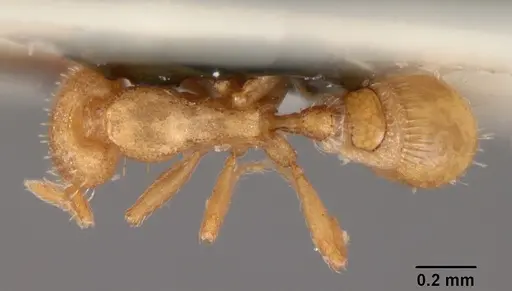
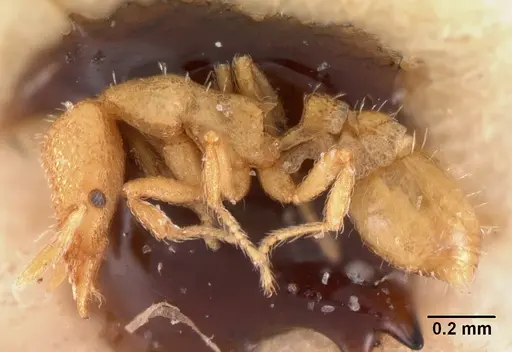
CASENT0178309
View on AntWeb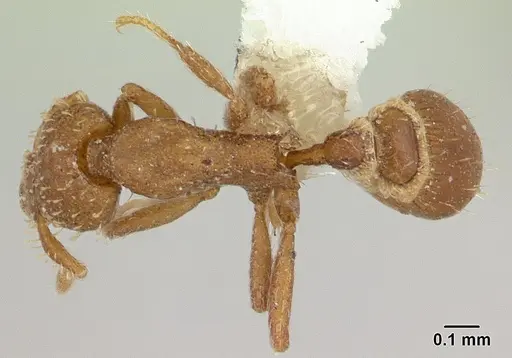
CASENT0763624
View on AntWeb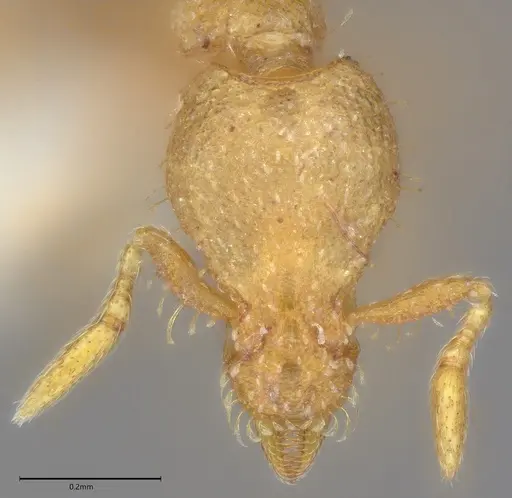
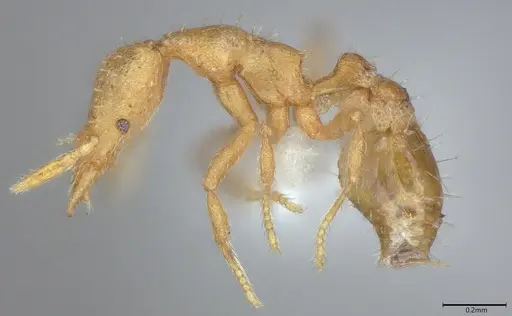
CASENT0914708
View on AntWeb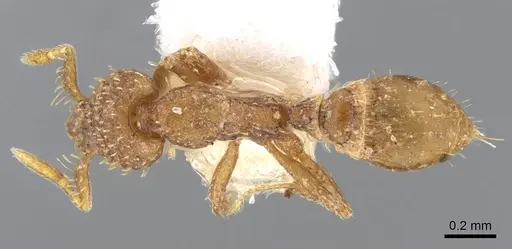
Literature
Loading distribution map...Loading products...