
Strumigenys hadrodens
- Sci. Name
- Strumigenys hadrodens
- Tribe
- Attini
- Subfamily
- Myrmicinae
- Author
- Bolton, 2000
- Distribution
- Found in 2 countries
Introduction
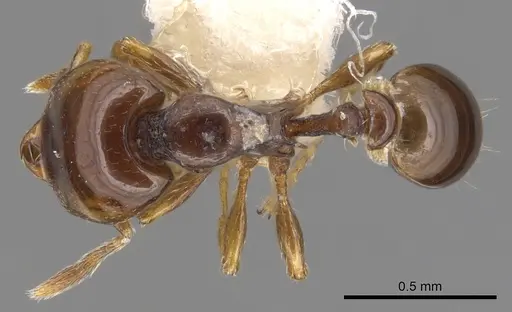
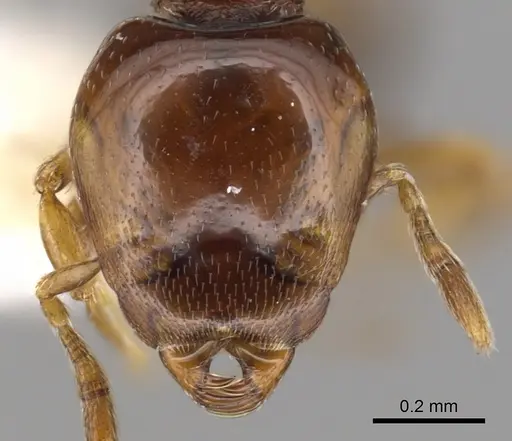
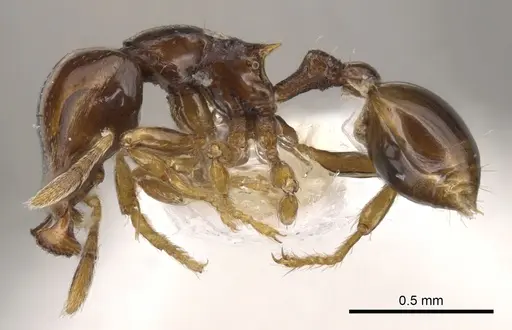
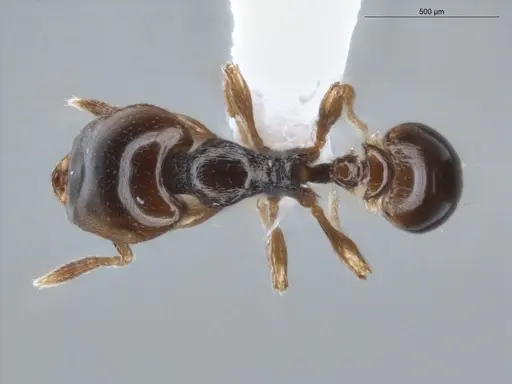
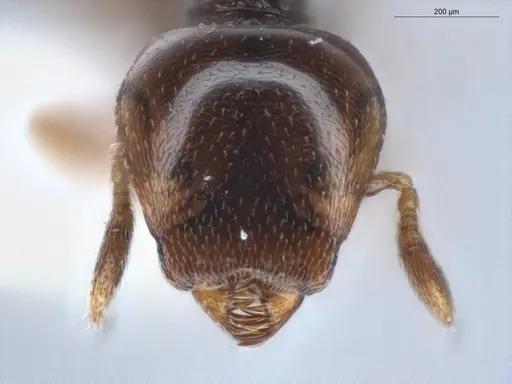
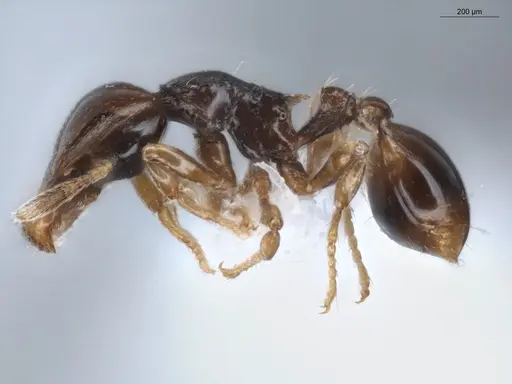
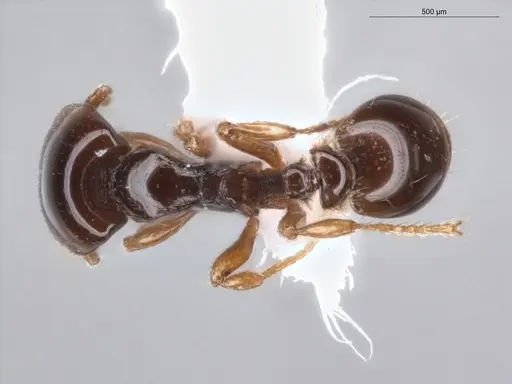
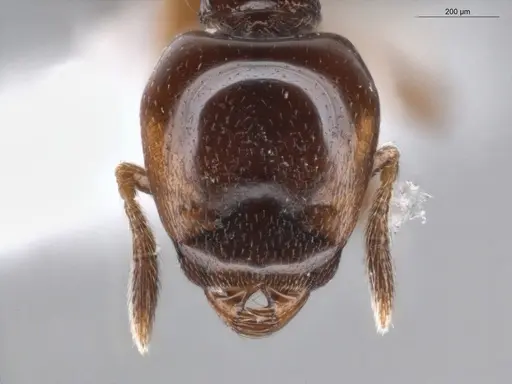
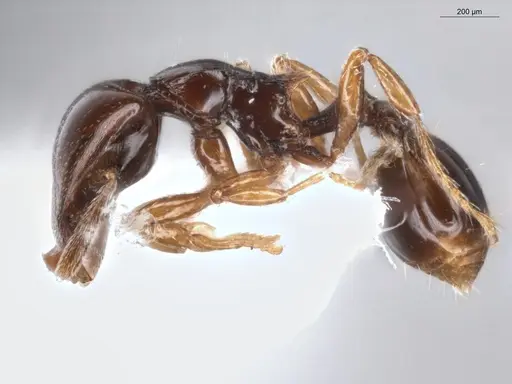
Strumigenys hadrodens is a tiny predatory ant, with workers measuring about 2.0-2.3 mm in total length . They belong to the Strumigenys appretiata group and were originally described as Pyramica hadrodens before being transferred to Strumigenys in 2007 . Their body is mostly smooth and unsculptured, with a vestigial spongiform lobe on the underside of the postpetiole and fine, erect hairs on the back . These ants are leaf-litter specialists found in the Amazon rainforest of Brazil and French Guiana . Like other Strumigenys, they likely hunt tiny springtails and other micro-arthropods. Their miniature size and secretive habits make them a challenge to keep, but they offer a rare chance to watch a specialized predator at work.
Quick Summary
- Difficulty: Expert
- Origin & Habitat: Amazon rainforest of Brazil (Manaus, Amazonas) and French Guiana. Found in leaf-litter in both Liana forest and Plateau forest [2][3].
- Colony Type: Colony structure is unconfirmed. Based on related Strumigenys species, they are likely single-queen colonies with small colony sizes.
- Size & Growth:
- Queen: Size data unavailable – queens have not been described.
- Worker: 2.0-2.3 mm [1]
- Colony: Likely under 100 workers at maturity, based on patterns seen in other leaf-litter Strumigenys.
- Growth: Unknown – probably slow given the small colony size and specialized diet.
- Development: Unconfirmed – estimated 6-10 weeks based on related Strumigenys species. (No specific development data exists. Expect slow growth, typical for specialized predators.)
- Antkeeping:
- Temperature: Keep warm at 24-28°C – mimic tropical rainforest conditions using a heating cable on one side of the nest to create a gradient.
- Humidity: High humidity required – aim for 70-85%. Keep the substrate consistently moist but not waterlogged. These forest-floor ants need damp conditions.
- Diapause: No – this is a tropical species that does not need hibernation. Keep warm year-round.
- Nesting: A naturalistic setup with fine, moist substrate works best. Y-tong nests with very small chambers or test-tube setups with damp cotton can work. Provide plenty of hiding spots and hunting areas.
- Behavior: Strumigenys hadrodens is a specialized predator that hunts small micro-arthropods, especially springtails. Workers move slowly and cryptically, often hunting alone. They have trap-jaw mandibles for snapping up tiny prey. They have a functional stinger, but it is not medically significant to humans. Because they are only about 2 mm long, escape prevention is critical – they can squeeze through tiny gaps.
- Common Issues: escape prevention is critical due to their tiny size – use fine mesh (0.5 mm or smaller) and tight-fitting barriers., specialized diet makes feeding challenging – live springtails are likely essential., slow colony growth requires patience – colonies may stay small., high humidity requirements can lead to mold if ventilation is poor., wild-caught colonies may have parasites that are hard to detect.
Housing and Setup
Because Strumigenys hadrodens is so tiny (about 2 mm), you need to pay close attention to escape prevention. Use a small plastic or glass container with a secure lid, and line the edges with petroleum jelly or fine mesh (0.5 mm openings or smaller). A naturalistic setup with a 1-2 cm layer of moist substrate (coconut fiber or a soil/sand mix) works well. Keep the substrate damp but not waterlogged – these ants breathe through their spiracles and need oxygenated moisture. Test-tube setups with a small water reservoir can also work, but watch out for mold on the cotton plug. Add pieces of bark, leaves, or small stones to give them hunting grounds and hiding spots.
Feeding and Diet
Strumigenys hadrodens is an obligate predator – it needs live prey. In the wild, related Strumigenys species hunt springtails (Collembola) and other tiny micro-arthropods. Their trap-jaw mandibles are built for catching fast, small prey. You should culture springtails in a separate container with damp charcoal or decaying leaves. Other acceptable live foods include fruit fly larvae, booklice, and newly hatched spider slings. Do not offer dead insects or sugar water – these ants likely won't take them. Feed small prey every 2-3 days and remove leftovers after 24 hours to prevent mold.
Temperature and Humidity
As a tropical Amazonian species, Strumigenys hadrodens needs warm, humid conditions. Keep the temperature at 24-28°C (75-82°F). Use a heating cable on one side of the enclosure to create a gradient, so the ants can pick their preferred spot. Avoid letting the temperature drop below 22°C or rise above 30°C. Humidity should stay in the 70-85% range. You can achieve this by keeping the substrate moist and lightly misting the enclosure. But don't let it get stagnant – provide a small mesh-covered ventilation hole to prevent mold and fungal outbreaks.
Behavior and Observation
Observing these ants takes patience. They move slowly and deliberately, hunting through the substrate in search of springtails. When they find prey, their trap-jaw mandibles snap shut in a fraction of a second. Workers are not aggressive toward people – they will flee rather than fight. They do have a functional stinger, but it's not medically significant and they rarely use it against large animals. Because the colony likely stays small (under 100 workers), you won't see the constant activity of bigger ant species. That's normal – just watch closely and enjoy the occasional hunt.
Frequently Asked Questions
Can I keep Strumigenys hadrodens in a test tube?
Yes, a test tube setup can work, but you need to modify it for their tiny size. Use a small tube with a tight cotton plug as the water reservoir. Keep the cotton moist but not dripping. Cover any openings with fine mesh (0.5 mm or smaller) – standard cotton has gaps these ants can squeeze through. A piece of damp cotton can serve as a platform. However, a naturalistic setup with moist substrate often provides better hunting ground.
What do Strumigenys hadrodens eat?
They eat live springtails and other tiny micro-arthropods. They are obligate predators and will not take sugar water or dead food. You need to culture springtails yourself or buy them regularly from ant suppliers. Fruit fly larvae or booklice may be accepted occasionally, but springtails should be the main food source.
How long does it take for the first workers to appear?
The exact timeline is unknown for this species. Based on related Strumigenys, expect 6-10 weeks from egg to first worker at optimal temperatures (around 26°C). Growth is slow, and the colony will stay small even when established.
Are Strumigenys hadrodens good for beginners?
No. This is an expert-level species because of their tiny size, specialized diet (live springtails), and need for high humidity. Not recommended for beginners. If you want to try Strumigenys, look for more common species like Strumigenys membranifera or Strumigenys smithii, which have better-documented care protocols.
How big do Strumigenys hadrodens colonies get?
Colony size is likely small – probably under 100 workers at maturity. This is typical of leaf-litter Strumigenys species, which stay cryptic and small-bodied. Don't expect large, showy colonies.
Do Strumigenys hadrodens need hibernation?
No. This is a tropical Amazonian species that does not need a cooling period. Keep them warm year-round at 24-28°C. Extended temperatures below 20°C can be harmful.
Why are my Strumigenys hadrodens dying?
Common causes: escape (they are tiny and will find any gap), mold from poor ventilation or too-wet conditions, starvation (not offering enough live springtails), extreme temperatures, and stress from too much disturbance. Check your escape prevention and that you're providing live prey regularly.
When should I move them to a formicarium?
A formicarium is not needed for such a tiny, cryptic species. A simple naturalistic setup in a small plastic or glass container works best. Only consider moving if the colony outgrows its current home and you can maintain the right hunting terrain.
Can I keep multiple queens together?
This has not been documented for this species. Based on related Strumigenys, they are likely single-queen colonies. Do not try to combine unrelated queens – they will probably fight. If you get a founding queen, house her alone until workers appear.
Report an Issue
The current care sheet is based fully on literature. See inconsistencies, or something that's incorrect? Please , it will be resolved after review from an admin. Contributing to the blogs tab also helps providing information, to make us be able to further improve the caresheets. Thank you for your support!
References

This caresheet is licensed under CC BY-SA 4.0 .
Community Blogs
Literature
Loading distribution map...Loading products...