
Strumigenys gundlachi
- Sci. Name
- Strumigenys gundlachi
- Tribe
- Attini
- Subfamily
- Myrmicinae
- Author
- Roger, 1862
- Distribution
- Found in 9 countries
Introduction
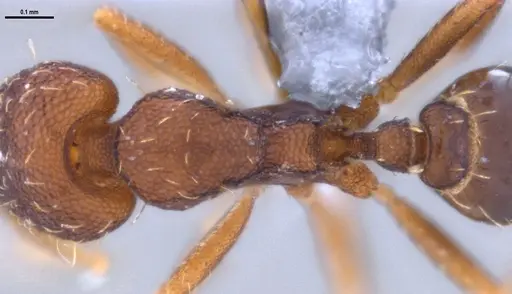
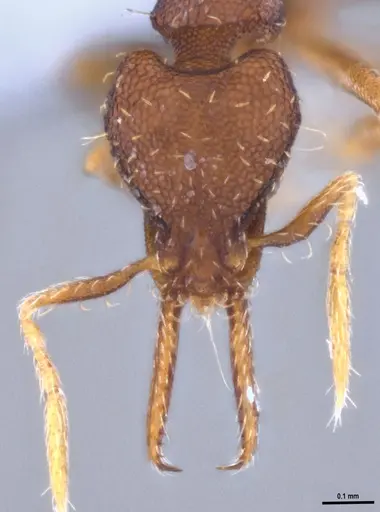
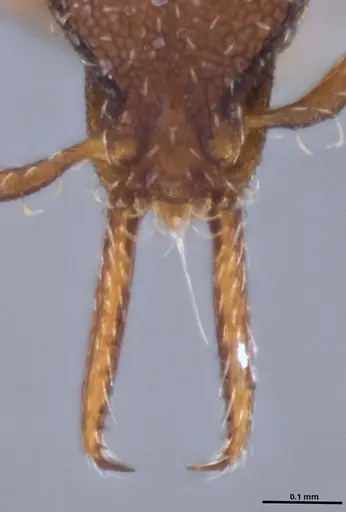
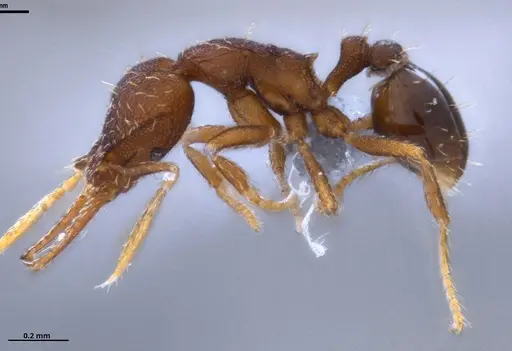
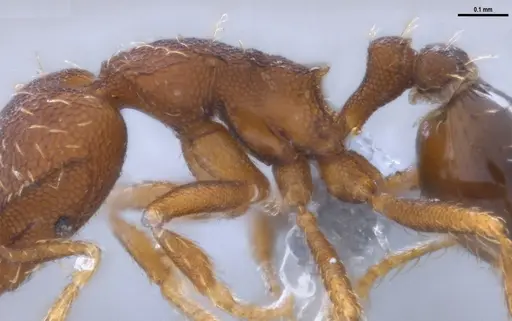
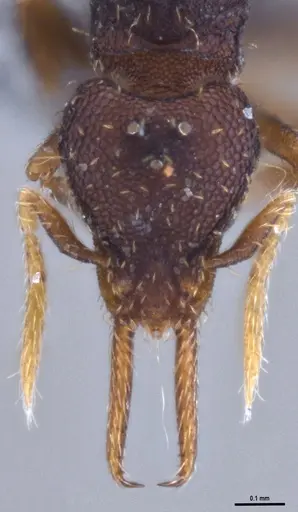
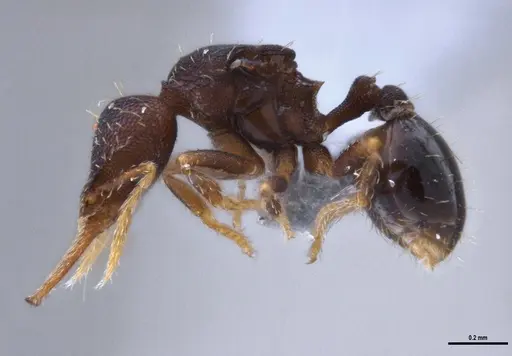
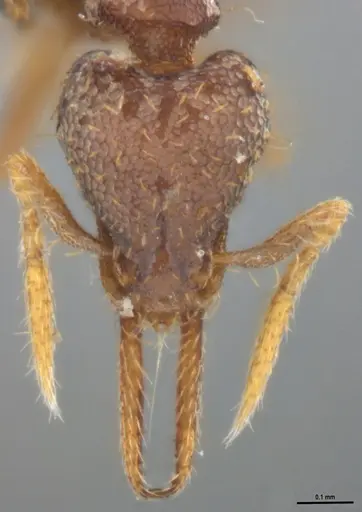
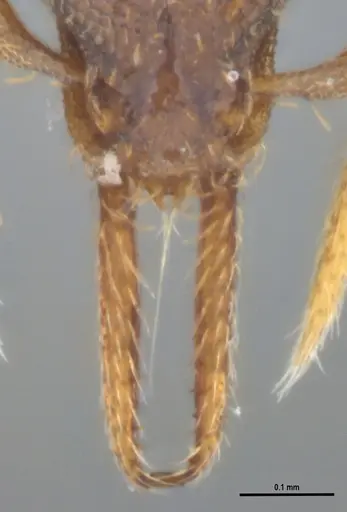
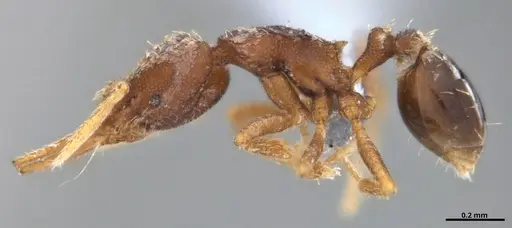
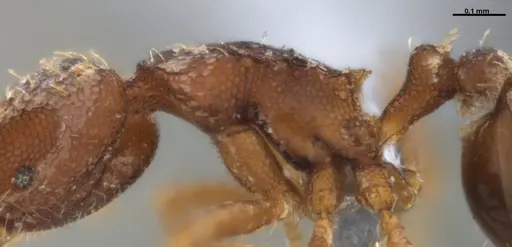
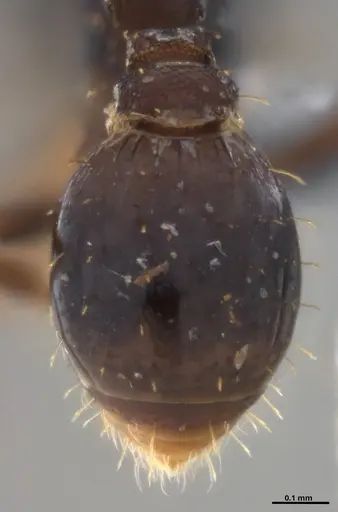
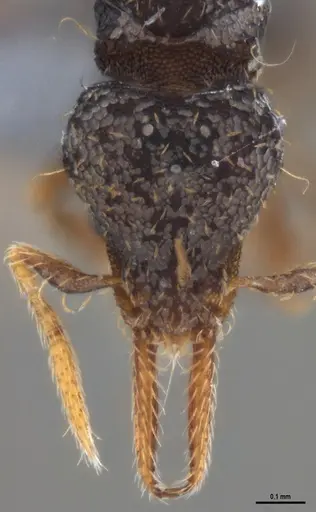
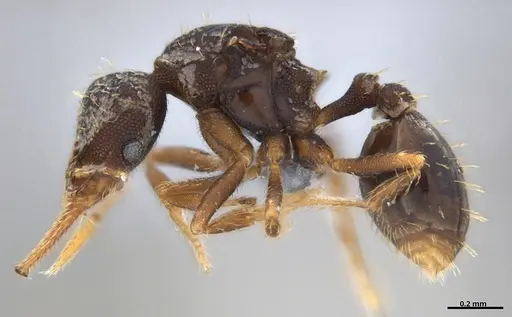
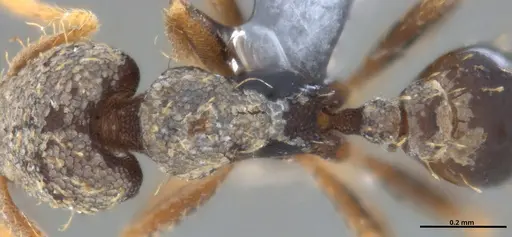
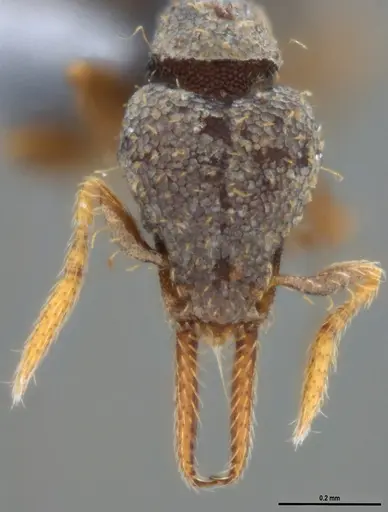
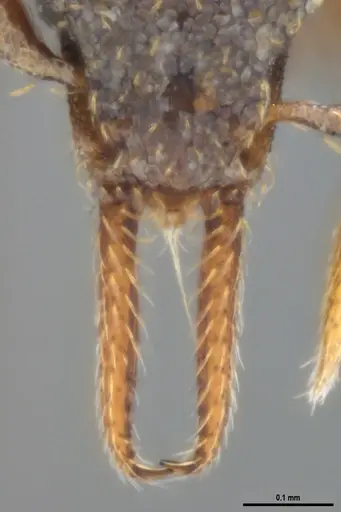
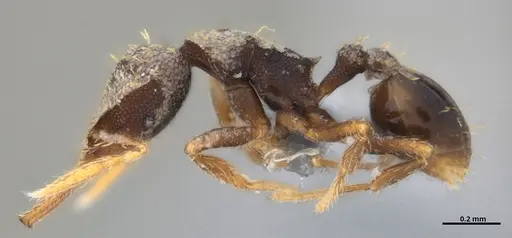
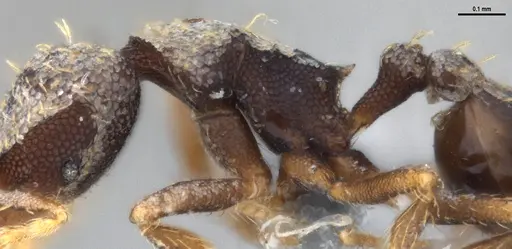
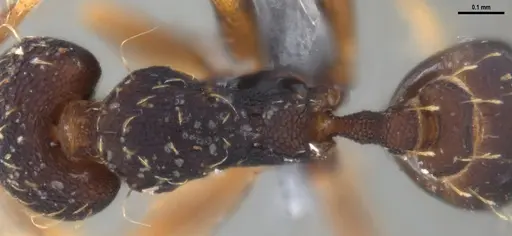
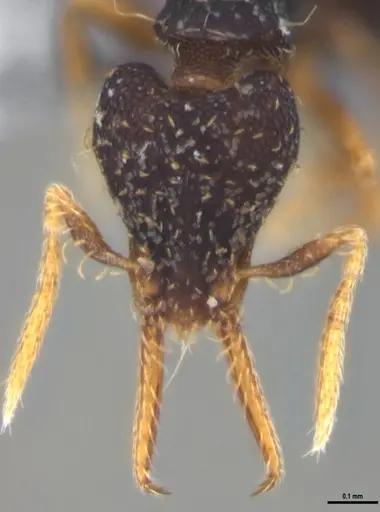
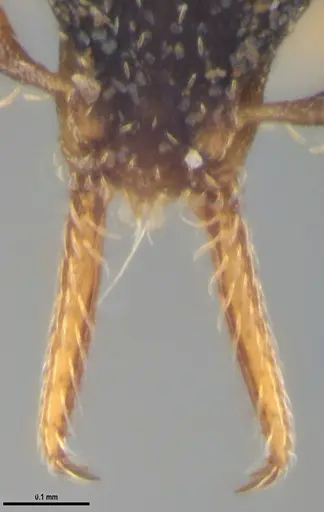
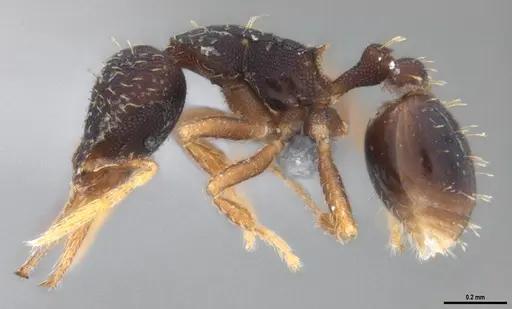
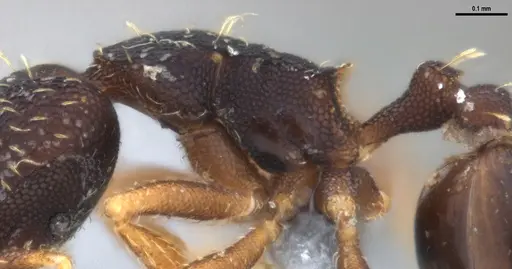
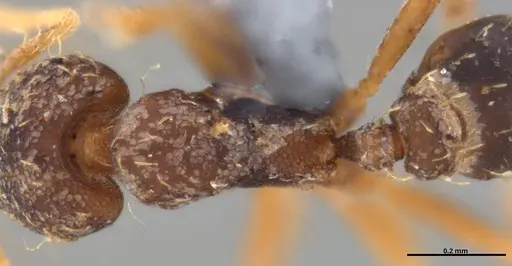
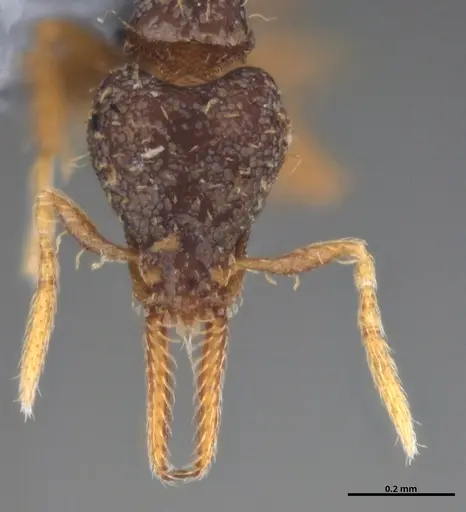
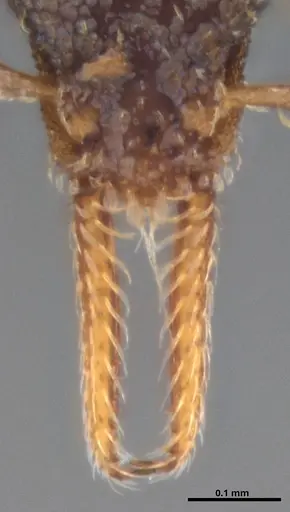
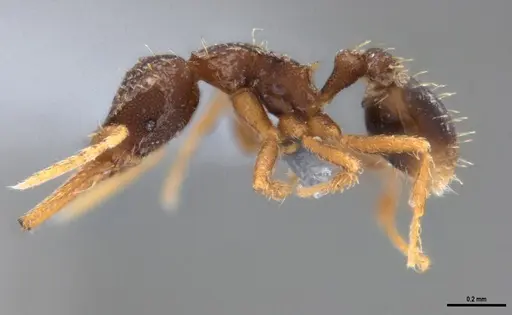
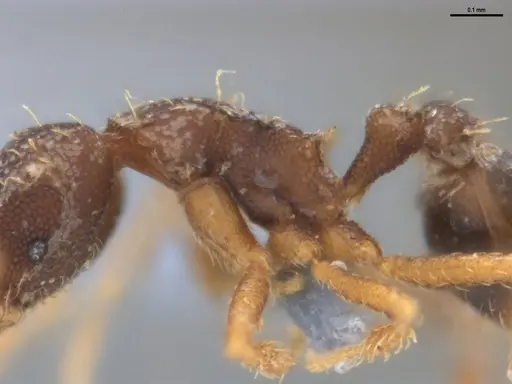
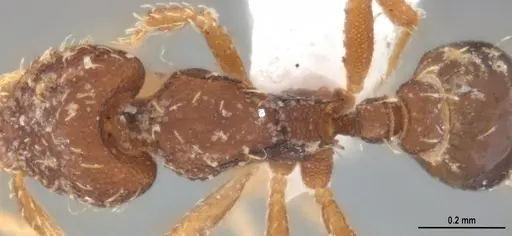
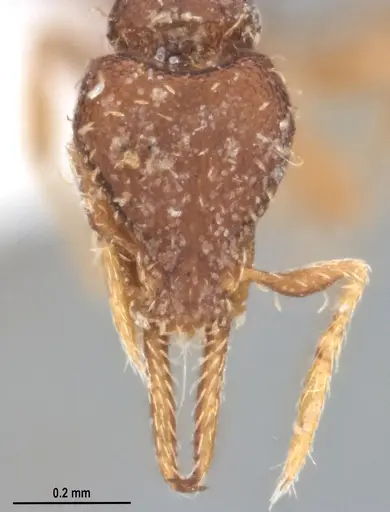
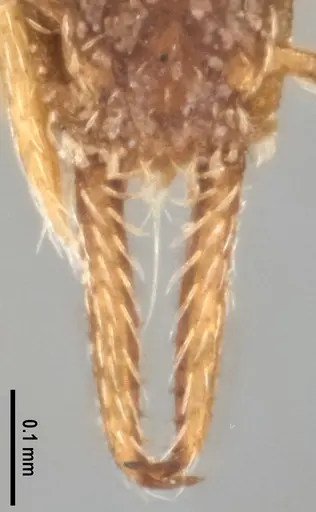
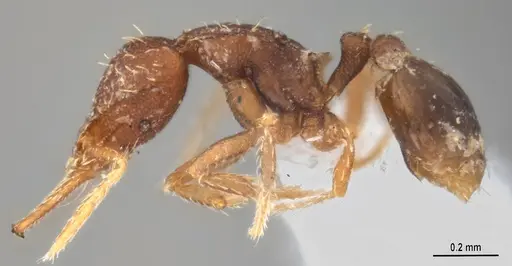
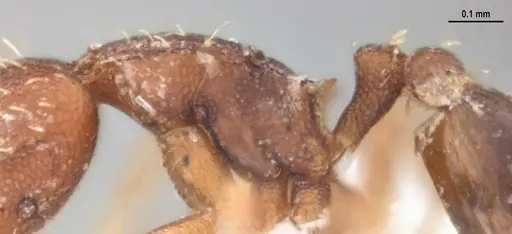
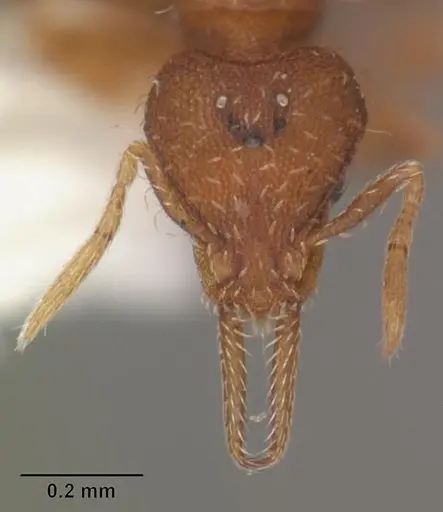
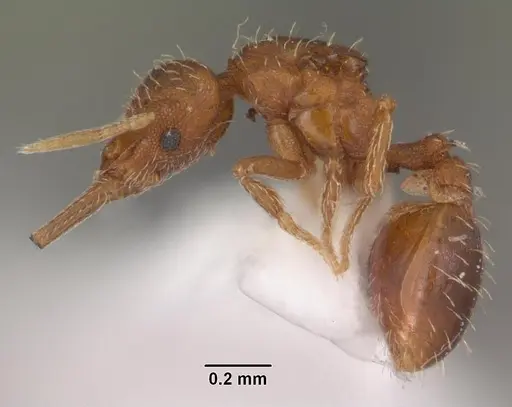
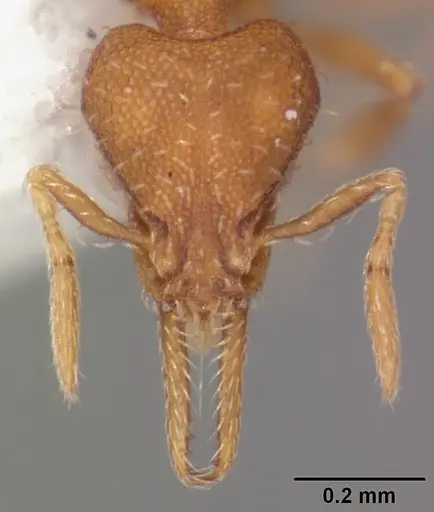
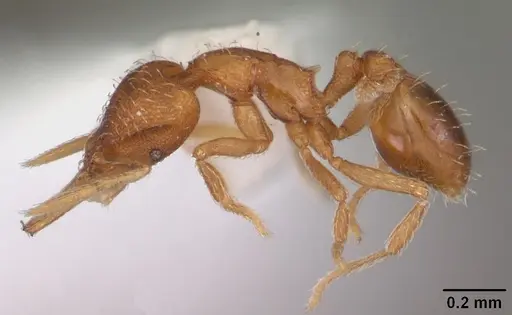
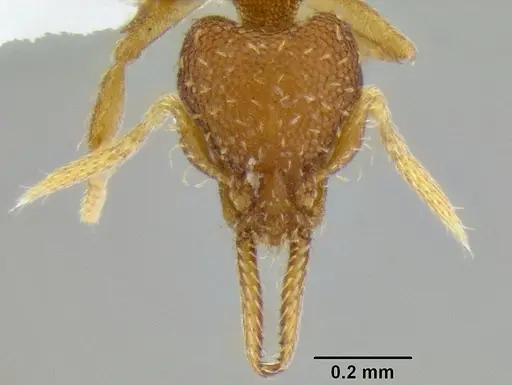
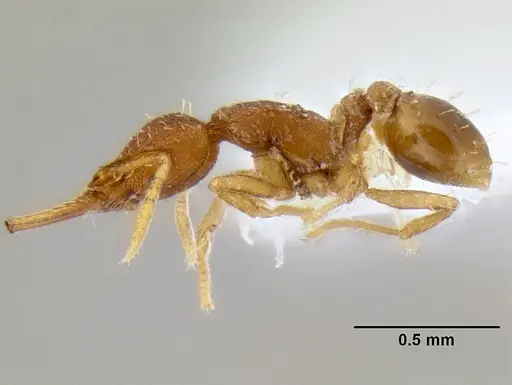
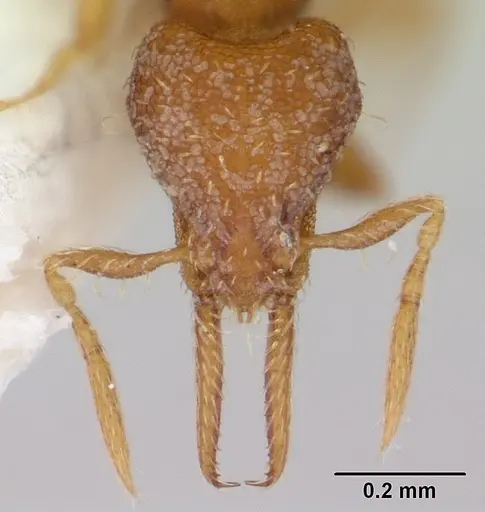
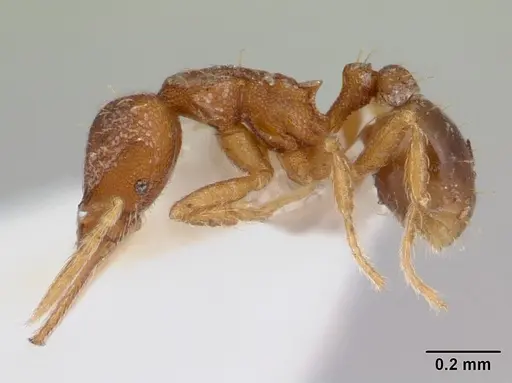
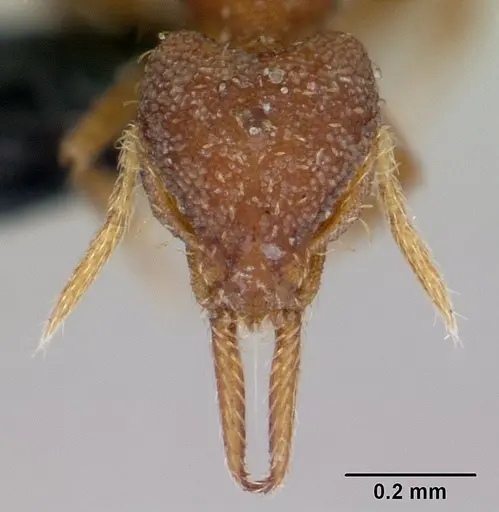
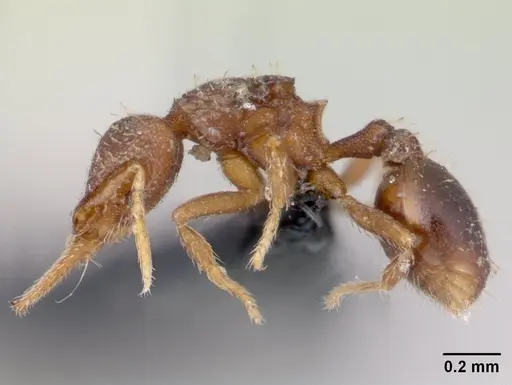
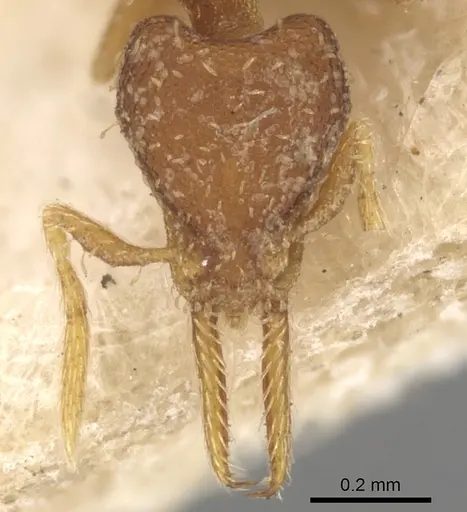
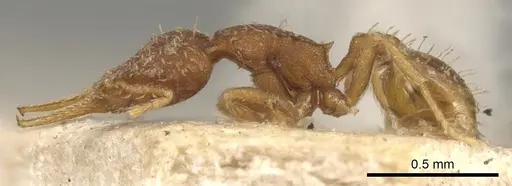
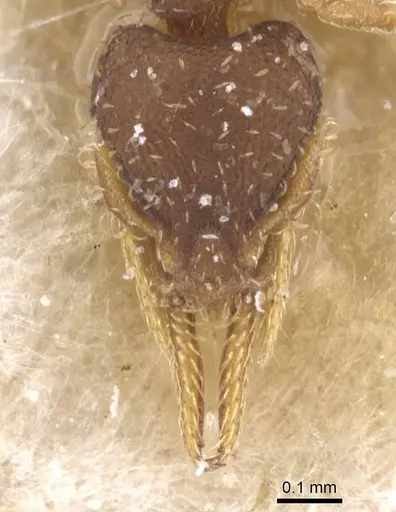
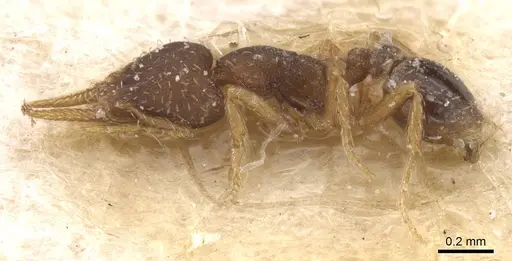
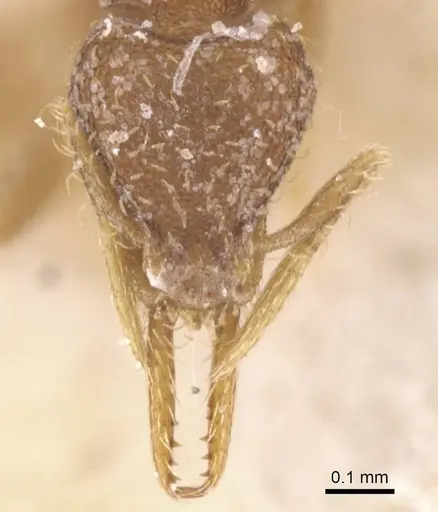
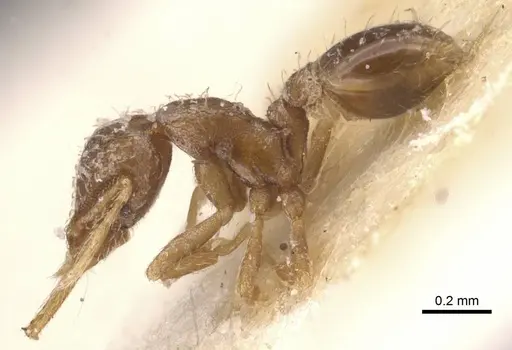
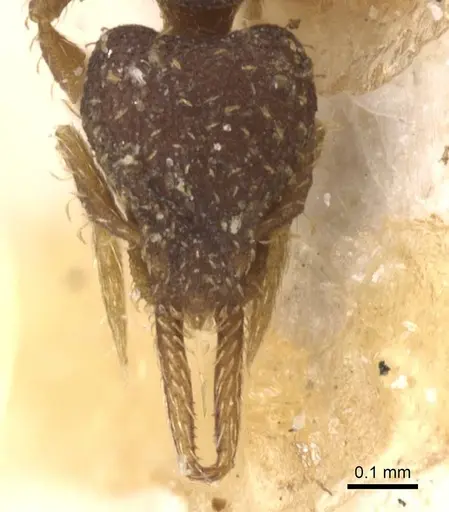
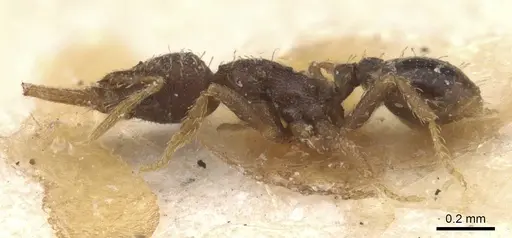
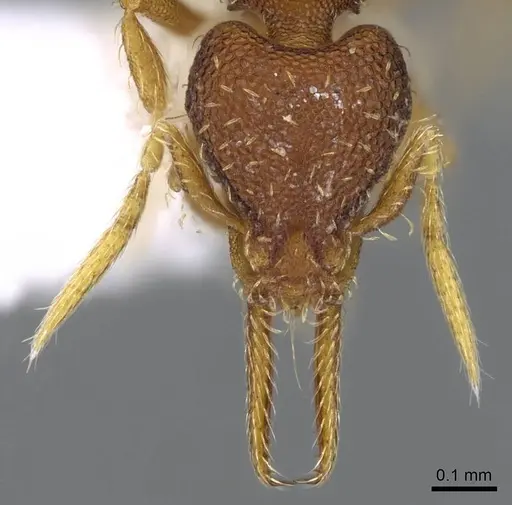
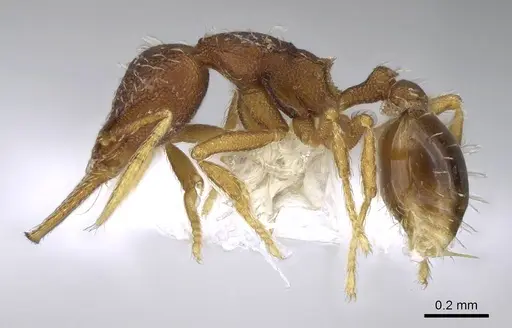
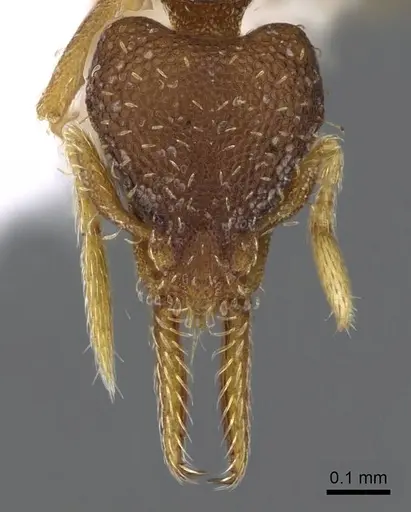
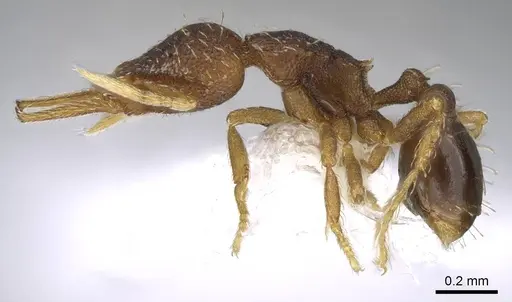
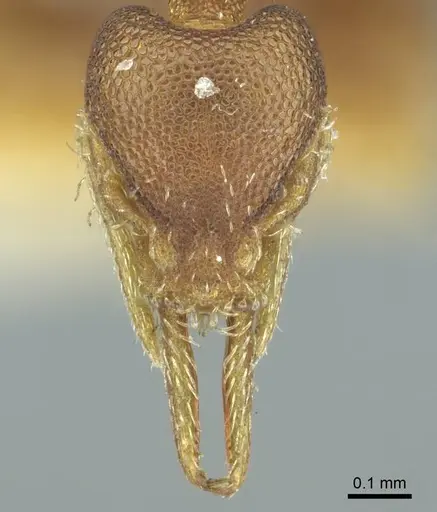
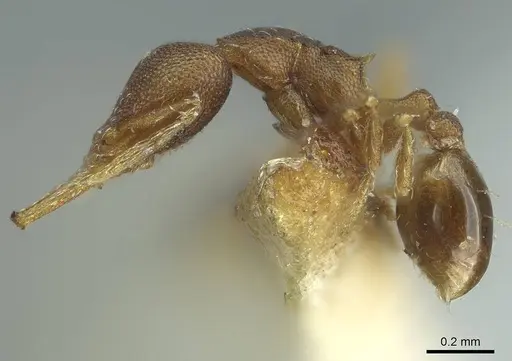
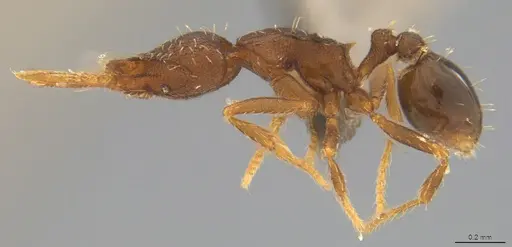
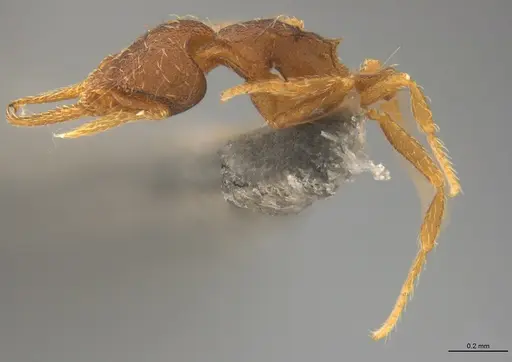
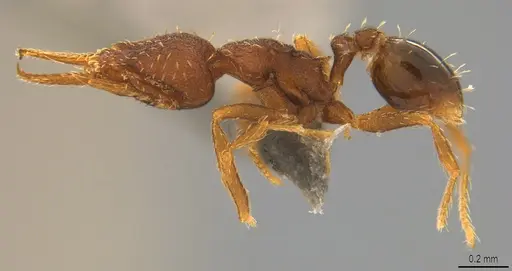
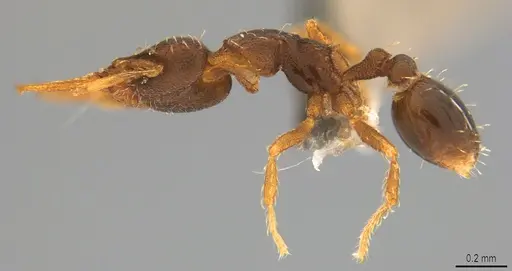
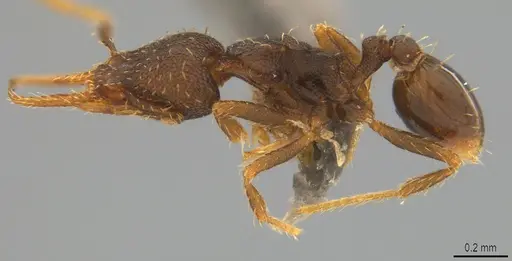
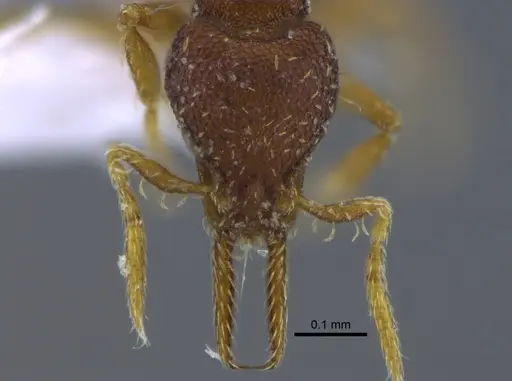
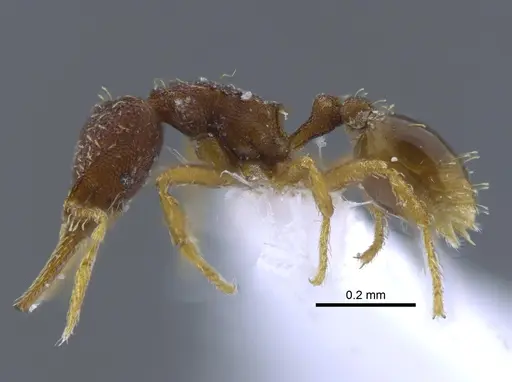
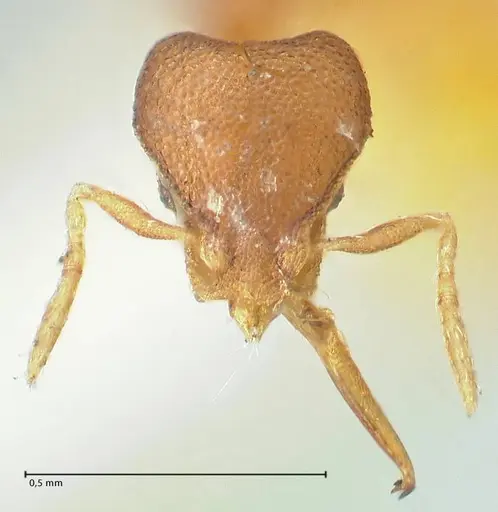
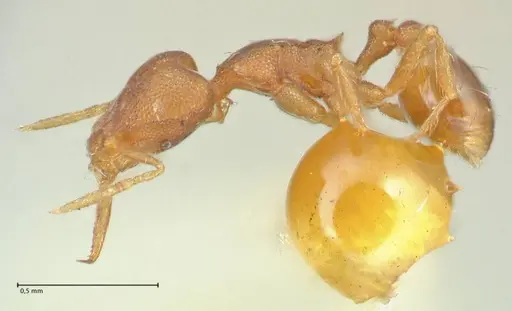
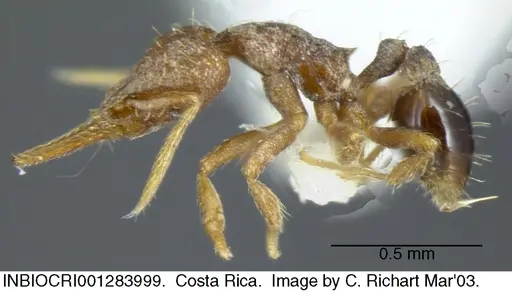
Strumigenys gundlachi is a tiny predatory ant measuring 1.7–2.2 mm in total length, with a dull yellow to yellowish-brown body . It belongs to the tribe Attini and has extremely long, linear mandibles equipped with 4–9 tiny preapical teeth used to capture small prey . Originally described from Cuba in 1862,this species occurs naturally across the Neotropics from Mexico through Central America to South America, and has been introduced into southern Florida where it lives in mesic woods and gardens . These ants hunt in leaf litter and upper soil layers, using an ambush strategy – they freeze with mandibles held open at 60–70°, waiting for springtails or other tiny arthropods to wander close .
Quick Summary
- Difficulty: Expert
- Origin & Habitat: Native to the Neotropics (Cuba, Caribbean islands, Mexico through Peru and Venezuela), with introduced populations in southern Florida. Found in moist to wet lowland tropical forest leaf litter, second-growth forest, thickets, cacao plantations, and also dry forest [6][1][7]. Requires slightly damper conditions than related Strumigenys eggersi [5].
- Colony Type: Monogynous – colonies have a single queen [8]. Workers are monomorphic (all the same size) [8]. Colony sizes stay relatively small, typically under 100 workers.
- Size & Growth:
- Queen: Size data unavailable – not recorded in primary literature.
- Worker: 1.7–2.2 mm [1]
- Colony: Likely under 100 workers – typical for leaf‑litter Strumigenys.
- Growth: Slow
- Development: Estimated 6–10 weeks based on related Strumigenys species [5] (Development time not directly studied – estimate based on small Myrmicinae in tropical conditions.)
- Antkeeping:
- Temperature: Keep at 22–26°C – these tropical ants need warmth. Provide a gentle heat gradient so they can choose [5].
- Humidity: High humidity is essential – keep the substrate consistently moist but not waterlogged. They need damper conditions than Strumigenys eggersi [5].
- Diapause: No – as a tropical species they stay active year‑round if kept warm [5].
- Nesting: Best kept in a naturalistic setup with moist soil, rotting wood, and leaf litter. A shallow container with very small chambers (plaster or soil) works well. They are soil‑nesters and seldom found on vegetation [9].
- Behavior: These are cryptic, slow‑moving ants that spend most of their time hunting in leaf litter. Workers use an ambush strategy – they freeze with mandibles open at 60–70°, waiting for springtails or other tiny prey [5]. They are not aggressive and rarely sting. Their tiny size (under 2.2 mm) makes escape prevention critical – they can squeeze through standard mesh. They mostly stay on the substrate and rarely climb glass or walls.
- Common Issues: escape prevention is critical due to their very small size – they can get through gaps under 0.5 mm, requires live tiny prey (springtails) – they will starve without a constant supply of Collembola, slow colony growth can be frustrating, expect months between milestones, constant high humidity is required – colonies die quickly if the substrate dries out, introduced in Florida – WARNING do not release ants into the wild. If you live outside their native range, take extreme precautions to prevent escape.
Housing and Setup
Because these ants are tiny (under 2.2 mm), standard formicarium chambers are far too large. A shallow naturalistic terrarium with consistently moist soil, pieces of rotting wood, and a layer of leaf litter works best. They rarely climb, so the outworld can be small. Use a container with a tight‑fitting lid and excellent sealing – they can slip through gaps under 0.5 mm. A plaster nest with very small cells or a thin soil layer in a small plastic box with ventilation holes is ideal. Add bark and leaf litter on top to mimic their hunting grounds [5]. They are soil‑nesting and seldom found on vegetation [9].
Feeding and Diet
This species is an obligate predator on tiny arthropods, mainly springtails (Collembola) [5]. In captivity you must provide live springtails or other micro‑arthropods – they will ignore larger prey like mealworms or crickets. Wilson observed that workers captured and ate entomobryoid and sminthurid springtails, but ignored poduroids, small cricket nymphs, mites, and minute millipedes [5]. Feed small live springtails regularly, and consider culturing your own springtail colony to ensure a steady supply. Sugar sources are not accepted – this is a specialized predator, not a honeydew feeder.
Temperature and Humidity
Keep these tropical ants warm at 22–26°C. A heating cable on one side of the nest creates a temperature gradient they can use to thermoregulate [5]. High humidity is absolutely critical – they die quickly if the substrate dries out. Keep the substrate consistently moist but not sitting in water. A layer of leaf litter on top helps retain moisture. They require slightly damper conditions than related Strumigenys eggersi [5]. Mist occasionally, but rely on the moist substrate rather than wet conditions.
Behavior and Temperament
Strumigenys gundlachi is a cryptic, slow‑moving species that spends most of its time hunting in leaf litter. Workers use an ambush strategy – they approach prey slowly, then freeze with mandibles held open at 60–70°, waiting for the prey to come within striking range [5]. When prey is detected, they strike quickly. If the prey struggles, they lift it off the ground and sting it. They are not aggressive toward humans and rarely sting. Workers rarely stray far from the nest. Escape prevention is critical – their small size lets them slip through standard mesh and lid gaps.
Colony Structure and Development
This species has monogynous colonies with a single queen [8]. All workers are monomorphic (same size) [8]. Colony sizes stay small, typically under 100 workers. The queen probably founds claustrally (seals herself in), but this has not been documented directly. Colony growth is slow – expect months between major milestones. The founding queen raises the first workers (nanitics) alone, these initial workers are often smaller than mature workers. Development time from egg to worker is estimated at 6–10 weeks under optimal conditions [5].
Range and Distribution
Strumigenys gundlachi has a broad Neotropical distribution: Cuba and the Caribbean islands, Mexico, Guatemala, Honduras, Nicaragua, Costa Rica, Panama, Colombia, Ecuador, Peru, Venezuela, and the Dominican Republic [1]. It was introduced into southern Florida (Dade, Monroe, Collier counties) where it lives in mesic woods and gardens but remains uncommon [3][4]. In its native range it is often abundant in leaf litter of rainforests and cacao plantations [6]. It also occurs in dry forest habitats, showing some ecological tolerance [7].
Frequently Asked Questions
Can I keep Strumigenys gundlachi in a test tube?
A test tube is too large and provides no hunting space. These ants do best in a small naturalistic setup with moist substrate and leaf litter. You can use a small test tube as a founding chamber only if you connect it to a tiny outworld with hunting area.
What do Strumigenys gundlachi ants eat?
They are strict predators on tiny arthropods, primarily springtails (Collembola). They will not accept sugar water, honey, or large prey. You must culture live springtails to feed them successfully [5].
How long does it take for Strumigenys gundlachi to produce first workers?
Exact development time is unconfirmed, but based on related Strumigenys species, expect 6–10 weeks from egg to first worker at 22–26°C. Colony growth is slow [5].
Are Strumigenys gundlachi good for beginners?
No – this is an expert‑level species. They require live springtails, constant high humidity, very small enclosure spaces, and near‑perfect escape prevention. Their specialized diet and slow growth make them challenging.
How big do Strumigenys gundlachi colonies get?
Colonies stay small – likely under 100 workers, typical for leaf‑litter Strumigenys [5].
Do Strumigenys gundlachi need hibernation?
No – as a tropical species they do not require hibernation. Keep them warm (22–26°C) year‑round. A slight temperature drop in winter is fine but not necessary [5].
Why are my Strumigenys gundlachi dying?
The most common causes are: substrate drying out (they need constant moisture), lack of live prey (they starve without springtails), escape through tiny gaps, and temperature extremes. Check humidity levels first.
Can I keep multiple queens together?
No – this is a monogynous species with a single queen per colony. Combining unrelated queens would likely result in fighting [8].
When should I move Strumigenys gundlachi to a formicarium?
Given their small size and habitat needs, a naturalistic setup is already ideal. If you must move them, wait until the colony has at least 20–30 workers and use a very small container with appropriately sized chambers.
Report an Issue
The current care sheet is based fully on literature. See inconsistencies, or something that's incorrect? Please , it will be resolved after review from an admin. Contributing to the blogs tab also helps providing information, to make us be able to further improve the caresheets. Thank you for your support!
References

This caresheet is licensed under CC BY-SA 4.0 .
Community Blogs
ANTWEB1053268
View on AntWeb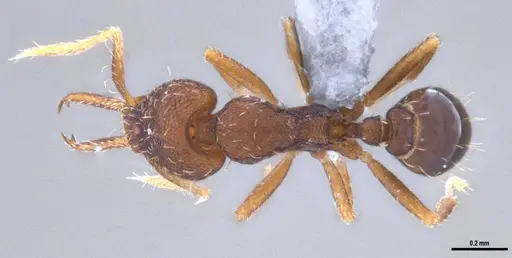
ANTWEB1053269
View on AntWeb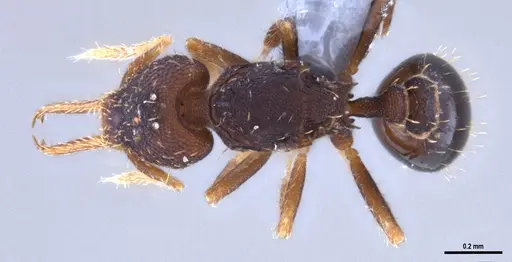
ANTWEB1053439
View on AntWeb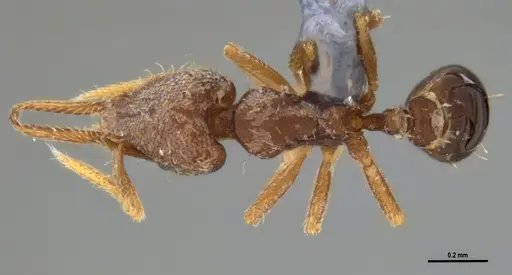
ANTWEB1053441
View on AntWeb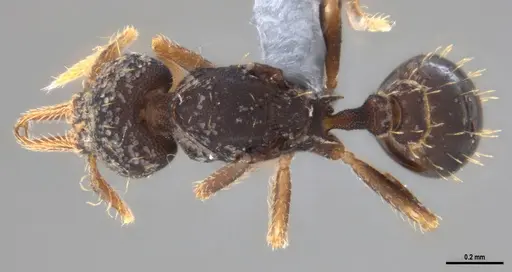
ANTWEB1053442
View on AntWeb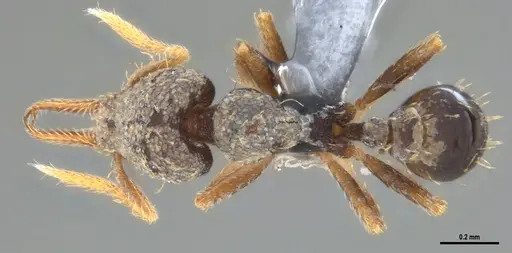
ANTWEB1053444
View on AntWeb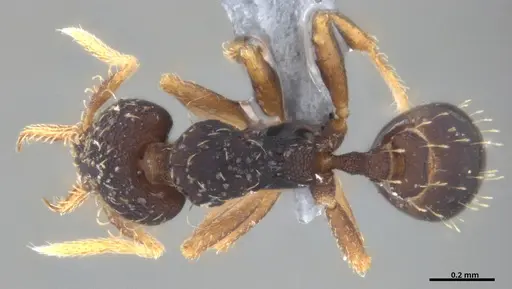
ANTWEB1053445
View on AntWeb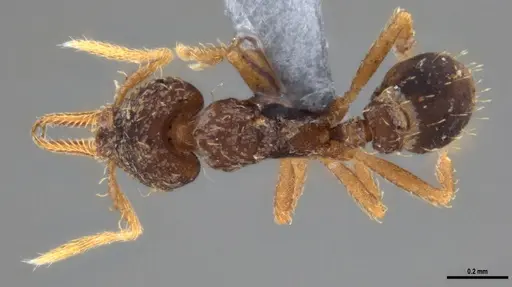
ANTWEB1053516
View on AntWeb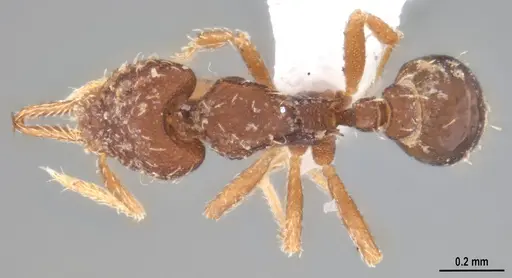
CASENT0103799
View on AntWeb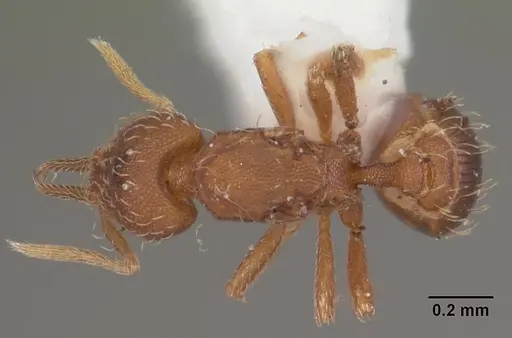
CASENT0103867
View on AntWeb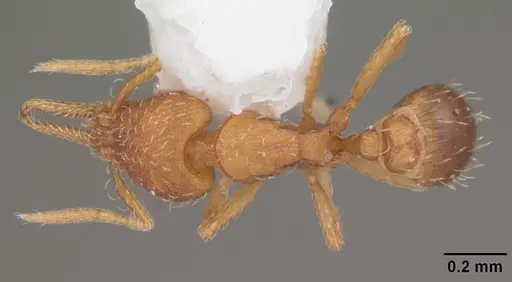
CASENT0106238
View on AntWeb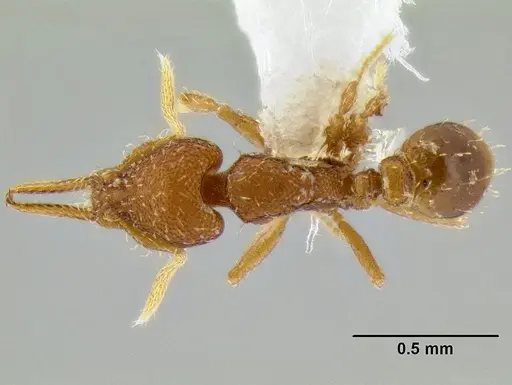
CASENT0178639
View on AntWeb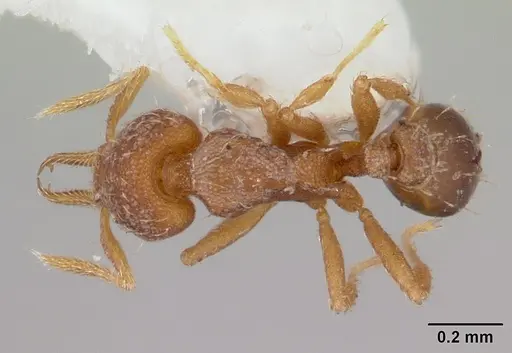
CASENT0178650
View on AntWeb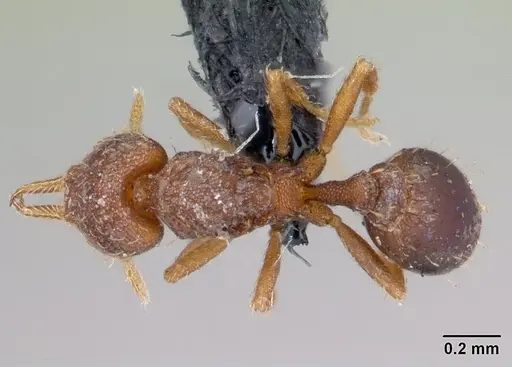
CASENT0900176
View on AntWeb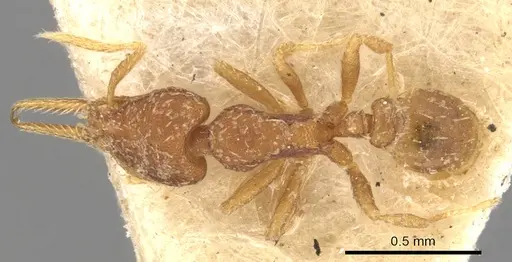
CASENT0912853
View on AntWeb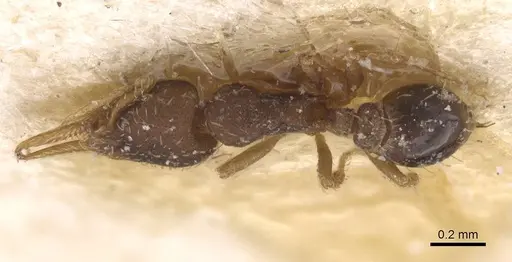
CASENT0912854
View on AntWeb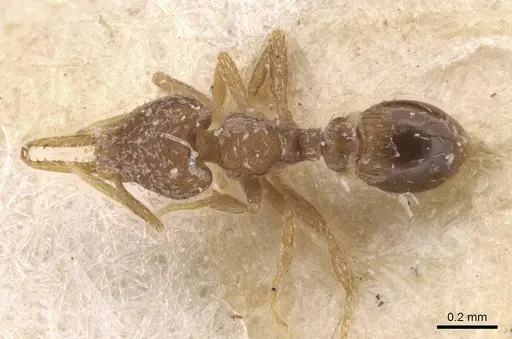
CASENT0912855
View on AntWeb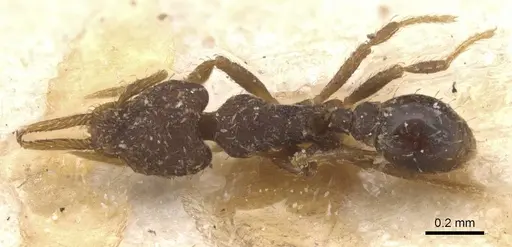
CASENT0914592
View on AntWeb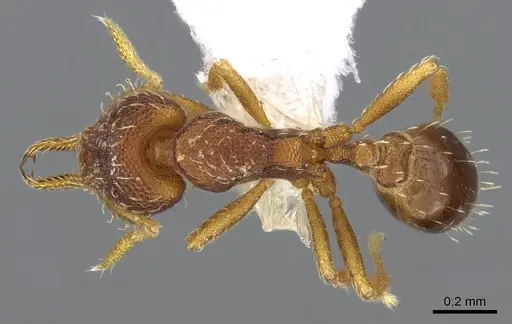
CASENT0914593
View on AntWeb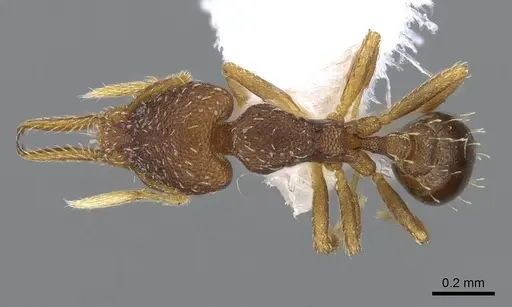
CASENT0915948
View on AntWeb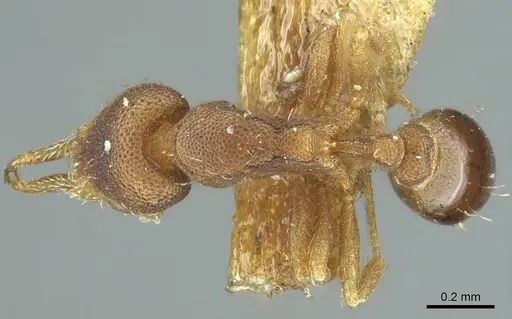
CASENT4036149
View on AntWeb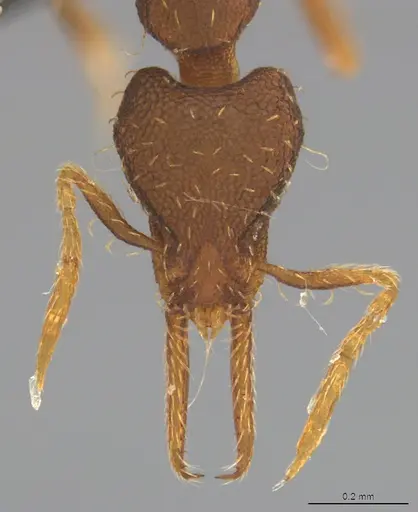
CASENT4036151
View on AntWeb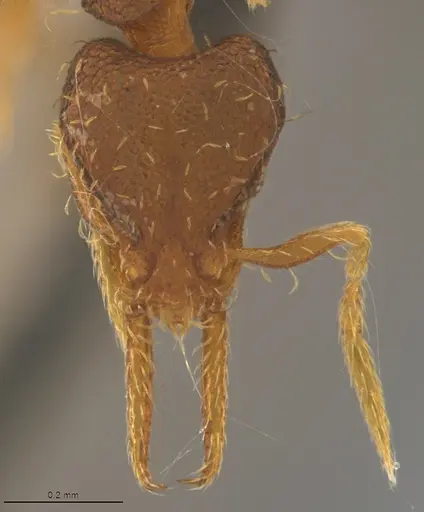
CASENT4036152
View on AntWeb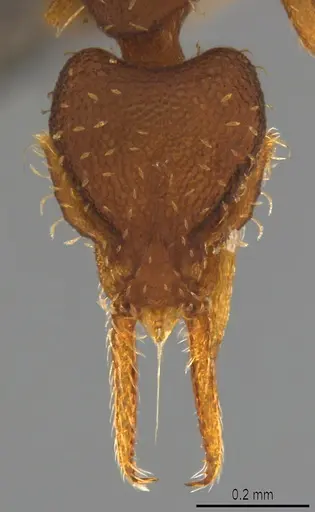
CASENT4036154
View on AntWeb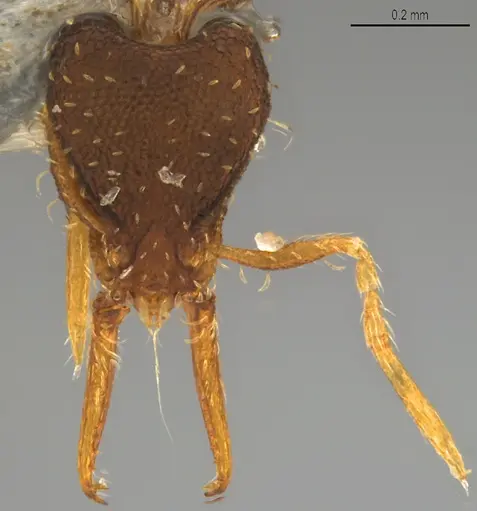
CASENT4036155
View on AntWeb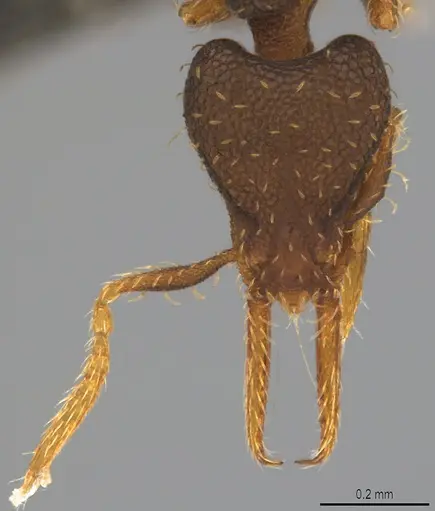
CBUMAGENT41688
View on AntWeb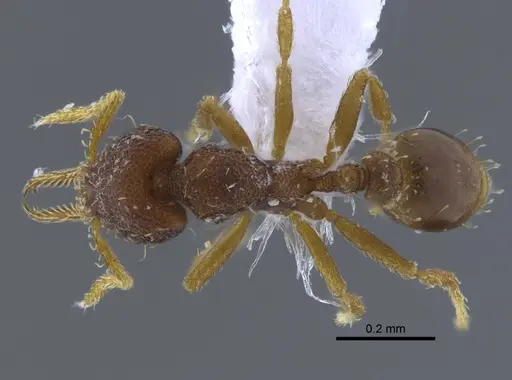
FOCOL2159
View on AntWeb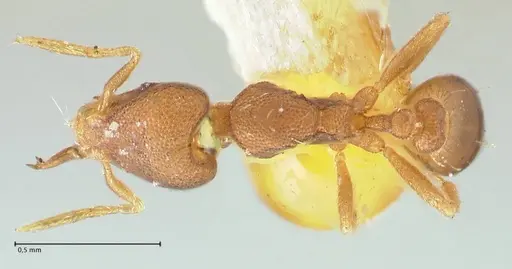
INBIOCRI001283999
View on AntWeb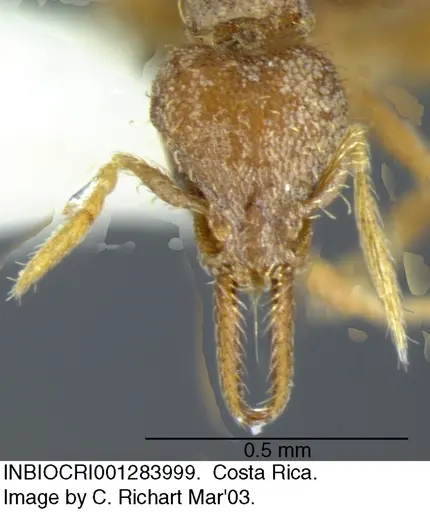
Literature
Loading distribution map...Loading products...