
Strumigenys grytava
- Sci. Name
- Strumigenys grytava
- Tribe
- Attini
- Subfamily
- Myrmicinae
- Author
- Bolton, 2000
- Distribution
- Found in 2 countries
Introduction
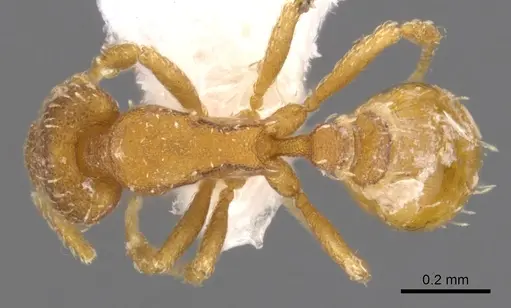
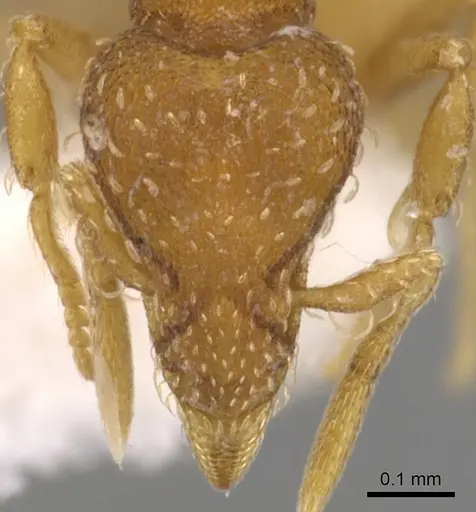
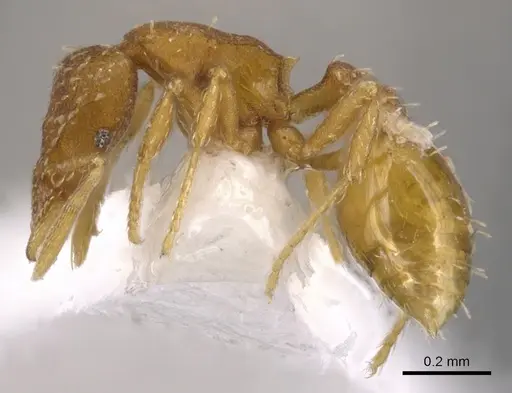
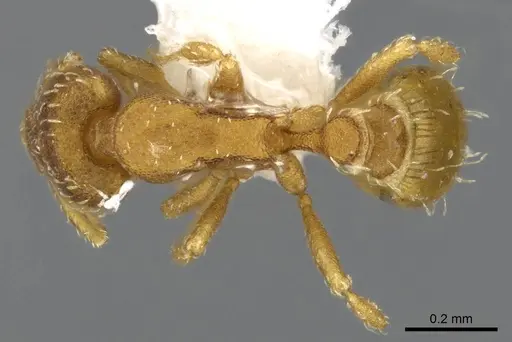
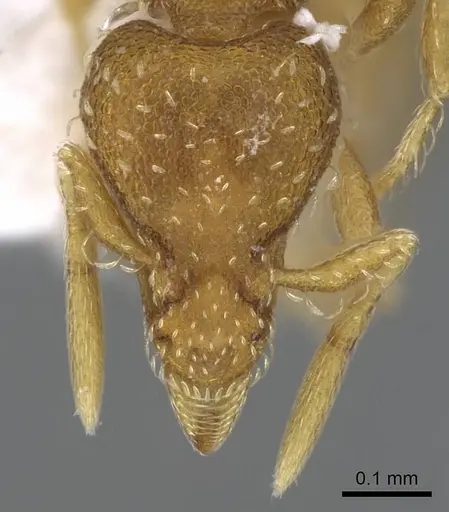
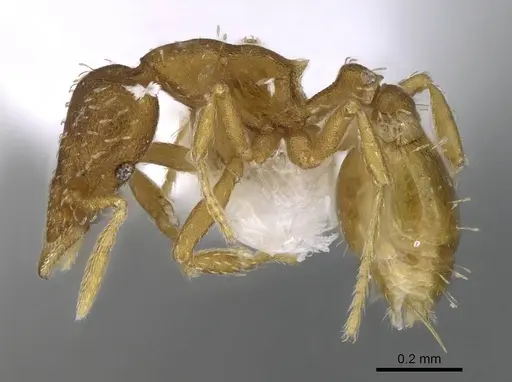
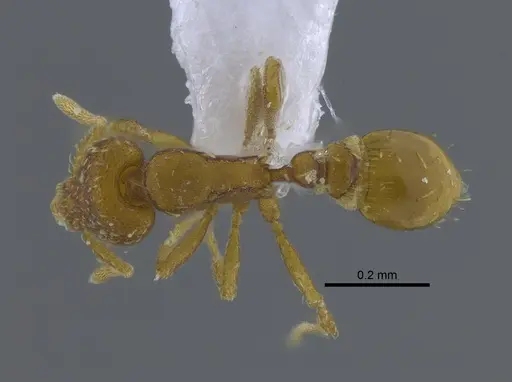
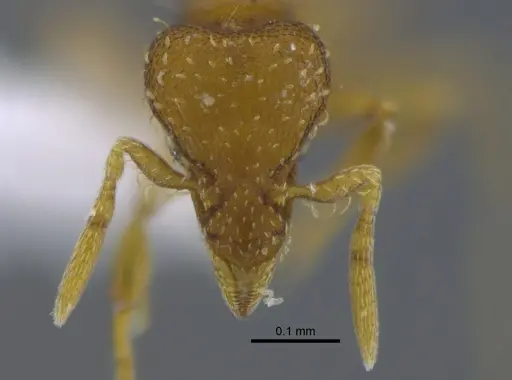
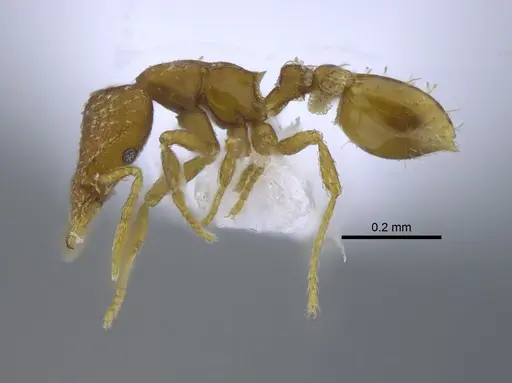
Strumigenys grytava is an extremely tiny ant from the Myrmicinae subfamily and the schulzi species group . Workers measure just 1.6 mm in total length . They have specialized trap-jaw mandibles - short triangular structures that snap shut rapidly to catch prey . This species has relatively large eyes for its size, with 4-5 ommatidia in the longest row . The head and body are covered in distinctive spatulate (spoon-shaped) hairs . It is a cryptic leaf-litter ant originally described from Colombia and later found across northeastern Brazil . One collection note says it was gathered 'from vegetation' . These ants are predators that hunt tiny arthropods in the forest floor layer. Like other Strumigenys, they use their trap-jaw mandibles as a hunting tool - when triggered, the jaws snap shut on prey. This species remains poorly studied in captivity, with no queen caste described and almost nothing known about colony life.
Quick Summary
- Difficulty: Expert
- Origin & Habitat: Tropical rainforests of Colombia and northeastern Brazil, found in leaf litter and on low vegetation at elevations from sea level to around 980 m [4][1]. Recorded from primary forest (both logged and unlogged), secondary forest, reforestation areas, and occasionally pasture [5].
- Colony Type: Unknown, colony structure has not been documented. Only individual workers or small groups have been collected [2].
- Size & Growth:
- Queen: Undescribed, no queen caste has been documented for this species.
- Worker: 1.6 mm total length [1]
- Colony: Unknown, only single workers or groups of up to 12 workers have been collected [2]
- Growth: Unknown, no captive breeding data exists
- Development: Unknown, no development data exists. Based on related Strumigenys species, likely 2-4 months at warm temperatures. (No direct data. Related Strumigenys typically develop slowly due to specialized predatory diet.)
- Antkeeping:
- Temperature: Keep around 22-26°C, aim for warm stable conditions typical of tropical leaf litter [5][1]. Use a gentle heat gradient with a small heating cable on one side if needed.
- Humidity: High humidity required, these are leaf-litter ants from tropical forests. Keep the nest substrate consistently moist but not waterlogged. Think damp forest floor conditions.
- Diapause: Unlikely, being a tropical species, they probably do not require true diapause. They may slow down slightly during cooler periods but keep warm year-round [5].
- Nesting: Naturalistic setup works best, shallow container with moist soil and plenty of leaf litter, or a Y-tong/plaster nest with very small chambers. Avoid acrylic nests. Keep nesting area dark and humid at all times.
- Behavior: Extremely shy and cryptic. Workers hunt individually in leaf litter, using their trap-jaw mandibles to catch tiny prey. They can sting (very mild, rarely used) and will flee rather than fight. Escape prevention is critical, at 1.6 mm they can squeeze through gaps invisible to the naked eye. They are not aggressive and you will rarely see them. They move slowly and deliberately.
- Common Issues: escape prevention is critical, at 1.6 mm they can slip through gaps thinner than paper, no captive breeding data exists, this is one of the least-studied ant species in the hobby, feeding is challenging, they require tiny live prey like springtails or micro-arthropods, slow growth means colonies may take years to establish (if they ever do), humidity control is tricky, too dry kills them, too wet causes mold and drowning, they are extremely secretive, you may never see your ants
Housing and Nest Setup
Strumigenys grytava needs specialized housing because of its tiny size [1]. A naturalistic setup works best, use a shallow plastic container or small glass terrarium filled with moist soil and plenty of leaf litter. The substrate should stay consistently moist but never waterlogged. Add bark pieces, moss, or small stones for hiding spots. If you prefer a formicarium, use a small Y-tong or plaster nest with very tight chambers sized for 1.6 mm ants. Never use acrylic nests, they don't hold humidity well enough. Escape prevention is absolutely critical: these ants can slip through gaps as small as 0.5 mm. Use tight-fitting lids and apply fluon or petroleum jelly around the top edges. Keep the nest area dark and undisturbed, these cryptic ants hate bright light [5][1].
Feeding and Diet
Strumigenys grytava is a specialized predator that hunts tiny arthropods in leaf litter [1]. In captivity, their best food is live springtails, these are the right size and are accepted by related Strumigenys. You can also try micro-mites, booklice (psocids), or newly hatched fruit fly larvae. Never offer prey larger than about 1 mm. Sugar water or honey is unlikely to be accepted, this species does not feed on honeydew. Feed small amounts of live prey every few days. Remove any uneaten prey after 24 hours to prevent mold. Acceptance of novel prey is uncertain, so experiment carefully [1].
Temperature and Seasonal Care
Keep Strumigenys grytava at warm tropical temperatures, aim for 22-26°C in the nest area [5][1]. Create a gentle temperature gradient by placing a small heating cable on one side of the nest. This lets the ants choose their preferred temperature. Since this is a tropical species from Colombia and Brazil, they do not need a winter diapause. However, they may become less active during cooler periods. Avoid placing the colony near air conditioning vents or cold windows. Temperature stability is more important than hitting exact numbers. If workers become sluggish, slightly increasing temperature often helps [5].
Behavior and Temperament
These ants are extremely shy and cryptic [6]. Workers hunt alone, slowly searching through leaf litter for tiny prey. Their trap-jaw mandibles snap shut when triggered by prey contact, but they are not aggressive toward humans [1]. They can deliver a very mild sting (typical of Myrmicinae/Attini) but rarely bother. When threatened, they flee and hide rather than fight. You will rarely see your ants: they spend most of their time underground or under leaf litter. Their small size and secretive nature make them a species for patient keepers who enjoy watching subtle behaviors rather than busy colonies [1].
Acquiring and Establishing a Colony
Finding Strumigenys grytava for sale is extremely difficult, this is one of the rarest species in the ant hobby. If you manage to get a founding queen or small colony, be prepared for a long, slow process. There is no published information on how founding works for this species, so you'll need to experiment carefully. Provide the queen with a small humid chamber filled with moist substrate. Do not disturb her for at least a month. Once nanitics (first workers) appear, start offering tiny live prey like springtails. Success requires experience with difficult ants and a willingness to accept that the colony may not survive. This species should only be attempted by expert keepers.
Common Problems and Solutions
The biggest challenge is escape, check all seams and use double-enclosure systems if needed. Mold is a constant threat in humid setups: maintain good ventilation while keeping humidity high, and remove uneaten prey quickly. Overfeeding causes mold, underfeeding kills the colony. Finding the right prey is hard, springtail cultures are your best bet. Colony growth is extremely slow and may stall. If workers start dying, check humidity (both too wet and too dry are deadly), temperature extremes, and prey availability. This ant is not for beginners [5][1].
Frequently Asked Questions
How long does it take for Strumigenys grytava to produce first workers?
The egg-to-worker timeline is unknown for this species. Based on related Strumigenys, expect 2-4 months at warm temperatures (around 24-26°C). Founding queens may take longer as they raise the first brood alone.
Can I keep Strumigenys grytava in a test tube?
A test tube is not ideal for this species. They need a naturalistic setup with moist leaf litter substrate to hunt through. A small naturalistic terrarium or shallow plastic container works much better. If you use a test tube for founding, transfer to a more elaborate setup once nanitics appear.
What do Strumigenys grytava eat?
They are specialized predators that hunt tiny arthropods. Feed live springtails as a primary food source. Other acceptable foods include micro-mites, booklice (psocids), or newly hatched fruit fly larvae. They will not eat sugar water or honey [1].
Are Strumigenys grytava good for beginners?
No. This is an expert-only species due to their tiny size, specialized predatory diet, strict humidity needs, escape risk, and complete lack of captive breeding data. They are among the most challenging ants to keep.
How big do Strumigenys grytava colonies get?
Colony size is unknown, only single workers or small groups of up to 12 workers have been collected in the wild [2]. Based on related species, colonies likely remain small (under 100 workers) even when established, if they establish at all.
Do Strumigenys grytava need hibernation?
No. Being a tropical species from Colombia and Brazil, they do not require any hibernation period. Keep them warm year-round at 22-26°C [5].
Why are my Strumigenys grytava dying?
Common causes include: escape (check for tiny gaps), improper humidity (too wet causes drowning/mold, too dry kills), temperature extremes, lack of appropriate live prey, and overfeeding leading to mold. This species is extremely fragile and even experienced keepers struggle with mortality.
When should I move Strumigenys grytava to a formicarium?
A standard formicarium is not recommended. These ants thrive in naturalistic setups with leaf litter substrate. If you must use a formicarium, choose one with very small chambers (like a small Y-tong or plaster nest) and ensure humidity is carefully controlled.
Can I keep multiple queens together?
This is unknown. Multi-queen founding has not been documented for this species. Given the lack of data and their cryptic nature, keeping a single queen is the safest approach until more information becomes available.
Report an Issue
The current care sheet is based fully on literature. See inconsistencies, or something that's incorrect? Please , it will be resolved after review from an admin. Contributing to the blogs tab also helps providing information, to make us be able to further improve the caresheets. Thank you for your support!
References

This caresheet is licensed under CC BY-SA 4.0 .
Community Blogs
Literature
Loading distribution map...Loading products...