
Strumigenys grandidieri
- Sci. Name
- Strumigenys grandidieri
- Tribe
- Attini
- Subfamily
- Myrmicinae
- Author
- Forel, 1892
- Distribution
- Found in 1 countries
Introduction
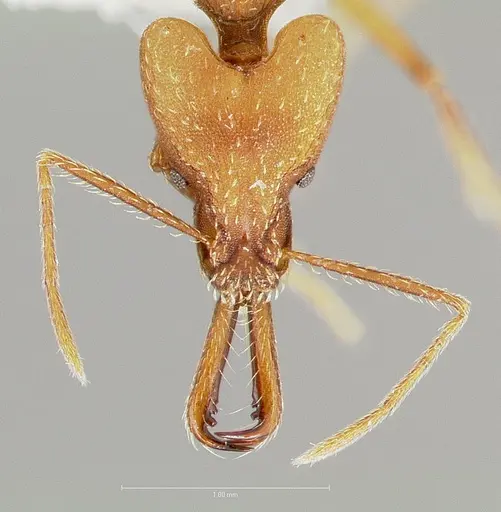
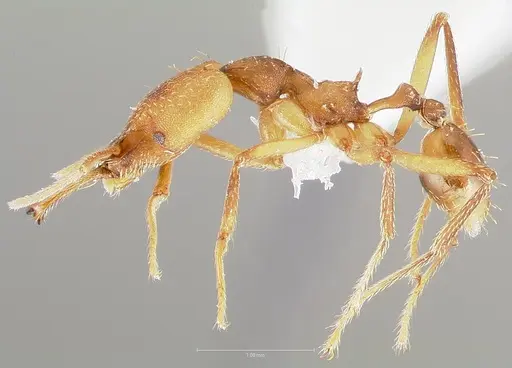
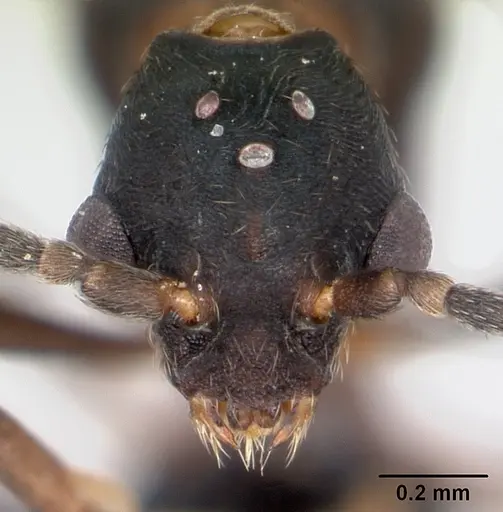
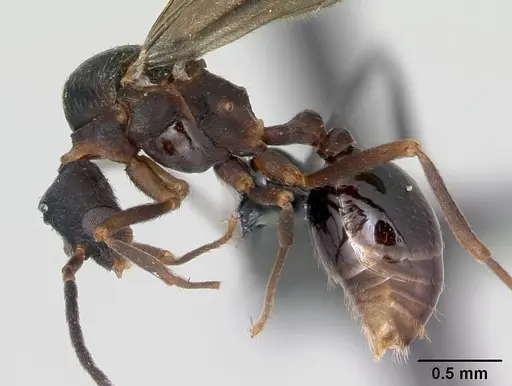
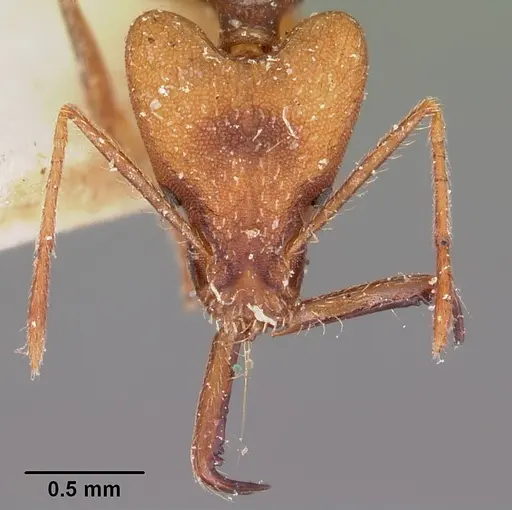
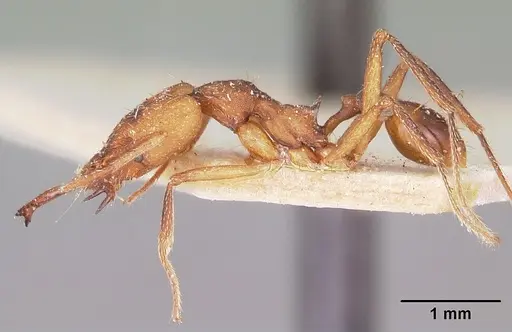
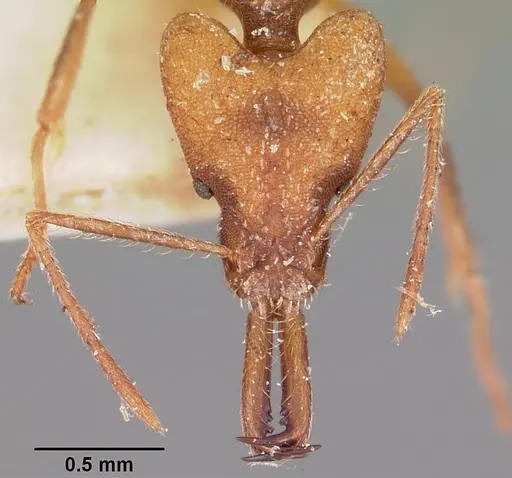
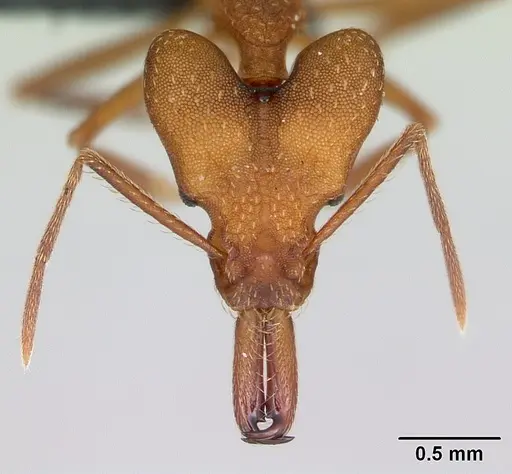
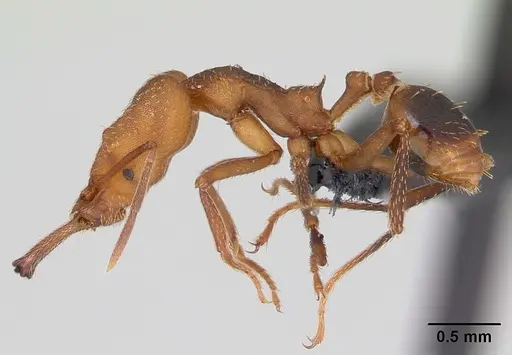
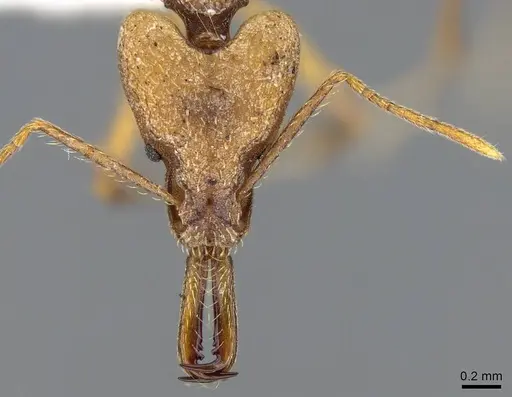
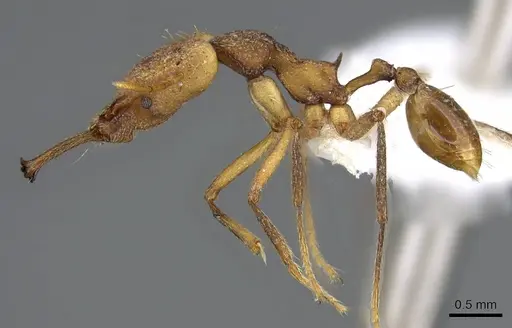
Strumigenys grandidieri is a medium-sized ant from the tribe Attini, native to Madagascar . Workers are 4.8-5.8 mm long, making them relatively large for the genus . They have a yellowish-brown to medium brown body, slender antennae, and unique truncated preapical teeth on the mandibles . The head and thorax are densely sculptured, while the gaster is smooth and shiny . Unlike many relatives, they lack pronotal humeral hairs . This species lives in humid forests on Madagascar, nesting in rotten wood like dead sticks and logs .
Quick Summary
- Difficulty: Medium
- Origin & Habitat: Madagascar, recorded from the Andrangoloaka Forest region [2] and at elevations around 430 m [3]. Found in humid forest habitats, nesting in rotting wood and dead sticks [1]. They are ground-dwelling (terricolous) and prefer dark, moist conditions [4].
- Colony Type: Social structure unconfirmed. Based on genus patterns, likely monogyne (single queen).
- Size & Growth:
- Queen: Size data unavailable.
- Worker: 4.8-5.8 mm (total length) [1]
- Colony: Colony size data unavailable from literature.
- Growth: Unknown, likely slow due to specialized predatory diet.
- Development: Unknown, estimated 8-12 weeks based on related Dacetini species, but unconfirmed for this species. (Development times in captivity are not documented. Patience is required.)
- Antkeeping:
- Temperature: No specific data. Based on tropical forest habitat, keep warm and stable, roughly 22-26°C. Avoid temperatures below 20°C or above 30°C.
- Humidity: High humidity is essential. Keep the nest substrate consistently moist but not waterlogged. These ants occupy dark, humid microhabitats [4]. Good ventilation is needed to prevent mold.
- Diapause: Unknown. As a Madagascar species from a tropical environment, true hibernation is likely not required.
- Nesting: Naturalistic setups with moist substrate or plaster nests work well. Provide rotting wood pieces or cork bark for nesting sites, mimicking their natural rotten wood habitat [1].
- Behavior: Temperament unconfirmed, based on subfamily, they possess a sting but it is likely not medically significant to humans (general knowledge). They are not known to be aggressive toward keepers. Escape risk is moderate, workers are around 5 mm and can squeeze through small gaps.
- Common Issues: specialized diet, live springtails are likely needed, standard ant foods may be ignored., mold from high humidity if ventilation is poor, balance moisture with airflow., slow growth may tempt overfeeding or disturbance, which can stress the colony., wild-caught colonies may carry parasites or diseases, quarantine new colonies., sensitivity to disturbance during founding, leave queen undisturbed if possible.
Housing and Nest Setup
Strumigenys grandidieri does best in naturalistic setups that mimic its rotten wood habitat. Use a substrate-based nest with moist soil or a plaster nest with a water reservoir. Add pieces of rotting wood, cork bark, or leaf litter for nesting sites. These ants are ground-dwelling (terricolous) and prefer dark, humid conditions [4]. A test tube setup can work for a founding queen, but transfer to a more spacious formicarium once the colony reaches 20+ workers. Make sure nest chambers are not too large, scale them for the colony size.
Feeding and Diet
Diet is not documented in literature, but like many Strumigenys, this species is likely a specialized predator of small soil arthropods such as springtails (Collembola). Live springtails are probably essential. Other tiny prey like booklice, dust mites, or fruit flies may be accepted. Feed small prey every 2-3 days, adjusting based on consumption. Remove uneaten prey to prevent mold. Sugar sources are likely ignored, do not rely on honey or sugar water. If you cannot maintain a springtail culture, this species is not recommended.
Temperature and Humidity
Maintain temperatures between 22-26°C, avoiding major fluctuations. Madagascar is tropical, so these ants expect warmth year-round. If your room is cooler, use a heating cable on one side of the nest to create a gentle gradient, place the cable on top to avoid drying the substrate. Humidity is critical: keep the substrate consistently moist but not waterlogged. Mist occasionally but let it dry between mistings to prevent stagnant conditions. Good ventilation is needed to prevent mold while retaining humidity [4].
Colony Development and Growth
Colony development is not well documented for this species. Based on related Dacetini ants, development from egg to worker may take 8-12 weeks at optimal temperatures, but this is unconfirmed. Growth is likely slow due to specialized diet. Avoid disturbing the colony frequently. Let the colony grow at its natural pace. Colony size is unknown, do not assume a maximum size without evidence.
Behavior and Temperament
Behavioral data is scarce. As a member of the tribe Attini (subfamily Myrmicinae), this species likely possesses a stinger, but it is not known to be aggressive toward humans (general taxonomic knowledge). Workers are probably not fast movers. They are not escape artists, but you should still seal all gaps, workers are about 5 mm and can squeeze through small openings. Their hunting method is unknown, they may not have trap-jaw mandibles typical of some Strumigenys. Observe them closely, their natural behavior is still poorly understood.
Frequently Asked Questions
What do Strumigenys grandidieri ants eat?
Their diet is not confirmed in literature, but they are likely predators of small soil arthropods, especially springtails. Live springtail cultures are probably essential. Other tiny arthropods like booklice or fruit flies may be accepted. Standard ant foods (sugar, seeds, insect pieces) are unlikely to be eaten.
How long does it take for Strumigenys grandidieri to produce first workers?
Development time is unconfirmed. Based on related species, it may take 8-12 weeks at optimal temperature, but this is an estimate. Be patient and do not disturb the queen.
What size colony does Strumigenys grandidieri reach?
Colony size is not documented in literature. Do not assume a specific number. Colonies in this genus are generally small-moderate, but concrete data is lacking.
What humidity do Strumigenys grandidieri need?
High humidity is essential. Keep the nest substrate consistently moist but not waterlogged. These ants are terricolous and prefer dark, humid conditions [4].
Can I keep Strumigenys grandidieri in a test tube?
A test tube can work for a founding queen or small colony. Once you have 20+ workers, move them to a naturalistic or plaster nest that provides more space and a better humidity gradient. They need access to hunting areas for live prey.
Are Strumigenys grandidieri good for beginners?
Probably not. Their specialized prey requirements (likely live springtails) and high humidity needs make them challenging. Growth is likely slow, which can frustrate new keepers. Experience with predatory ant species is recommended.
Do Strumigenys grandidieri need hibernation?
Unconfirmed. Since Madagascar is tropical, true hibernation is likely not required. A slight temperature drop during cooler months may be harmless, but don't force a diapause.
What temperature should I keep Strumigenys grandidieri at?
Keep them around 22-26°C, matching their tropical forest habitat. Avoid prolonged temperatures below 20°C or above 30°C. A gentle gradient is beneficial.
Why are my Strumigenys grandidieri dying?
Possible causes: lack of appropriate live prey (springtails), too low humidity, mold from poor ventilation, disturbance during founding, or parasites from wild-caught colonies. Ensure you have a steady springtail supply and maintain proper moisture without over-wetting.
Report an Issue
The current care sheet is based fully on literature. See inconsistencies, or something that's incorrect? Please , it will be resolved after review from an admin. Contributing to the blogs tab also helps providing information, to make us be able to further improve the caresheets. Thank you for your support!
References

This caresheet is licensed under CC BY-SA 4.0 .
Community Blogs
CASENT0005896
View on AntWeb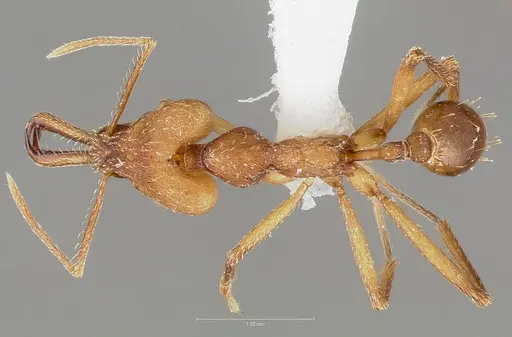
CASENT0068010
View on AntWeb
CASENT0101253
View on AntWeb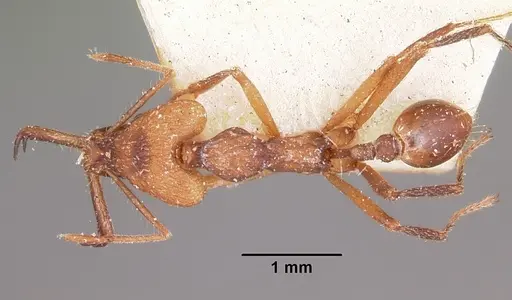
CASENT0101254
View on AntWeb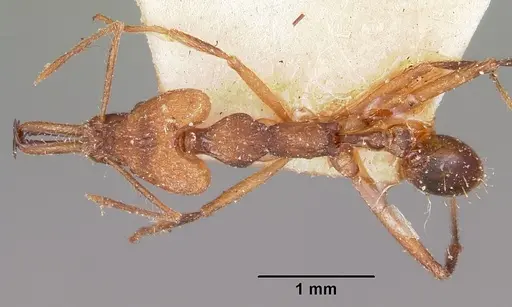
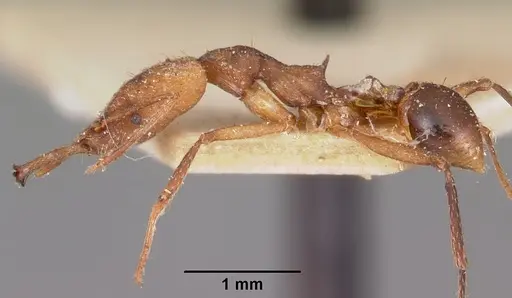
CASENT0101563
View on AntWeb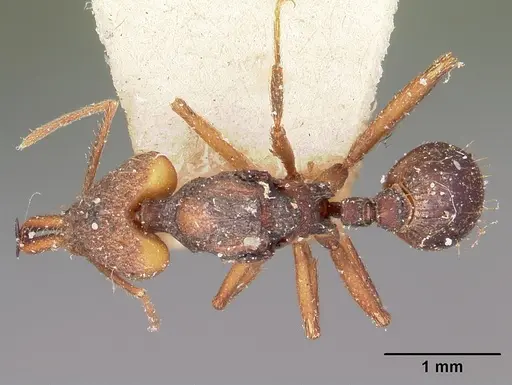
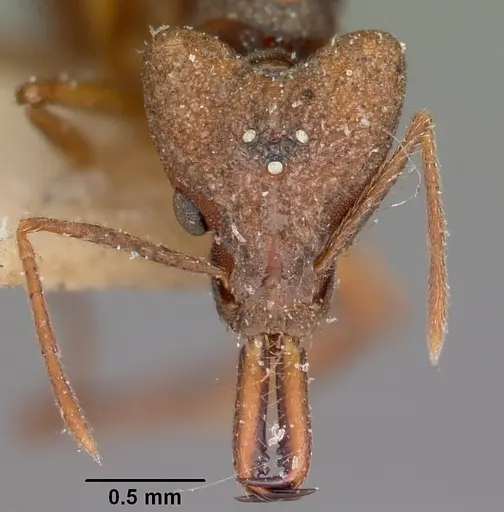
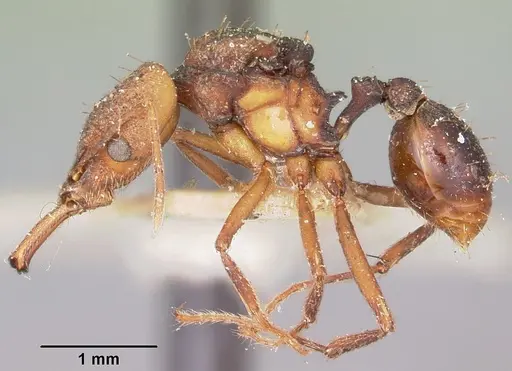
CASENT0173613
View on AntWeb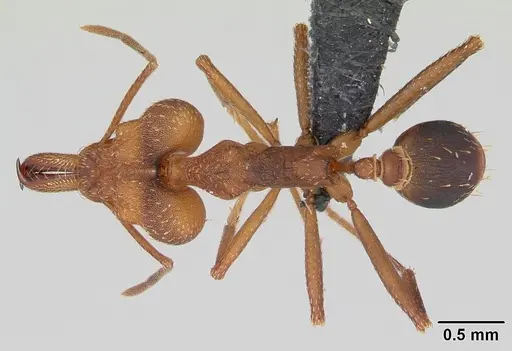
CASENT0914765
View on AntWeb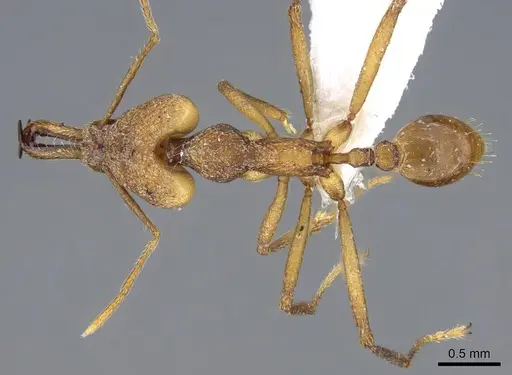
Literature
Loading distribution map...Loading products...