
Strumigenys feae
- Sci. Name
- Strumigenys feae
- Tribe
- Attini
- Subfamily
- Myrmicinae
- Author
- Emery, 1895
- Distribution
- Found in 6 countries
Introduction
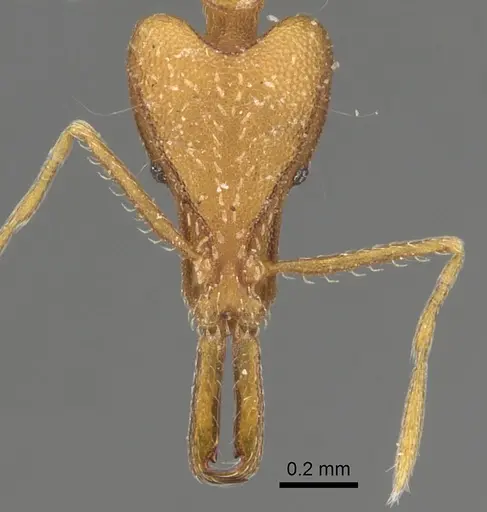
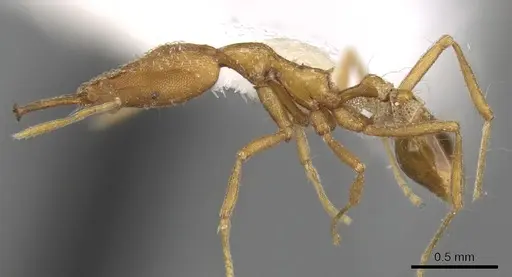
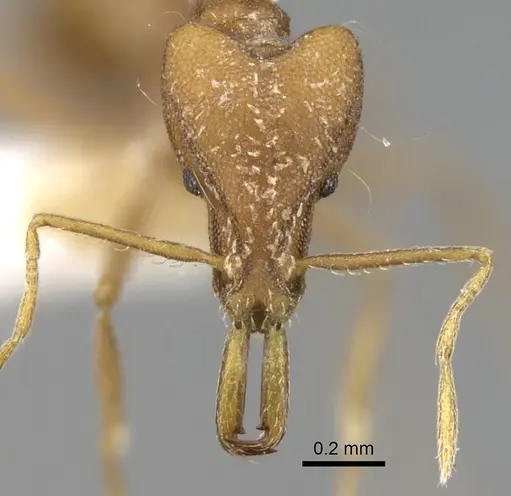
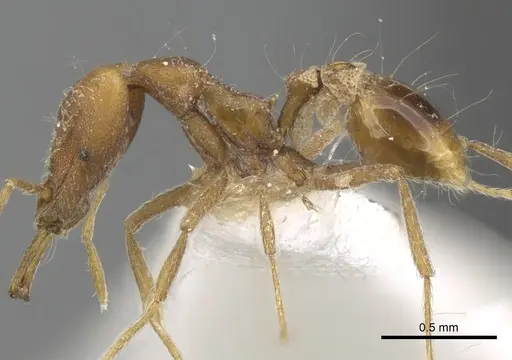
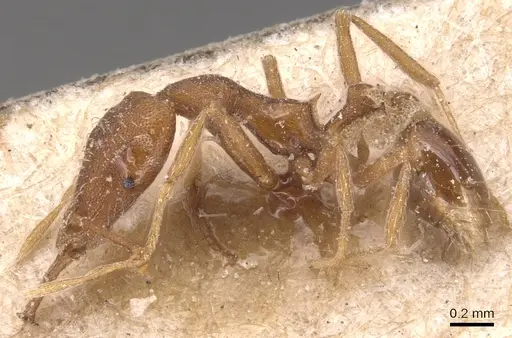
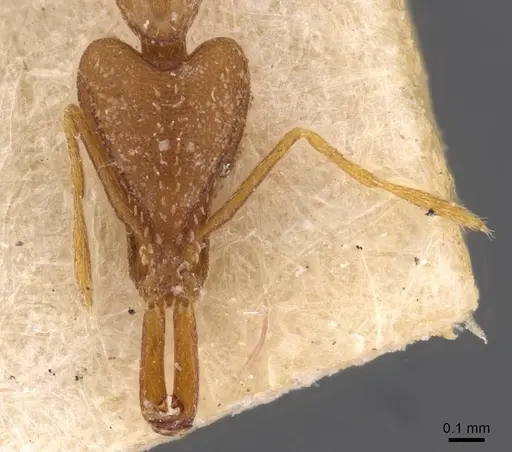
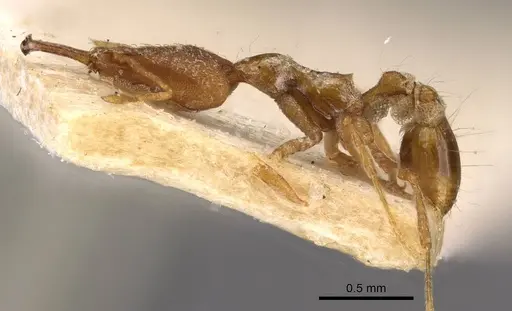
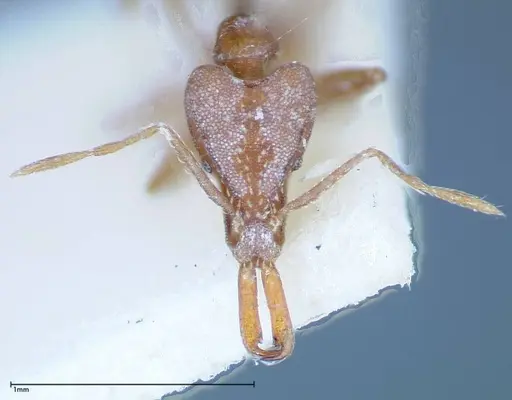
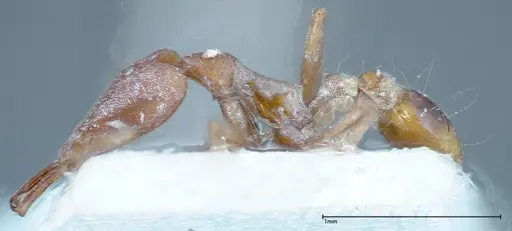
Strumigenys feae is a tiny predatory ant from the Myrmicinae subfamily, tribe Attini. Workers measure 3.0-3.5 mm total length , making them one of the smallest ants you can keep. They belong to the *Strumigenys mayri* group and have distinctive sickle-like mandibles with a very small preapical tooth that looks almost like a denticle . Originally described from Myanmar in 1895,what was once thought to be a separate species (*Strumigenys formosensis* from Taiwan) is now known to be the same ant - research showed the subtle differences in mandible teeth are just natural variation . These ants are specialized hunters of springtails and other tiny soil arthropods. They live in forests across Southeast Asia - from Taiwan and southern China through Myanmar, Thailand, Vietnam, and Cambodia - at elevations from 140 to 525 m . In Hong Kong they’ve been found in tree plantations and secondary forests . They’re rare in the wild; in Macao, only a single worker was ever collected despite lots of searching . They also serve as a host for the social parasite *Strumigenys mutica* . Unlike many ants, they still have a functional stinger, but it’s not medically important to humans [defense info].
Quick Summary
- Difficulty: Hard
- Origin & Habitat: Native to Southeast Asia: Taiwan, southern China (Guangxi, Hainan, Hong Kong, Macau, Yunnan), Myanmar, Thailand, Vietnam, Cambodia, and Japan (Satsunan Islands). Occurs in primary forest, secondary forest, mature forest, and rubber plantations at 140-525 m elevation [1][3].
- Colony Type: Colony structure is unconfirmed. Host records for the social parasite Strumigenys mutica suggest the colony is large enough to support a parasite, but no direct studies exist [5].
- Size & Growth:
- Queen: Not directly measured, inferred from genus, likely slightly larger than workers at about 3.5-4 mm.
- Worker: 2.8 mm [6].
- Colony: Maximum colony size probably in the low hundreds, based on collection data showing few workers per sample [4].
- Growth: Unknown, no direct data. Likely moderate to slow due to specialized predatory lifestyle.
- Development: Unconfirmed, estimate 6-10 weeks at 24-28°C, based on related *Strumigenys* species. (No development studies exist for this species.)
- Antkeeping:
- Temperature: Aim for 24-28°C. This tropical species comes from warm forests [1]. Avoid prolonged temperatures below 20°C. Provide a gradient so ants can choose their preferred zone.
- Humidity: Keep the nest substrate consistently moist but not waterlogged. These are leaf‑litter ants from damp forest floors. Mist regularly but let the surface dry briefly between mistings to prevent mold.
- Diapause: Unconfirmed, being a tropical/subtropical species, true hibernation is unlikely. They may slow down during cooler months but no cold diapause is needed.
- Nesting: A naturalistic terrarium with damp soil and leaf litter works best. You can also use a plaster or Y‑tong nest with very small chambers. Keep spaces tight, these ants are tiny and need humid, snug cavities.
- Behavior: These are quiet, slow‑moving ants that spend most of their time hunting through leaf litter. They’re not aggressive and will flee from threats. Their sickle‑like mandibles are built for snapping springtails, not fighting. They have a functional stinger, but it’s mild and harmless to humans. Their main challenge is escaping, they’re so small that standard barriers won’t stop them.
- Common Issues: tiny size makes escape likely, use fine mesh or oil barriers., specialized diet, they need live springtails, they won’t eat standard ant foods., slow growth can lead to overfeeding, which causes mold and kills the colony., high humidity needs must be balanced with good ventilation to prevent mold., wild‑caught colonies may carry parasites that can devastate a captive nest., uncertain founding and care requirements make them fragile in captivity.
Housing and Nest Setup
Strumigenys feae needs a setup that looks like its natural leaf‑litter home. A naturalistic terrarium with a deep layer of damp soil mixed with dead leaves works best, it gives them space to hunt and hide. You can also use a plaster or Y‑tong nest, but make sure the chambers are small enough for their 3 mm bodies. Either way, keep the substrate damp but not waterlogged. A test‑tube with a water reservoir connected to the nest helps maintain humidity. Because they are so tiny, escape prevention is critical. Use tight‑fitting lids and a barrier like fluon or PTFE on the container walls. Even standard mesh might be too coarse, use the finest mesh you can find [4][3].
Feeding and Diet
This is the hardest part of keeping Strumigenys feae. They are specialized predators that hunt springtails (Collembola) and other tiny soil arthropods [1]. Their sickle‑shaped mandibles are designed for catching these fast little critters [1]. In captivity you must provide a steady supply of live springtails, no exceptions. You can buy springtail cultures and keep them going in a separate container. Offer a few every day, and remove any leftovers after 24 hours to stop mold. Some keepers offer tiny fruit‑fly larvae as a treat, but springtails should be the main food. They won’t eat sugar water, honey, or standard ant foods. This specialized diet makes them unsuitable for beginners [1].
Temperature and Humidity
As a tropical species, Strumigenys feae needs it warm and damp. Keep the nest at 24-28°C for good activity and brood growth [1]. A small heat mat on one side of the enclosure works well, just give them a cooler spot to escape to. Humidity is even more important. The substrate should feel moist to the touch, and the air around the nest should be damp. Mist the enclosure daily, but let it dry for a few hours between mistings to prevent mold. Good airflow is needed, but don’t put them in a drafty spot near an air conditioner or heater, they hate quick changes [3][1].
Colony Establishment and Growth
Starting a colony of Strumigenys feae is tricky and not well documented. If you get a queen, put her in a small, humid chamber with damp soil. Founding behavior is unconfirmed, but if she is claustral (seals herself in), she won’t need food until her first workers appear. Those first nanitics will start hunting springtails right away. Growth is slow, it may take months to get more than 10-20 workers. Be patient and don’t overfeed, too many springtails rotting will cause mold and kill the colony. Mature colonies are small, probably never more than a couple hundred workers [4]. This is normal for Strumigenys. Don’t try to combine queens, it hasn’t been studied and will likely end in fighting.
Behavior and Temperament
Strumigenys feae workers are small and slow. They spend most of their time walking through the leaf litter, hunting for springtails. They are not aggressive to humans and will run away if disturbed. Their mandibles are for catching prey, not defense. They do have a functional stinger, but it’s mild and won’t hurt you, just a tiny pinch at most. They are active day and night, though maybe less at cooler temperatures. The biggest behavioral problem is their urge to escape. Because they are so small, any tiny gap will let them out. Keep the enclosure sealed tight. In return, you get a quiet, interesting ant that’s fun to watch hunt [1].
Frequently Asked Questions
Can I keep Strumigenys feae in a test tube setup?
A test tube works for a founding queen, but as the colony grows, they prefer a naturalistic setup with leaf litter. If you use test tubes, keep the cotton moist and the tube dark. Plan to move them to a bigger enclosure when the colony reaches about 10-15 workers. Many keepers use a naturalistic terrarium from the start [4].
What do Strumigenys feae ants eat?
They need live springtails, nothing else. They won’t eat sugar water, honey, or dead insects. Their sickle‑shaped mandibles are built for catching tiny, fast prey like springtails [1]. You must keep a live springtail culture to feed them. Some keepers offer fruit‑fly larvae as a supplement, but springtails should be the main food [1].
How long does it take for Strumigenys feae to produce first workers?
That’s not known for sure. Based on other Strumigenys species and a warm 24-28°C temperature, you might see first workers in 6-10 weeks from the eggs. But this is just an estimate, expect slow growth, and don’t worry if it takes longer. There’s no published data on their development [1].
Are Strumigenys feae good for beginners?
No. They are hard to keep because they need live springtails, high humidity, and very tight escape prevention. Their growth is slow, and they are fragile. Beginners should start with easier ants like Lasius or Camponotus, which eat a variety of foods and are more forgiving [4].
How big do Strumigenys feae colonies get?
Colonies are small, probably no more than a few hundred workers at most. In wild samples, only one or two workers are found at a time, suggesting small nests. So don’t expect a big bustling colony, they stay modest [4][1].
Do Strumigenys feae need hibernation?
Probably not. They come from tropical and subtropical areas without a cold winter. In captivity they may slow down when it gets cooler, but they don’t need a true cold diapause. Keep them warm year‑round [1].
Why are my Strumigenys feae dying?
Common causes: 1) No live springtails, they starve without their special food. 2) Too dry, they need high humidity. 3) They escaped, check your barriers. 4) Mold from overfeeding or poor ventilation. 5) Temperature too low or swinging. 6) Parasites from the wild. Go through each one and fix the most likely issue.
Can I keep multiple Strumigenys feae queens together?
It’s not recommended and hasn’t been studied. Most likely they would fight. If you have multiple queens, give each her own small setup. There’s no evidence they are polygynous in the wild [1].
When should I move Strumigenys feae to a formicarium?
Move them when the test tube gets cramped, usually when you see 15-20 workers. But because they love leaf litter, many keepers move them straight to a naturalistic setup from the start. A terrarium with damp soil and leaves is the best long‑term home [4].
Report an Issue
The current care sheet is based fully on literature. See inconsistencies, or something that's incorrect? Please , it will be resolved after review from an admin. Contributing to the blogs tab also helps providing information, to make us be able to further improve the caresheets. Thank you for your support!
References

This caresheet is licensed under CC BY-SA 4.0 .
Community Blogs
CASENT0280747
View on AntWeb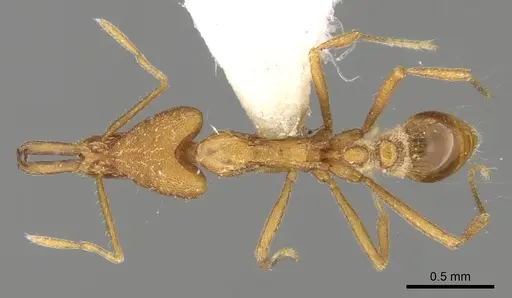
CASENT0280748
View on AntWeb
CASENT0904951
View on AntWeb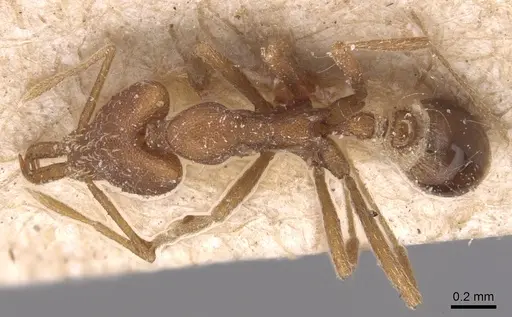
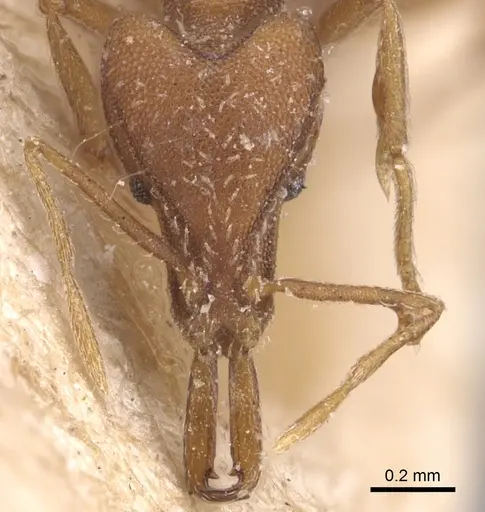
CASENT0909309
View on AntWeb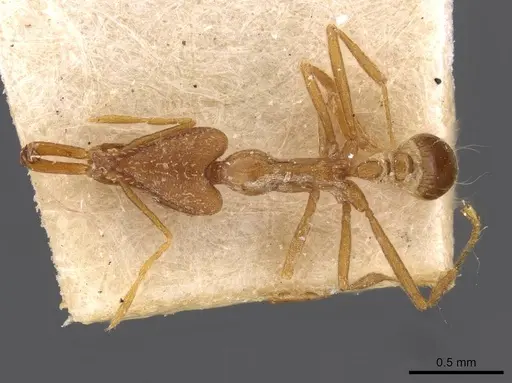
FOCOL0188
View on AntWeb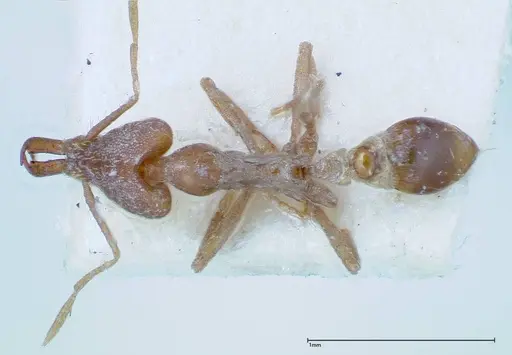
Literature
Loading distribution map...Loading products...